Browsed by
Category: New Treasures

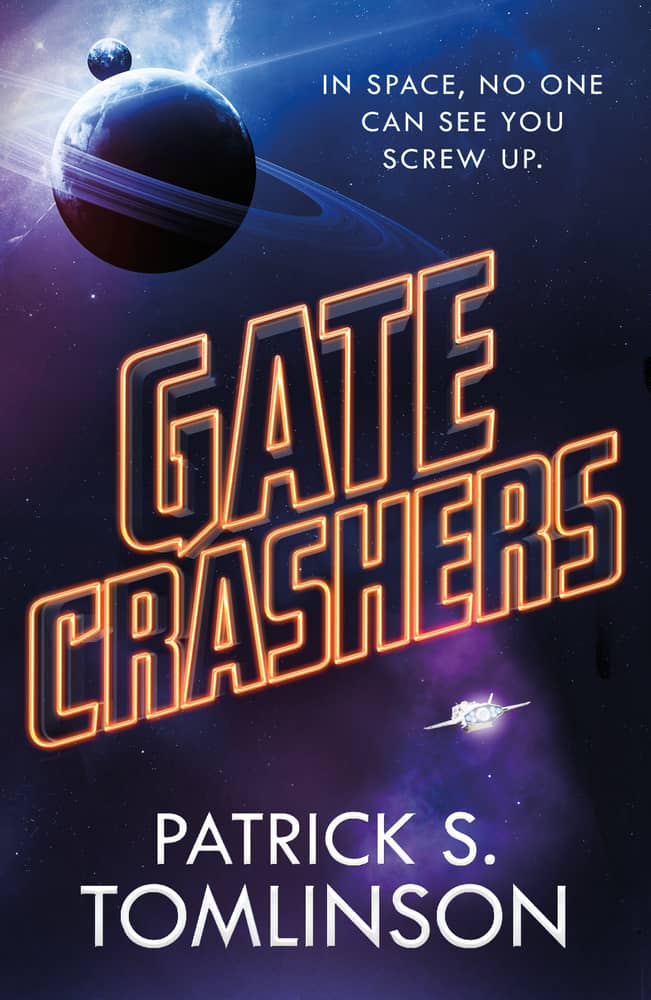
Future Treasures: Gate Crashers by Patrick S Tomlinson

Future Treasures: Gate Crashers by Patrick S Tomlinson

Gate Crashers Patrick S Tomlinson-smallPatrick S. Tomlinson’s debut novel was The Ark, a murder mystery set on a generation ship just before it arrived at its destination. Publishers Weekly called it “Impressive,” saying “Tomlinson’s pacing is beyond reproach, as he deftly crafts an ever more elaborate web of intrigue within the self-contained setting.” The Ark was published by Angry Robot, and it became the opening book in the Children of a Dead Earth trilogy, which wrapped up last year.

Tomlinson’s newest book arrives next week, and it looks like a standalone novel — an easier bite to chew if your reading time is as precious as mine this month. Joel Cunningham at the Barnes & Noble Sci-Fi & Fantasy Blog says “Gate Crashers is a story of space exploration and humanity’s first contact with aliens, plus a healthy dose of irreverent humor.”

The only thing as infinite and expansive as the universe is humanity’s unquestionable ability to make bad decisions.

Humankind ventures further into the galaxy than ever before… and immediately causes an intergalactic incident. In their infinite wisdom, the crew of the exploration vessel Magellan, or as she prefers “Maggie,” decides to bring the alien structure they just found back to Earth. The only problem? The aliens are awfully fond of that structure.

A planet full of bumbling, highly evolved primates has just put itself on a collision course with a far wider, and more hostile, galaxy that is stranger than anyone can possibly imagine.

Gate Crashers will be published by Tor Books on June 26, 2018. It is 416 pages, priced at $18.99 in trade paperback and $9.99 for the digital edition. The cover art is uncredited. Read Chapter One here.

See all our recent coverage of the best upcoming SF & fantasy here.

Bloody Court Intrigue: Ash Princess by Laura Sebastian

Bloody Court Intrigue: Ash Princess by Laura Sebastian

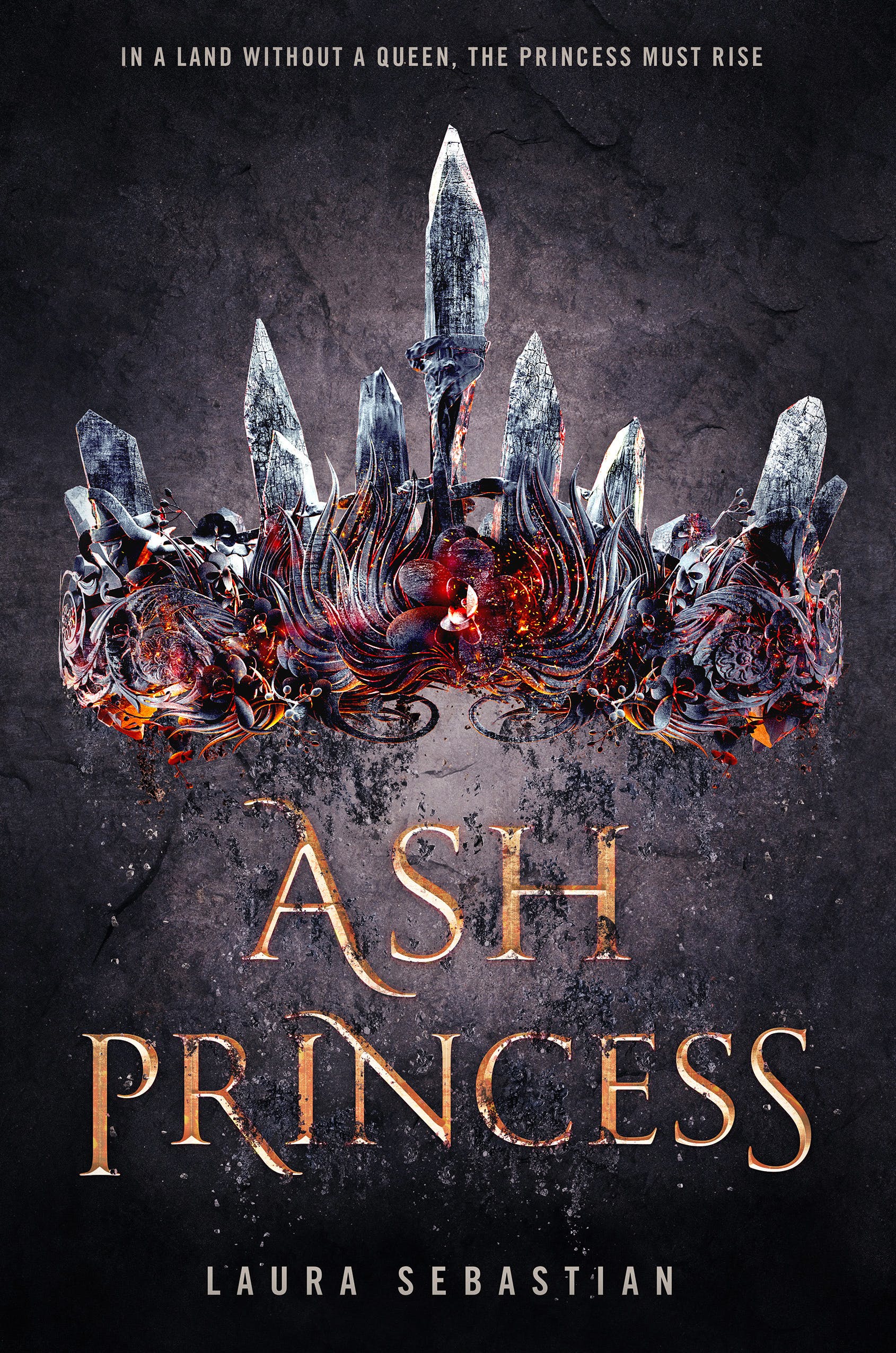
Ash-Princess-smallTheodosia just wants to survive.

Ten years ago, the Kaiser’s forces invaded and slit her mother the Queen’s throat. Theo’s been the Kaiser’s prisoner ever since. She tries to forget she was once heir to the throne, rather than a princess of nothing but ashes. She tries to forget the magical powers the old gods used to give humans, now that their temples lie in ruins. She tries to forget that her best friend’s father was the one who murdered her mother.

Whatever it takes to survive, Theo does. As long as she doesn’t look at her countrypeople, she won’t have to see their suffering. As long as she censors her speech, her three Shadows won’t guess what she really thinks. As long as she does whatever the Kaiser wants, he’ll keep her alive. Someday, one of the rebels will save her.

But ten years of playing it safe, of hiding and assimilating, come to an abrupt end in the opening chapter of Ash Princess.

It all starts when the Kaiser sends for her. The only time he ever does that is when he’s going to punish her. It doesn’t matter that Theo hasn’t misbehaved. The Kaiser whips her in public whenever he catches a rebel.

This time, he’s caught the head of all the rebels, the one she always dreamed would lead her rescue – her father.

And this time, the Kaiser commands Theo to kill her father in order to prove her loyalty.

Read More Read More

Steampunk Critical Mass: The Signal Airship Novels by Robyn Bennis

Steampunk Critical Mass: The Signal Airship Novels by Robyn Bennis

The Guns Above-small By Fire Above-small

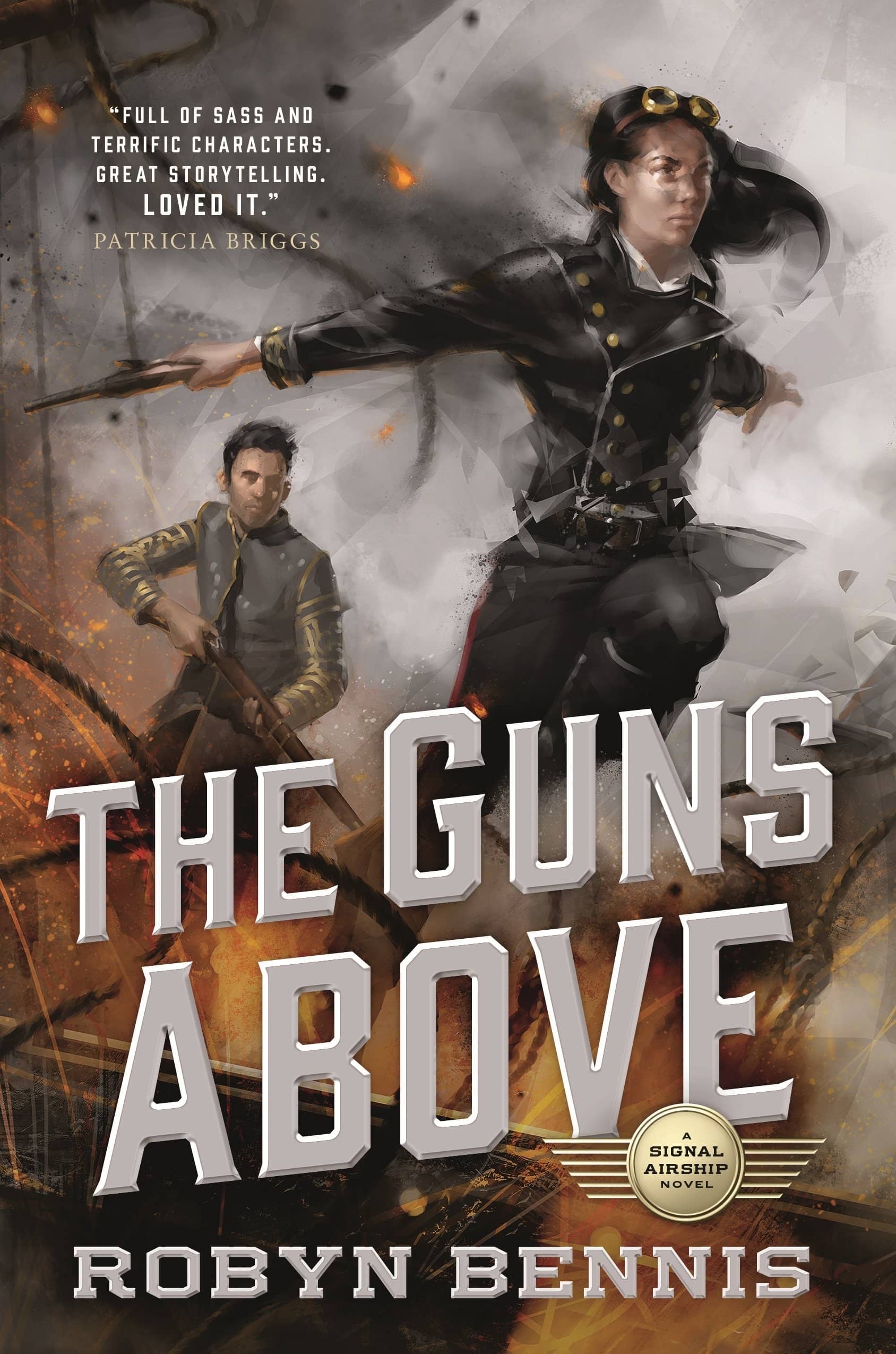
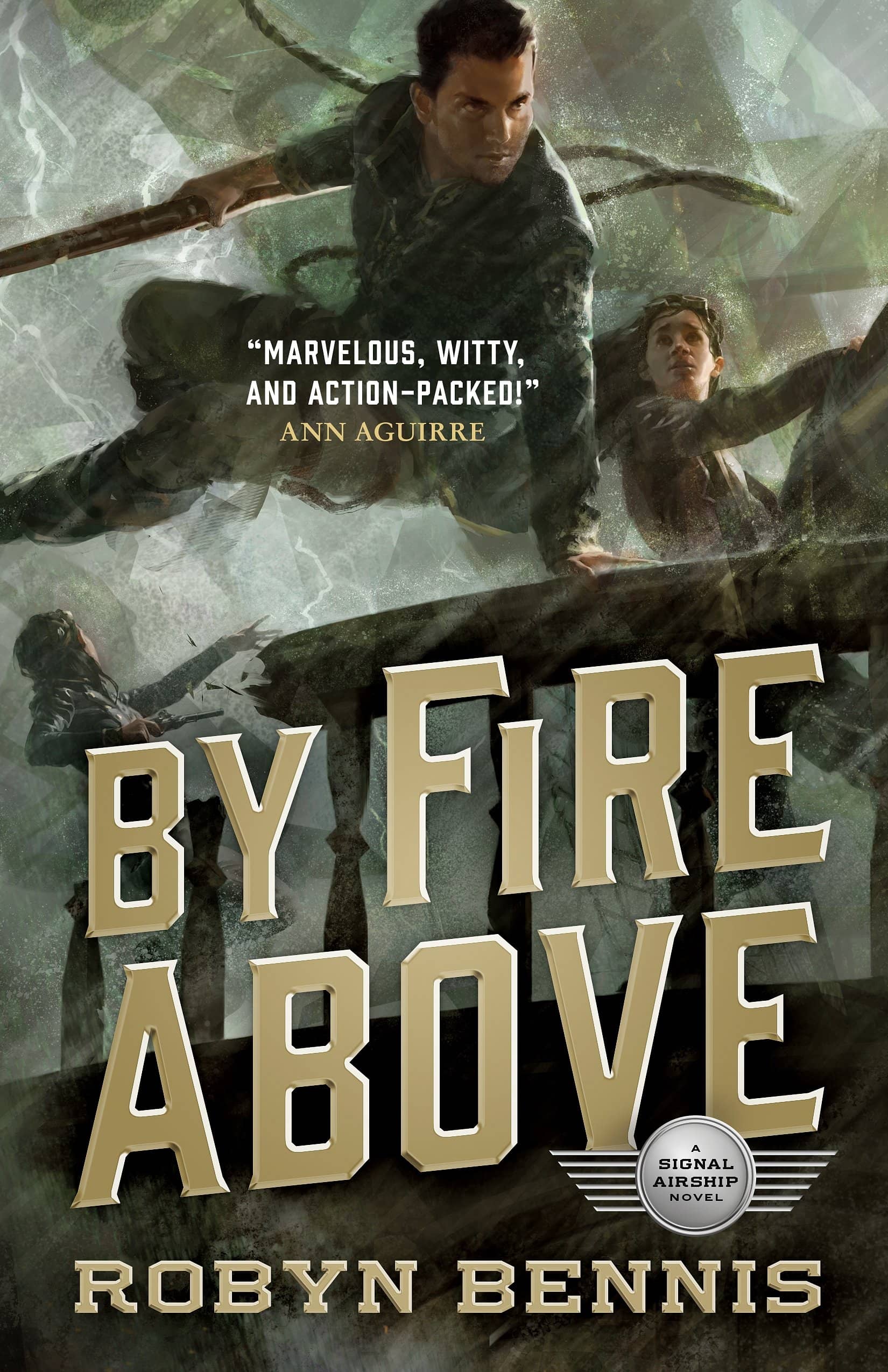
Last year Tor published The Guns Above, the first installment in Robyn Bennis’ Signal Airship military fantasy series, and Ann Aguirre called it “Marvelous, witty and action-packed steampunk… she honest to God made me believe you could build an airship from spare parts.” I’ve gotten pretty jaded towards author blurbs over the years, but I gotta admit that one piqued my interest.

It was hardly the only good press the book received. Liz Bourke at Tor.com labeled it “immensely entertaining, fast-paced adventure,” and Patricia Briggs said it was “full of sass and terrific characters.” That all sounded pretty compelling, but I’m a guy who likes to have a couple of installments at hand before I dive into a new adventure series. So I was pleased to see By Fire Above arrive right on time last month. Here’s the description.

“All’s fair in love and war,” according to airship captain Josette Dupre, until her hometown of Durum becomes occupied by the enemy and her mother a prisoner of war. Then it becomes, “Nothing’s fair except bombing those Vins to high hell.”

Before she can rescue her town, however, Josette must maneuver her way through the nest of overstuffed vipers that make up Garnia’s military and royal leaders in order to drum up support. The foppish and mostly tolerated Mistral crew member Lord Bernat steps in to advise her, along with his very attractive older brother.

Between noble scheming, under-trained recruits, and supply shortages, Josette and the crew of the Mistral figure out a way to return to Durum ― only to discover that when the homefront turns into the frontlines, things are more dangerous than they seem.

Now that the series has reached critical mass (well, two books), it has a lot more appeal, and I’ll clear away some time this summer to give it a try. By Fire Above was published by Tor Books on May 15, 2018. It is 368 pages, priced at $26.99 in hardcover and $13.99 for the digital version. We covered The Guns Above here.

Gods and Robots: Booklist‘s Best New Books Include Starless and The Robots of Gotham

Gods and Robots: Booklist‘s Best New Books Include Starless and The Robots of Gotham

Starless Jacqueline Carey-small The Robots of Gotham McAulty-small

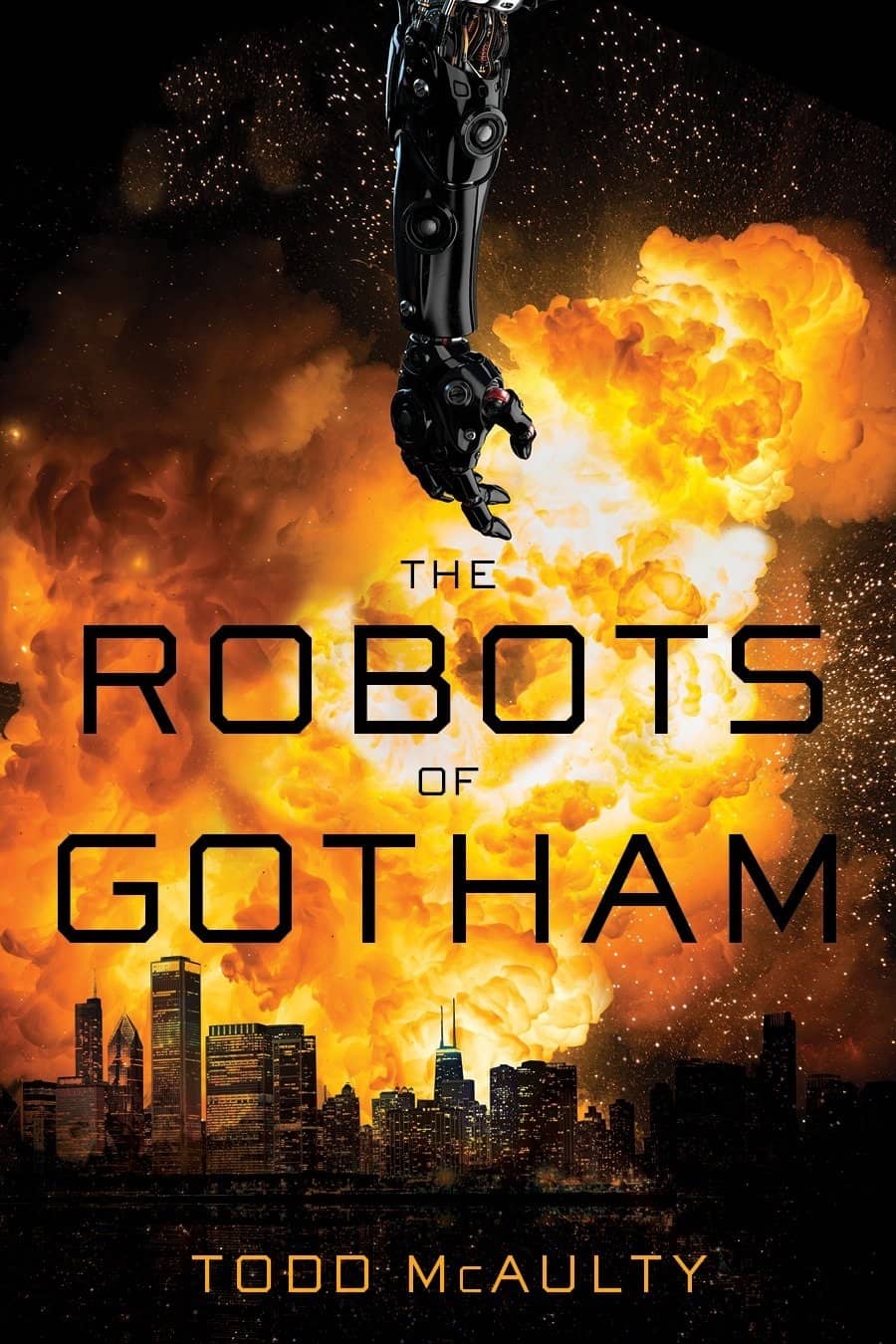
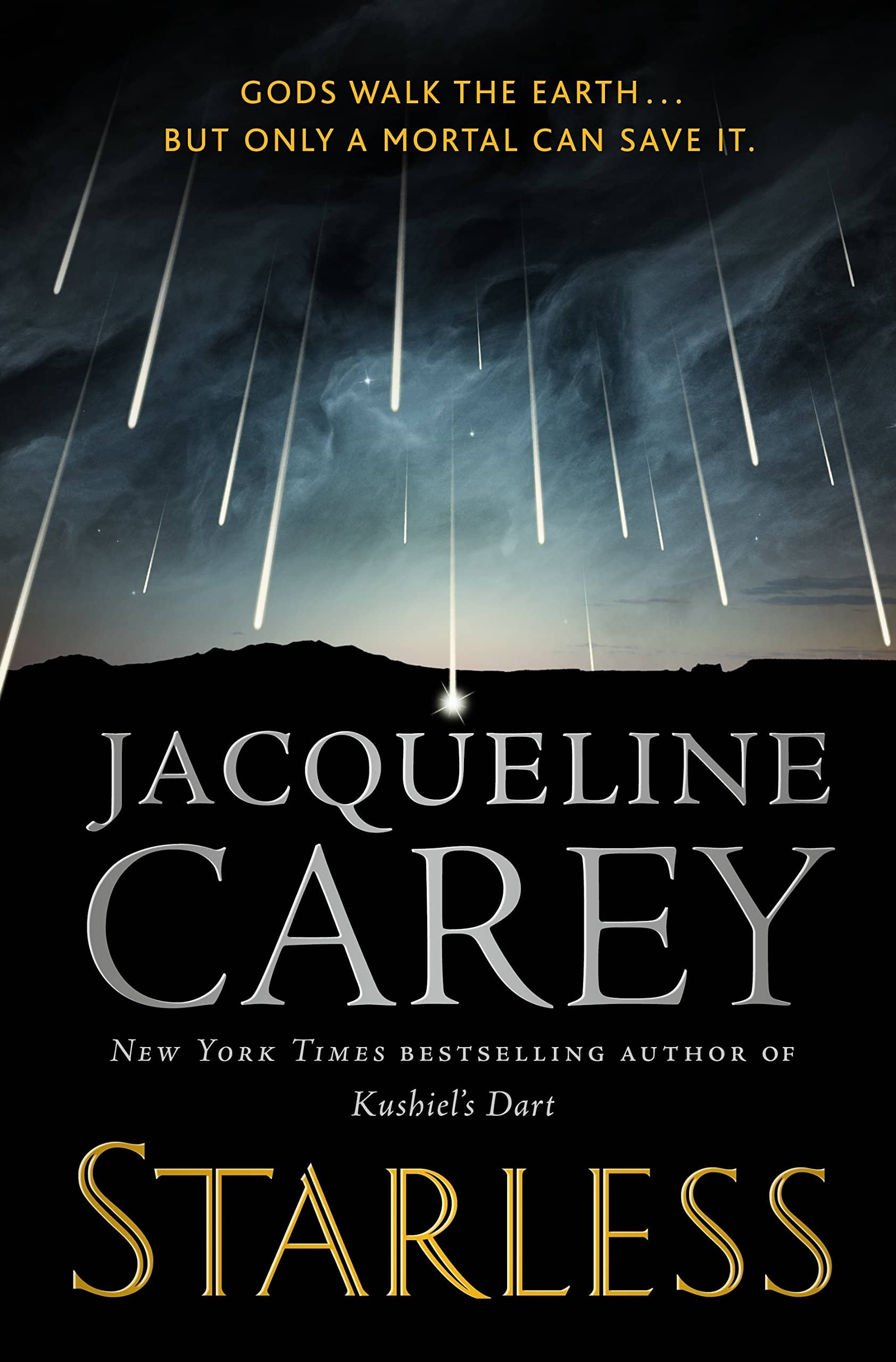
The good folks at Booklist, the flagship publication of the American Library Association, regularly select the Best New Books, and this week two genre releases made the cut: Jacqueline Carey’s Starless, which “may well be the epic fantasy of the year,” and Todd McAulty’s debut The Robots of Gotham, which they proclaim is “thrilling, epic SF.”

John Keogh’s starred review of The Robots of Gotham appeared online this week:

Machine intelligences rule most of the world, human governments are rapidly losing their power, a war-ravaged U.S. is on the brink of descending into chaos, and a mysterious new plague is on the loose. In Chicago, one man finds himself at the nexus of a complex web of secrets that threatens to upend the world as we know it. This debut novel beautifully combines a postapocalyptic man-versus-machine conflict and a medical thriller. The world is immersive and detailed, the characters have depth, the writing is assured, the plotting intelligent, and the pacing about perfect. McAulty’s take on how AI might evolve gives the premise a unique twist. The story is action-packed, starting with a boom (literally) and driving you along from one crisis to the next. The action rarely lets up, yet it never becomes tiresome… This is thrilling, epic sf.

And here’s a snippet from Diana Tixier Herald’s review of Starless.

Read More Read More

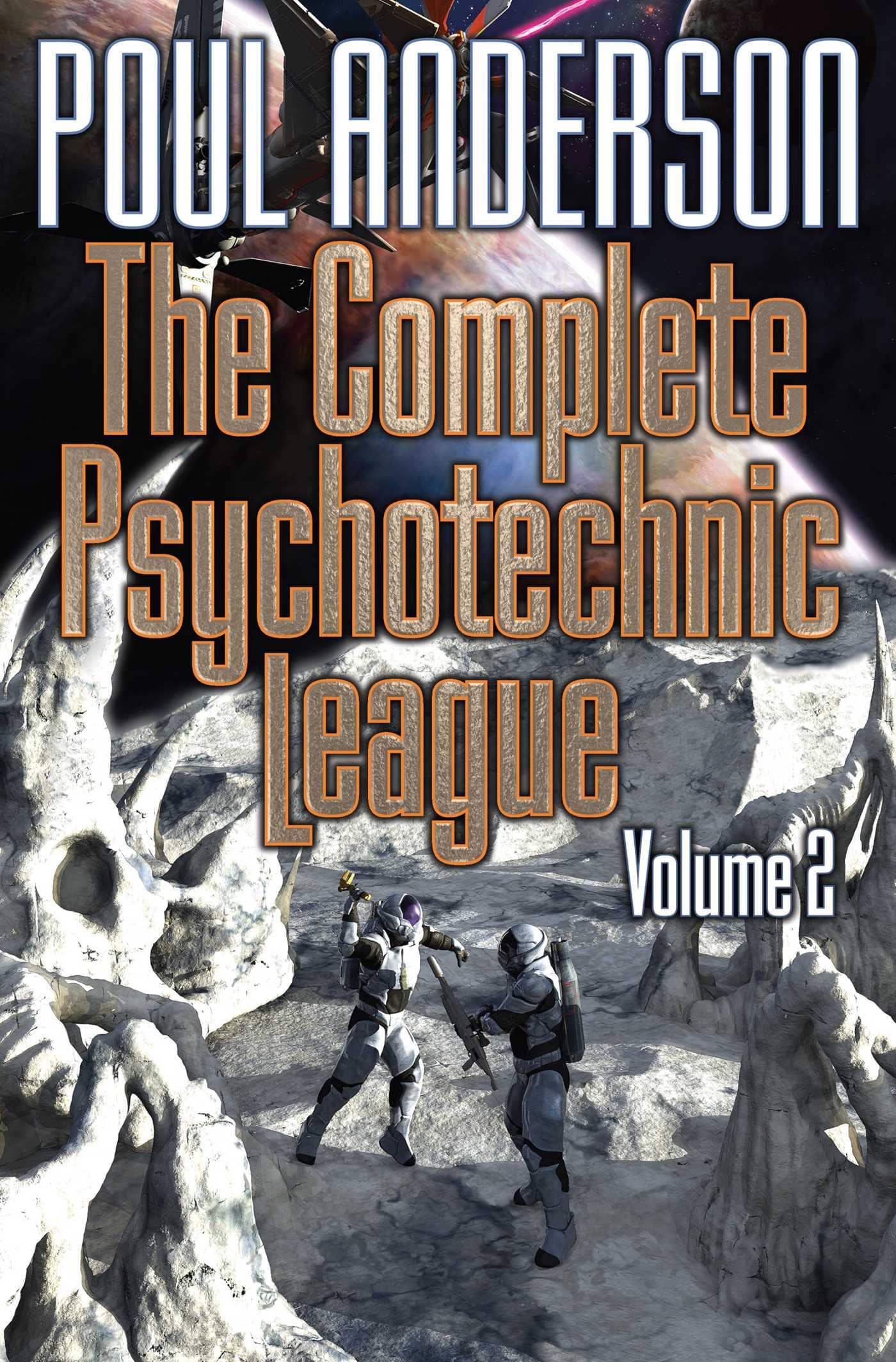
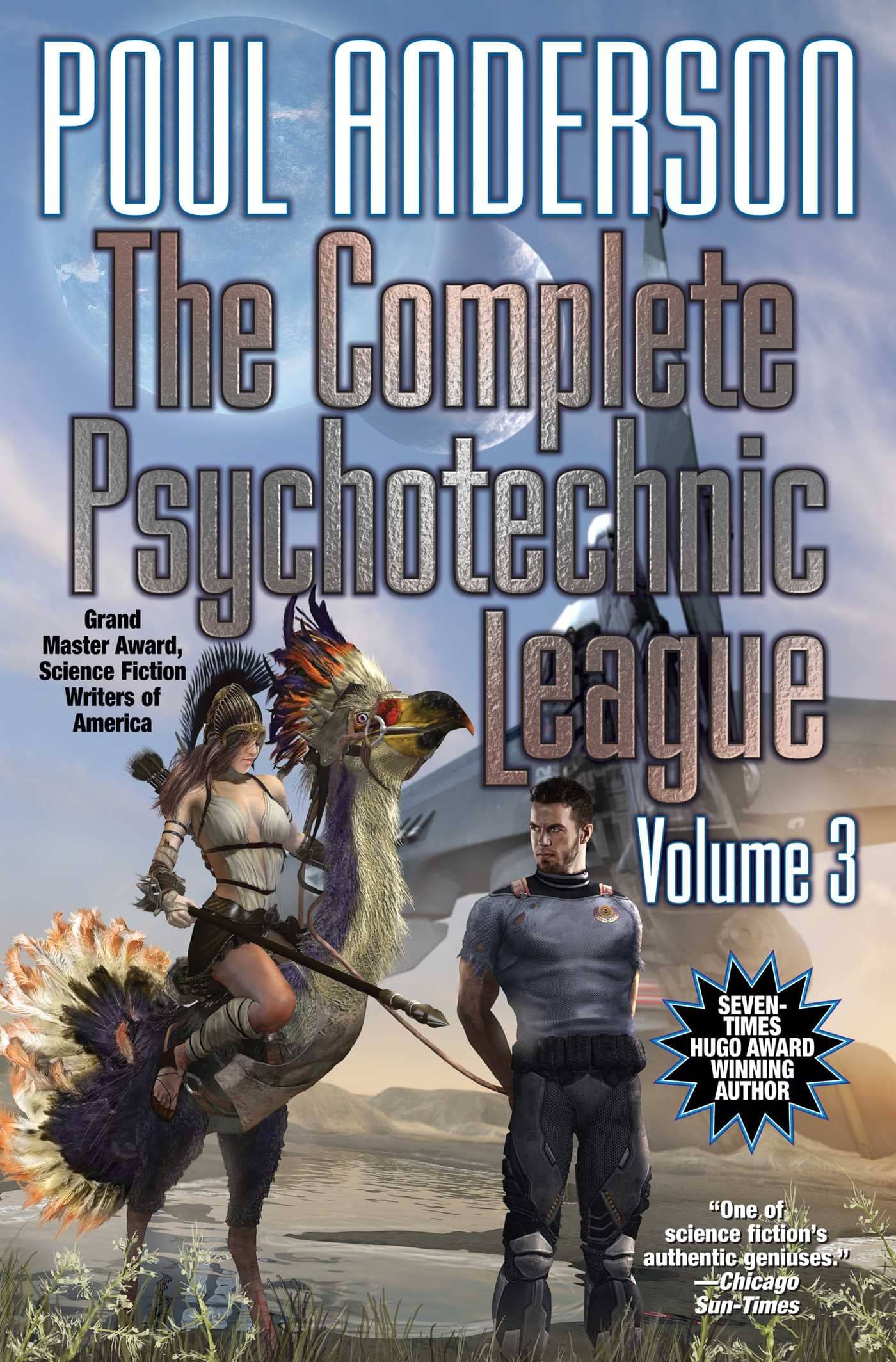
Experience Poul Anderson’s Complete Psychotechnic League from Baen Books

Experience Poul Anderson’s Complete Psychotechnic League from Baen Books

The Complete Psychotechnic League Volume 1-small The Complete Psychotechnic League Volume 2-small The Complete Psychotechnic League Volume 3-small

Art by Kurt Miller

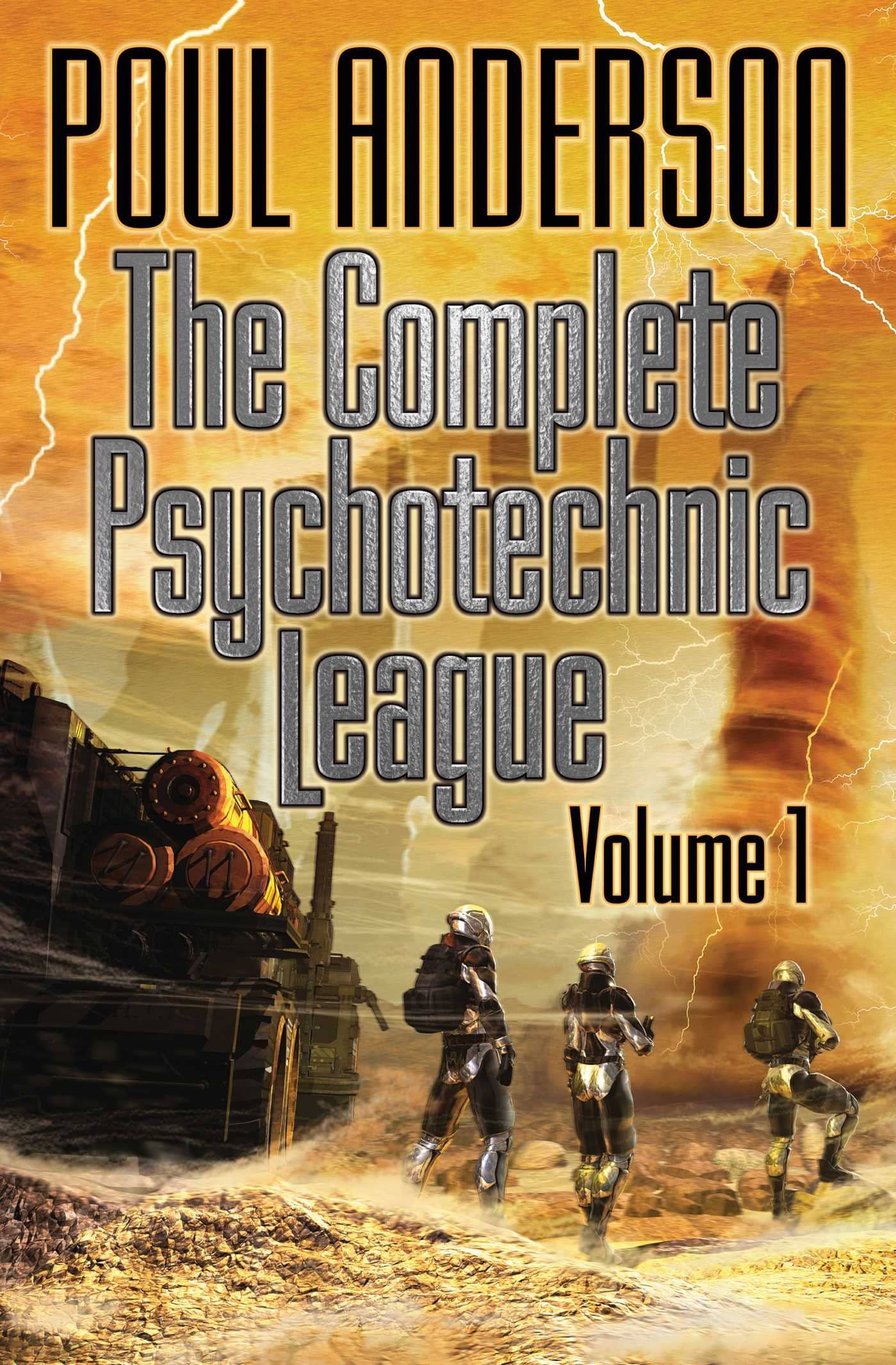
When I learned last September that Baen Books was reprinting Poul Anderson’s classic Psychotechnic League stories, I wrote a brief history of the series. Here’s what I said, in part.

The Psychotechnic League began as a Future History, a popular beast among short SF writers of the 40s and 50s. Anderson published the first story, “Entity,” in the June 1949 issue of Astounding Science Fiction, and set the opening of his series a decade in the future. The series continued for the next two decades, (appearing in Astounding, Planet Stories, Worlds Beyond, Science Fiction Quarterly, Cosmos, Fantastic Universe, and other fine magazines), eventually extending into the 60s. In the process, his “Future History” gradually became an “Alternate History,” as actual history trampled all over his carefully constructed fictional timeline.

That didn’t seem to bother readers though, and the tales of the Psychotechnic League remained popular well into the 80s. The series included some 21 stories, including three short novels: The Snows of Ganymede (1955), Star Ways (1956), and Virgin Planet (1957). The short stories and one of the novels were collected in a trilogy of handsome Tor paperbacks in 1981/82, with covers by Vincent DiFate. Now Baen books is reprinting the entire sequence in a series of deluxe trade paperbacks, starting with The Complete Psychotechnic League, Volume 1, on sale next month.

Volume 1 was released right on schedule last October, and Volume 2 followed in February. The third and final book will be released next month.

Read More Read More

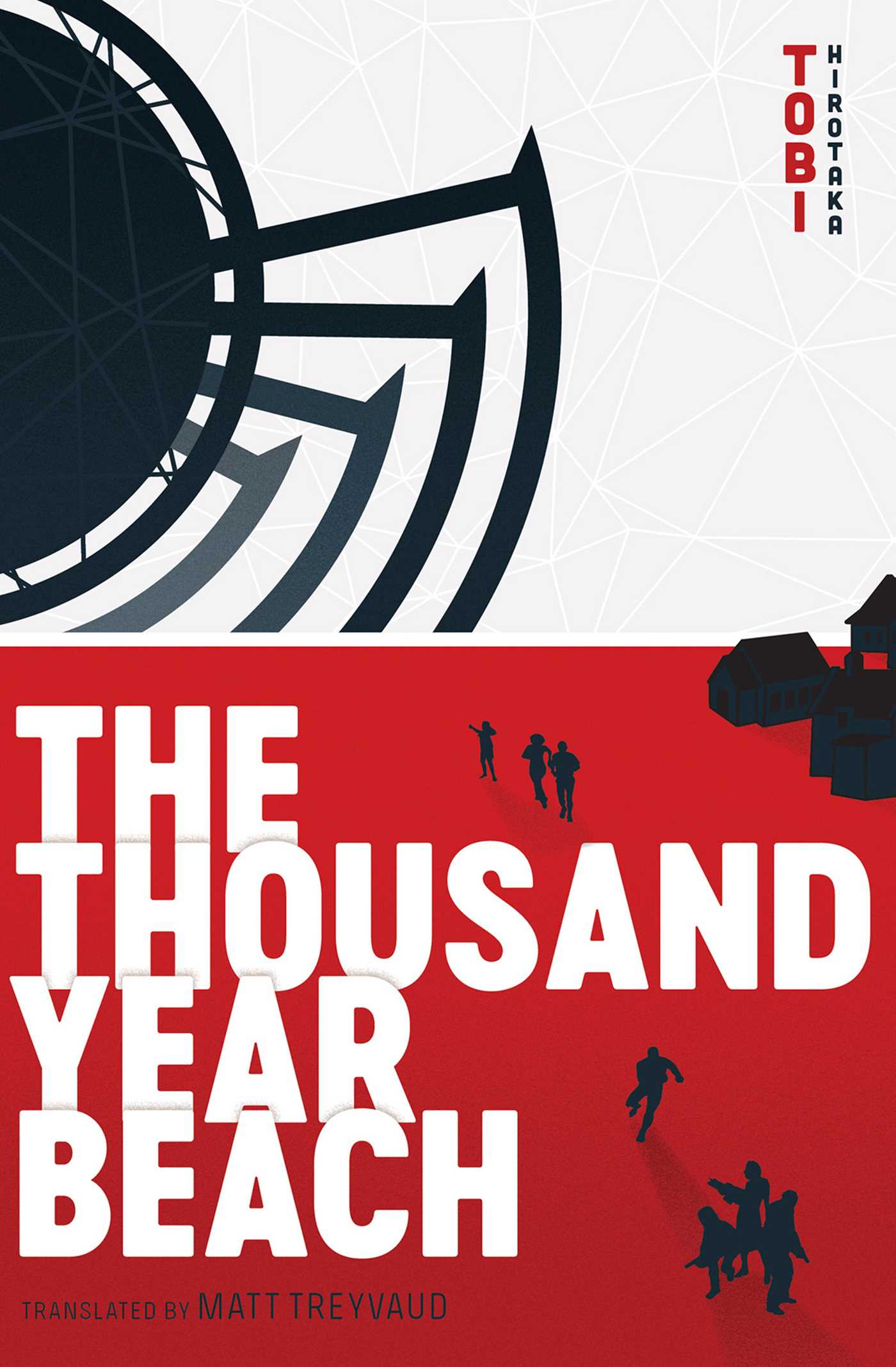
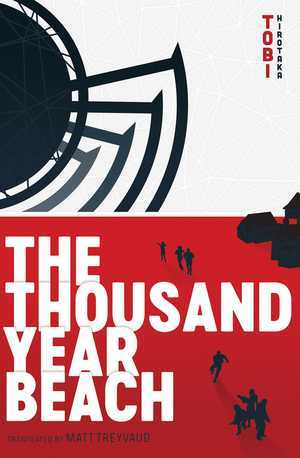
Future Treasures: The Thousand Year Beach by TOBI Hirotaka

Future Treasures: The Thousand Year Beach by TOBI Hirotaka

The Thousand Year Beach-smallJim Killen, the science fiction and fantasy book buyer for Barnes & Noble, shares his curated list of the month’s best science fiction & fantasy books at Tor.com and the Barnes & Noble Sci-Fi & Fantasy Blog.

There’s several things on his June list that caught my eye — starting with The Thousand Year Beach, by Tobi Hirotaka, a novel that contains virtual reality, a far future resort, and an apocalyptic battle between killer arachnids and a small band of artificial intelligences. It’s not your usual SF adventure, that’s for sure.

The Thousand Year Beach is book one of the Angel of the Ruins series. Here’s Jim’s take.

The first novel in translation from Japan’s Tobi Hirotaka, a three-time winner of the Seiun Award (often referred to as “the Japanese Hugo”). Costa del Número is a virtual resort, divided into several zones, including the Realm of Summer. Humanity used to find release and rest from a chaotic world among the artificial intelligences in the Realm, but no human has visited in a thousand years. The AIs there have continued to exist in their endless summer, however — until one day, an army of hungry spiders arrives and decimates the Realm in short order. As night falls, the few surviving AIs prepare for a final, hopeless battle against the invaders, uncertain of what’s happening in the real world beyond their virtual one.

Nick Mamatas (I Am Providence) is the editor of Tradebooks, Viz’s line of non-manga titles. His main focus is Haikasoru, a new imprint of Japanese science fiction, fantasy, and horror novels and stories in translation.

Nick tells us “The Thousand Year Beach presents an idyllic virtual world, still running long after having been abandoned by humans, that suddenly finds itself invaded by an impossible force.”

The Thousand Year Beach will be published by Haikasoru on June 19, 2018. It is 336 pages, priced at $16.99 in trade paperback and $9.99 for the digital edition. Read more details at The Outerhaven.
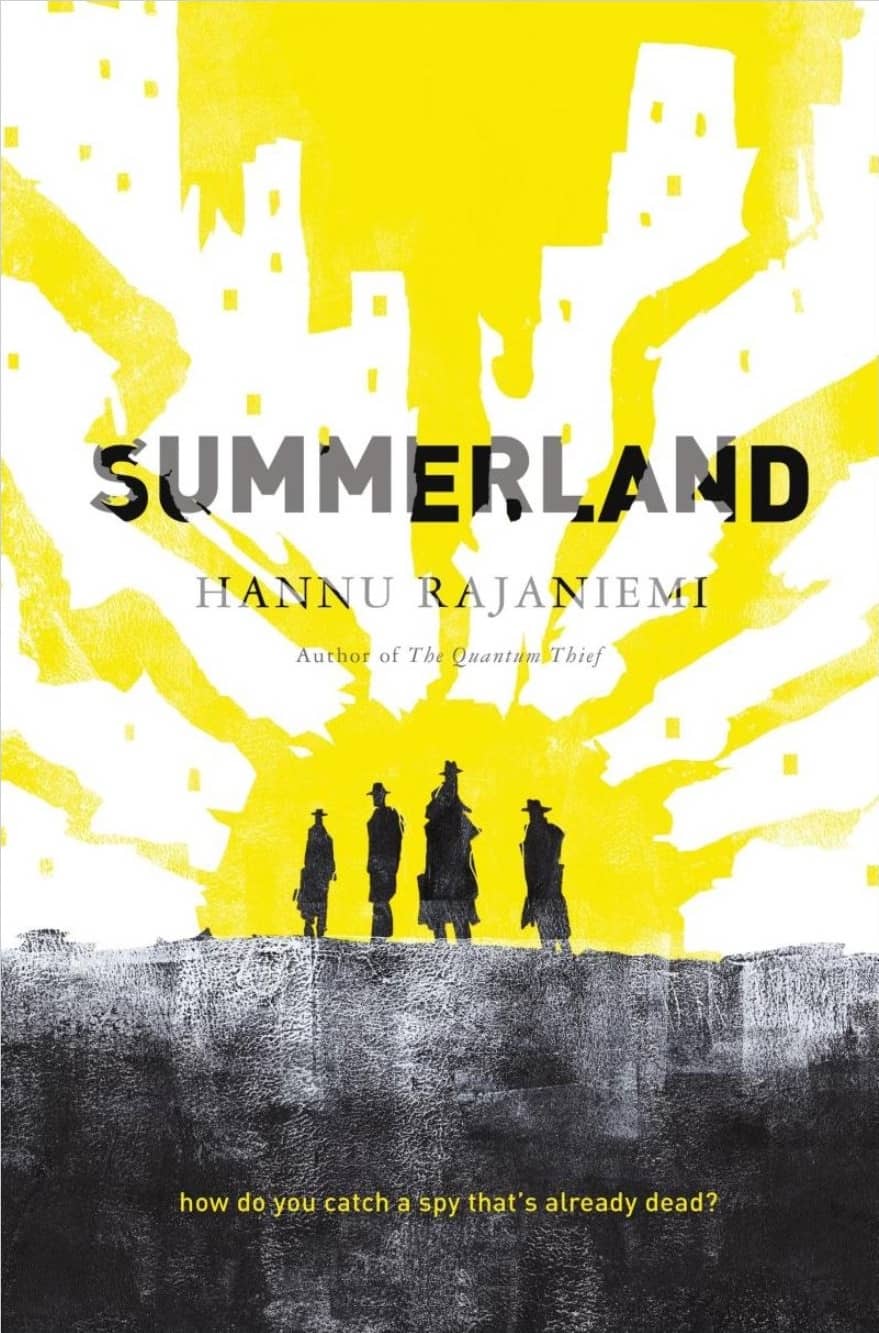
The Verge on 13 Enthralling Science Fiction and Fantasy Books You Need to Check Out This June

The Verge on 13 Enthralling Science Fiction and Fantasy Books You Need to Check Out This June

The Robots of Gotham McAulty-small The Book of M-small Summerland Hannu Rajaniemi-small

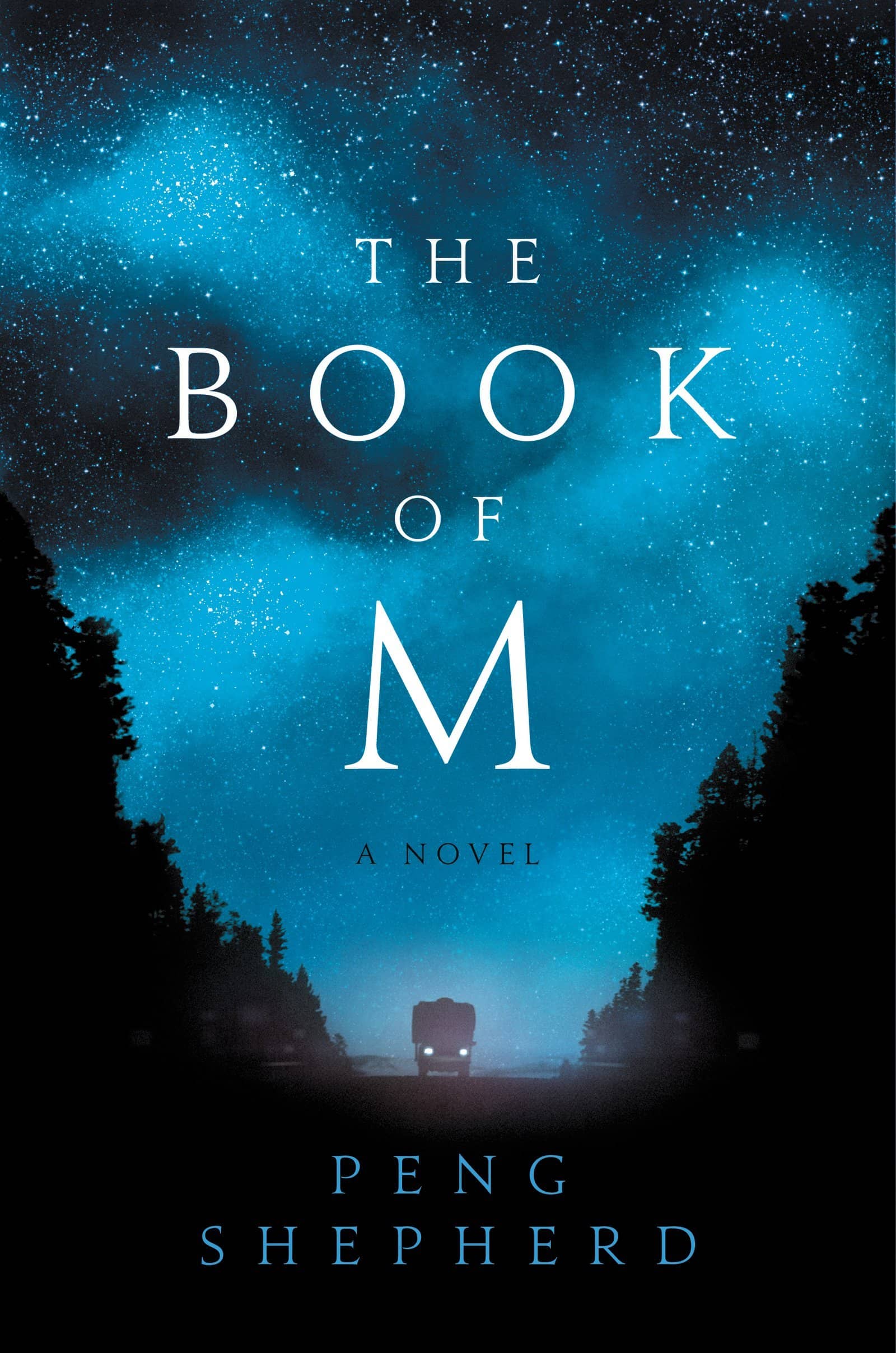
Andrew Liptak at The Verge has dipped into the thundering production pipelines at America’s publishing houses for the month of June, and returned with a secret list of the 13 very best science fiction and fantasy books — including novels by Paul Tremblay, Yoon Ha Lee, Peter Watts, Katie Williams, Alex White, Rob Boffard, Melissa F. Olson, and Black Gate‘s own Todd McAuty. Many bothans died to bring us this information. Use it wisely.

The Robots of Gotham by Todd McAulty (John Joseph Adams/Houghton Mifflin Harcourt, 676 pages, $26 in hardcover/$12.99 digital, June 19, 2018)

In this future, the United States waged — and lost — a war against a coalition of machines, and it’s now under robotic occupation. A businessman named Barry Simcoe meets a Russian medic working with the occupying armies after his hotel is attacked. Together, they learn of a plot to unleash a plague that could wipe out humanity once and for all. Publishers Weekly gave the book a starred review, saying that the book has a “breathless momentum,” and that McAulty “extrapolates a scary AI-overrun 2083 that’s only a few steps removed from today’s reality.”

Todd McAulty was the most popular writer in the print version of Black Gate. His stories included “There’s a Hole in October” in Black Gate 5, which Locus labeled “magnificent storytelling, begging expansion into a novel,” and Tangent Online called “one of my favorite stories so far this year.” It was reprinted this month in Lightspeed.

Read More Read More

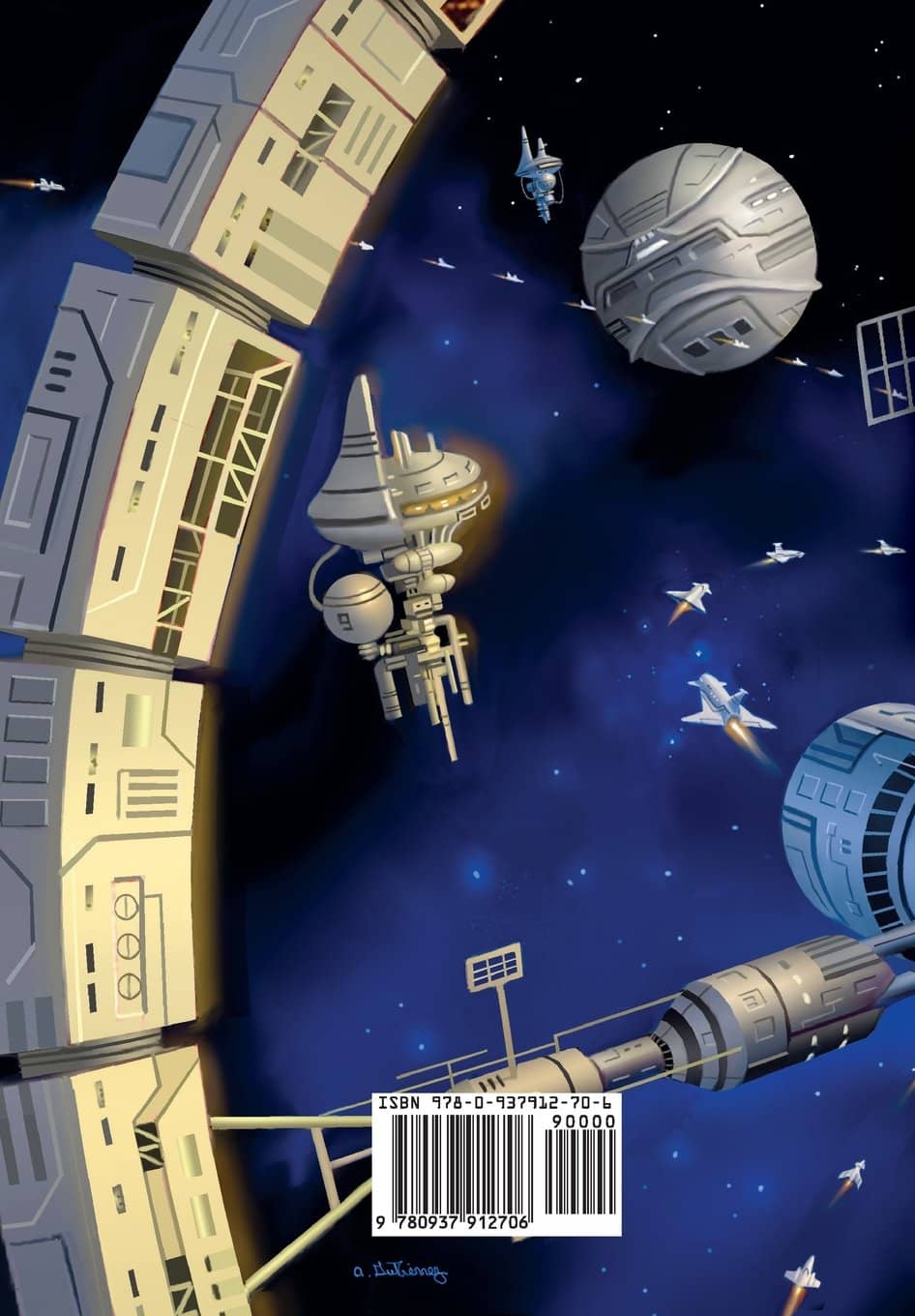
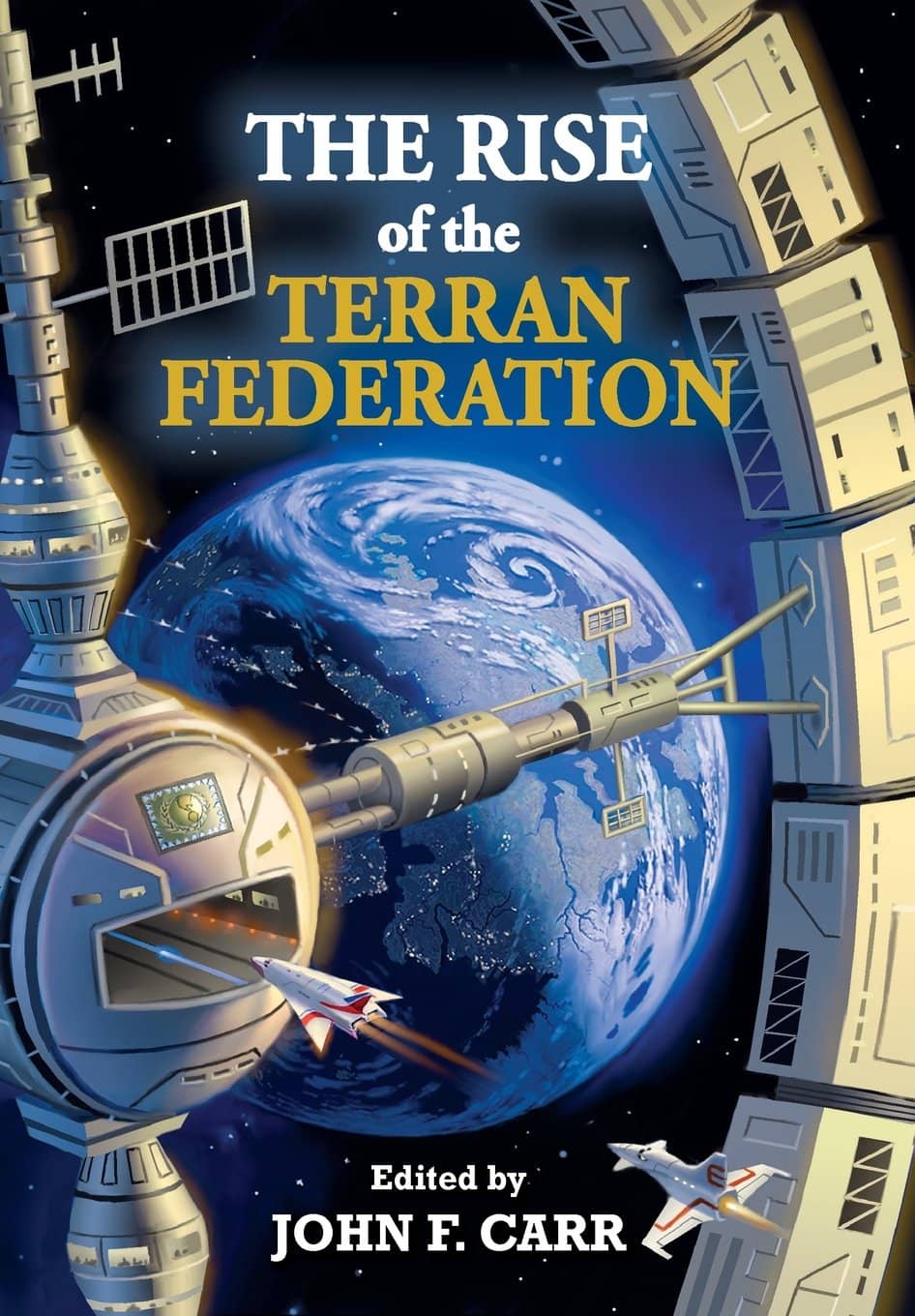
New Treasures: The Rise of the Terran Federation, edited by John F. Carr

New Treasures: The Rise of the Terran Federation, edited by John F. Carr

The Rise of the Terran Federation-back-small The Rise of the Terran Federation-small

H. Beam Piper was one of my earliest discoveries, and he quickly became one of my favorite SF writers. I snapped up every book with his name on it in the mid-70s, all Ace paperback editions with gorgeous Michael Whelan covers.

Piper committed suicide a few months after I was born, in November 1964. But his work has endured, and as recently as 2011 John Scalzi published Fuzzy Nation, a retelling of Piper’s most famous novel Little Fuzzy. Last year editor John F. Carr assembled an anthology of a handful of Piper’s Federation and Paratime Police tales, and invited Wolfgang Diehr, David Johnson, and Jonathan Crocker to contribute fiction set in Piper’s universe. He added a pair of essays by John A. Anderson, The Early History of the Terran Federation and Chartered Companies of the Terran Federation, and his own preface, The Terro-human Future History, and the result was The Rise of the Terran Federation, published in hardcover by Pequod Press. Here’s the description.

The Rise of the Terran Federation is new collection of new and old stories chronicling the rise of H. Beam Piper’s Terran Federation. With story introductions and essays on the establishment of the Federation, this book is the ultimate overview of the beginning of Piper’s crowning creation, the Terro-Human Future History. This collection will include some of Piper’s early Federation stories, like “Edge of the Knife” and Omnilingual.”

This collection also contains new stories about the aftermath of the Third and Fourth World Wars, the Thorans and life on Baldur. The Rise of the Terran Federation is an essential work for fans of Piper’s future history and his unique view of what lies ahead for mankind.

There are precious few SF writers whose work has endured five decades. Piper didn’t live long enough to see it, but his stories have entertained three generations of SF fans, and I expect them to still be in print 50 years from today.

Read More Read More

Visit a Post-Apocalyptic South in Christopher Rowe’s Telling the Map

Visit a Post-Apocalyptic South in Christopher Rowe’s Telling the Map

Telling the Map Christopher Rowe-small Telling the Map Christopher Rowe back-small

I use a lot of resources — blogs, reviews, online bookstores, and more — to help me identify the books I should pay attention to every month. Most of them focus on novels though, and more and more often I’m finding that podcasts are the most reliable way to discover everything else. Case in point: last week, while re-listening the Gary Wolfe and Jonathan Strahan’s 2017 end-of-the-year wrap-up for the Coode Street Podcast, I learned I’ve somehow overlooked Christopher Rowe’s Telling the Map, which both Gary and Jonathan selected as the best collection of the year. I ordered a copy immediately, and I hope to dig into it this week. Here’s what they said.

Gary Wolfe: These are terrific stories. It’s a kind of southern, post-apocalyptic south, a part of the country that we don’t see often represented often in fiction at all. They’re very interesting, subtle fictions, and there was a major new long story… I discovered things in it that I didn’t know about.

Jonathan Strahan: I think there were two great collections this year, absolute stone cold classics… My favorite collection of the year as well, because it seems like we are clones, is Telling the Map: Stories by Christoper Rowe from Small Beer. Rowe has a wonderful writing voice, this sort of southern Kentuckian kind of writing voice that he brings to his stories, and he has a very localized, community kind of storytelling. His stories are very intimate, and they deal with average-seeming people dealing with average-seeming experiences in extraordinary circumstances… The major new novella that’s in the book, “The Border State,” which is the sequel to “The Voluntary State,” is without a doubt one of the finest novellas of the year… I loved that book very much.

“The Voluntary State,” which appeared in Sci Fiction in May 2004, was nominated for the Sturgeon, Hugo, Locus, and Nebula awards for Best Novelette. Listen to the complete podcast — which is crammed with tons of great recs for best novel, novella, anthology, and non-fiction book of 2017 — here.

The Dread Lurking Beneath the Surface: The Planetfall Trilogy by Emma Newman

The Dread Lurking Beneath the Surface: The Planetfall Trilogy by Emma Newman

Planetfall Emma Newman-small After Atlas Emma Newman-small Before Mars Emma Newman-small

I read Emma Newman’s Tor.com novella Brother’s Ruin (March 2017) on a plane last year, and quite enjoyed it. It’s the tale of a young woman who uses her hidden — and considerable — powers to help her brother masquerade as a mage, in an alternate Victorian era Britain where the all-powerful Royal Society of the Esoteric Arts snaps up anyone with magical gifts. The setting was nicely thought-out and deserved a follow-up, and indeed there is at least one more novella (Weaver’s Lament, October 2017) in what’s now being called the Industrial Magic series.

All that has made me keenly interested in her science fiction trilogy, which began with Planetfall in 2015. The first book was nominated for the Locus Award for Best SF Novel, and The New York Times called it “Transcendent.” After Atlas (2016) was a Publishers Weekly Best Science Fiction/Fantasy Book of the Year, and was shortlisted for the Clarke Award. The third book, Before Mars, was published in April; the LA Times calls it “A psychological thriller wearing the cloak of a gripping sci-fi story.”

But what are they about? Mystery, murder, the power of myth, and more. Over at Tor.com Robert H. Bedford reviewed the first book, saying:

Planetfall is at once a fascinating character study through Ren’s first person narrative and a novel that examines how secrets, no matter how deeply buried they are, can be extremely damaging things… especially in a small colony in a seeming utopia. Ren spends much of her day as the colony’s printer, responsible for overseeing an advanced 3-D printer which is used to repair damaged items or create new items when necessary. Any items. Ren’s obsession with repairing things is a mask for trying to repair the damages left in the wake of Lee’s disappearance, and an attempt to bury her own guilt in the tragic events which transpired nearly two decades ago…

I was very much reminded of C.J. Cherryh, especially her first Foreigner novel… In other ways, I was reminded of Mary Doria Russell’s powerful novel The Sparrow, and its sequel Children of God, in the way that science and religion are at odds with each other and how they work together to drive parts of the plot.

Newman’s prose has a haunting effect that hints at dread lurking beneath the surface, waiting to rear its disturbing head. When this prose is conveyed through Ren’s voice it makes for a compulsive, powerful read that is difficult to set aside… Beautifully and heartbreakingly wrought, Planetfall is a genius novel that is far more than its exterior belies; a distressing, harrowing novel that left a deep mark on me. It isn’t an easy, cheerful read, but it is a captivating story that can be very aptly be described as a must read.

All three novels are still in print from Ace. Read Chapter One of Planetfall at Tor.com.