Browsed by
Category: New Treasures

One of the Most Richly Detailed Settings in Fantasy: The Maradaine Novels by Marshall Ryan Maresca

One of the Most Richly Detailed Settings in Fantasy: The Maradaine Novels by Marshall Ryan Maresca

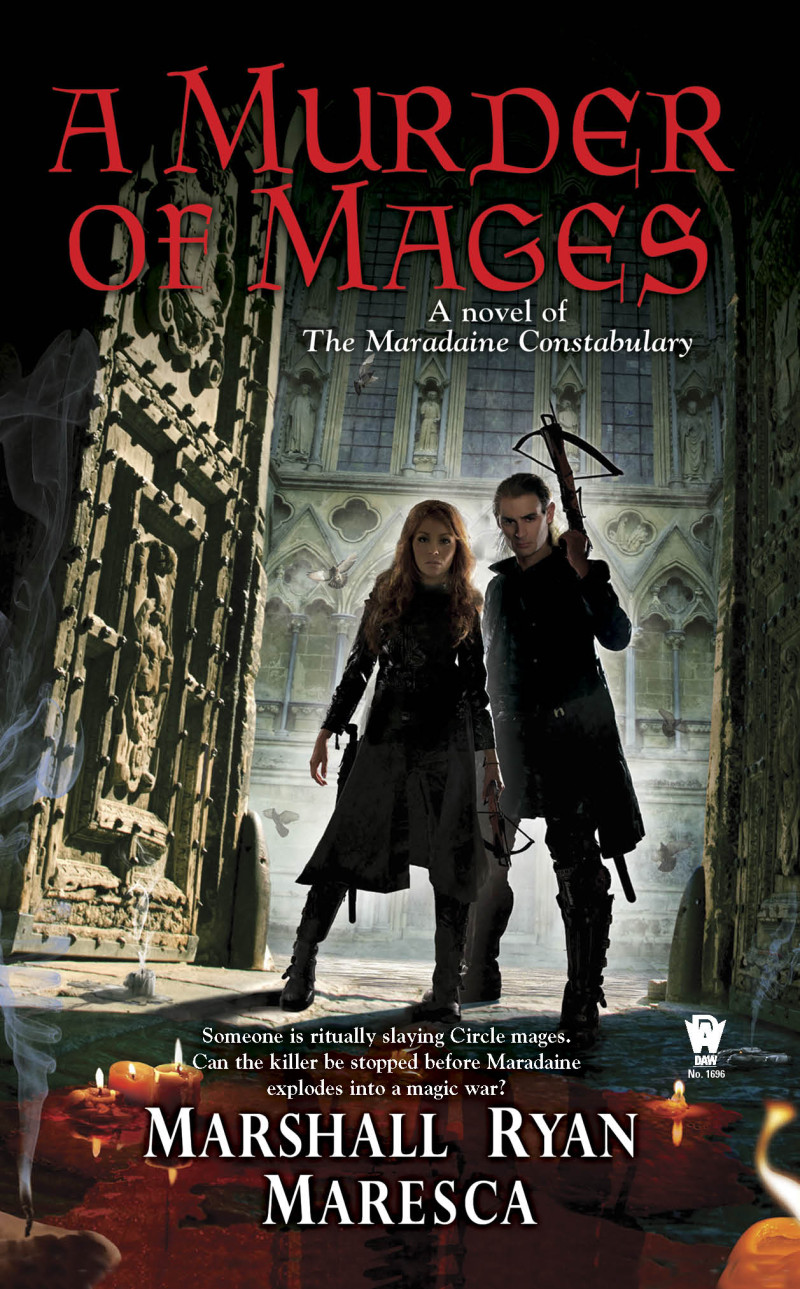
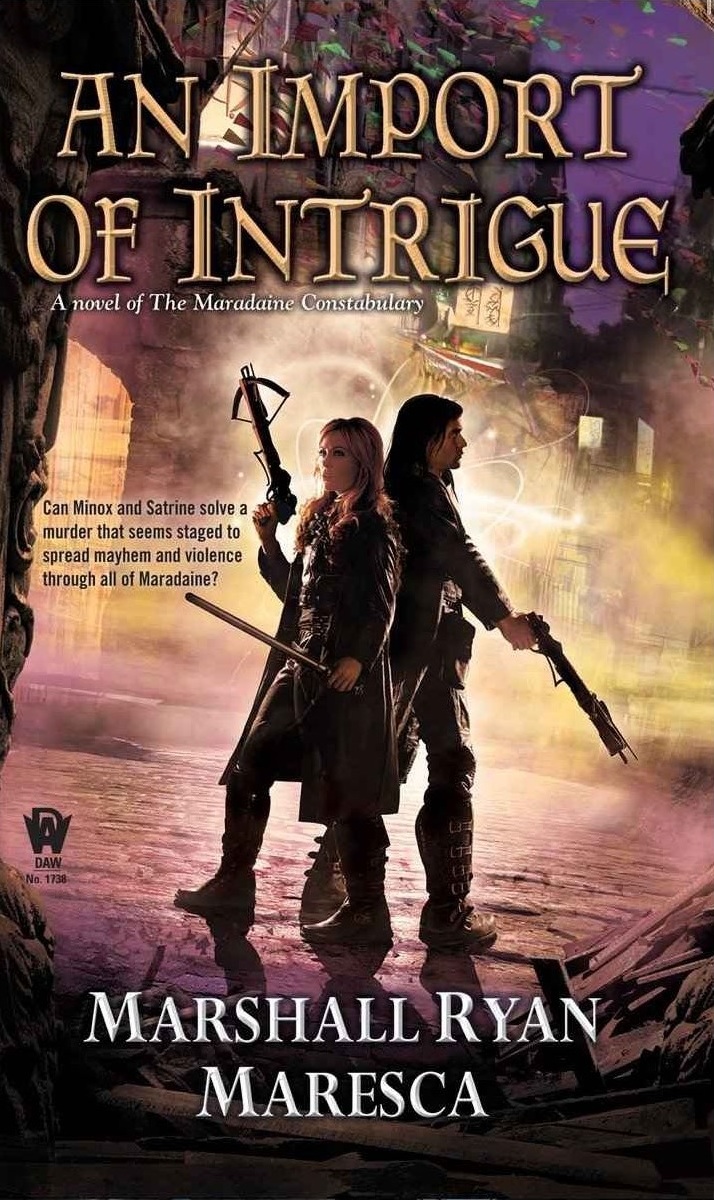
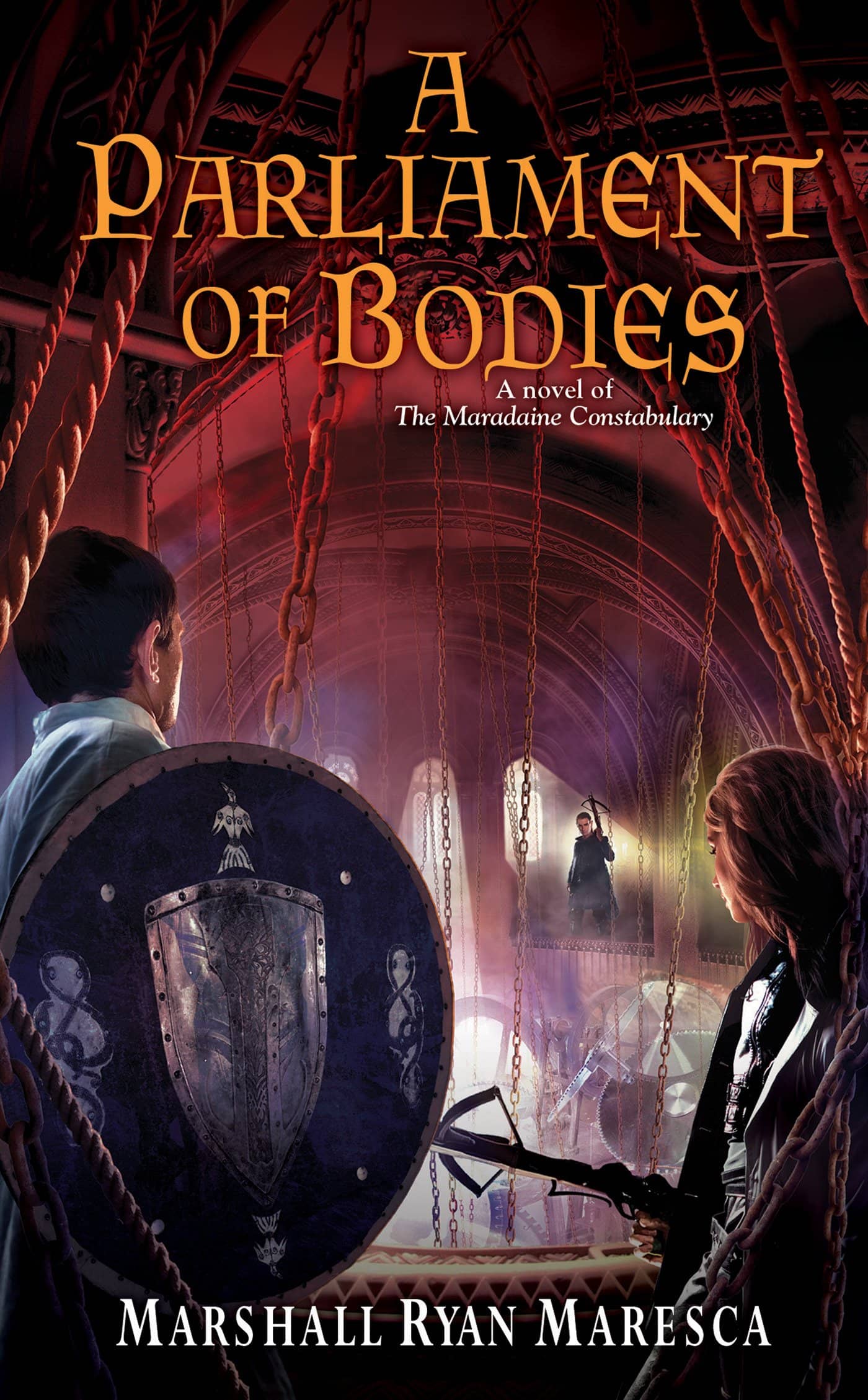
A Murder of Mages-small An Import of Intrigue-small A Parliament of Bodies-small

The Maradaine Constabulary trilogy by Marshall Ryan Maresca (DAW). Covers by Paul Young.

Marshall Ryan Maresca is one of the hardest working writers in fantasy.

It started in 2015 with his debut novel The Thorn of Dentonhill, which introduced Veranix Calbert, diligent college student by day and crime-fighting vigilante by night in the crime-ridden districts of the port city of Maradaine. The book was an unexpected hit, and was nominated for the Compton Crook award. I’ve quoted Library Journal‘s pithy review (“Veranix is Batman, if Batman were a teenager and magically talented”) a few times here, mostly because it’s the quote that first got my attention.

You’d expect a sequel or two to follow after that, but Maresca has delivered far more — he’s produced no less than eleven full novels set in what the Barnes & Noble Sci-fi and Fantasy Blog calls “One of the most richly detailed settings in fantasy… In one fast-paced, funny, highly readable novel after another, Maresca continues to build out every nook and alleyway of Maradaine.” All told the fast-growing Maradaine Universe has grown to three full trilogies, with a fourth underway.

While they share a setting, each series has a different focus and cast. The Maradaine trilogy follows the adventures of Veranix Calbert, struggling magic university student by day and armed vigilante by night; the Maradaine Constabulary books are gritty fantasy mysteries focused on Inspectors Satrine Rainey and Minox Welling in the city constabulary; The Streets of Maradaine are caper novels featuring Asti and Verci Rynax, former thieves attempting to go straight but dragged back into their old lives; and Maradaine Elite blends fantasy and political intrigue as it follows Dayne Heldrin and Jerinne Fendall, hopeful members of the Tarian Order.

Read More Read More

John DeNardo on the Best Science Fiction, Fantasy, and Horror Books for December

John DeNardo on the Best Science Fiction, Fantasy, and Horror Books for December

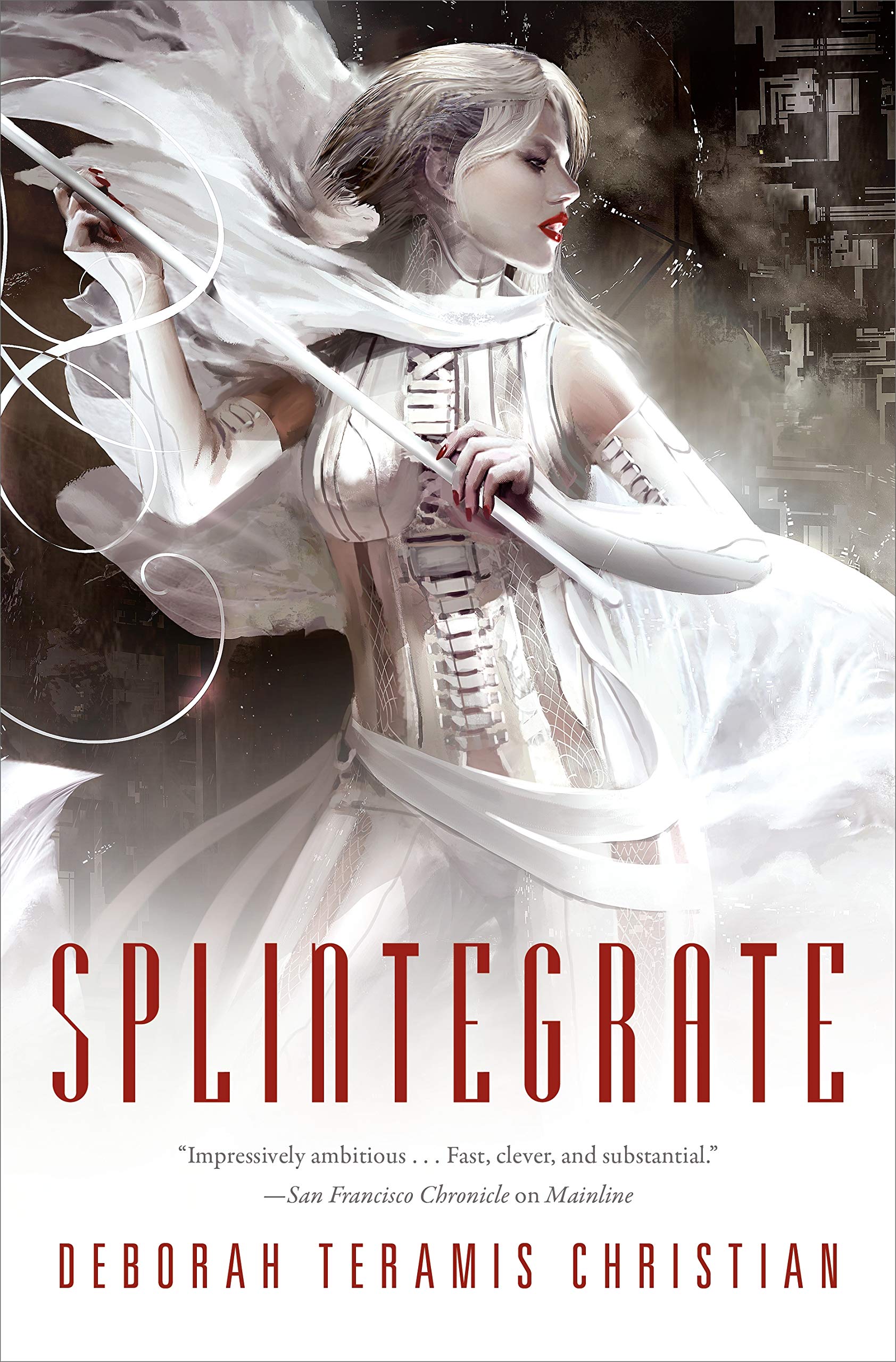
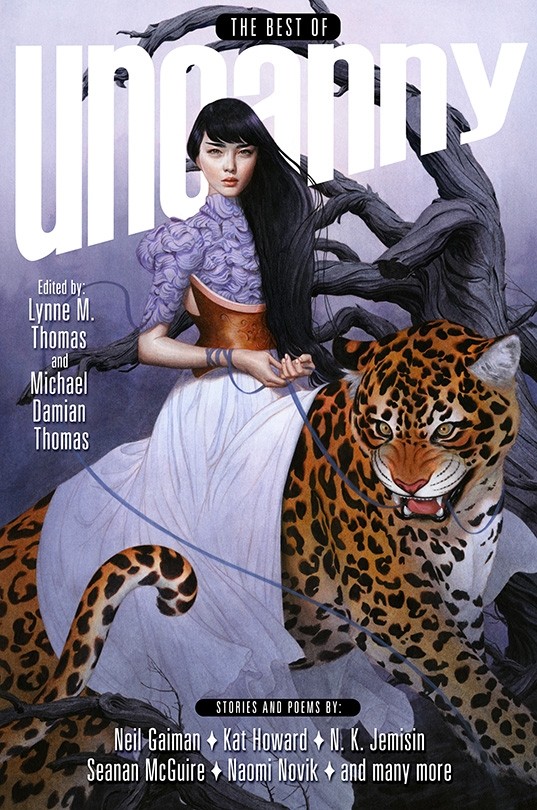
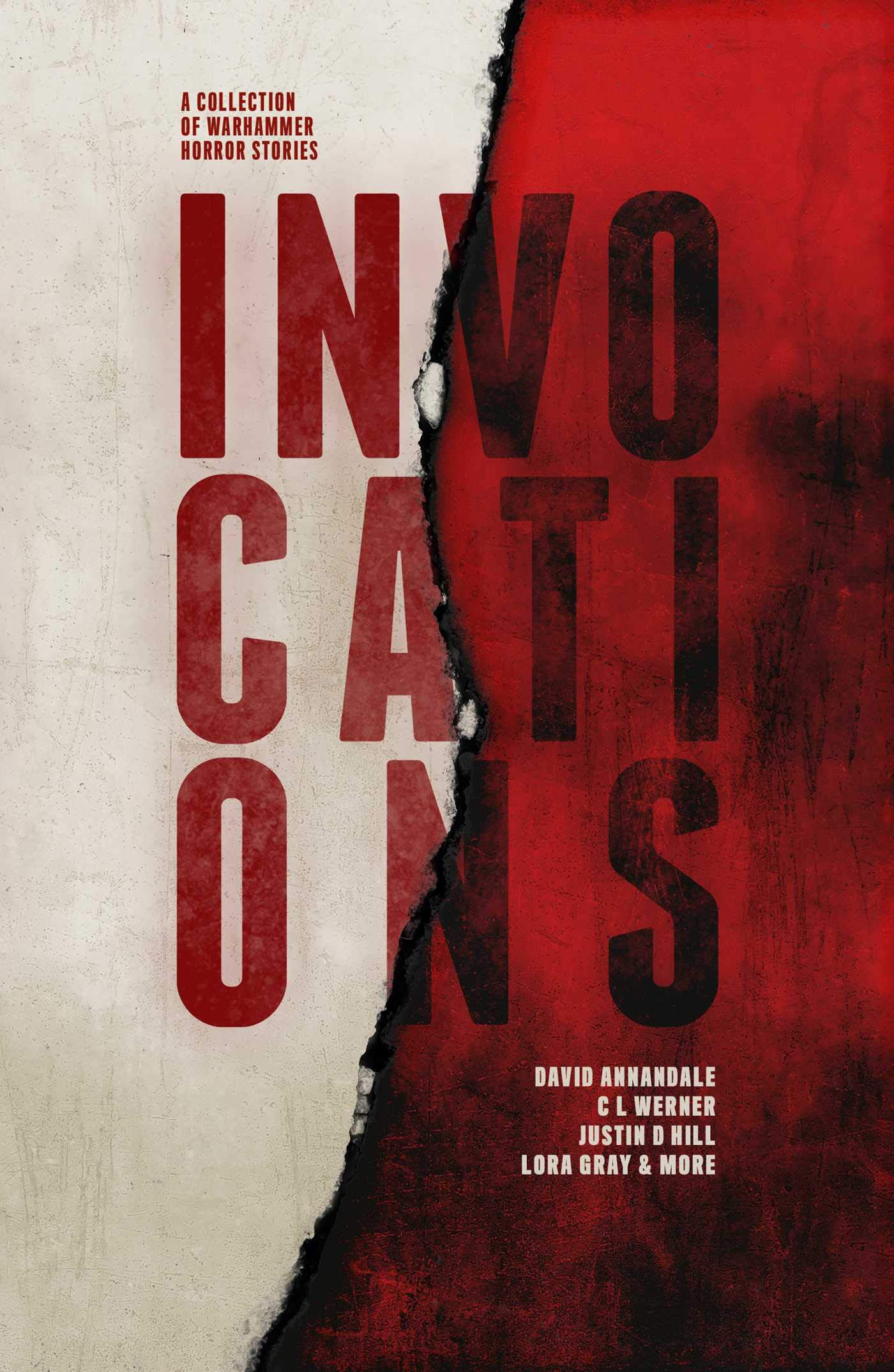
Splintegrate Deborah Teramis Christian-small The Best of Uncanny edited by Lynne M. Thomas-small Invocations Warhammer Horror-small

The Barnes & Noble Sci-Fi & Fantasy Blog, one of my favorite genre websites, essentially shut down on December 16th of this year, firing all freelancers and halting production of new content. They’ve left older content up, thankfully, so our many links to articles by Jeff Somers, Joel Cunningham, and others still work (for now). Like Penguin’s much-missed Unbound Worlds (formerly Suvudu), the B&N Sci-Fi Blog was an inventive and far-ranging publisher-funded genre site that never found a business model, or managed to consistently prove value to its owner in the rapidly-changing publishing industry. I’ll miss many things about the site, but most of all I’ll miss their monthly round-up of the best new SF and fantasy titles.

Fortunately we still have the tireless John DeNardo, who still does a top-notch round-up as part of his regular article series at Kirkus Reviews. This month John calls out new books by Deborah Teramis Christian, Lynne M. Thomas & Michael Damian Thomas, Jeff VanderMeer, Tomi Adeyemi, Rachel Atwood, Charles Soule, Joe R. Lansdale, and others. Here’s a few highlights.

Read More Read More

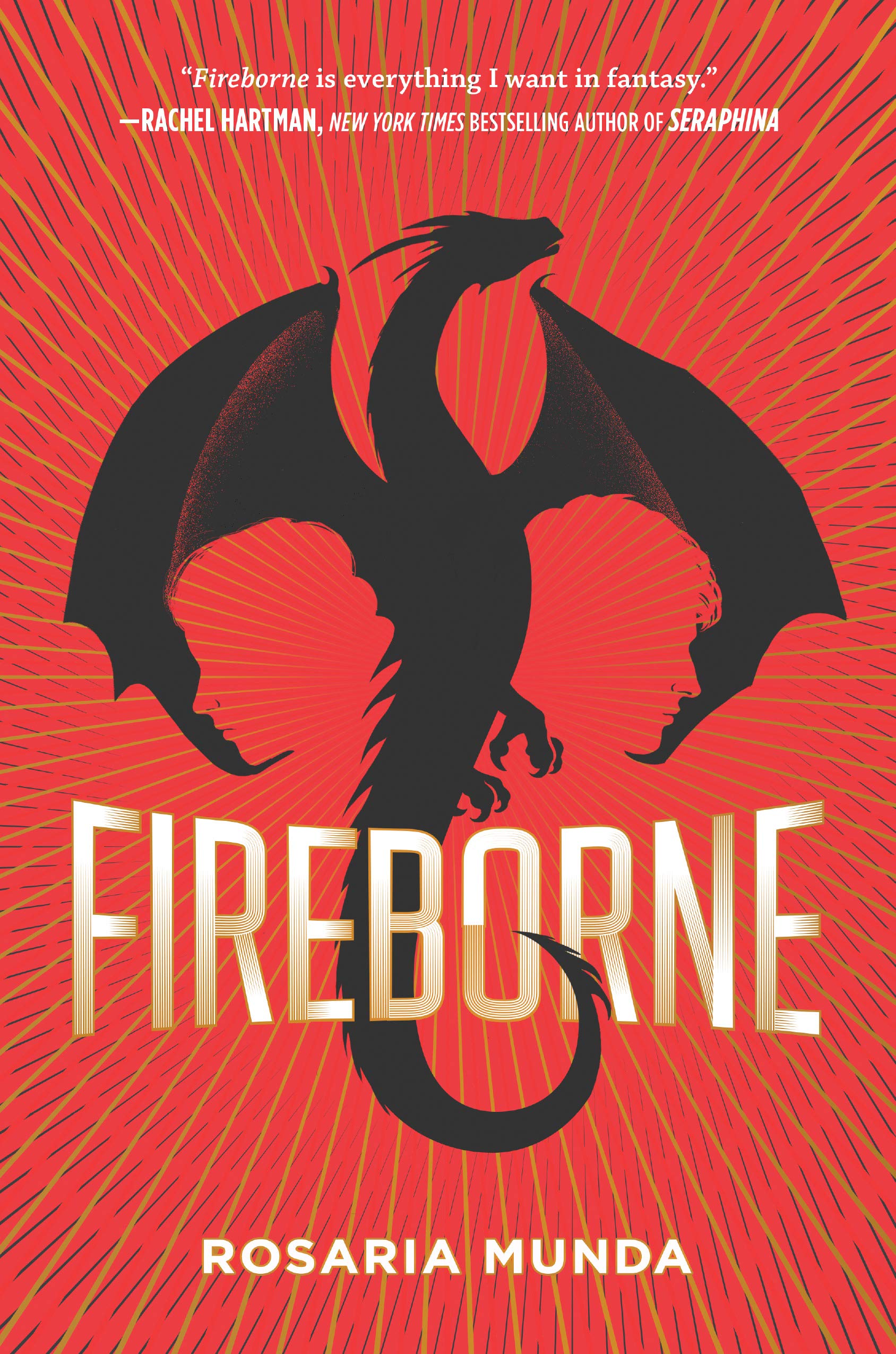
A Brainy Psychological Fantasy: Fireborne by Rosaria Munda

A Brainy Psychological Fantasy: Fireborne by Rosaria Munda

Fireborne-smallUpon successfully overthrowing the cruel dragonborn families, the leaders of the Revolution imprison their previous masters to await trial. But the oppressed population is hungry for revenge. Vigilantes overrun the building and start to exact their own bloody justice.

Atreus, the new realm’s First Protector, discovers one group still in the process of murdering the Drakarch of the Far Highlands’ family. Only the dragonlord himself and his youngest son, a boy of about seven or eight, are still alive when Atreus arrives.

The Drakarch begs Atreus to spare his son. Atreus murmurs an order to a guard, who takes the boy away. Then he slits the dragonlord’s throat.

Lee, the Drakarch’s son, becomes the only member of the dragonborn caste to survive the Revolution. He grows up in an orphanage in Cheapside, where he befriends another orphan, Annie. No one knows who he really is. Even the First Protector, his savior, appears to have forgotten him. He knows he must keep his identity secret, but at the same time, he thirsts to regain the exalted position that had once been his birthright. Stripped of his privileges, Lee must fight for his rank like everyone else.

Now a teenager, Lee stands on the brink of attaining his dream: to become Firstrider, the best dragonrider in the land and commander of the dragon fleet. He has aced the entrance exam, been chosen by a dragon, and gained recognition as an elite rider. Now he must compete against the other top riders to prove he’s the best. Perhaps it’s ironic that Lee rides to serve those who killed his family. But if he can become Firstrider, not only will he win back the power that his father lost, but also he will prove himself to have been worthy of his birthright all along.

Prevailing over his classmates is Lee’s greatest concern, that is, until he learns that he isn’t the last remaining member of the dragonborn, after all. His cousin, with whom he played as a child, contacts him in secret. She reveals that members of the other dragonborn families escaped and created a refuge in another land. They have their own dragons and riders. Now the time has come for them to retake their ancestral country, restoring the old order.

Lee must choose. Will he defend the life he’s made for himself under the new regime? Or will he help the dragonlords recapture the possibilities he had thought were dead?

Read More Read More

Sixty Years of Lunar Anthologies

Sixty Years of Lunar Anthologies

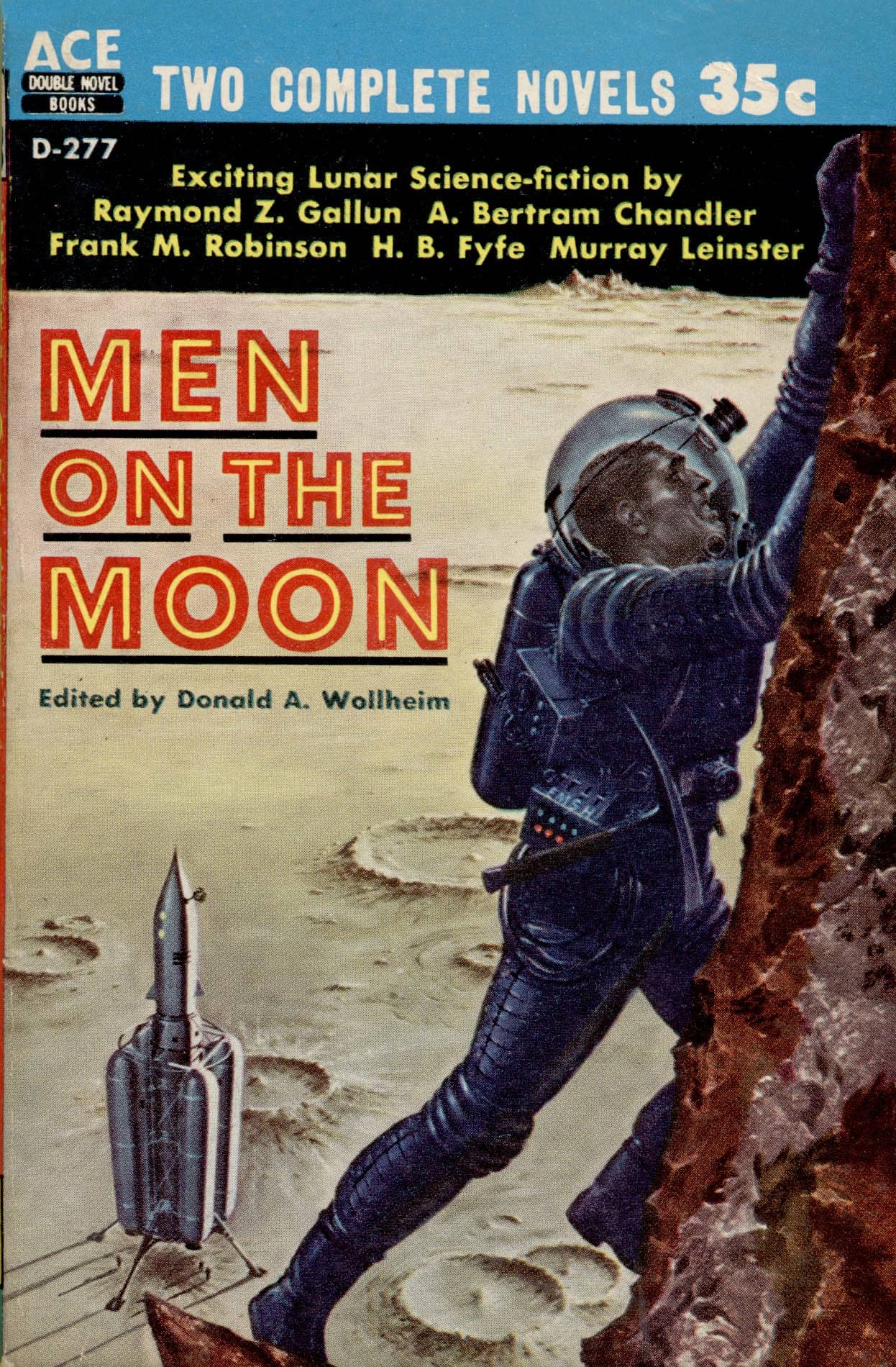
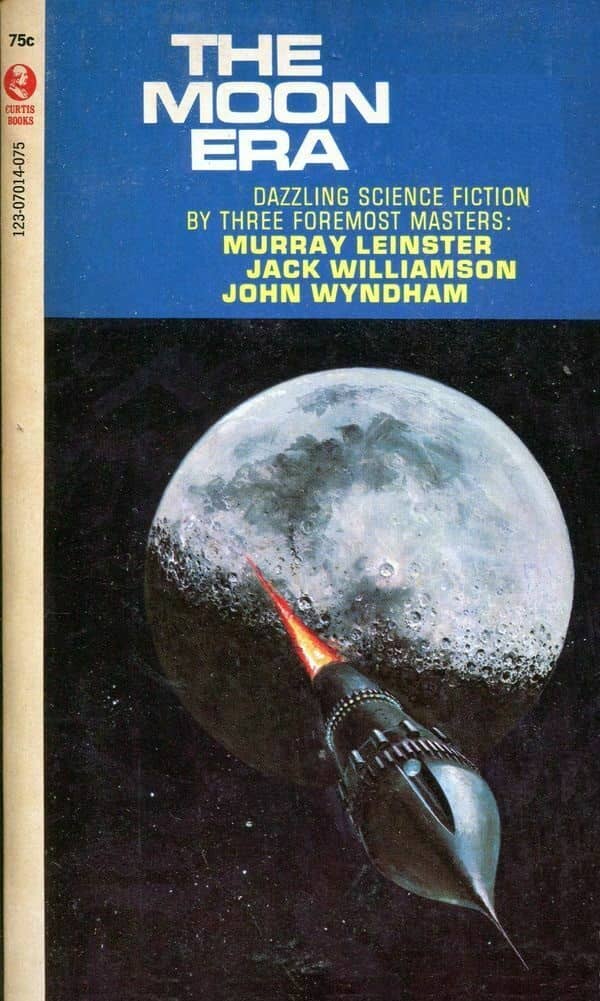
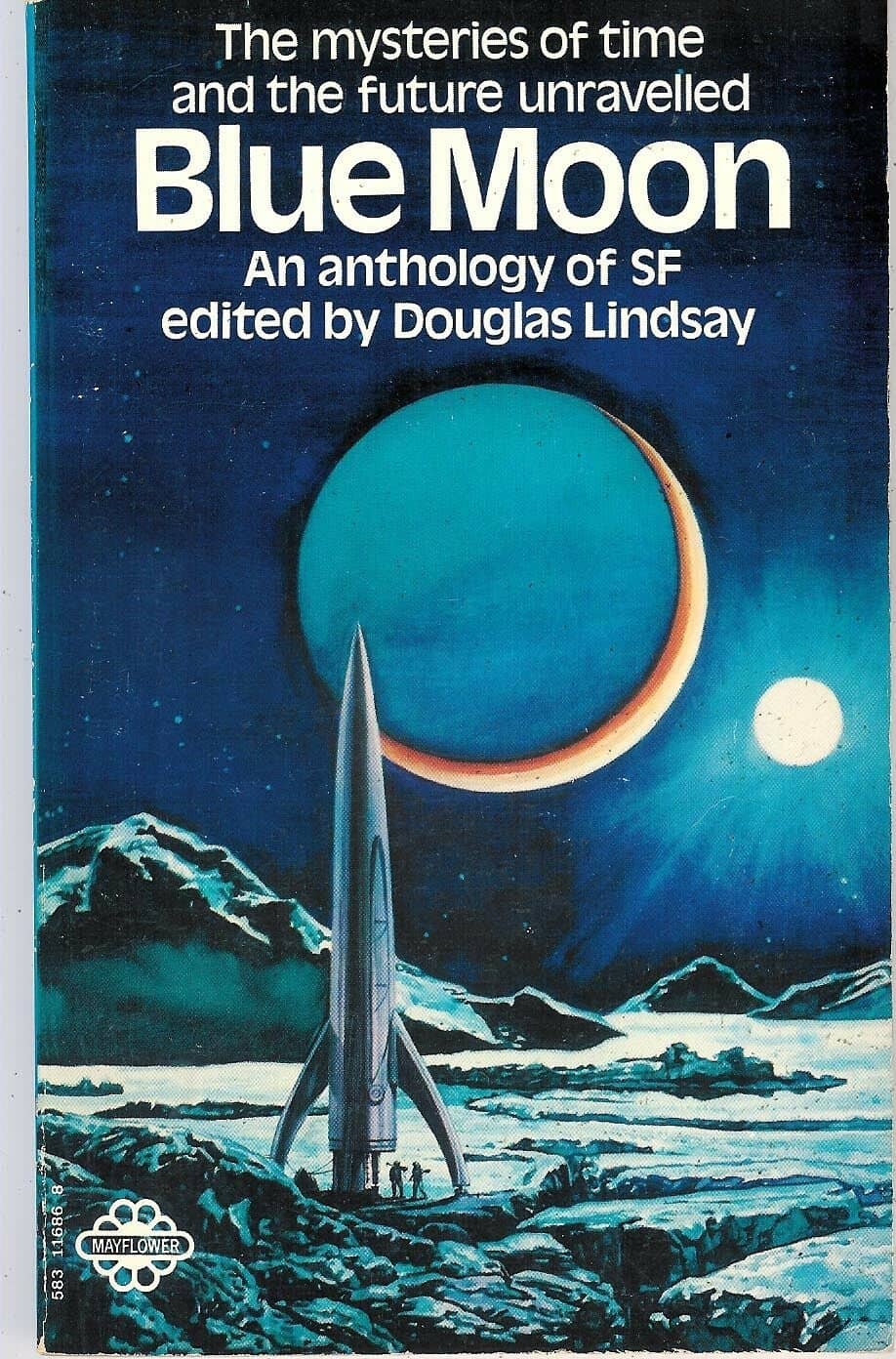
Men on the Moon-small The Moon Era-small Blue Moon-small

Men on the Moon (Ace, 1958, cover by Emsh), The Moon Era (Curtis Books, 1969), Blue Moon (Mayflower, 1970, Josh Kirby)

This past July was the 50th Anniversary of the Apollo 11 moon landing — a pretty major milestone in human civilization. A major milestone for science fiction fans as well, and we celebrated it in our own way. Most notably, Neil Clarke published The Eagle Has Landed: 50 Years of Lunar Science Fiction, a fat 570-page reprint anthology that I finally bought last week.

Neil’s book is the best moon-centered anthology I’ve ever seen, but it builds on a long history of classic SF volumes dating back at least six decades. While I was preparing a New Treasures article about it I kept going back to look at favorite moon books in my collection, and eventually I got the idea to craft a longer piece on half a dozen Lunar anthologies that all deserved a look.

I don’t mean to slight Neil’s excellent book, which we’ll dig into in detail. But if you’re like me and you can’t pick up a modern book about the moon without thinking of Donald A. Wollheim’s Ace Double Men on the Moon (from 1958), or Mike Ashley’s terrific Moonrise: The Golden Era of Lunar Adventures, then this article is for you.

Read More Read More

Epic Science Fiction with a Spectacular Toolbox: Silver by Linda Nagata

Epic Science Fiction with a Spectacular Toolbox: Silver by Linda Nagata

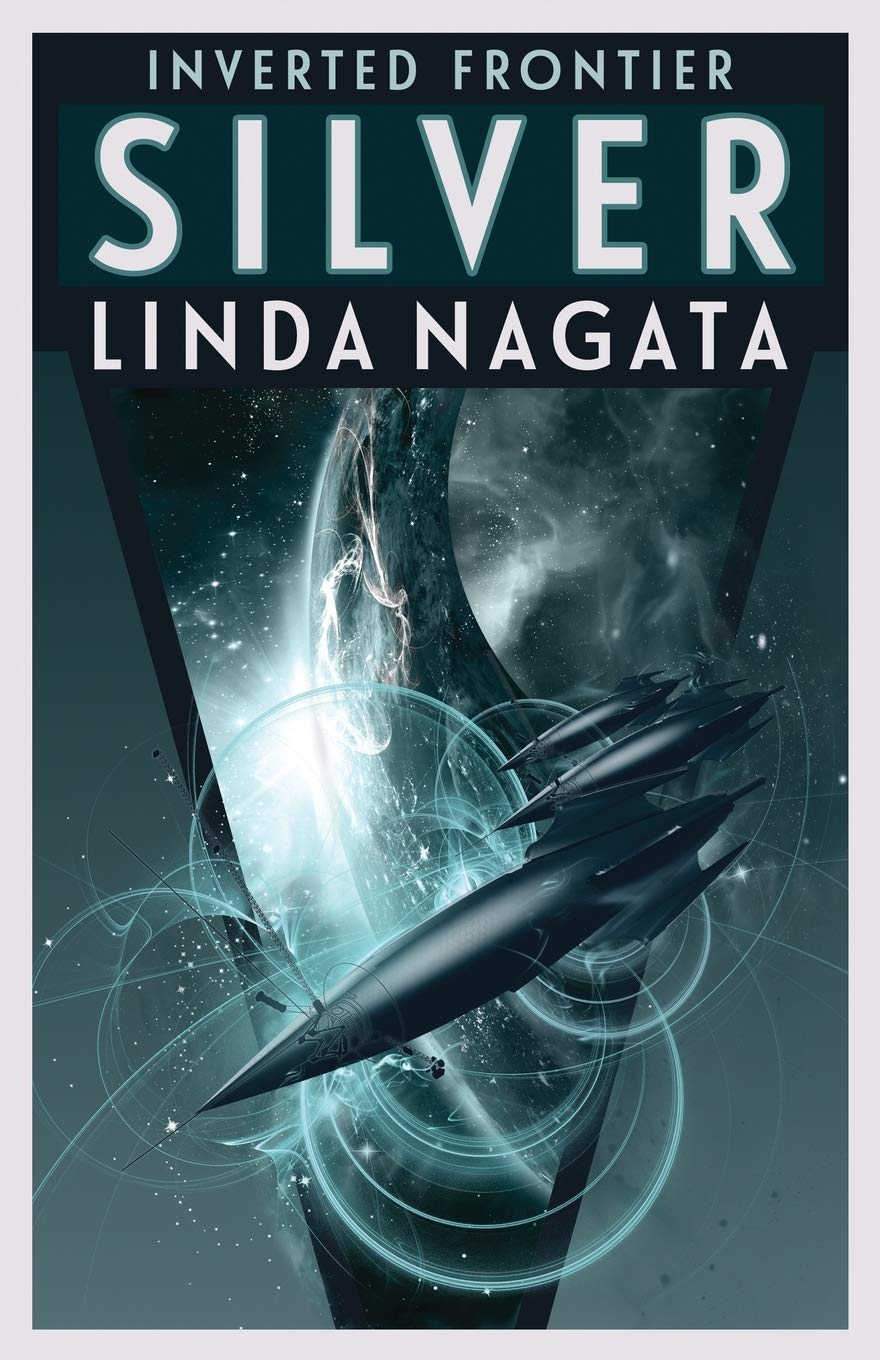
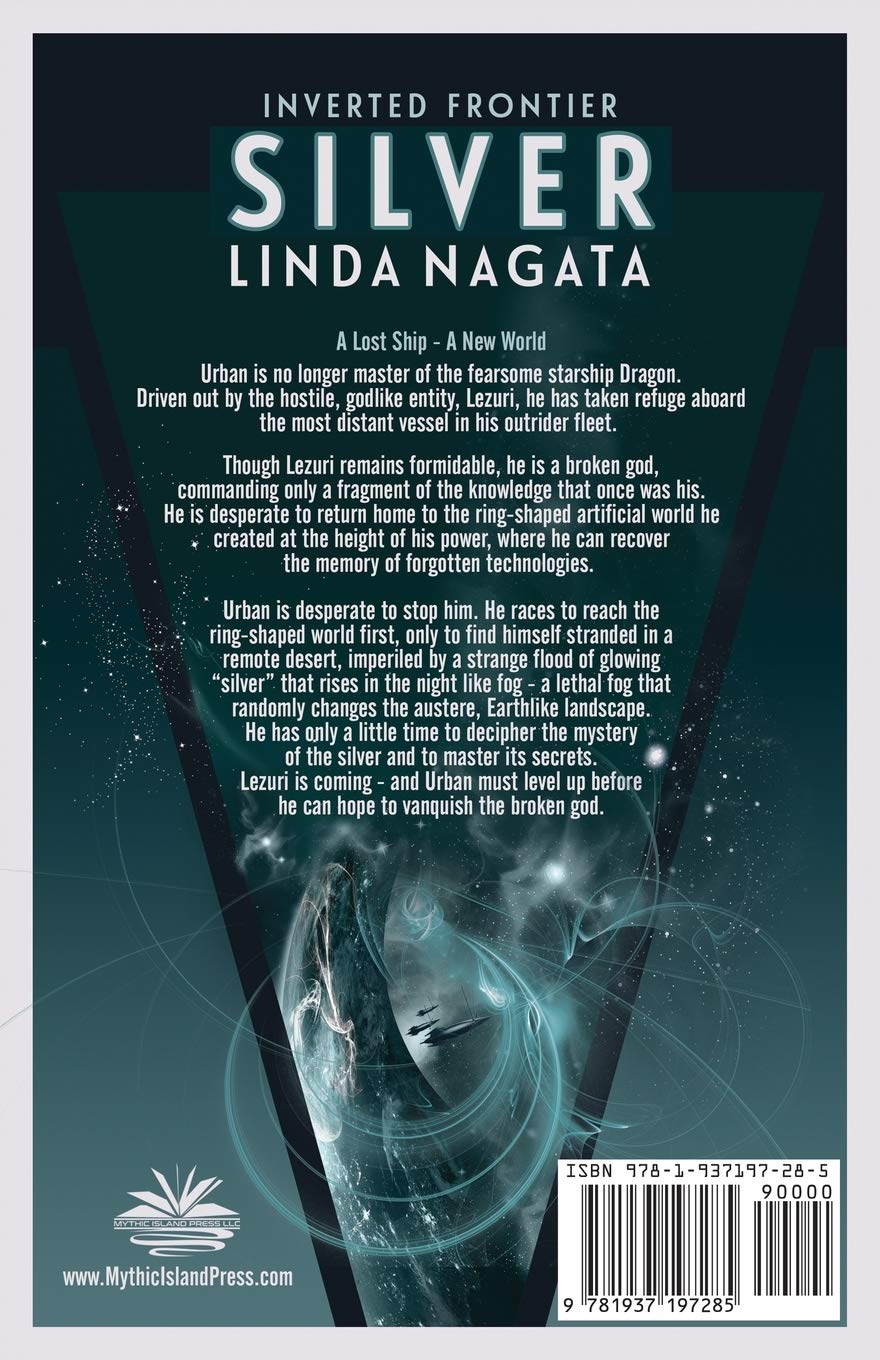
Silver Linda Nagata-small Silver Linda Nagata-back-small

Silver by Linda Nagata (Mythic Island Press, Nov 2019). Cover art by Sarah Anne Langton

Silver is the direct sequel to Edges, which is itself a continuation of Nagata’s Nanotech Succession series. In Edges, some of the heroes from Nagata’s earlier series decide to head back in from the frontier of human expansion in the Milky Way to the galactic region of Earth and its immediate environs. In this science fiction universe, the laws of physics are firm, and no one has figured out a way around the universal speed limit of light itself or the constraints of relativistic travel. This means distances and time spans are immense, and voyages are spread over centuries. It also means that as humanity spread itself into that emptiness, it became diffuse and attenuated and that the sharpest telescopes on the frontier give only clues but no answers about what has taken place in the intervening centuries on the cradle worlds of humanity.

Edges was the story of Urban’s ship and crew and what happened on their way home. As with most trips, things got complicated quickly. The expedition back to Earth ran afoul of an unwelcome passenger: Lezuri, a godlike intelligence that attempted to take over the ship and was only expelled at the apparent cost of Urban himself. Silver follows directly on the heels of this conflict. Urban has fled to a nearby world, to which Lezuri is bound as well. With limited resources, Urban has to find a way to both prepare for Lezuri’s eventual arrival and warn off his ship and crew, who assume he is dead.

Read More Read More

New Treasures: The Light of All That Falls, Book 3 of the Licanius Trilogy by James Islington

New Treasures: The Light of All That Falls, Book 3 of the Licanius Trilogy by James Islington

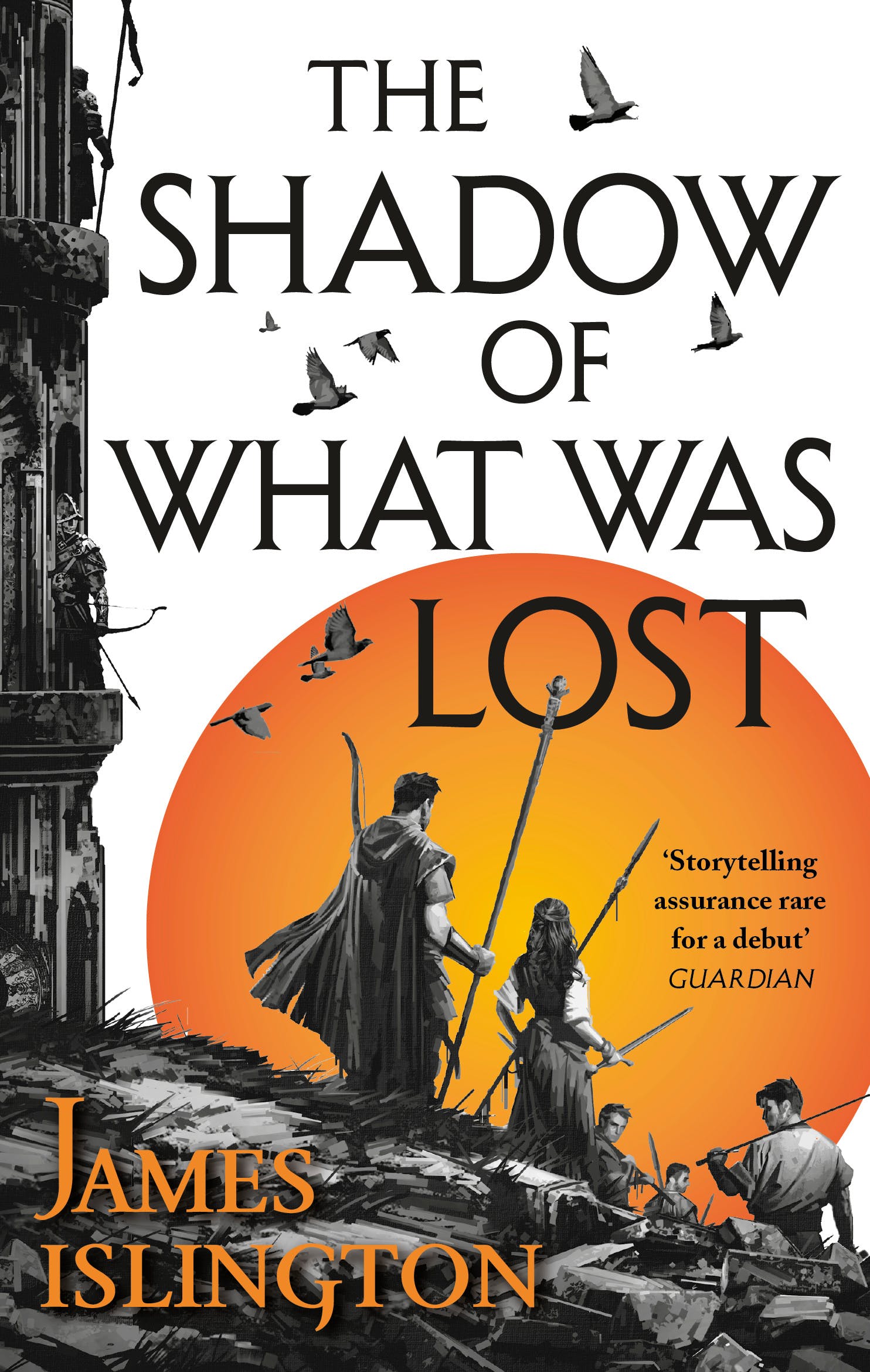
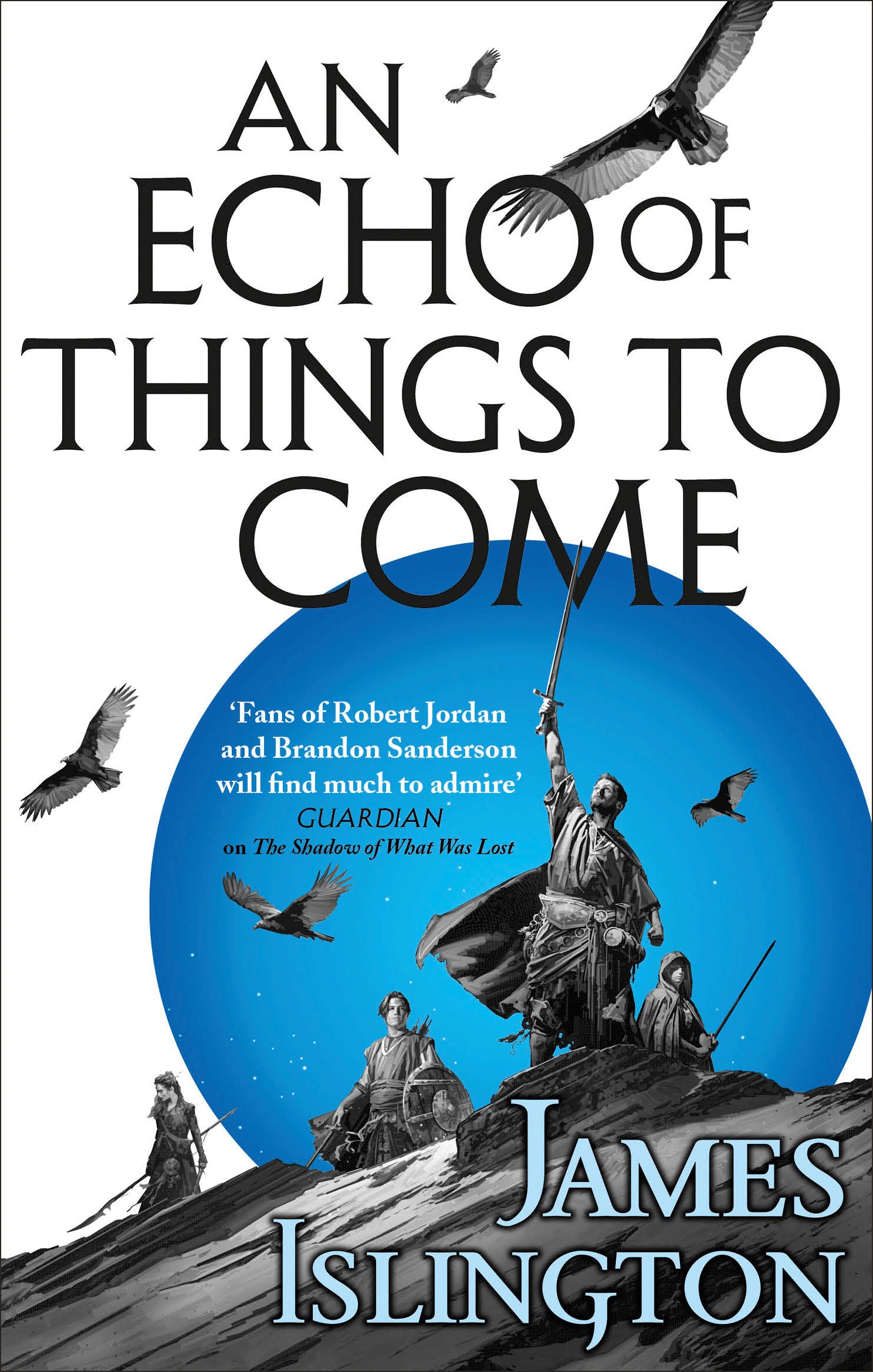
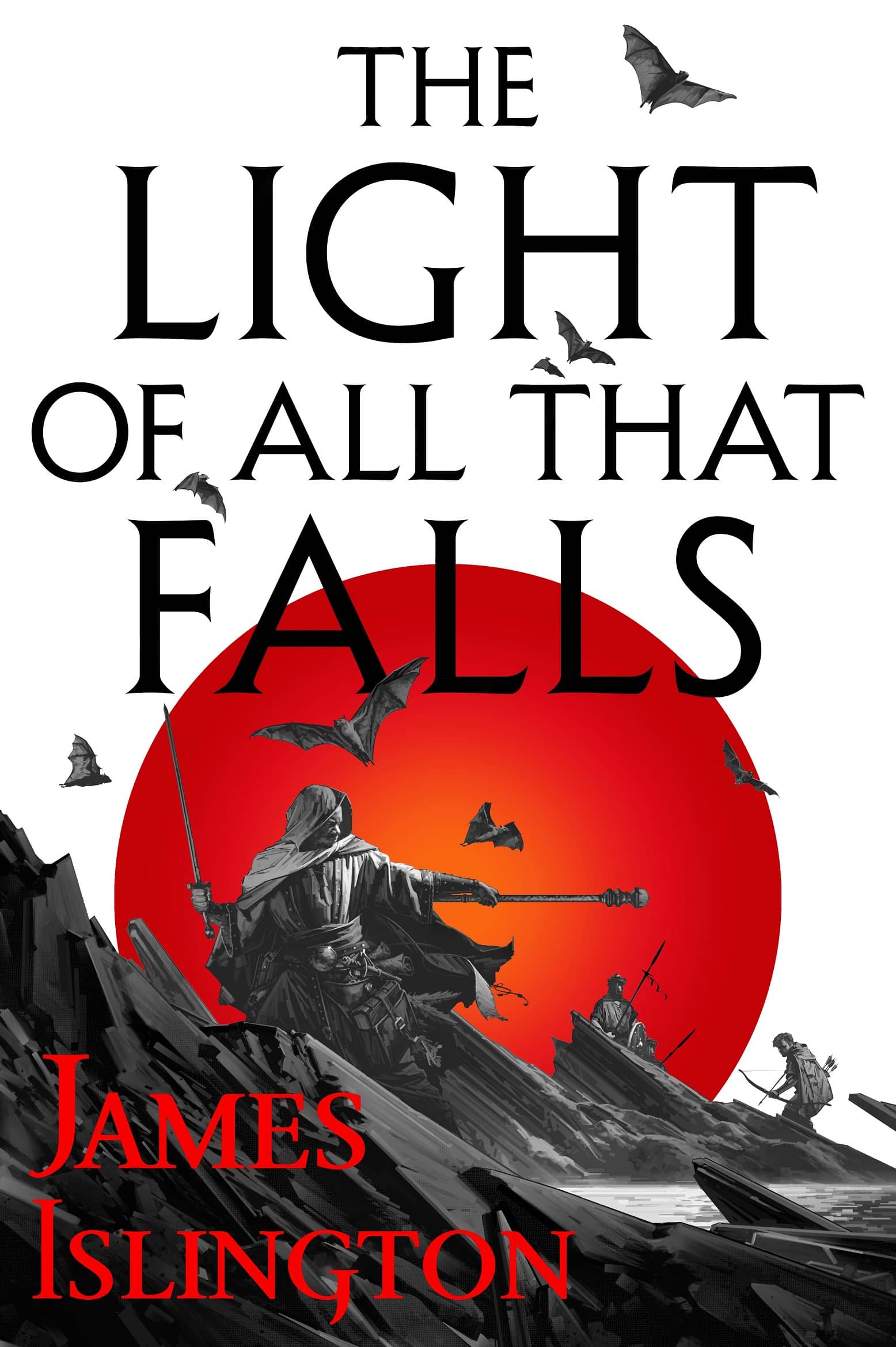
The-Shadow-of-What-Was-Lost-small An Echo of Things to Come-small The Light of All That Falls-small

Covers by Dominick Saponaro

Three long years ago, in November 2016, Jim Killen at the B&N Sci-Fi and Fantasy Blog shared his thoughts on The Best Science Fiction and Fantasy Books of the month. Based on his rec I purchased the debut novel by James Islington, The Shadow of What Was Lost, volume one of what was to become the Licanius Trilogy at some nebulous point in the future.

Low and behold, the future is here. The second book, An Echo of Things to Come, arrived in August 2017, and now the final volume, The Light of All That Falls, appeared on December 10. Just in time to keep me company over my long Christmas break! What did Killen say all those years ago that got me so interested? I had to go look it up this morning:

The Shadow of What Was Lost feels old-fashioned in the best of ways, molding familiar genre traditions into something wholly unique. In a world where the magical class has been overthrown, hunted, and subjugated, the struggle cannot simply be divided between magic and mundane or human and divine. The evil that encroaches Andarra, the center of the action, is neither simple, singly focused, or, for that matter, definitively evil. It’s been 20 years since the Unseen War, which overthrew the Augurs, powerful and portentous demigods. Those who once feared and obeyed the them rose up, wiping out the leaders and binding those with lesser magical abilities, the Gifted, to Four Tenets that restrict the use of their powers. Davian, a student of the Gifted, struggles to wield Essence, the magic that should sustain and flow through him with ease, but can “read” people to determine whether they’re telling the truth, a power that once belonged only to the Augurs. That’s a dangerous association for one raised in a world endlessly suspicious of those with abilities outside the norm. But as forces long thought defeated descend from the North, Devian’s quest to understand who he is and what he can do takes on greater urgency than he can comprehend.

Here’s the complete publishing details for all three.

Read More Read More

Celebrating a Decade of Excellence: Clarkesworld Year Ten, Volumes One & Two, edited by Neil Clarke and Sean Wallace

Celebrating a Decade of Excellence: Clarkesworld Year Ten, Volumes One & Two, edited by Neil Clarke and Sean Wallace

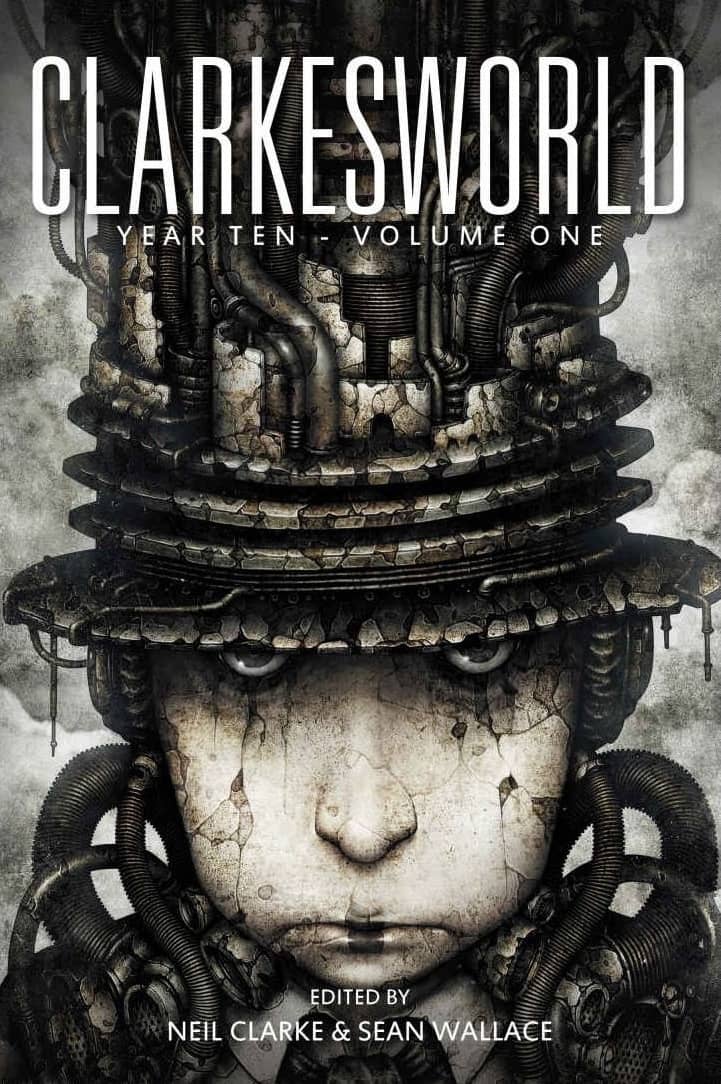
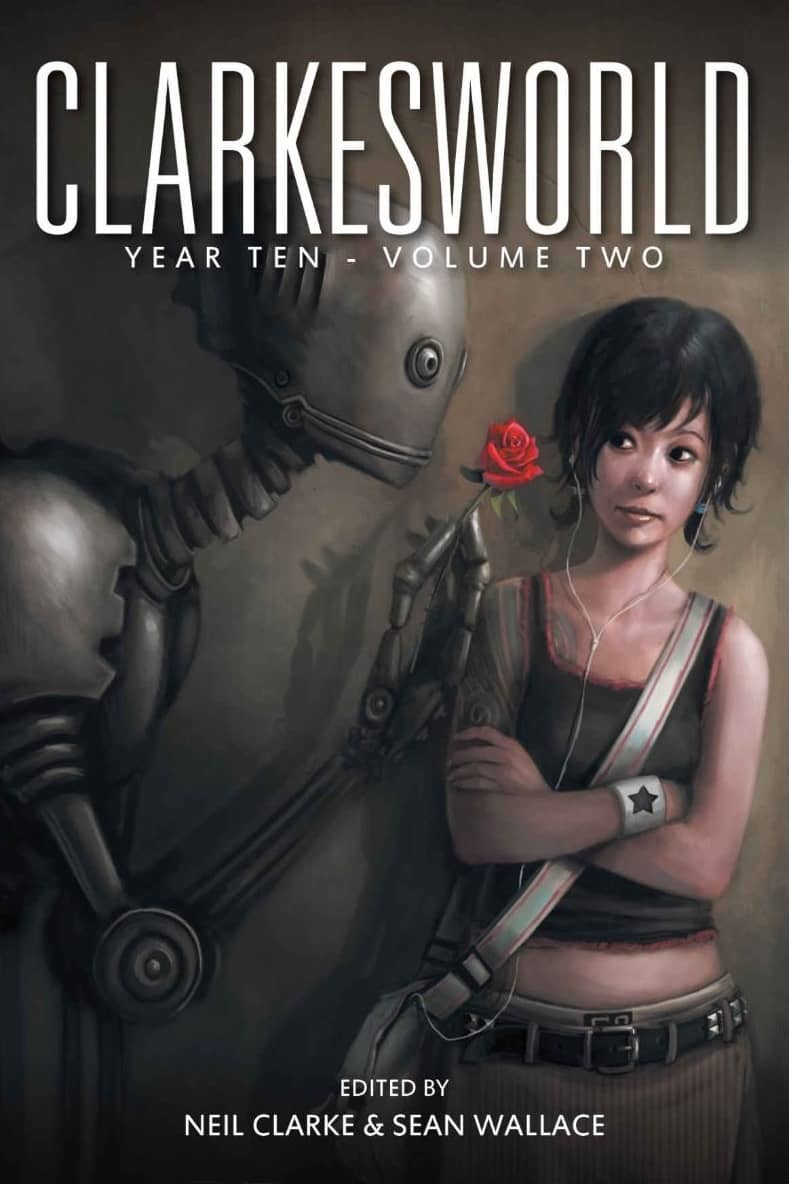
Clarkesworld Year Ten Volume One-small Clarkesworld Year Ten Volume Two-small

Covers by Shichigoro-Shingo and Rudy Faber

Clarkesworld editors Neil Clarke and Sean Wallace have had a busy year.

For one thing, they’ve published a full 12 issues of one of the most acclaimed science fiction magazines on the planet. For another, there’s all those conventions, nominations, and shiny awards to keep them occupied — including a Best Editor Hugo nomination for Neil, a Hugo nomination for Simone Heller’s “When We Were Starless” (Clarkesworld 145, October 2018), and a World Fantasy Award win for Kij Johnson’s novella “The Privilege of the Happy Ending” (Clarkesworld, Aug. 2018). On top of that, Neil was presented with the 2019 Kate Wilhelm Solstice Award for distinguished contributions to the science fiction community at the Nebula awards weekend in May, one more award to polish on his mantlepiece.

They also have their own projects — Sean edits the fine magazine The Dark and runs Prime Books, and Neil has produced a pair of anthologies this year, The Best Science Fiction of the Year: Volume Four and The Eagle Has Landed: 50 Years of Lunar Science Fiction.

But in addition to all of that, Neil and Sean are also keeping up a hectic pace of Clarkesworld annual anthology volumes — four in the past two months alone. Clarkesworld Year Ten, Volumes One & Two, containing a year’s worth of fabulous tales from 2015 & 2016, were published on October 3, 2019; Clarkesworld Year Ten, Volumes One & Two followed less than a month later, on November 1, 2019. I’m not sure how they do it, but someone should create an award for science fiction overachievement, and give it to both of them. If they can get either one of them to stop moving long enough to accept it.

Read More Read More

Cover Reveal: Carson of Venus: The Edge of All Worlds by Matt Betts

Cover Reveal: Carson of Venus: The Edge of All Worlds by Matt Betts

EntertheERBUlogo

Science fiction author Edgar Rice Burroughs, creator of Tarzan and John Carter of Mars, wrote four novels and a novella about former stuntman Carson Napier and his wayward adventures on the planet Venus (or Amtor, as it is known to its inhabitants). Now get ready to transport yourself into the Edgar Rice Burroughs Universe with the first new Carson of Venus novel to be published in more than fifty years: Carson of Venus: The Edge of All Worlds by Matt Betts.

The Edge of All Worlds releases Spring 2020 from Edgar Rice Burroughs, Inc., and launches the canonical ERB Universe series of interconnected novels.

Stranded on the planet Amtor for nearly two decades, Earthman Carson Napier returns from his latest adventure to discover a mysterious enemy has struck his adopted nation of Korva and reduced one of its cities to ash and cinders. The trail of the mysterious threat leads Carson and his love Duare through dark cyclopean corridors deep beneath Amtor to a distant land, where they must confront both a powerful new alien species and the shadows of Carson’s past.

I’m pleased to present the exclusive cover reveal for Carson of Venus: The Edge of All Worlds, featuring the artwork of the amazing Chris Peuler.

Read More Read More

New Treasures: The Spider Dance by Nick Setchfield

New Treasures: The Spider Dance by Nick Setchfield

The War in the Dark-small-min The Spider Dance-small-min

Last year I wrote a brief New Treasures piece on Nick Setchfield’s debut novel The War in the Dark, and made a note to keep an eye out for the sequel. The Spider Dance finally arrived in September, and in October Nick gave this enticing summary in an interview with Starburst Magazine.

It’s the next adventure for supernaturally-inclined British Intelligence agent Christopher Winter. This time he’s mixed up with the stolen hearts of the undead, unholy criminal empires and a contract for a kill that demands a very strange bullet indeed. It’s a quest that spans the stranger corners of London, Budapest, Venice, Normandy, and Naples and the map certainly gets spattered with blood along the way.

[It’s] The Day of the Jackal – with vampires…. I wanted to refresh the vampire myth. Keep the essential glamour and horror of the creature but create a breed of vampire that would slot into a ‘60s-set spy thriller.

That certainly sound like something I need. But is it any good? Last week Ginger Nuts of Horror gave it a rave review, saying in part:

The Spider Dance is the direct sequel to his excellent 2017 novel The War in the Dark , a perfect genre blend of spies, monsters, magic and derring-do… In Nick Setchfield’s previous novel, he laid out the groundwork for a well constructed and believable alternative history where magic and the occult coexist in an otherwise reasonably realistic representation of our world…

It’s going to become cliched and, but you can’t review this book without mentioning James Bond, after all the simplest way to describe this book is James Bond meets the occult…

The mashing up of genres is pitch perfect… However it [is] his portrayal of a classic horror monster that shines in this book… Setchfield has created an exciting and extraordinary version of the creature that has sadly over the years been unfairly represented in fiction.

The Spider Dance was published by Titan Books on September 3, 2019. It is 352 pages, priced at $14.95 in trade paperback and $9.99 in digital formats. See all our recent New Treasures here.

New Treasures: Of Wars, and Memories, and Starlight by Aliette de Bodard

New Treasures: Of Wars, and Memories, and Starlight by Aliette de Bodard

Of Wars and Memories and Starlight-small Of Wars and Memories and Starlight-back-small

Cover by Maurizio Manzieri

I met Aliette de Bodard at the Nebulas weekend in 2015, on the way to a party in the Palmer House hotel, and we ended up chatting for about 20 minutes. She was charming, articulate, humble, and a very stylish dresser. And you know, that’s just not a combo you see very often, especially at a science fiction convention.

Anyway, she’s also won, like, ALL THE AWARDS. Her Universe of Xuya series may be the most honored SF story cycle of the last decade, with numerous Hugo, Nebula, Locus, and BSFA nominations and wins. John Clute’s entry for Aliette in the Encyclopedia of Science Fiction reads in part:

Mostly comprising shorter works, the Universe of Xuya sequence – beginning with “The Lost Xuyan Bride” (December 2007 Interzone) and including On a Red Station, Drifting (2012), a short novel – is an Alternate History series in which China settles North America from the west, with complex consequences for earlier settlers like the Aztecs; some stories are set in space…

The Tea Master and the Detective… in the loose Xuya Universe sequence, is a Space Opera whose protagonists – Holmes and her shipmind Watson – are both female; it won a Nebula as best novelette.

Subterranean Press issued her first major collection on September 30 of this year. Of Wars, and Memories, and Starlight contains 14 tales, including many award winners: 11 Xuya stories, a novelette in her acclaimed Dominion of the Fallen fantasy series, and an original novella, “Of Birthdays, and Fungus, and Kindness.”

Read More Read More