Browsed by
Category: Books

A Detective With the Mind of a Criminal: The Casefiles of Mr. J G Reeder, by Edgar Wallace
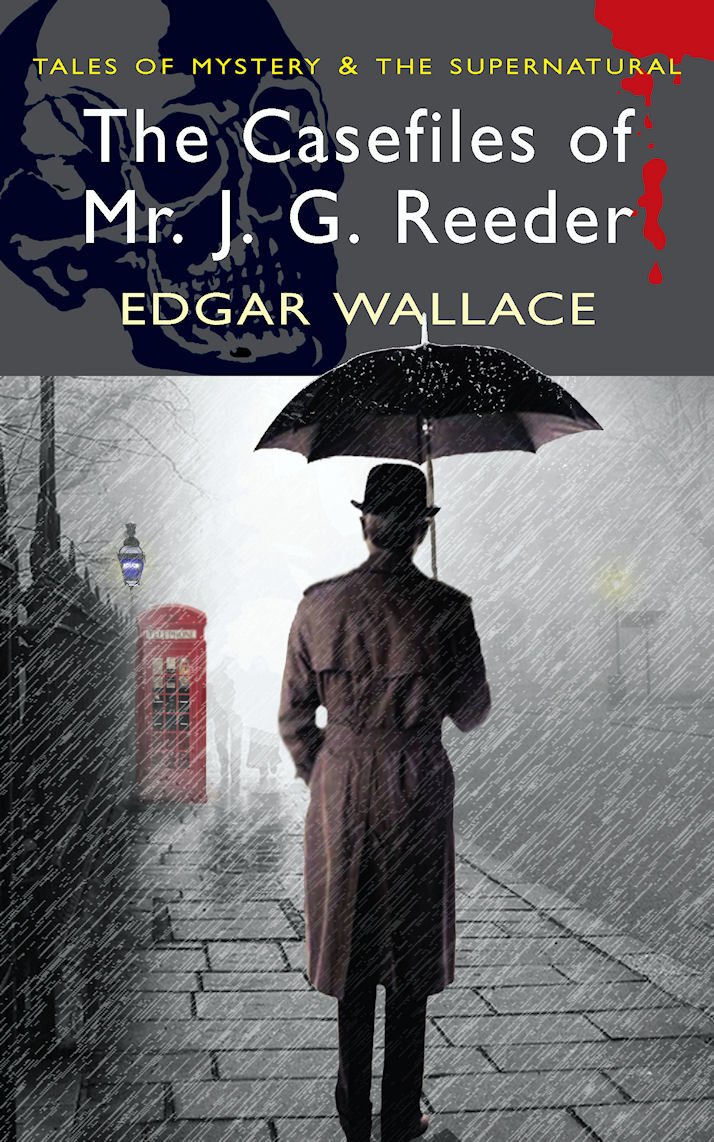
A Detective With the Mind of a Criminal: The Casefiles of Mr. J G Reeder, by Edgar Wallace

The Casefiles of Mr JG Reeder-smallWordsworth Editions published dozens of titles in their Tales of Mystery and the Supernatural imprint (or, as we like to call them, TOMAToS), featuring classic tales of detection, horror and ghostly doings from Robert E. Howard, Rudyard Kipling, Sheridan Le Fanu, William Hope Hodgson, W.F. Harvey, Edith Nesbit, Oliver Onions, E.F. Benson, and many others.

Wordsworth has revamped the entire series (see their website for the dramatic redesign), and they’re letting all the older titles gradually go out of print… which means it’s definitely time to snatch up those I still don’t have. Like The Casefiles of Mr. J G Reeder, an omnibus collection of three pulp-era books by popular British thriller writer Edgar Wallace.

How on earth did you piece together all this? he asked in wonder. Mr Reeder shook his head sadly. I have that perversion, he said. It is a terrible misfortune. I see evil in everything. I have the mind of a criminal.

Let us introduce you to the enigmatic J. G. Reeder, a timid, gentle middle-aged man who carries a furled up umbrella and wears an old-fashioned flat-topped bowler hat. He is one of the great unsung sleuths of mystery fiction, created by the prolific Edgar Wallace, the King of Thrillers. Despite his insignificant appearance, Reeder is a cold and ruthless detective who credits his success to his criminal mind which allows him to solve a series of complex and audacious crimes and outwit the most cunning of villainous masterminds.

This volume is a rich feast for crime fiction fans, containing the first three volumes in the Reeder canon: two novels, Room 13 and Terror Keep; and the classic collection of short stories, The Mind of J. G. Reeder.

Edgar Wallace was an enormously popular mystery and thriller writer of the 20s and 30s. More than 160 films have been based on his work, and The Edgar Wallace Mystery Magazine was a popular digest magazine in the mid-60s. But perhaps his most famous creation was the script for King Kong (1933); he died of complications of diabetes while working on revisions with director Merian C. Cooper.

Read More Read More

Edgar Rice Burroughs’s Pellucidar Saga: Pellucidar

Edgar Rice Burroughs’s Pellucidar Saga: Pellucidar

Pellucidar-1st-Edition-Cover-smallWelcome back to the concave world of Pellucidar and the second novel in Edgar Rice Burroughs’s series of adventures within the globe: the eponymous Pellucidar. ERB left readers in suspense about the fate of hero David Innes at the close of At the Earth’s Core, but only a year later delivered audiences from the tension and closed out a duology about the Imperial Conquest of the Pellucidar. (And we still have five more volumes to go after this.)

Our Saga: Beneath our feet lies a realm beyond the most vivid daydreams of the fantastic… Pellucidar. A subterranean world formed along the concave curve inside the earth’s crust, surrounding an eternally stationary sun that eliminates the concept of time. A land of savage humanoids, fierce beasts, and reptilian overlords, Pellucidar is the weird stage for adventurers from the topside layer — including a certain Lord Greystoke. The series consists of six novels, one which crosses over with the Tarzan series, plus a volume of linked novellas, published between 1914 and 1963.

Today’s Installment: Pellucidar (1915)

Previous Installments: At the Earth’s Core (1914)

The Backstory

During the mid-teens, Edgar Rice Burroughs frequently wrote with the aim of creating two-part novels. The books we know today as The Mad King, The Cave Girl, and The Eternal Lover are combinations of an original novel and its closely connected sequel. The Pellucidar series might have gone the same way. The sequel to At the Earth’s Core was written at this time and serves as an immediate follow-up that brings the story of its first novel to a conclusion. If Burroughs hadn’t returned to the setting fourteen years later and continued writing more about Pellucidar, it’s possible that At the Earth’s Core and Pellucidar would be considered a single novel today — probably simply titled At the Earth’s Core. (My title choice would be Conquest of the Earth’s Core.)

Read More Read More

Future Treasures: Six Wakes by Mur Lafferty

Future Treasures: Six Wakes by Mur Lafferty

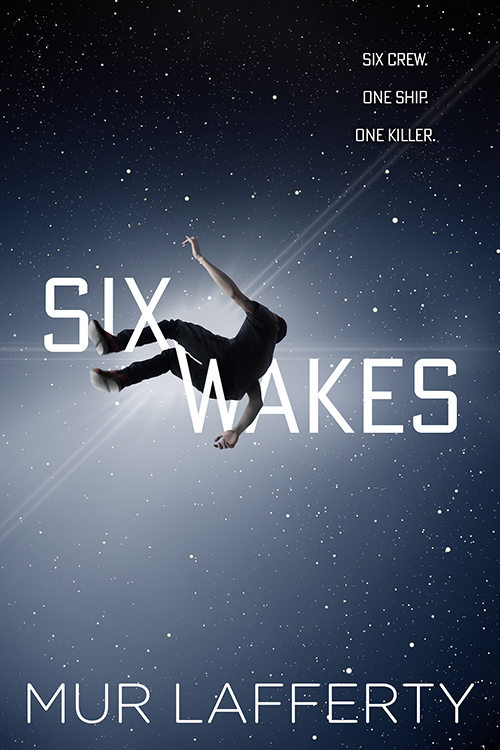
Six Wakes Mur Lafferty-smallMur Lafferty’s latest novel is a space adventure set on a lone ship where the clones of a murdered crew must find their murderer — before they kill again. (On her blog Mur writes, “Clone Murder Mystery in SPACE was a rejected title. Another rejected title was from my friend Alasdair: Murder Space Clone Bastard.”)

James Patrick Kelly writes “This is one of the cleverest and most exciting murder mysteries I have ever read. The confined space of the colony ship Dormire is filled with feisty and memorably strange characters… Lafferty does for clones what Asimov did for robots.” The novel arrives in trade paperback by Orbit at the end of the month.

It was not common to awaken in a cloning vat streaked with drying blood.

At least, Maria Arena had never experienced it. She had no memory of how she died. That was also new; before, when she had awakened as a new clone, her first memory was of how she died.

Maria’s vat was in the front of six vats, each one holding the clone of a crew member of the starship Dormire, each clone waiting for its previous incarnation to die so it could awaken. And Maria wasn’t the only one to die recently…

Mur Lafferty’s most recent series was The Shambling Guide to New York City; she’s also a contributor to the Book Burners serial from Serial Box. She won the 2015 Manly Wade Wellman Award for her novel Ghost Train to New Orleans. Our recent coverage of her includes Mur Lafferty on Reading the Classics.

Six Wakes will be published by Orbit on January 31, 2017. It is 400 pages, priced at $15.99 in trade paperback and $9.99 for the digital edition.

The Top Ten Books I Read in 2016

The Top Ten Books I Read in 2016

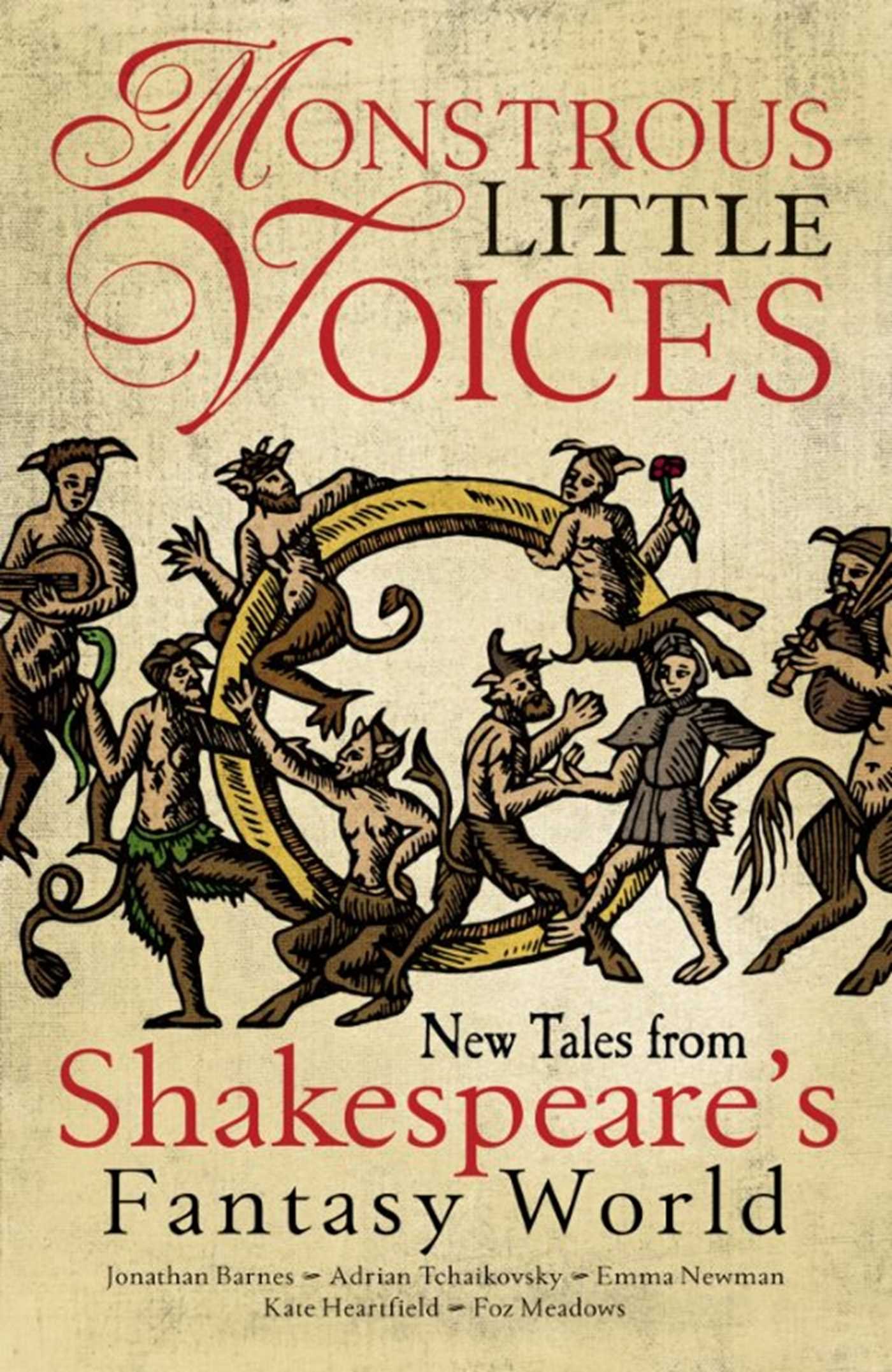
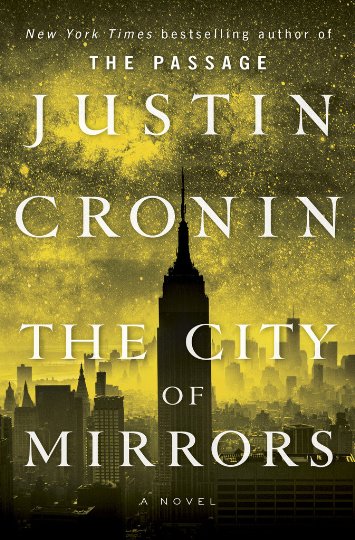
Black Science Volume 1-small Monstrous Little Voices-small The City of Mirrors Justin Cronin-small

To finally shift from 2016, below are the ten books that I most enjoyed reading this past year (in alphabetical order, since selecting a top ten was tough enough). As I’ve mentioned in previous reviews, I’m a fan of great character work, vivid worlds and intense action, as opposed to quiet literary stories (though those can be good, too). If you’re into those things, as well, hopefully these recommendations will appeal to you. Note that not all of these novels were released in 2016; I just happened to read them this year (don’t judge me, there’s a lot of stuff out there).

I also wanted to say thanks to everyone who has been reading my reviews and commenting on them. Hopefully you’re enjoying them so far, and I’m excited to keep contributing here in 2017. Feel free to drop me a line below with your thoughts on my Top Ten, or recommendations for similar books I should check out.

Read More Read More

John DeNardo on the Best of the Best: The Definitive List of 2016’s Best Science Fiction and Fantasy

John DeNardo on the Best of the Best: The Definitive List of 2016’s Best Science Fiction and Fantasy

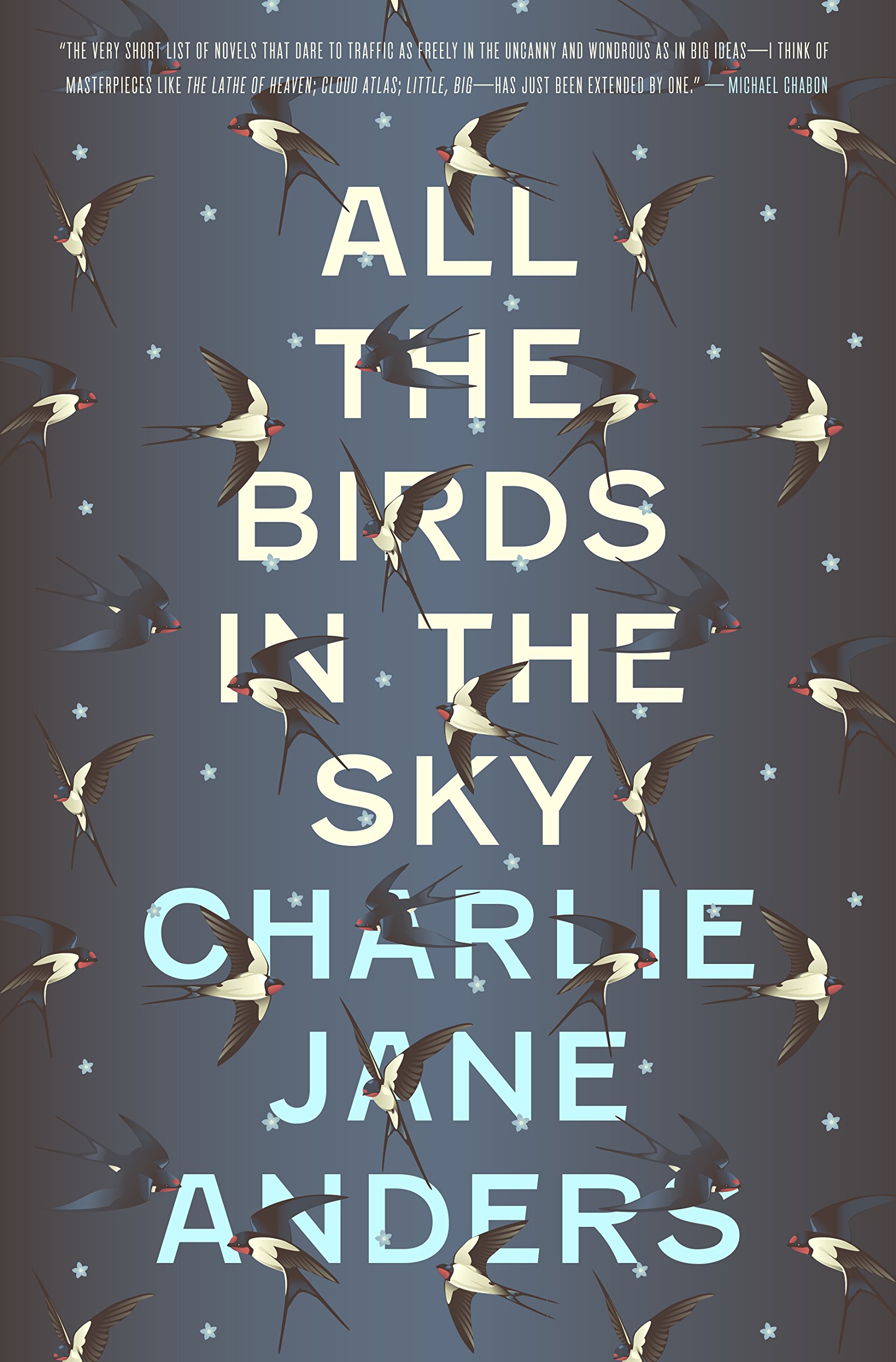
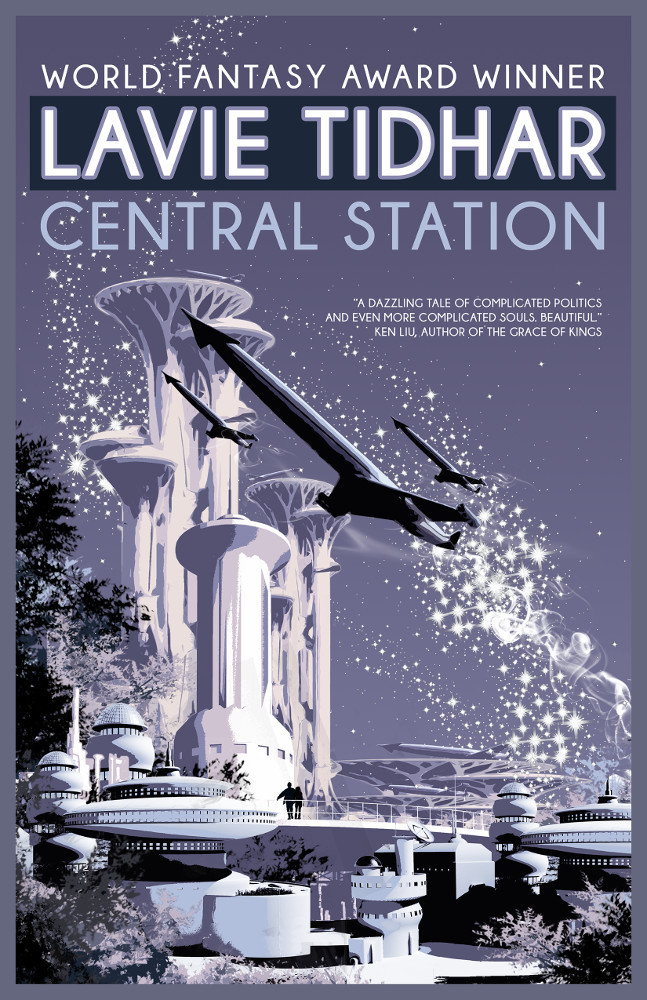
all-the-birds-in-the-sky-small Ninefox Gambit-small Central-Station-Lavie-Tidhar-small

We wrap up our look at the best books of 2016 with one final stop: John DeNardo’s annual end-of-the-year project, in which he assembles the most prestigious Best of the Year lists and distills them down into one mega-list of the very best of 2016. He drew from seven Best of the Year lists, produced by:

Amazon
Barnes and Noble
Publishers Weekly
Washington Post
The Guardian
NPR
Kirkus Reviews

The result is a list of the six most acclaimed SF & Fantasy books of the year (plus thirteen honorable mentions). John’s ultra-list contains no less than three debut novels — including Charlie Jane Anders’ All the Birds in the Sky, and Yoon Ha Lee’s Ninefox Gambit — and a linked collection of stories from Lavie Tidhar, Central Station.

Read More Read More

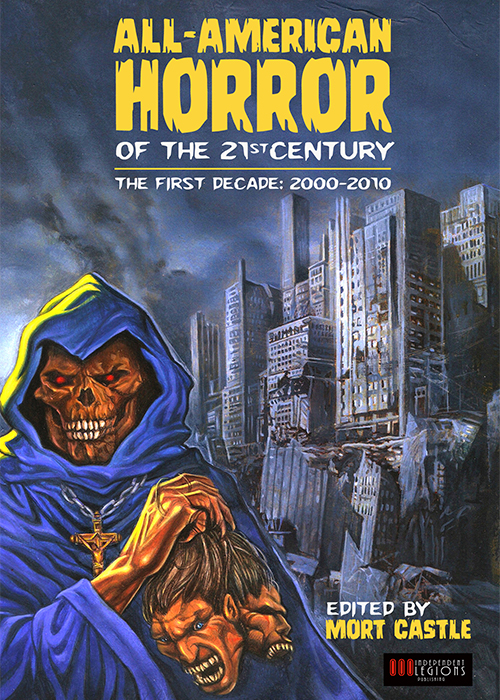
New Treasures: All-American Horror of the 21st Century: The First Decade (2000-2010), edited by Mort Castle

New Treasures: All-American Horror of the 21st Century: The First Decade (2000-2010), edited by Mort Castle

all-american-horror-of-the-21st-century-the-first-decade-small all-american-horror-of-the-21st-century-the-first-decade-back-small

Mort Castle is the author of seven novels, including the horror novel Cursed Be the Child (1990), and four collections. But his reputation today rests just as much on his considerable accomplishments as an editor, including stints as editor of two magazines (Horror: The Illustrated Book of Fears, and Doorways Magazine), and the 2012 anthology Shadow Show: All New Stories in Celebration of Ray Bradbury.

More recently, Mort was the editor of the ambitious volume All-American Horror of the 21st Century: The First Decade (2000-2010), released as a limited edition hardcover from Wicker Park Press in 2013. Independent Legions Publishing has finally released a trade paperback edition of the 412-page volume, which collects the best short horror fiction published by magazines, anthologies, and websites between 2000 and 2010, including tales from Andy Duncan, Tom Monteleone, David Morrell, F. Paul Wilson, Nick Mamatas, Jay Bonansinga, Jack Ketchum, Steve Rasnic Tem, Paul Tremblay, Sarah Langan, and many others. It also includes an introduction and a new Afterword by Mort Castle. It’s an impressive volume that belongs on every serious horror collector’s bookshelf.

All-American Horror of the 21st Century: The First Decade (2000-2010) was published by Independent Legions Publishing on November 27, 2016. It is 412 pages, priced at $19.90 in trade paperback and $4.99 for the digital edition. The cover art and interior illustrations are by Giampaolo Frizzi. Click the covers above for bigger versions.

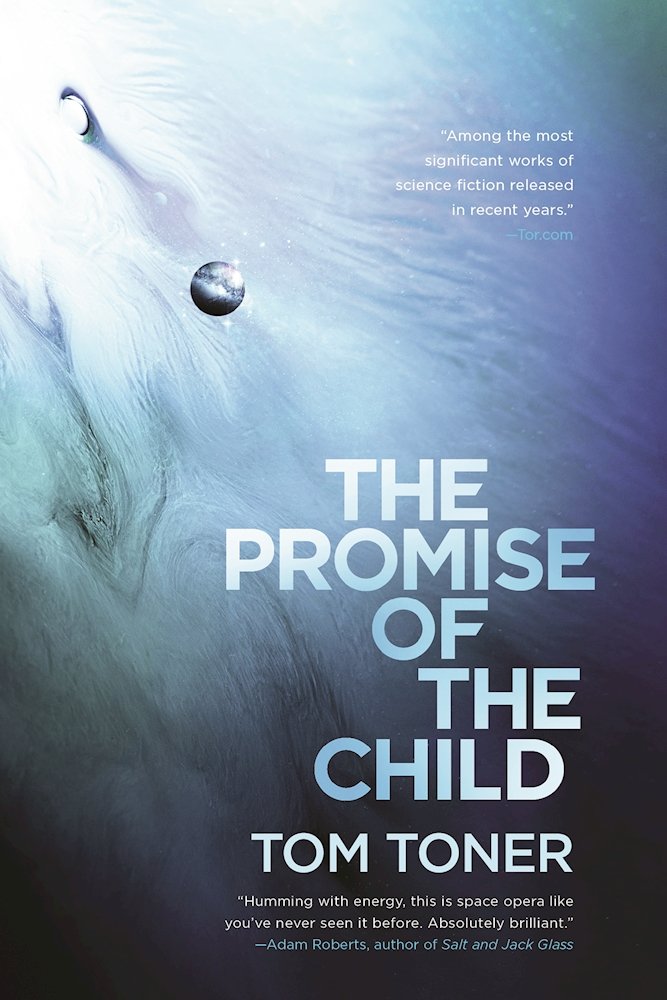
Future Treasures: The Weight of the World, Book 2 of the Amaranthine Spectrum, by Tom Toner

Future Treasures: The Weight of the World, Book 2 of the Amaranthine Spectrum, by Tom Toner

the-promise-of-the-child-small the-weight-of-the-world-small

In this business you get used to seeing breathless blurbs on everything, from the latest fat fantasy to the newest stack of midlist paperbacks. But if you’re not completely jaded, you can still detect genuine buzz.

That’s what I’m sensing with the debut novel from Tom Toner, The Promise of the Child, a space opera set in the far-distant 147th Century. Tor.com said it’s “Among the most significant works of science fiction released in recent years,” and Adam Roberts called it “Absolutely brilliant… space opera like you’ve never seen it before.” Karl Schroeder proclaimed it “Utterly absorbing; a tremendous adventure… One of the most ambitious and epic-scale pieces of worldbuilding I’ve read,” and Booklist said “This is the kind of novel that could develop a cult following.”

The Promise of the Child was published in hardcover by Night Shade Books in September of 2015, and reprinted in trade paperback last October. On January 24th the second novel in the Amaranthine Spectrum, The Weight of the World, finally arrives in hardcover and digital formats from Night Shade.

Read More Read More

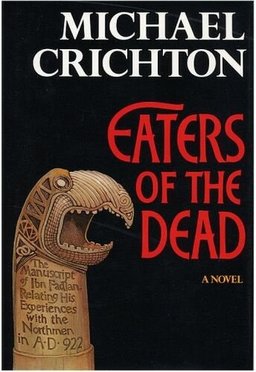
Eaters of the Dead by Michael Crichton

Eaters of the Dead by Michael Crichton

oie_8192953ghlqmqv0-1In 921 AD, Aḥmad ibn Faḍlān ibn al-ʿAbbās ibn Rāšid ibn Ḥammād was sent from Baghdad as ambassador to the Volga Bulgars (who lived in the boundaries of modern Russia) to help establish Islamic law for the newly converted nation. The short journal he kept of his travels is famous for its descriptions of the Volga Vikings, in particular the death rites of one of their chietains.

In Eaters of the Dead (1976), the fourth novel published under his own name (he’d previously released ten under pseudonyms), Michael Crichton asked two important questions: What if ibn Fadlan, during his sojourn among the Vikings, met a certain hero named Buliwyf? And what if there was a historical basis for the legend of Beowulf? His answer is a fun mix of travelogue and bloody adventure tale. Years later, it went on to serve as the basis for the The 13th Warrior, starring Antonio Banderas.

The first three chapters of Eaters of the Dead are mostly lifted straight from ibn Fadlan’s manuscript. Instead of a trusted and willing diplomat, though, Crichton recasts ibn Fadlan as reluctant traveler, forced to join the mission as punishment for his dalliance with the wife of a merchant friendly with the Caliph.

The greatest change to ibn Fadlan’s story is, of course, his fateful meeting with Buliwyf. In Crichton’s story, the Geatish Viking is present at the funeral for the chieftain. Before he can reach the Bulgars, ibn Fadlan is forced to join Buliwyf and his band. King Rothgar’s realm has been attacked by an ancient horror and he has sent one of his sons to ask the great hero for aid. Terror has come out of the mist — something so evil that the name can’t be mentioned lest it be summoned up. Later, ibn Fadlan learns they are called the wendol.

At this the old man said that I was a foreigner, and he would consent to enlighten me, and he told me this: the name of “wendol,” or “windon,” is a very ancient name, as old as any of the peoples of the North country, and it means “the black mist.” To the Northmen, this means a mist that brings, under cover of night, black fiends who murder and kill and eat the flesh of human beings.* The fiends are hairy and loathsome to touch and smell; they are fierce and cunning; they speak no language of any man and yet converse among themselves; they come with the night fog, and disappear by day — to where, no man durst follow.

Read More Read More

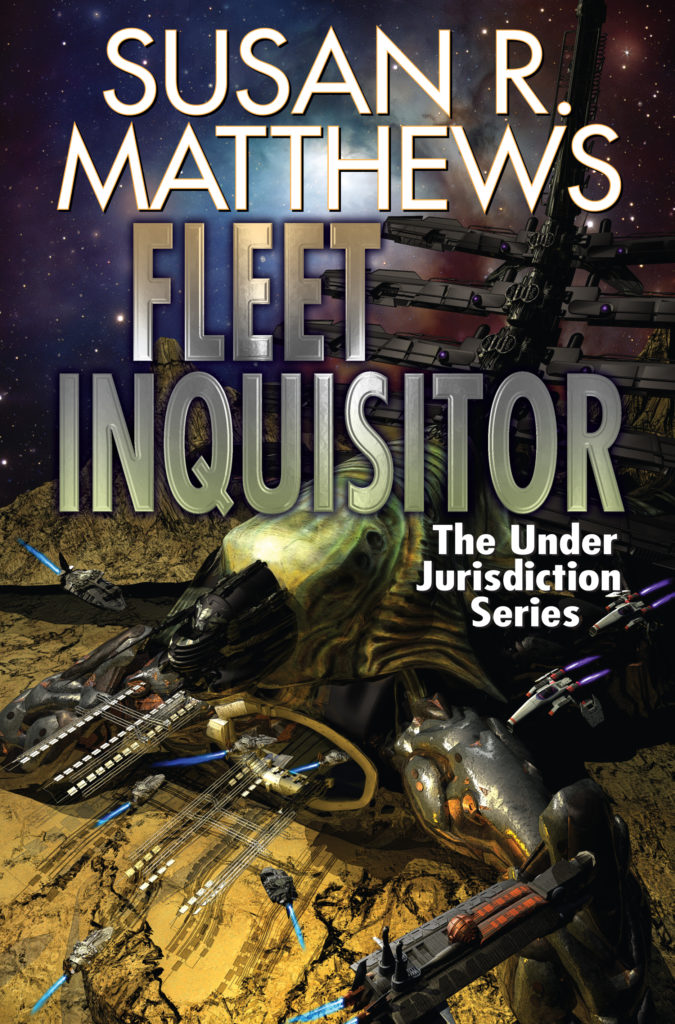
A Doctor in a Torture State: Susan R. Matthews’ Under Jurisdiction Novels

A Doctor in a Torture State: Susan R. Matthews’ Under Jurisdiction Novels

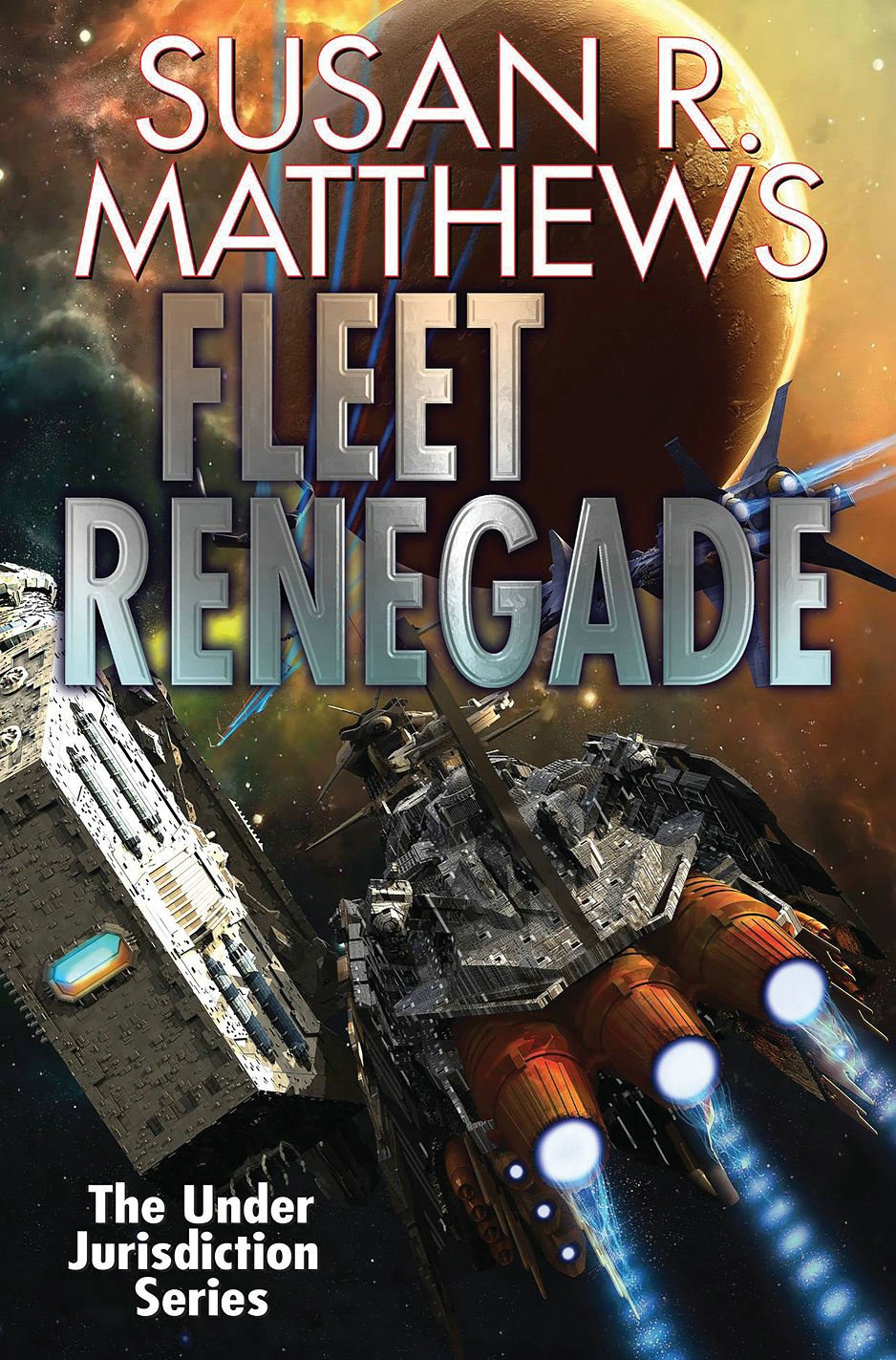
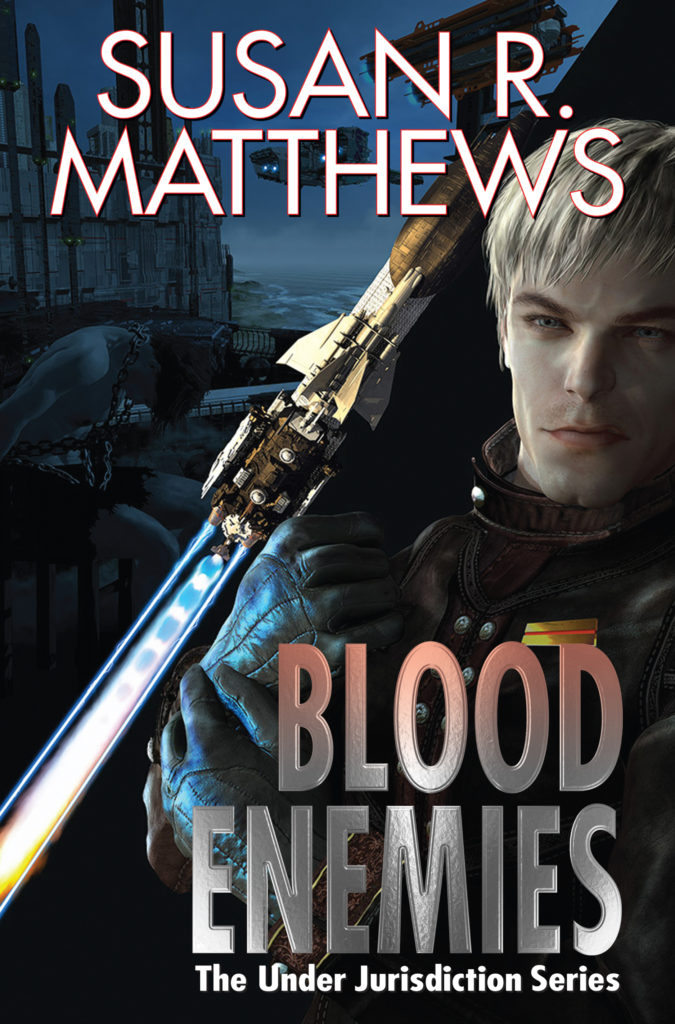
Fleet Inquisitor-small fleet-renegade-small Blood Enemies Susan Matthews-small

Baen Books continues its fine tradition of attractive, inexpensive omnibus editions of top-notch science fiction. Most recently they’ve turned their attention to the Under Jurisdiction novels of Susan R. Matthews, the tales of a doctor of conscience who is a faithful servant of the Bench, where institutionalized torture is an instrument of State. This is a grim (and often controversial) series, as Lisa DuMond noted in her SF Site review of the first two novels:

Andrej Koscuisko wants nothing more than to be a doctor: a surgeon. His father wants him to carry on the family honour by enlisting with the Fleet in its glorious fight to basically control everything. Andrej manages to resist his father’s will for a time, finally giving in only with grudging obedience and quiet resistance. Because, in his position with Fleet, he will indeed be a ship’s chief medical officer — and, incidentally, Ship’s Inquisitor… How can a person dedicated to preserving life and obliterating suffering combine the two functions of the position?

With relish. Amid the blood and screams and seared flesh of the workroom, Andrej Koscuisko will meet his personal monster. A man of honour, compassion, and empathy will find a sexual passion such as he has never known in the agony of his helpless captives. Even as he uses his wits and the amazing skills he has developed to save the lives of others.

Facing this chilling dichotomy is the first step in a life that will tear away at his sanity and self-worth… Throughout the two books, the greatest miracles are pulled off by Matthews herself… More miraculous is the sleight of hand Matthews manages with the character of Andrej. Time and again he enters the workroom to become something we can’t even let ourselves dream about. He emerges, blood-stained and aroused, only to crash into self-loathing.

The opening novel, An Exchange of Hostages, was published by Avon Books in 1997 and nominated for both the Philip K. Dick Award and the John W. Campbell Award, and came in fourth in the poll for the Locus Award for Best First Novel.

Read More Read More

Publishers Weekly Selects the Best Science Fiction and Fantasy Novels of 2016

Publishers Weekly Selects the Best Science Fiction and Fantasy Novels of 2016

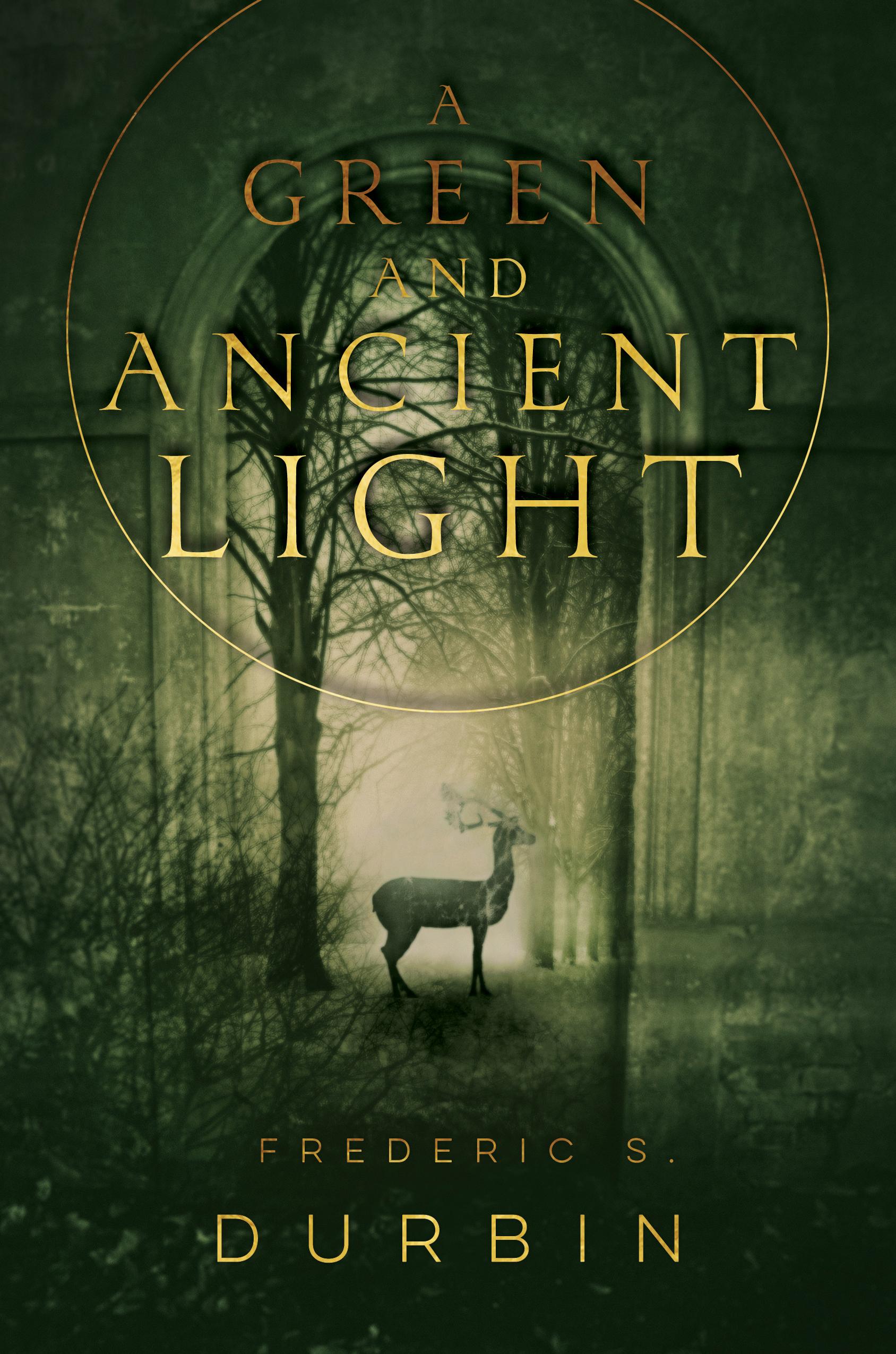
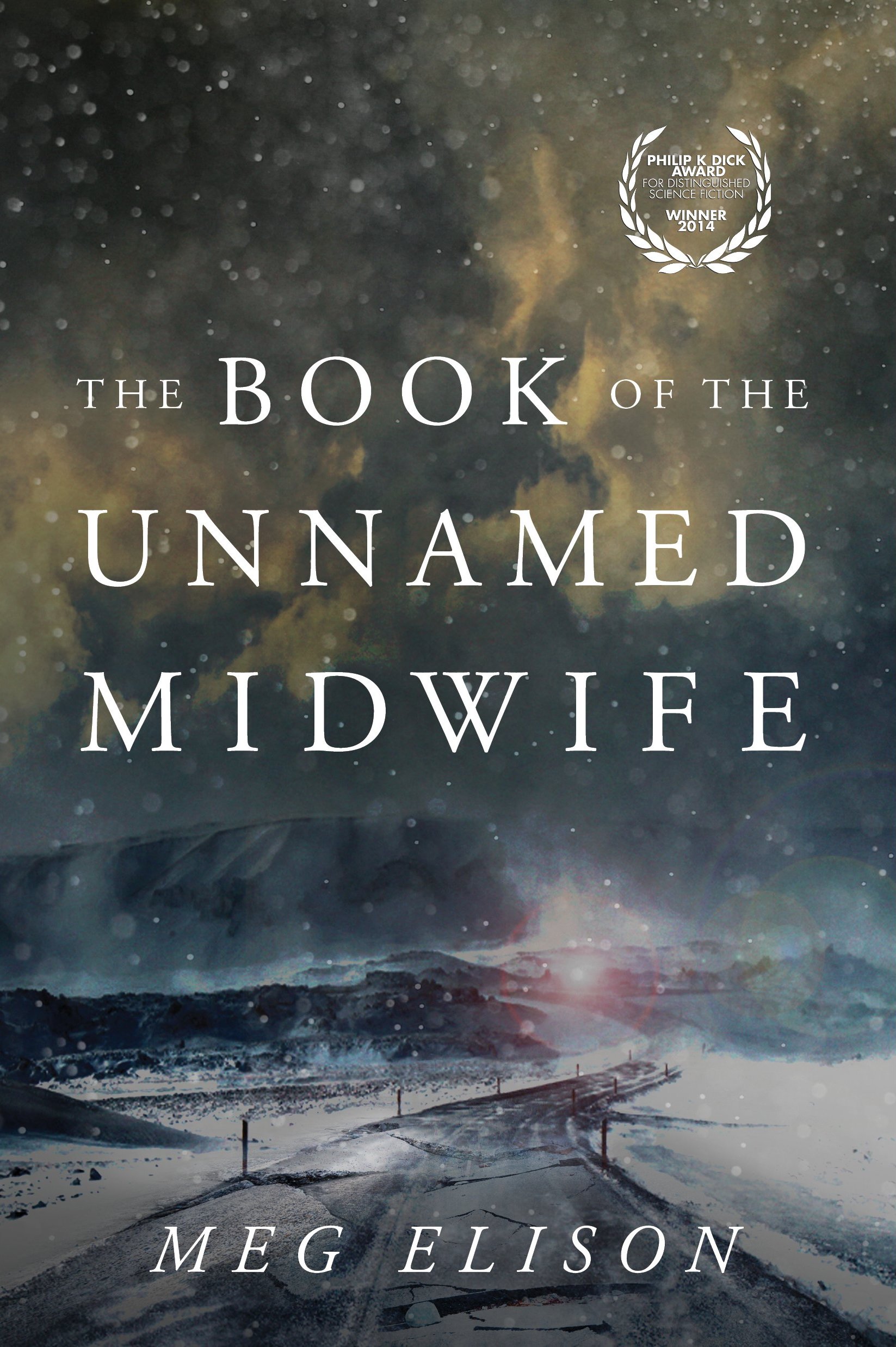
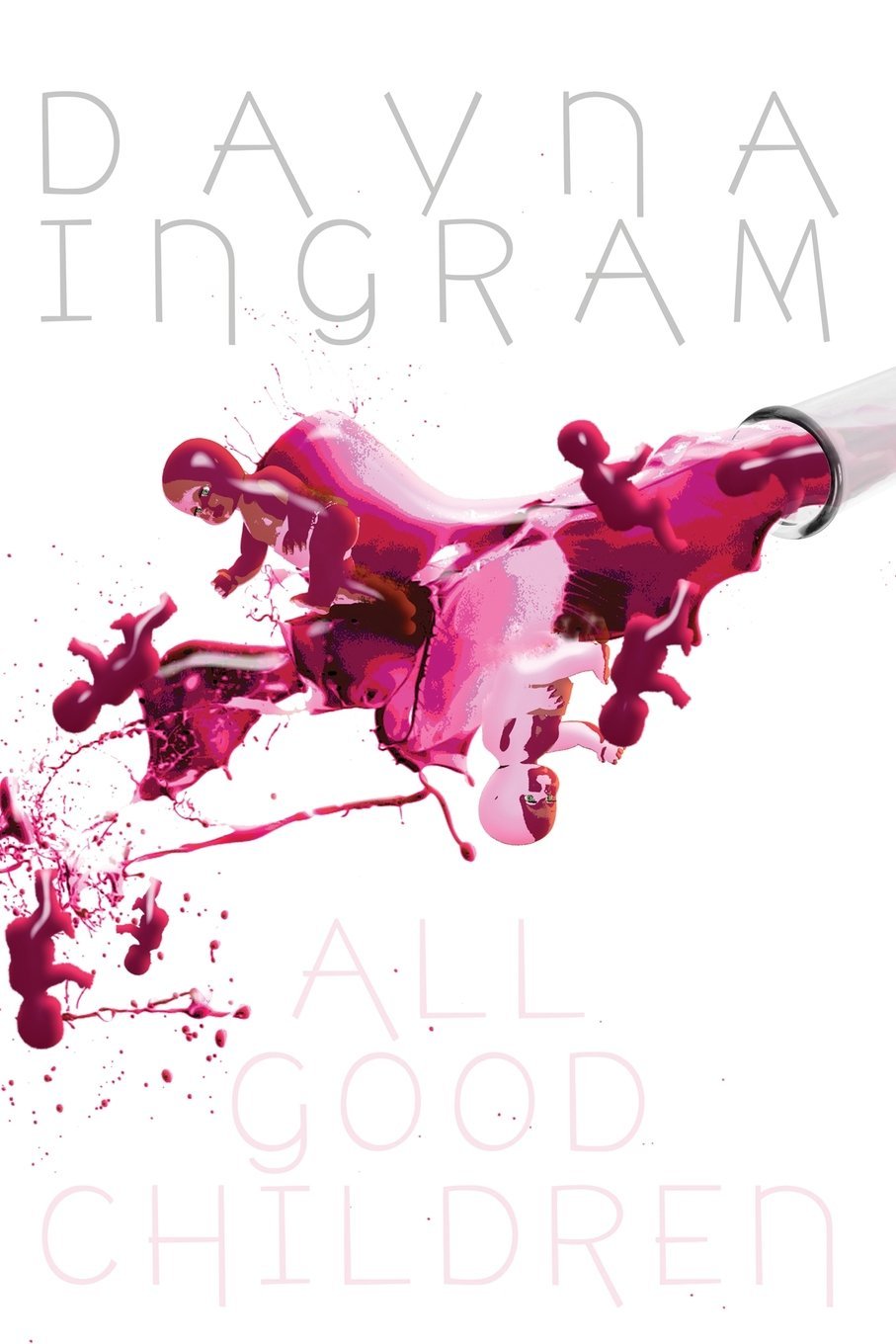
a-green-and-ancient-light-small the-book-of-the-unnamed-midwife-small all-good-children-dayna-ingram-small

Publishers Weekly is pretty darned discerning in their list of the very best SF/Fantasy/Horror of 2016. Where the Amazon list is fairly comprehensive (20 titles) and B&N splits theirs up into three separate lists — SF & Fantasy novels, Horror, and Anthologies & Collections — PW has a single list for all the categories, and only six novels manage to make the cut.

Nonetheless, they do manage to highlight some terrific titles neglected by other lists, such as Fredric Durbin’s latest novel A Green and Ancient Light (Saga Press, June). Here’s what they say.

In a deliberately blurred time and place, a young boy sent to live with his grandmother while his father is at war finds solace in her splendid garden and the magical woods. Things take a turn for the strange and complicated when they provide help and shelter to an injured enemy soldier. Durbin works true magic with understated, gripping narration and a heartstopping emphasis on love and compassion.

Their list also includes Meg Elison’s The Book of the Unnamed Midwife (47North, October), which won the Philip K. Dick Award last year in its original small press edition.

Read More Read More