Browsed by
Category: Books

Smugglers, Alien Vampires, and Dark Dimensions: The Best of C. L. Moore
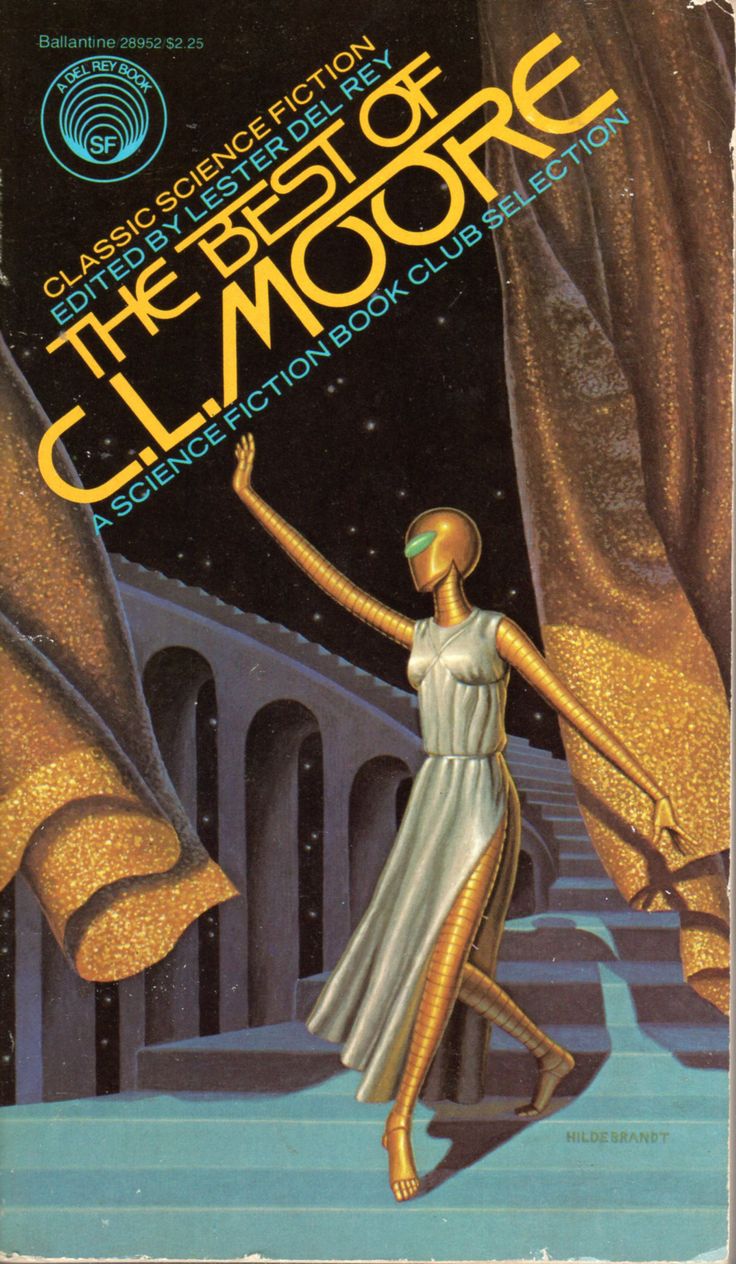
Smugglers, Alien Vampires, and Dark Dimensions: The Best of C. L. Moore

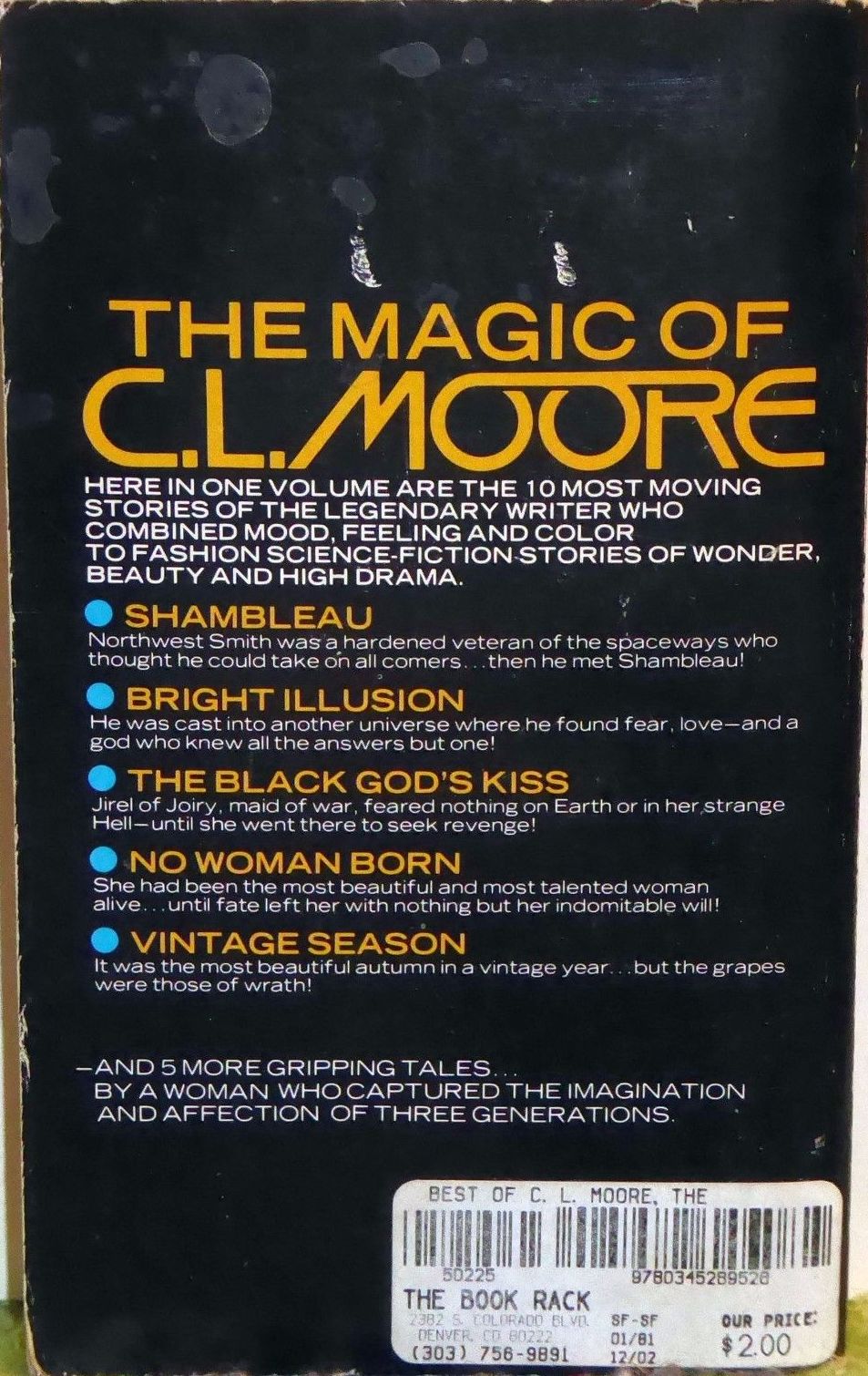
The Best of CL Moore-small The Best of CL Moore-back-small

The Best of C. L. Moore (1976) was the sixth installment in Del Rey’s Classic Science Fiction Series. After taking a break from the fifth installment to let J. J. Pierce edit, Lester Del Rey (1915–1993) returned to edit and give an introduction to this volume.

You may recall that Dean Ellis (1920–2009) did the cover art for the first four installments in the series with Darrell Sweet handling the fifth, though still in the style of Ellis. But the fabulous cover art of The Best of C. L. Moore was done by “The Brothers Hildebrandt” (twin brothers Greg [1939–] and Tim [1939–2006]) and represents something of a departure from the artistic precedence of Ellis and Sweet. It’s a portrait of the main character in Moore’s story, “No Woman Born.”

Catherine Lucille Moore (1911–1987) was one of the greatest science fiction and fantasy writers of the Twentieth Century. Writing under the name C. L. Moore, she was one of the first truly successful women writers in genre fiction, gracing the early pages of Weird Tales and Astounding Stories. She was also was famously married to another well-known sci-fi writer, Henry Kuttner (1915–1958), whom she collaborated with on many stories. However, all but two of the tales in The Best of C. L. Moore were written before her time with Kuttner. As with the previous books published while the featured author was still alive, Moore has a small afterword at the end.
Read More Read More

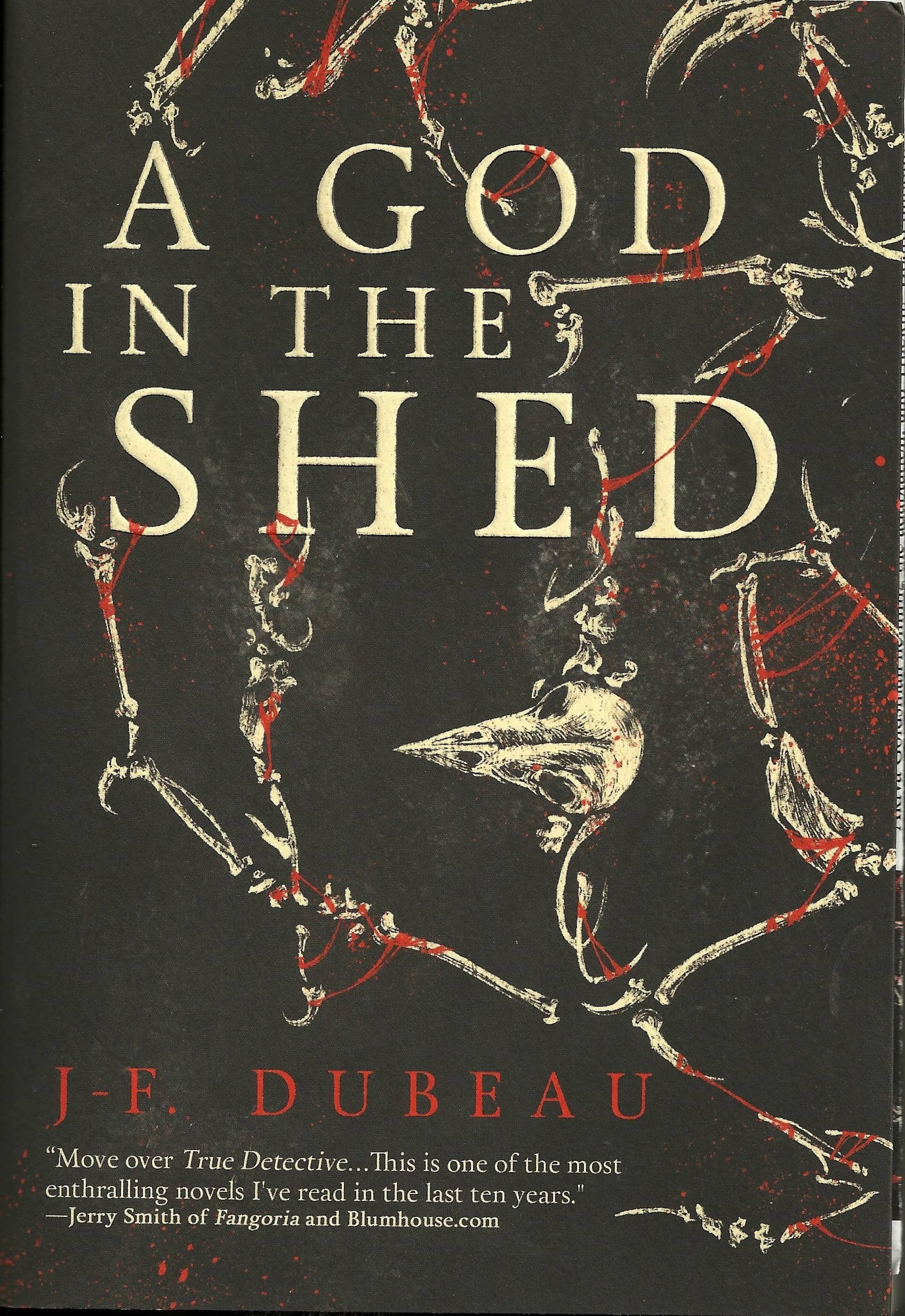
New Treasures: A God in the Shed by J-F. Dubeau

New Treasures: A God in the Shed by J-F. Dubeau

A God in the Shed-small A God in the Shed-back-small

J-F. Dubeau is a Montreal writer who burst on the scene last year with The Life Engineered, which was nominated for the Dragon Award for Best Science Fiction Novel. His follow-up is very different indeed — a contemporary horror novel set in small town Quebec, where a dark spirit has held sway for centuries. Fangoria says “Move over True Detective. A rich, gothic story of murder and mystery, A God in The Shed is quite possibly one of the most enthralling novels I’ve read in the last ten years.”

The village of Saint-Ferdinand has all the trappings of a quiet life: farmhouses stretching from one main street, a small police precinct, a few diners and cafés, and a grocery store. Though if an out-of-towner stopped in, they would notice one unusual thing ― a cemetery far too large and much too full for such a small town, lined with the victims of the Saint-Ferdinand Killer, who has eluded police for nearly two decades. It’s not until after Inspector Stephen Crowley finally catches the killer that the town discovers even darker forces are at play.

When a dark spirit reveals itself to Venus McKenzie, one of Saint-Ferdinand’s teenage residents, she learns that this creature’s power has a long history with her town ― and that the serial murders merely scratch the surface of a past burdened by evil secrets.

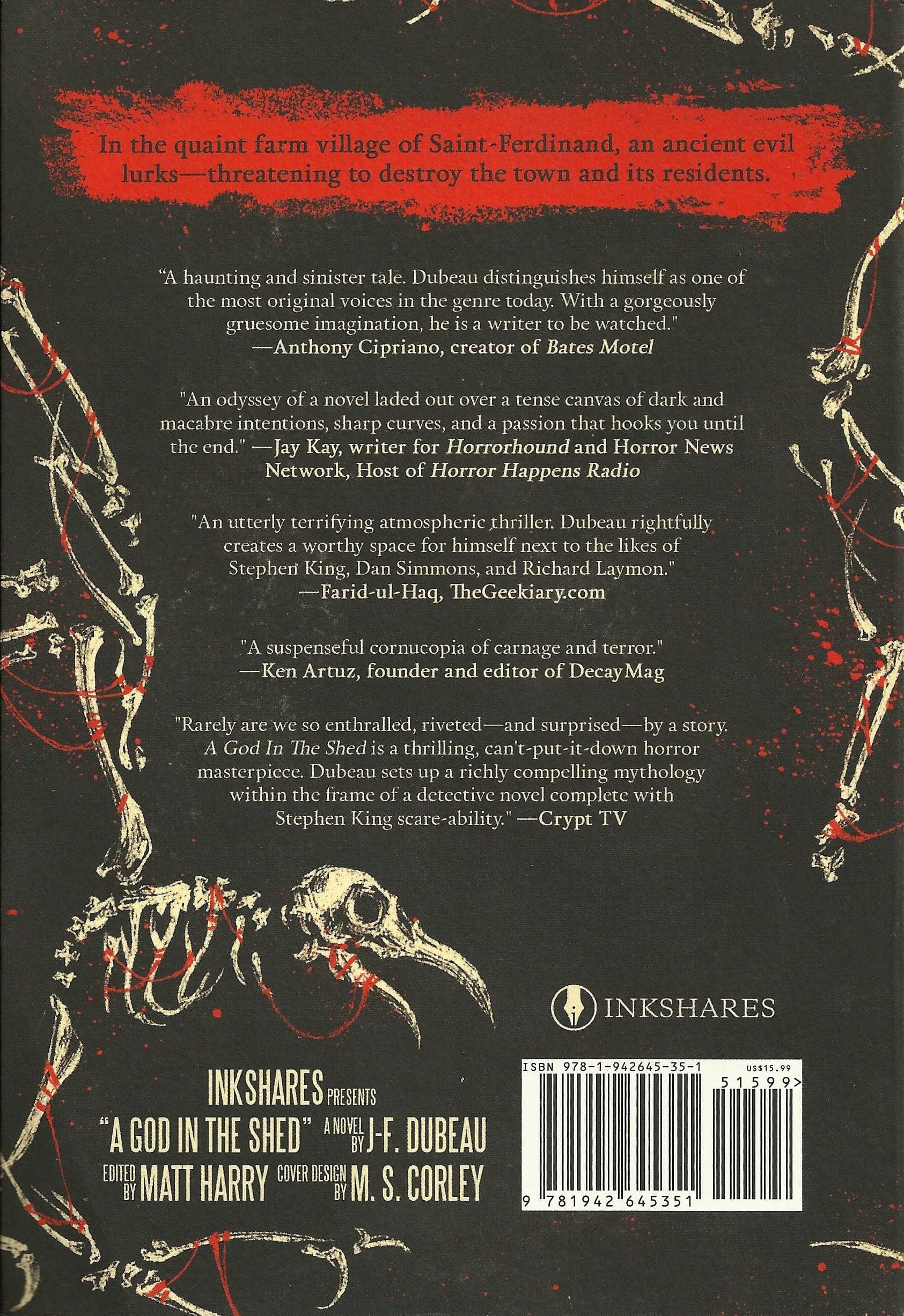
I love the movie-like credits on the back, which include the editor and cover designer. I wish more publishers followed suit. A God in the Shed was published by Inkshares on June 13, 2017. It is 428 pages, priced at $15.99 for the trade paperback and $7.99 for the digital edition. The cover was designed by M.S. Corley.

Half Past Human by T.J. Bass

Half Past Human by T.J. Bass

oie_1961050loaOe37g

‘Civilization is too high a price to pay for survival’

Moon from Half Past Human

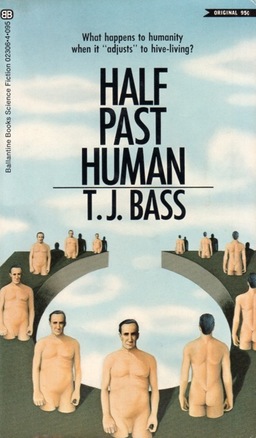
I don’t know what made me buy Half Past Human (1971) by T.J. Bass fifteen years ago. It was one of those books I had always seen on the used book store shelves, but nothing about the cover (the basis on which I tended to buy unknown books back then) made me go “Gotta buy it.” Something on the back cover, though, must have caught my attention that day, because I plunked my money down on the counter of Red Bank, NJ’s (sadly, long gone) Book Pit. I started reading it on the ride home, and before I knew it I was a third of the way done. A week later I made a circuit of used book stores to get my hands on the sequel, The Godwhale (1974).

Initially published by Ballantine, Gollancz released the duology in 2014 as part of its Masterworks collection. If you’re a sci-fi reader of a certain age, or a student of the genre, you’ll recognize most of the books in the collection, definitely most of the authors. But with only two books published nearly fifty years ago, I wonder how many know Bass’s name today. Which is a shame.

The fear of overpopulation was immense in the late sixties. Paul Ehrlich’s 1968 The Population Bomb promised that if population growth was not brought under control, humanity faced oblivion. Regular famines, overcrowded cities, a polluted environment, and dwindling natural resources seemed to be our future. Science fiction was examining the problem with books like Harry Harrison’s Make Room! Make Room! (1966) (the basis for the Charlton Heston sci-fi noir Soylent Green) and John Brunner’s Stand On Zanzibar (1968). This fear set the stage for Bass’s vision of Earth crushed by the weight of three trillion people.

In this, the third millennium, Earth was avocado and peaceful. Avocado, because all land photosynthesized; and peaceful, because mankind was evolving into the four-toed Nebish — the complacent hive citizen.

Read More Read More

The Barnes & Noble Sci-Fi & Fantasy Blog on the Best Science Fiction & Fantasy Books of June 2017

The Barnes & Noble Sci-Fi & Fantasy Blog on the Best Science Fiction & Fantasy Books of June 2017

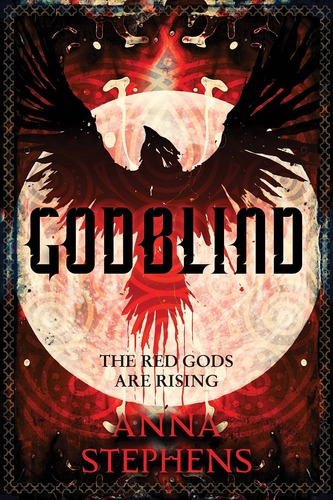
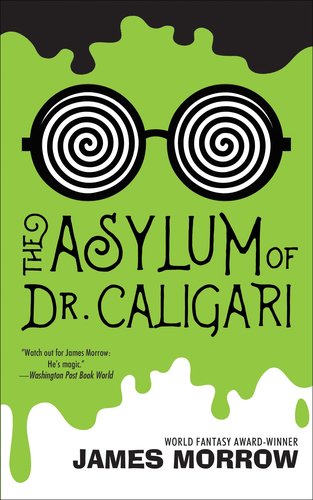
Cormorant Run Lilith Saintcrow-small Godblindy Anna Stephens-small The Asylum of Dr. Caligari by James Morrow-small

The Barnes & Noble Sci-Fi & Fantasy Blog has gradually become one of my most trusted resources. Yeah, they’re trying to sell you books, so maybe they’re a little less discerning than, say, John DeNardo over at Kirkus, or Andrew Liptak at The Verge. But I’ve been consistently impressed with the quantity and quality of their articles. They’ve got a fine staff of enthusiastic writers who really know the industry. If you’re looking for a dedicated group of book nerds to help you cherry-pick the most interesting new releases coming down the genre chute week after week, month after month, then this is the place to be.

Jeff Somers sizes up the June releases with a look at new titles from Yoon Ha Lee, Tad Williams, Timothy Zahn, Tom Holt, Neal Stephenson and Nicole Gallard, Terry Brooks, K.W. Jeter, Karin Tidbeck, Catherynne M. Valente, Seanan McGuire, Jason M. Hough, Richard Kadrey, William C. Dietz, Theodora Goss, and many others. Here’s a look at three of his selections that grabbed my eye.

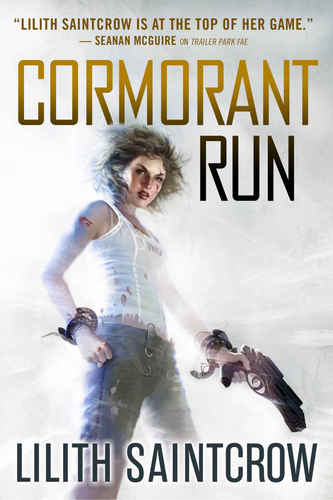
Cormorant Run by Lilith Saintcrow (June 13, Orbit, 400 pages, $15.99 in paperback)

After the mysterious Event, rifts opened all over, leading to strange places filled with deadly creatures and inexplicable events. “Rifters” have ispecial skills that allow them to explore the rifts and survive — sometimes. Svinga is released from prison on one condition — she must lead a less-than-harmonious team into the “holy grail” of rifts: the Cormorant, the deadliest and possibly most valuable example of the strange phenomena. Her lover died trying to map it, but that extra knowledge gives her the slightest edge — if she can keep the team she’s guiding in one piece while they traverse the most dangerous place in the universe.

Read More Read More

Future Treasures: Dark Sky and Dark Deeds by Mike Brooks

Future Treasures: Dark Sky and Dark Deeds by Mike Brooks

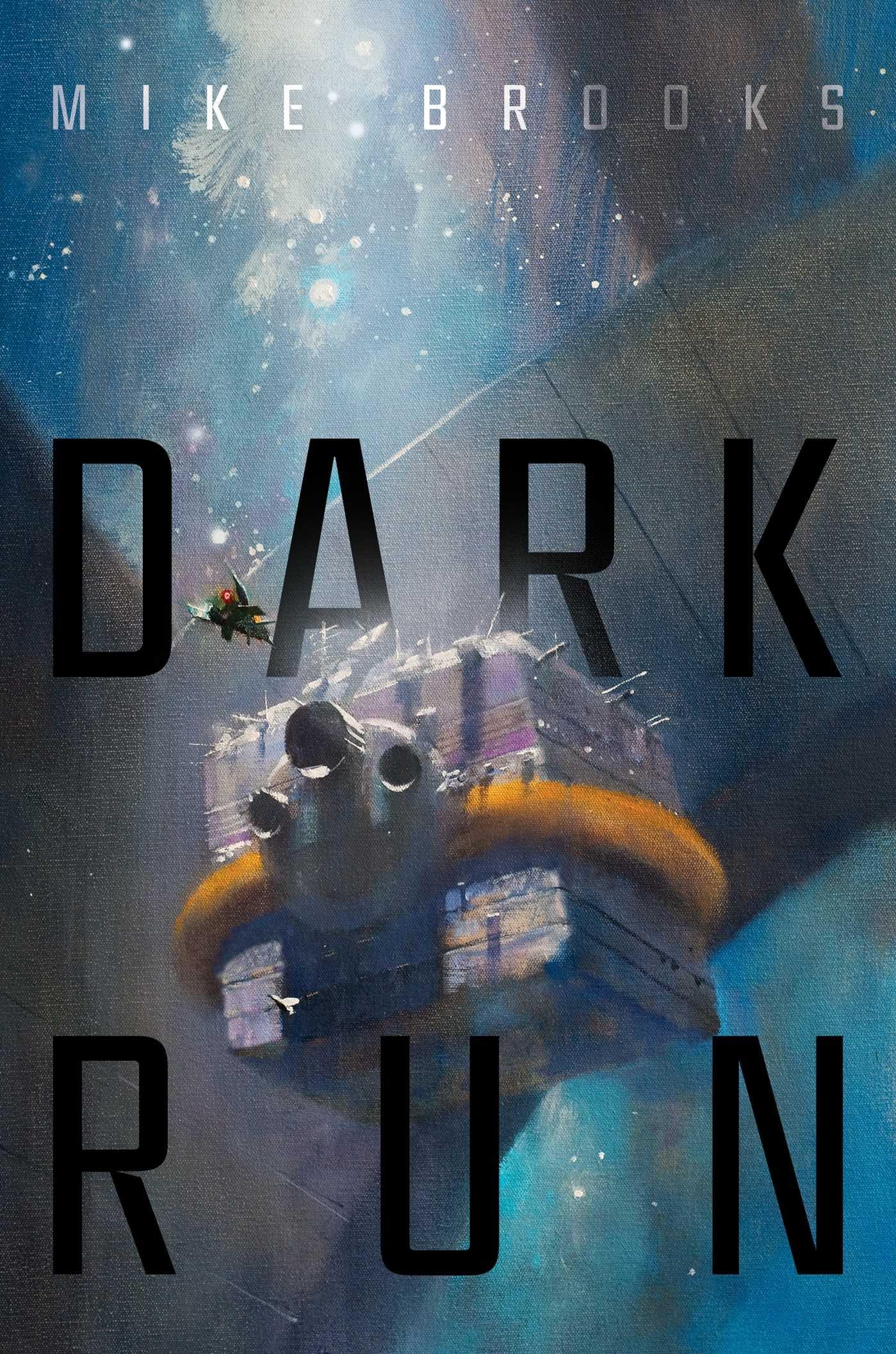
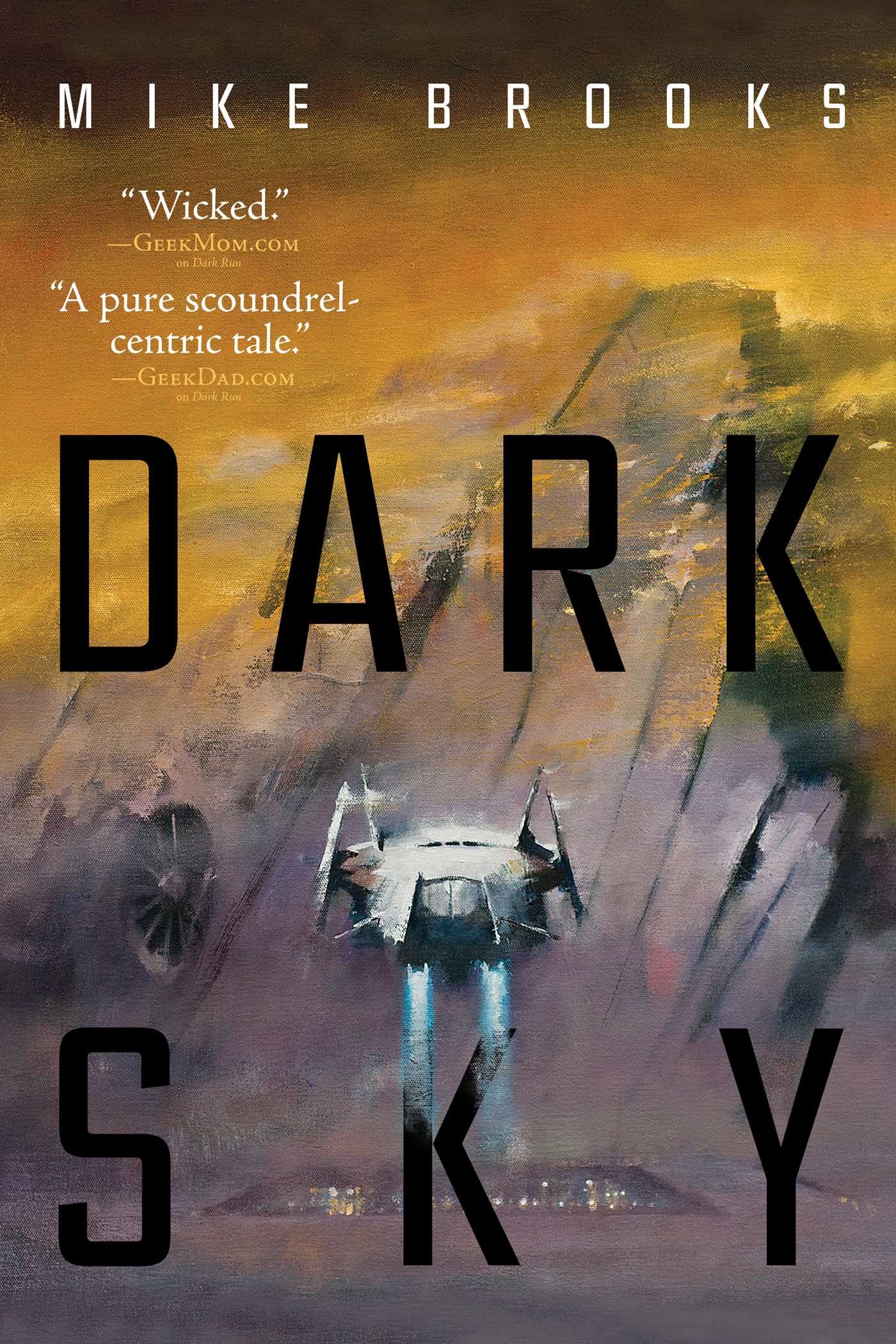
Dark-Run-Mike-Brooks-small Dark Sky Mike Brooks-small Dark Deeds Mike Brooks-small

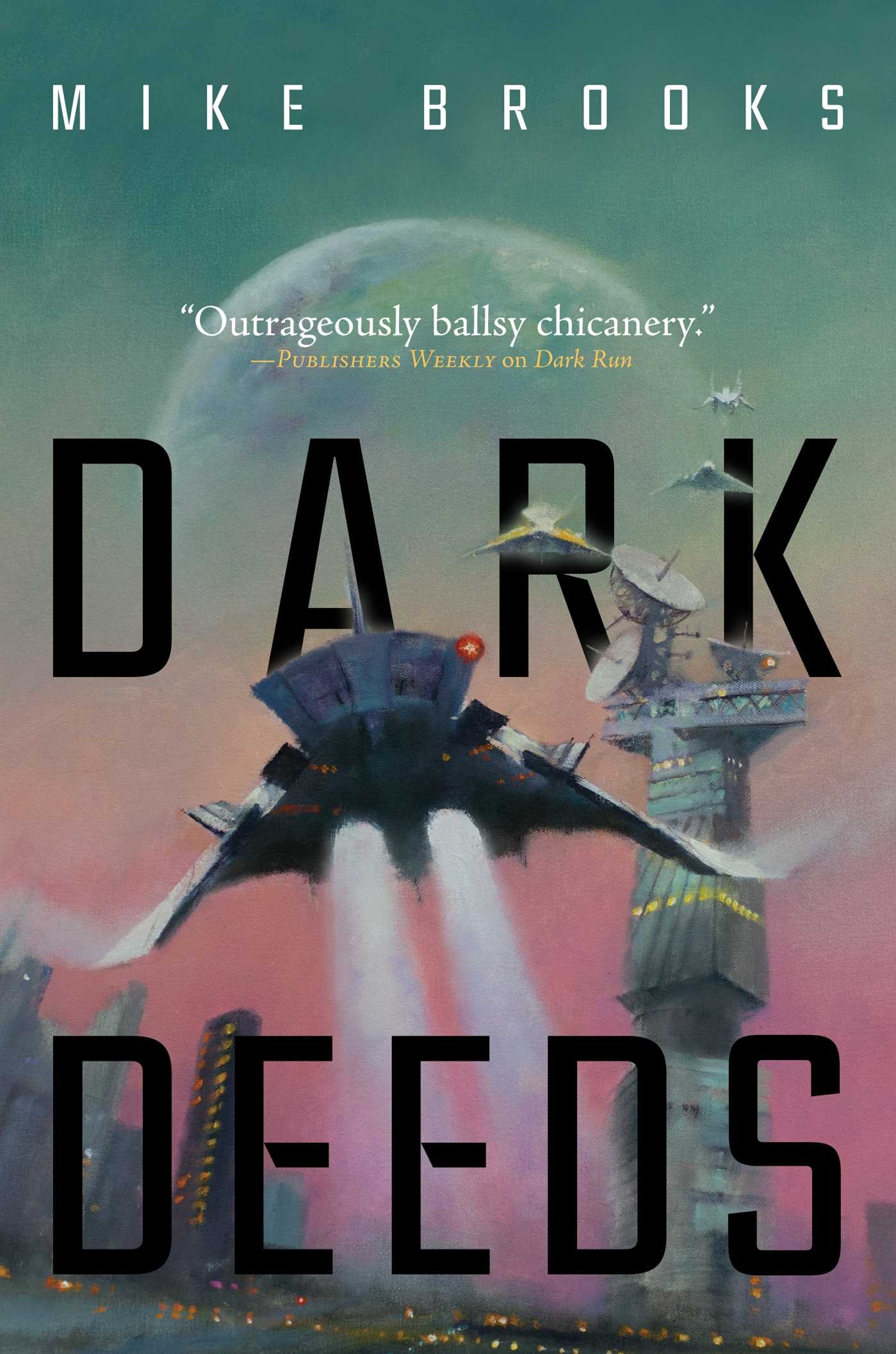
Mike Brooks’s space opera Dark Run, published last year by Saga Press, was one of the most acclaimed SF debuts of 2016. The Keiko and its crew of smugglers, soldiers of fortune, and adventurers travelling Earth’s colony planets successfully took on a job that could pay off a lot of their debts, in a corrupt galaxy where life is cheap and criminals are the best people in it. In the sequel Dark Sky, arriving in hardcover and trade paperback next month, Captain Ichabod Drift and his crew sign on for a new smuggling job that soon goes south when they’re separated and caught up in a dangerous civil war.

When Ichabod Drift and the Keiko crew sign on for a new smuggling job to a mining planet, they don’t realize what they are up against. The miners, badly treated for years by the corporation, are staging a rebellion. Split into two groups, one with the authorities and one with the rebels, Drift and his crew support their respective sides in the conflict. But when they are cut off from each other due to a communication blackout, both halves of the crew don’t realize that they have begun fighting themselves…

Dark Sky (322 pages, $26.99 hardcover/$16.99 trade/$7.99 digital) will be published by Saga Press on July 11, 2017. It will be followed this fall with the third volume, Dark Deeds, in which a ship-wide vacation leads to the second-in-command being taken hostage by a criminal mastermind.

Read More Read More

A Debut Novel in Stephen King Territory: Ghost Radio by Leopoldo Gout

A Debut Novel in Stephen King Territory: Ghost Radio by Leopoldo Gout

Ghost Radio-small Ghost Radio-back-small

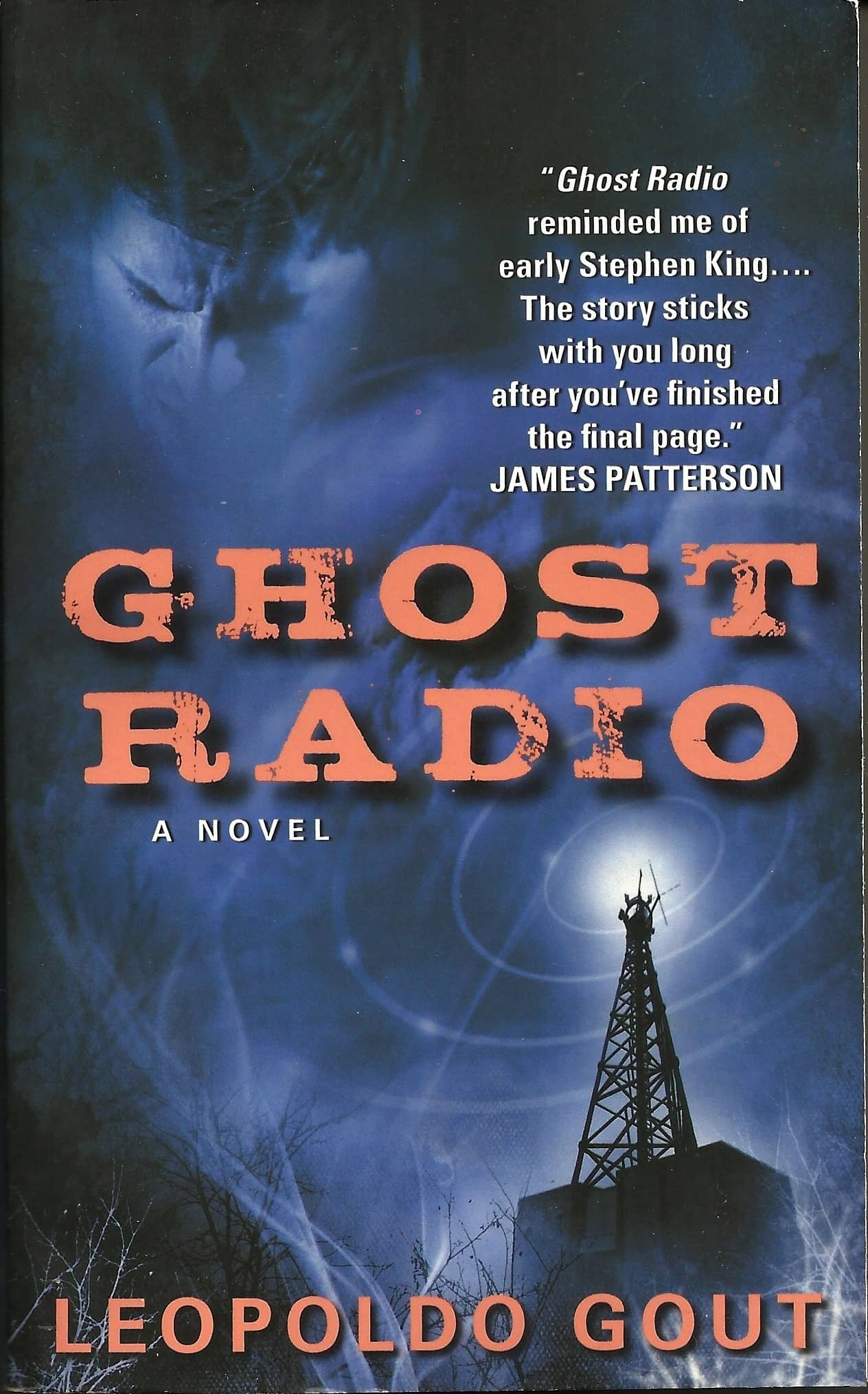
Ghost Radio was published in hardcover nearly a decade ago, and reprinted in paperback by HarperCollins in 2010. So why am I writing about it now? Well, partly because I just found a copy. But also because I was able to buy it — a brand new copy of a 2010 paperback! — for just $3.19 (including shipping), and you know how I get about book bargains.

I bought it at BookOutlet.com, which has about 85,000 new books in stock at remaindered prices, and shipping is free for order over $35 (They still have copies in stock — as well as over nearly 2,000 other discount novels from HarperCollins). In the last few months I’ve spent a lot of money at BookOutlet, on books by Gene Wolfe, Cixin Liu, Ken Liu, Ian McDonald, Gardner Dozois, Ursula K. Le Guin, David Hartwell, Greg Bear, Robert Jackson Bennett, Tanya Huff, Peter Watts, Guy Gavriel Kay, Stephen King, Charlie Jane Anders, Frederik Pohl, Jeff VanderMeer, and many others. Check out their complete selection of in-stock SF & Fantasy here.

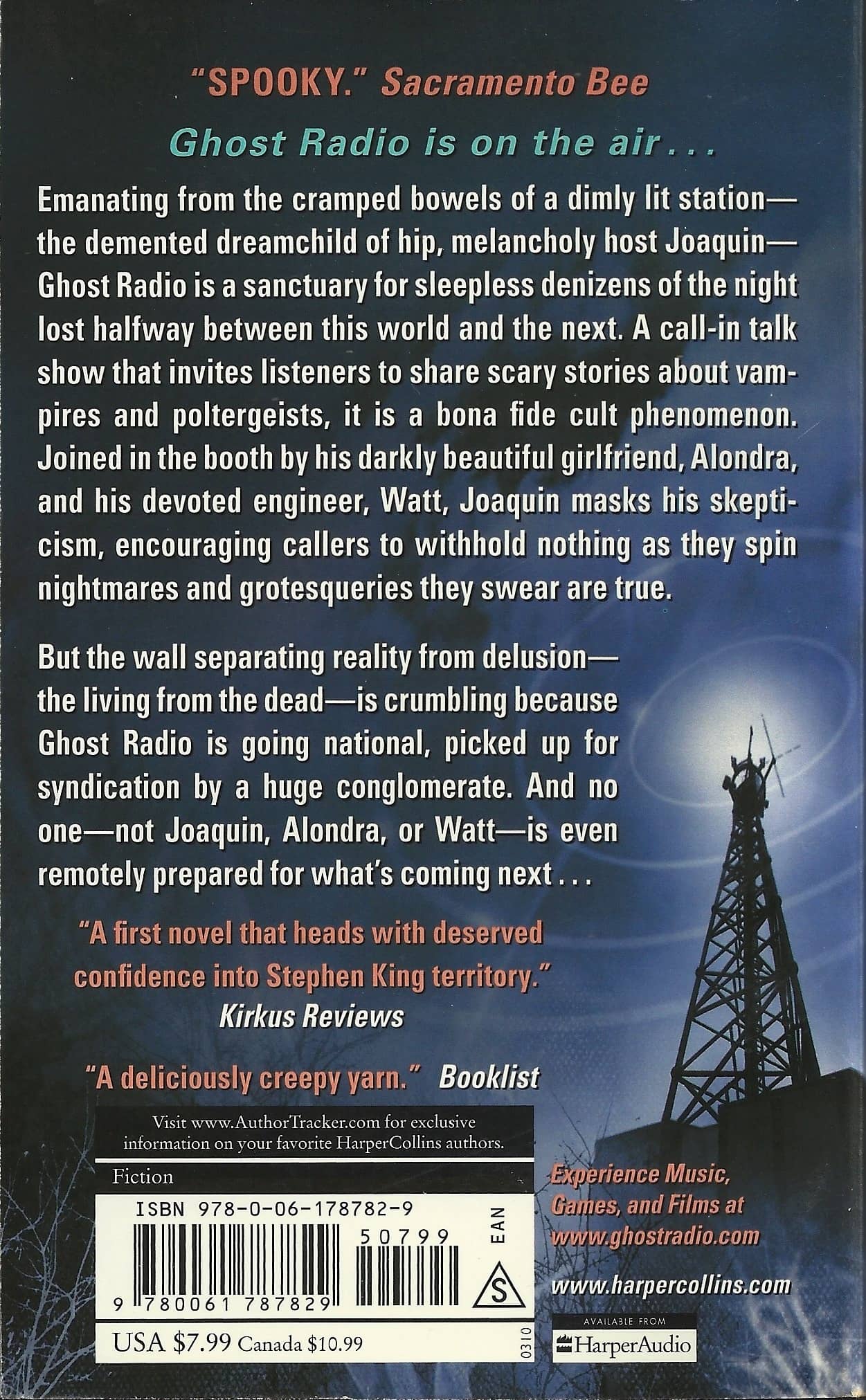
But getting back to Leopoldo Gout… he’s written two novels so far, Ghost Radio and Genius: The Game (2016) — plus a collaboration with James Patterson, Daniel X: Alien Hunter (2008). Ghost Radio was his debut, and it made something of a splash when it appeared — Booklist called it “A deliciously creepy yarn,” and Kirkus praised it as “A first novel that heads with deserved confidence into Stephen King territory.” There’s also a cover blurb by James Patterson, which, really, seemed like the least the guy could do for the writer  he collaborated with two months later. The paperback edition is copiously illustrated with b&w drawings by the author and someone known as “The Fates Crew.”

Ghost Radio was published by Harper in February 2010. It is 369 pages, priced at $7.99 (or $3.19 for the remaindered edition). It is still in print.

In 500 Words or Less: Dogs of War by Jonathan Maberry

In 500 Words or Less: Dogs of War by Jonathan Maberry

oie_16223419LR6sdDWQDogs of War (Joe Ledger #9)
Jonathan Maberry
St. Martin’s Press (544 pages, $10.99 paperback, April 2017)

When I was a kid (and into my late teens/early adulthood), I grew up watching the series 24. Right from the Season One premiere on Fox, my parents and I were hooked, and watching became one of my family’s few rituals. Yes, 24 was a sometimes-ridiculous show and not without its problems, but what I loved was how real it was. This was the first program I watched where the hero really showed the effects of the terrible things he went through, and how he overcame personal and emotional hurdles to somehow save the day. (And we all hope Jack Bauer manages the same in Russian prison, until Kiefer Sutherland returns to the role).

The above is one of the main reasons I’m such a fan of the Joe Ledger series by Jonathan Maberry, and have waited with baited breath for each sequel since I first tore through Patient Zero like the book’s pathogen-infused zombies. Much like 24 was about way more than Jack Bauer, this series is about way more than its main protagonist, Joe Ledger, and is filled with a host of deeply-imagined heroes and villains. So the short version of this review is essentially two points: first, that if you’ve never read this series, you really need to; and second, if you’ve read even part of the series and you’re worried that it might lose steam nine books in, your worries are needless. If anything, each book is better than the next, which is a feat I’ve only encountered from one other author besides Maberry.

Every Joe Ledger novel features some sort of established horror premise – like vampires, zombies, and even Cthulhu – and gives it a mad science twist, where the cause of this horror is genetic engineering, pathogens or computer software. Dogs of War actually opens with a warning from Maberry that the drones and nanotechnology he discusses are based on projects that already exist or are in some stage of development, which possibly makes this novel the most horrifying of them all.

Read More Read More

New Treasures: The Forgotten Girl by Rio Youers

New Treasures: The Forgotten Girl by Rio Youers

The Forgotten Girl Rio Youers-smallRio Youers’ short fiction has been published in Postscripts, Northern Haunts, 21st Century Dead, End of the Road, Seize the Night: New Tales of Vampiric Terror, and other fine venues. James McGlothlin called “Outside Heavenly,” his contribution to Best Horror of the Year: Volume Seven, “By far my favorite tale… outstanding. It really made the hairs on the back of my neck stick up.”

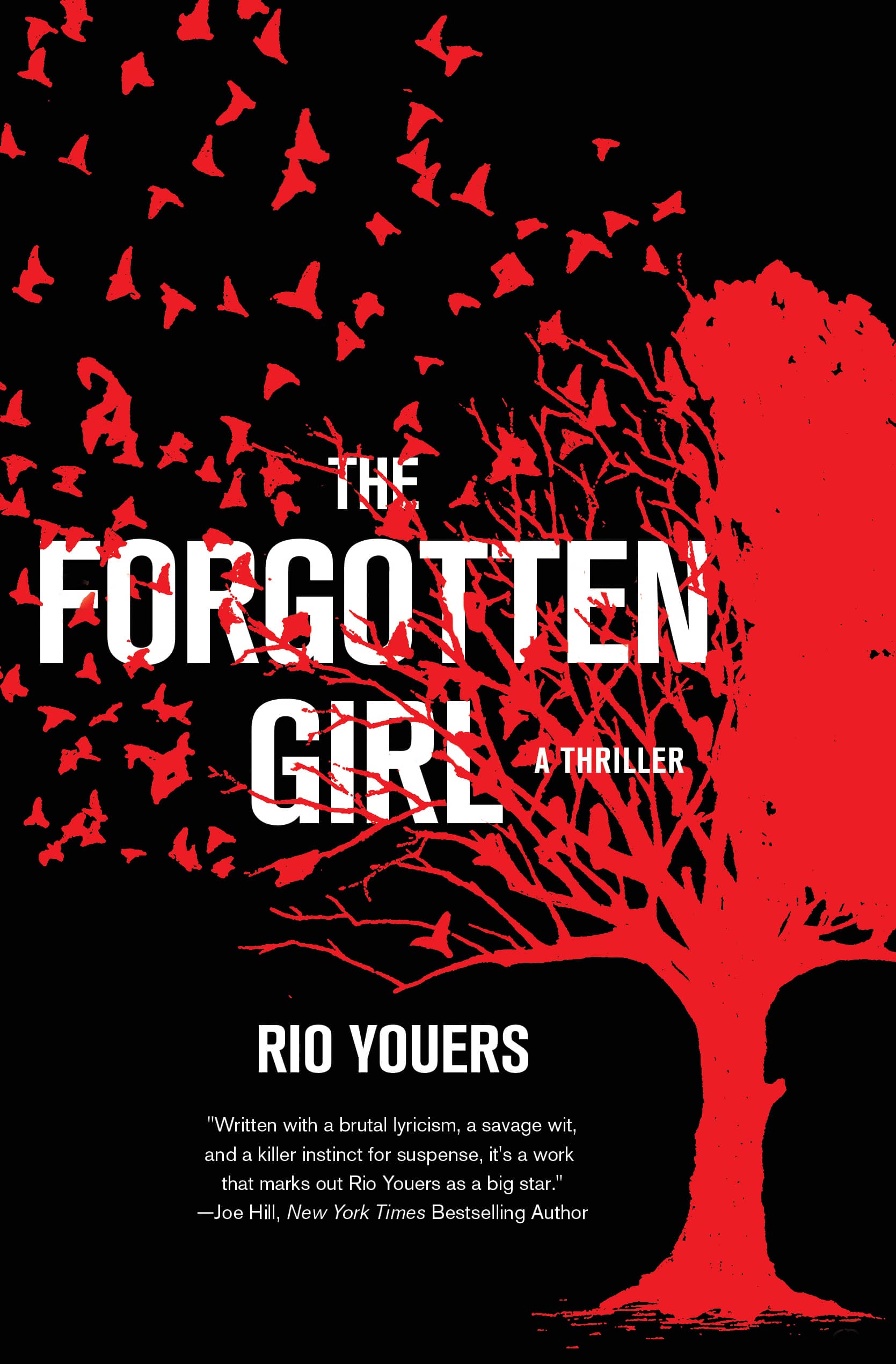
Youers’ novels include Westlake Soul (2012), which Matthew David Surridge said has “a lot of heart” in his Black Gate review, and Point Hollow (2015). His latest is a dark mystery that Joe Hill calls “An absolute rocket… a supernatural thriller that thunders along at Mach 5 from the first page to the last. Written with a brutal lyricism, a savage wit, and a killer instinct for suspense.” It was published this week by St. Martin’s Press.

Harvey Anderson is a twenty-six-year-old street performer from New Jersey. He enjoys his peaceful life, but everything turns upside down when he is abducted and beaten by a group of nondescript thugs. Working for a sinister man known as “the spider,” these goons have spent nine years searching for Harvey’s girlfriend, Sally Starling. Now they think they know where she lives. And whom she loves.

There’s only one problem: Sally is gone and Harvey has no memory of her. Which makes no sense to him, until the spider explains that Sally has the unique ability to selectively erase a person’s memories ― an ability she has used to delete herself from Harvey’s mind.

But emotion runs deeper than memory, and Harvey realizes he still feels something for Sally. And so ― with the spider threatening ― he goes looking for a girl he loves but can’t remember… and encounters a danger that reaches beyond anything he could ever imagine.

Political corruption and manipulation. A serial killer’s dark secrets. An appetite for absolute, terrible power. For Harvey Anderson, finding the forgotten girl comes at quite a cost.

The Forgotten Girl was published by St. Martin’s Press on June 13, 2017. It is 343 pages, priced at $27.99 in hardcover and $14.99 for the digital edition. The cover was designed by Danielle Christopher. Read an excerpt at Criminal Element.

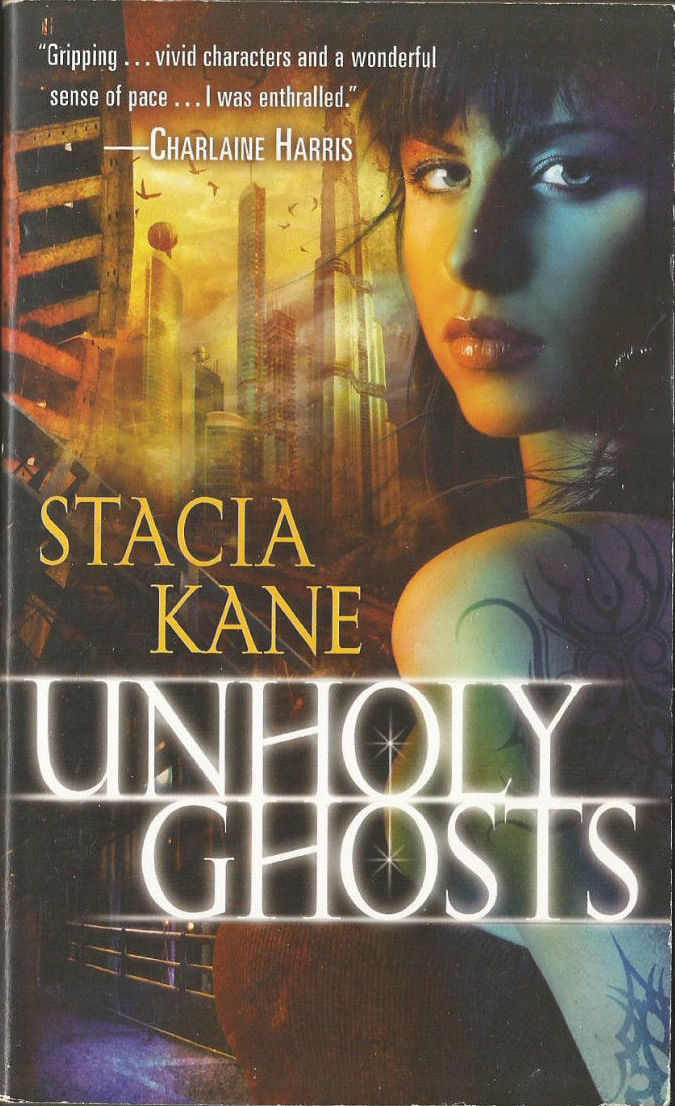
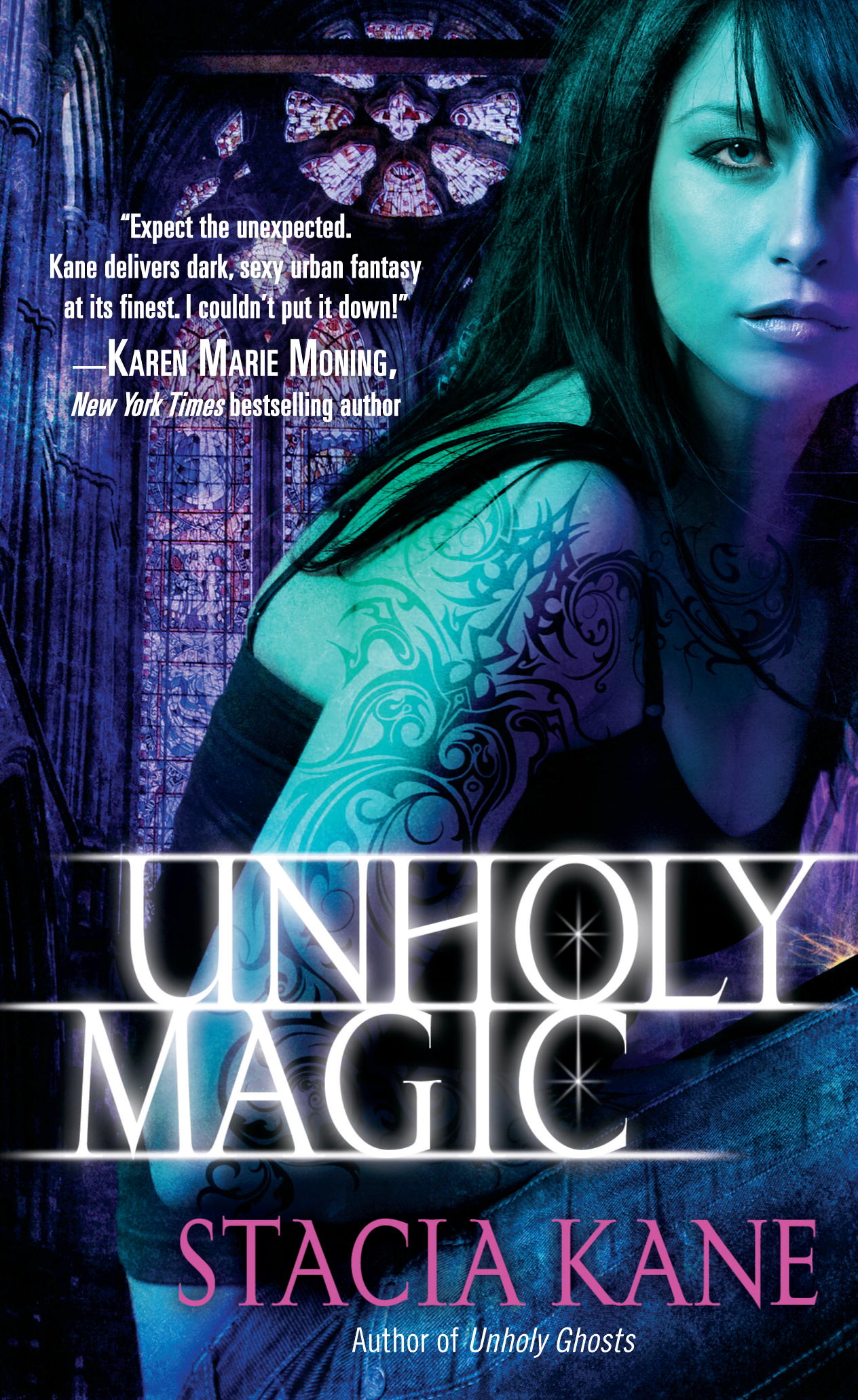
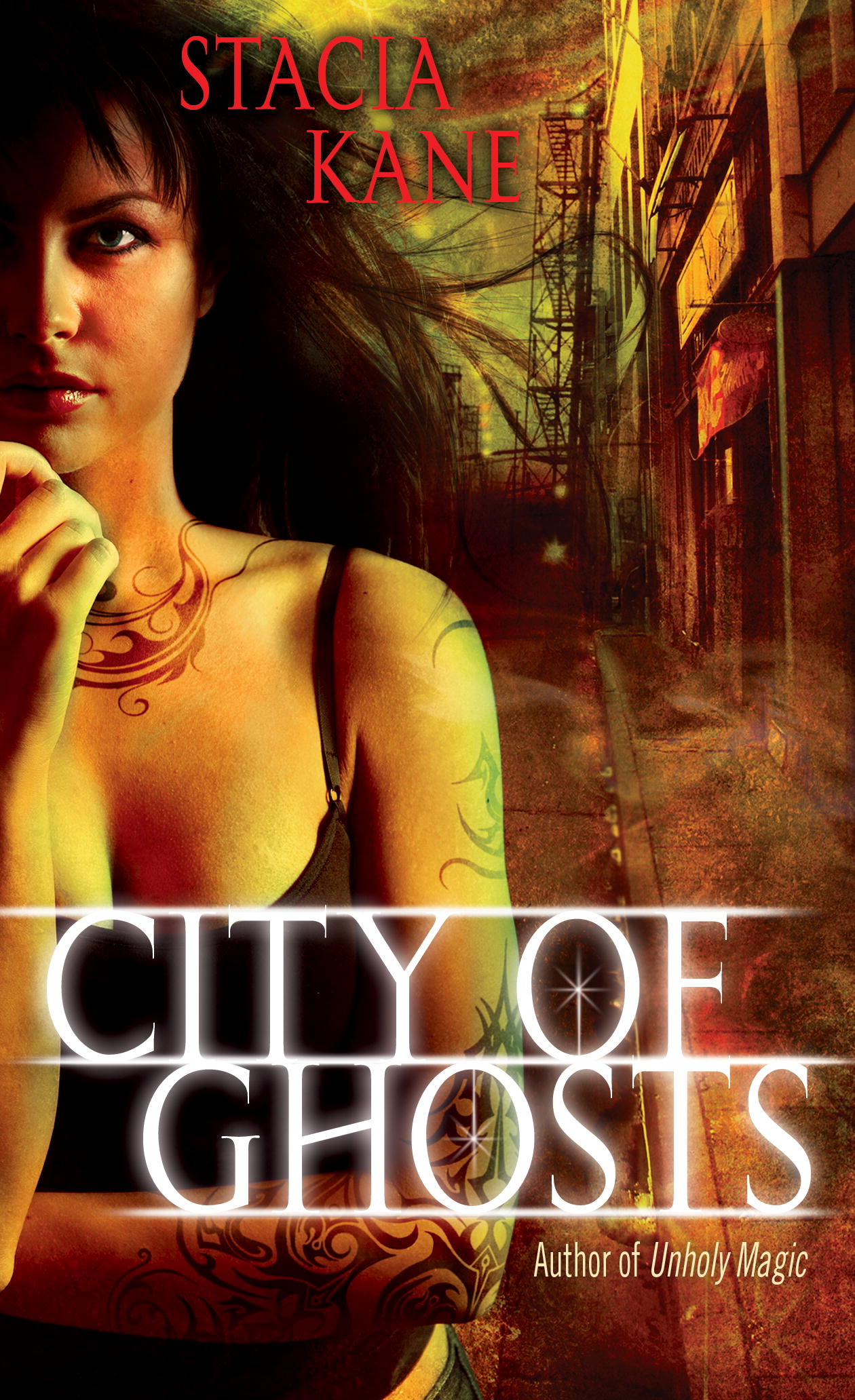
The World is Not the Way it Was: Downside Ghosts by Stacia Kane

The World is Not the Way it Was: Downside Ghosts by Stacia Kane

Unholy Ghosts-small Unholy Magic-small City of Ghosts-small

A decade ago, the shelves of my local bookstores were groaning under the weight of countless paranormal romances. Urban fantasies featuring baddass women and the dangerous men they desired (including vampires, werewolves, sorcerers, aliens, zombies, buff mannequins, and all manner of sexy and not-so-sexy undead) thoroughly dominated the genre.

Today, the paranormal romance is dead. Not even undead — totally dead. That particular vein of fantasy has been thoroughly played out, and we are not likely to see it return in our lifetime. I can’t say I’m sorry to see it go; paranormal romance was never my favorite subgenre, and while it was at its peak it so thoroughly dominated the market that it seemed to choke out everything else.

Still, hidden in every genre and subgenre, there is always good, innovative work. Amongst the derivative pseudo-erotica about well-groomed vampire lords and werewolf bikers was a handful of real gems, produced by writers using the trappings of paranormal romance to craft truly fun urban serials, and those who had tweaked the formula to come up with something uniquely their own. Now that the roaring tide has finally receded on paranormal romance it’s time to do a little beachcombing, picking out treasures in the sand. My first pick is the Downside Ghosts series by Stacia Kane, set in a dark and ominous world where the dead have risen, the living are threatened every day, and the Church of Real Truth seized power when governments around the world collapsed.

Read More Read More

More Thoughts on Ghostwriting for a Living

More Thoughts on Ghostwriting for a Living

Disorganized_books_piling_one_another

I haven’t written this many books, but I’m working on it

Last year I wrote an article about making a living as a ghostwriter. I talked about how a plethora of small presses have created a new pulp era, in which ghostwriters put out large numbers of stories and short novels under house names. It’s a world that rewards hardworking writers who can hit high word counts and deliver in a variety of genres.

That was more than six months ago, and I thought I’d share some more insights I’ve had from the crazy new world of wordsmiths.

Read More Read More