Browsed by
Category: Books

Vintage Treasures: Study War No More, edited by Joe Haldeman
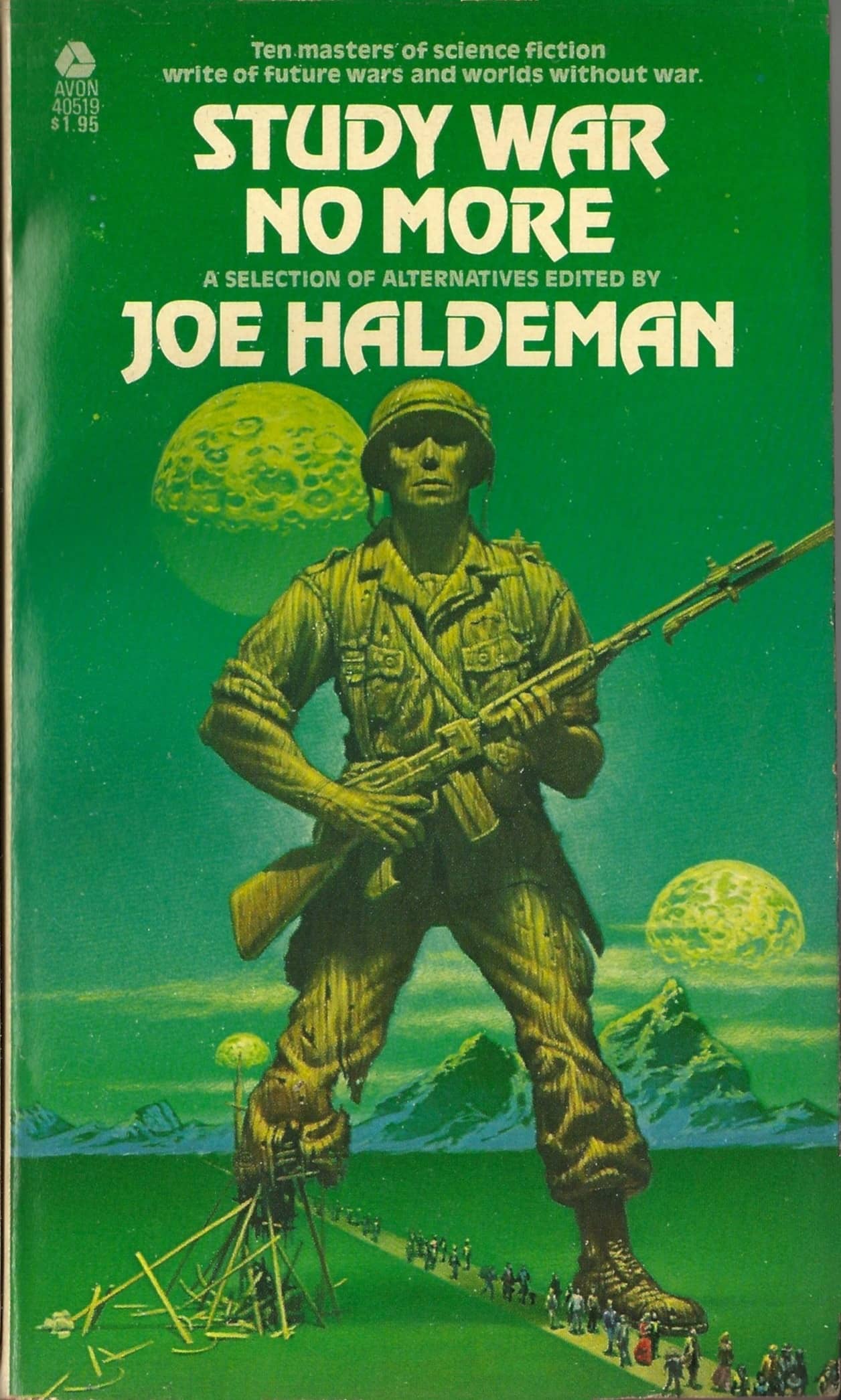
Vintage Treasures: Study War No More, edited by Joe Haldeman

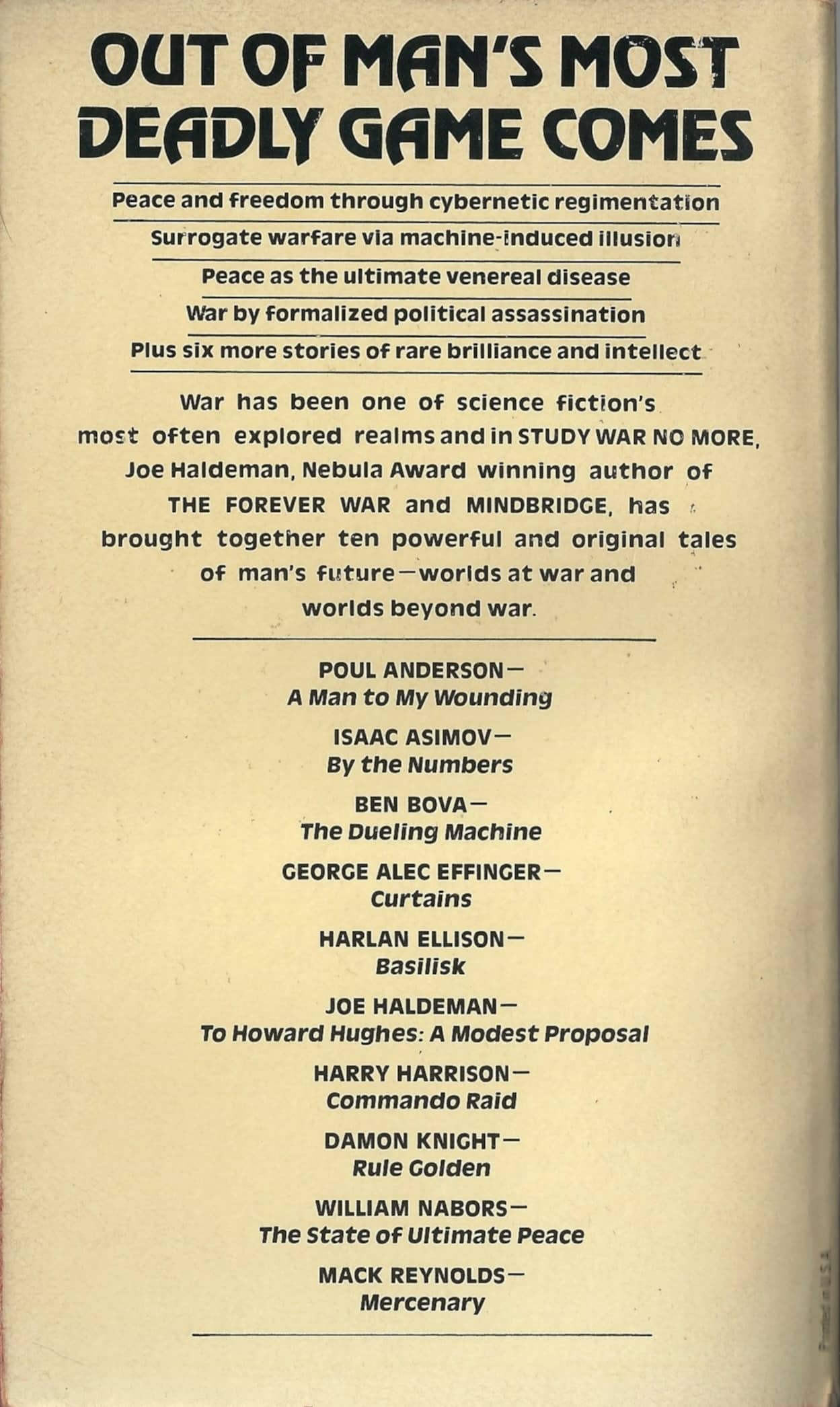
Study War No More-small Study War No More-back-small

By 1977 Joe Haldeman had already won three Hugo Awards, for his novella “Hero” (1972), his debut SF novel The Forever War, and his short story “Tricentennial” (1976), and one Nebula, also for The Forever War. He was a fast-rising star, and in November of that year he added the anthology Study War No More to his fast-growing SF catalog. It contained stories by some of the greatest SF writers of the time — including Poul Anderson, Harry Harrison, Isaac Asimov, George Alec Effinger, Damon Knight, and Mack Reynolds — that addressed the problem of war. Here a snippet from his introduction:

Fear of the atom was such an effective deterrent that it was over two weeks before war broke out again. A fellow with a wispy beard seized control of Hanoi. The editor of this anthology was in diapers when that happened; it lasted long enough to give him his first white hairs, and then five years more…

But why this anthology? The absurdity and outrage of war may be quite obvious, but trying to find a solution to it has occupied the energies of the race’s finest philosophers and poets for thousands of years, to no conspicious success.

Science fiction writers are generally renowned neither for the depth of their philosophy nor the fineness of their poetry, so isn’t it presumptuous of them to take on so formidable, yet subtle, an opponent? The answer is a duet: a soft “no,” and a loud “Hell, no!”

Haldeman was intimately familiar with war; he was a combat engineer in Vietnam who was wounded and received a Purple Heart. The inside cover of Study War No More addressed his experience, and how it had influenced his writing. Here it is.
Read More Read More

Rebels in a Society of Masks: The Masks Of Aygrima Trilogy by E.C. Blake

Rebels in a Society of Masks: The Masks Of Aygrima Trilogy by E.C. Blake

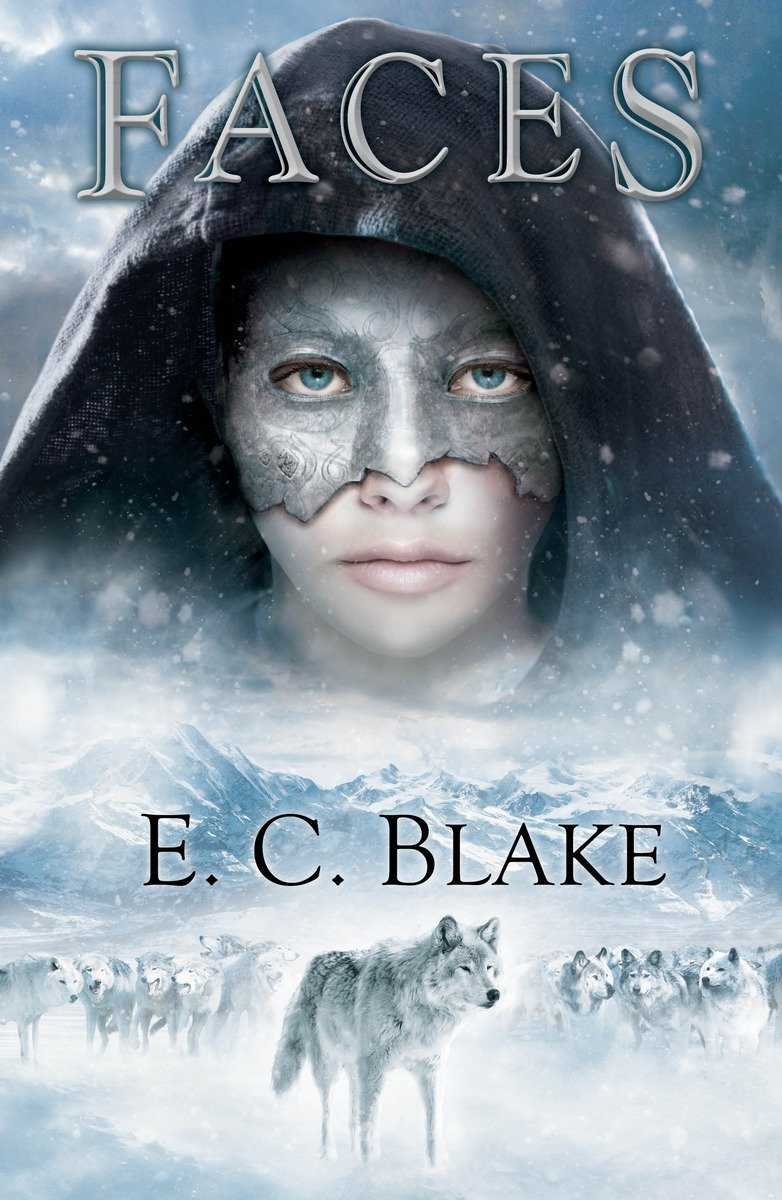
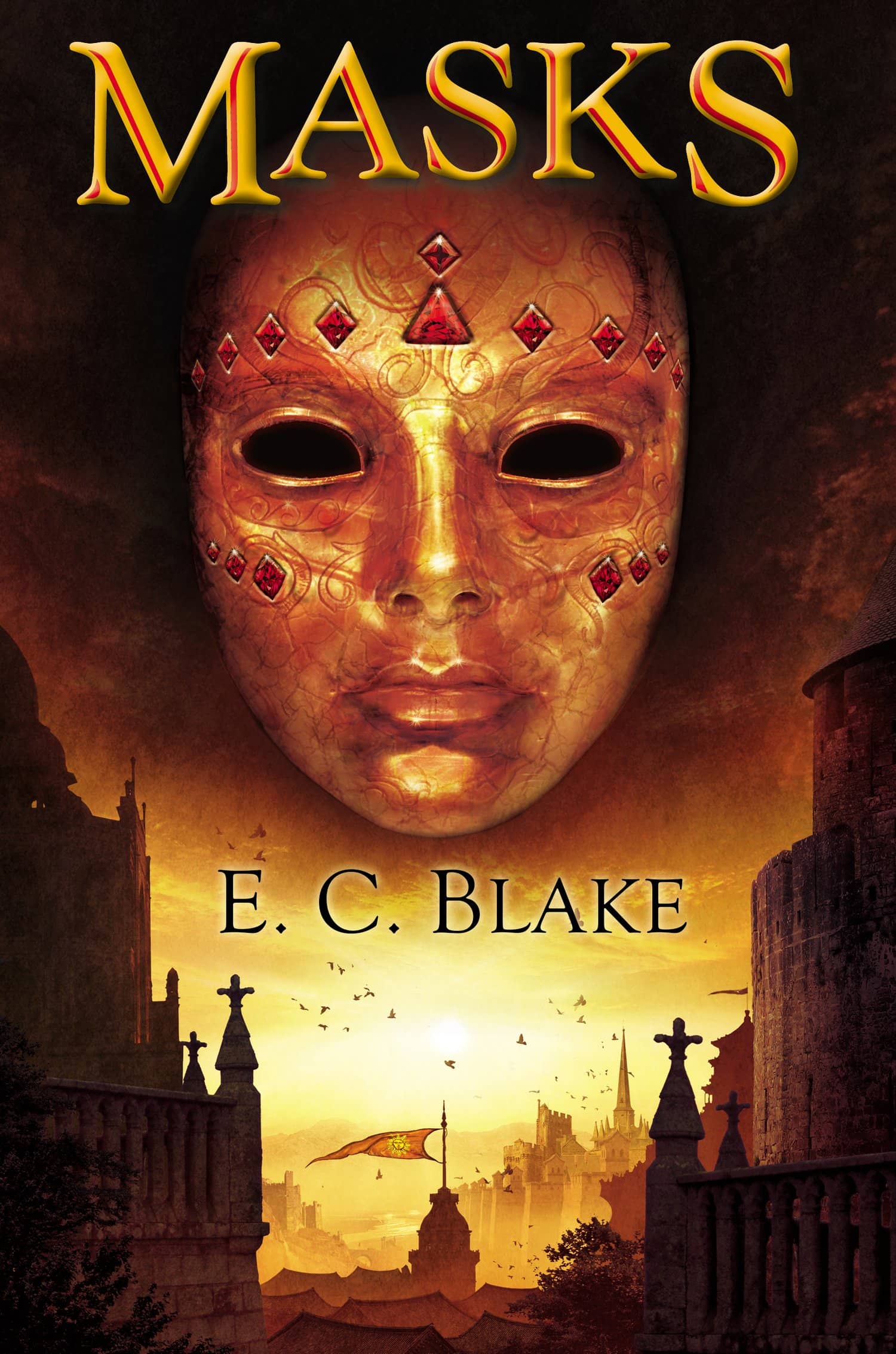
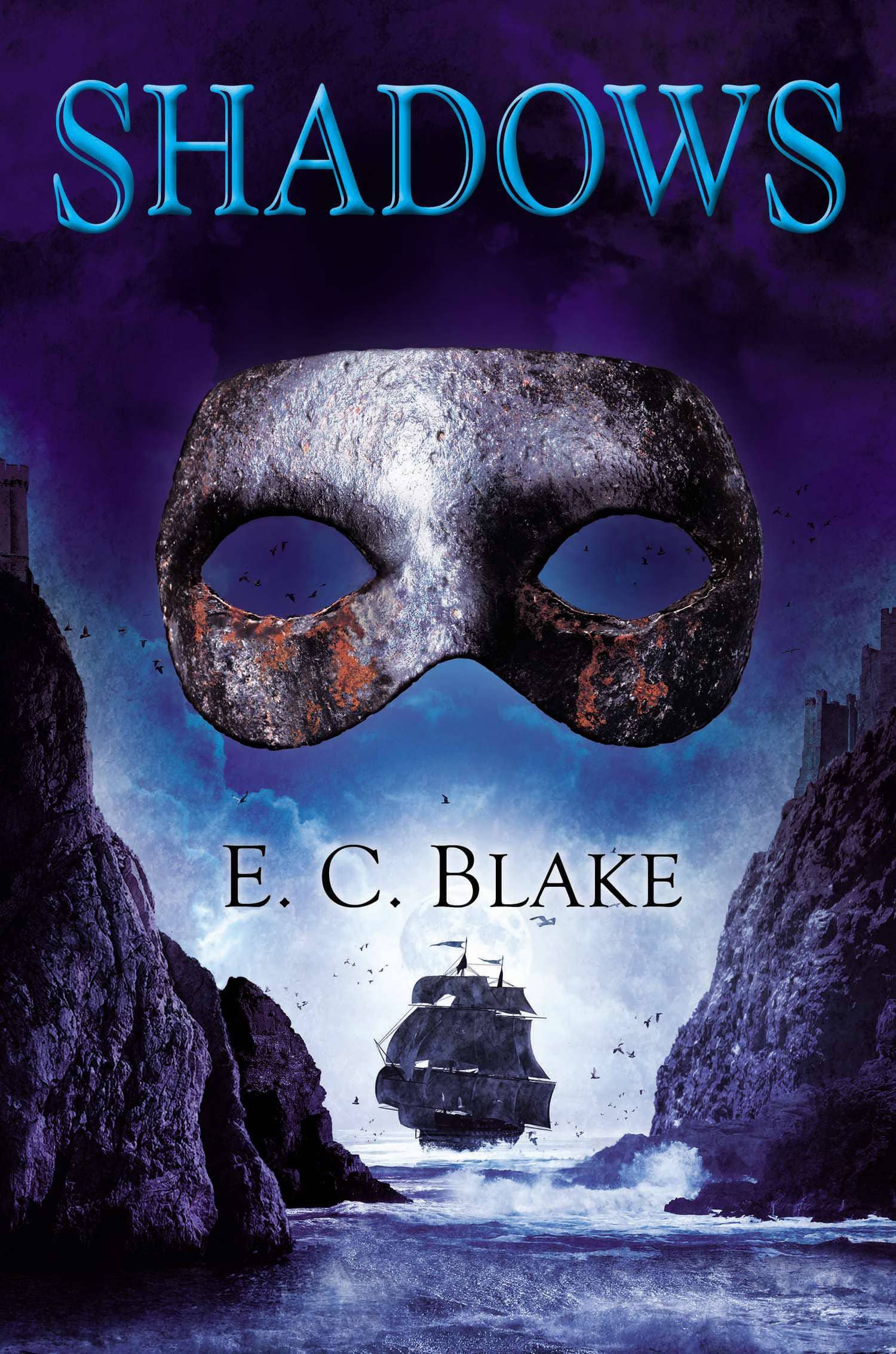
EC Blake Masks-small EC Blake Shadows-small EC Blake Faces-smll

E.C. Blake is a pseudonym for Canadian writer Edward Willett, author of The Helix War novels, The Cityborn, and Magebane (written as Lee Arthur Chane), all from DAW Books. His debut novel as “E.C. Blake” was Masks, a 2013 hardcover; he followed it with two more in rapid succession to complete the trilogy. All three were published by DAW; the covers were by Paul Young.

Masks (396 pages, $8.99 in paperback and digital, November 5, 2013)
Shadows (331 pages, $7.99 in paperback and digital, August 5 2014)
Faces (358 pages, $7.99 in paperback and digital, July 7, 2015)

Masks won some immediate attention. Publishers Weekly called it “A delight,” and RT Book Reviews said it was “Simply impossible to put down.” Here’s occasional Black Gate blogger Julie E. Czerneda.

Brilliant worldbuilding combined with can’t-put-down storytelling, Masks reveals its dark truths through the eyes of a girl who must learn to wield unthinkable power or watch her people succumb to evil. Bring on the next in this highly original series!

All three novels are still in print. I picked up a paperback copy of Masks a few weeks ago at Barnes & Noble; it was the back-cover text that caught my attention. Here it is.

Read More Read More

Witch World by Andre Norton

Witch World by Andre Norton

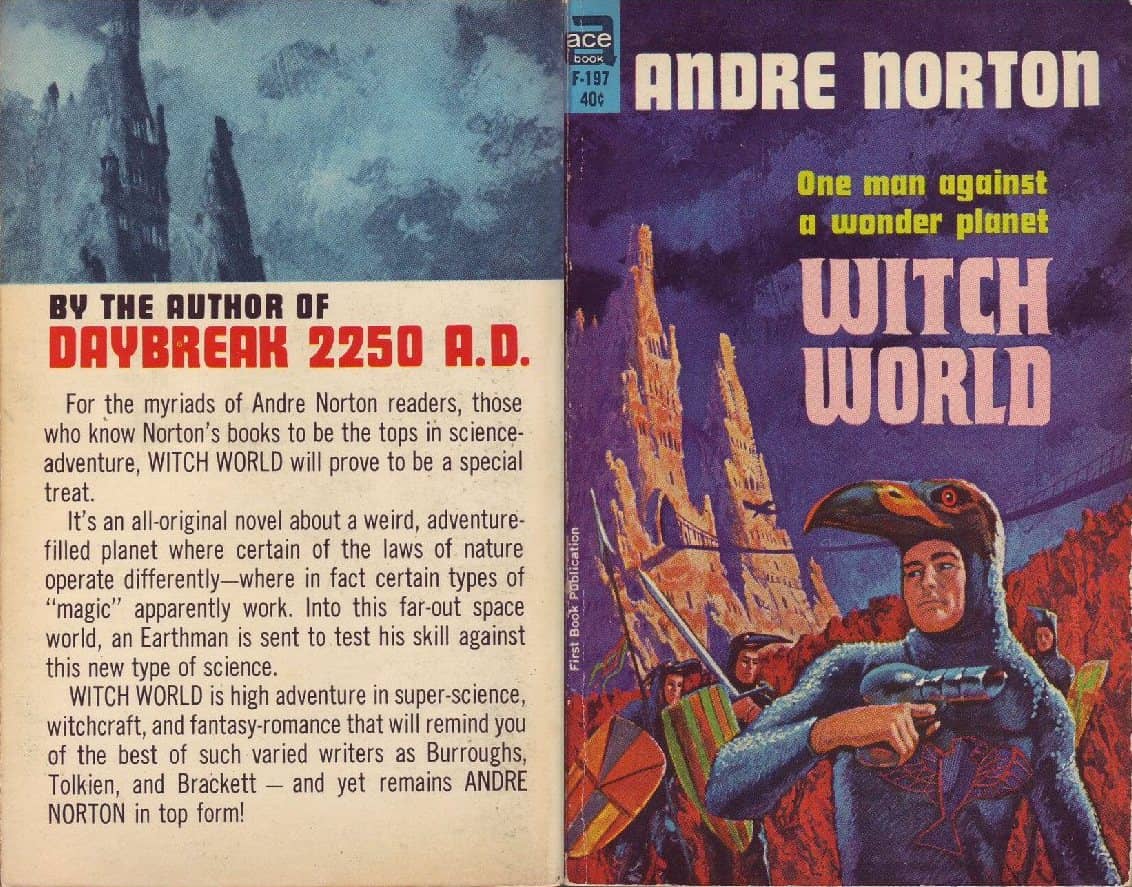
Witch World 1963-smallThis isn’t merely an excercise in cross-promotion (it is that, just not only that), but also a chance to redress a failing in my reviews of Andre Norton’s Witch World books. Neither here at Black Gate nor back at my own site, Stuff I Like, have I ever actually written about the first book in the series, Witch World. Now that I’m a “special guest” on the just released episode of the Appendix N Book Club podcast about the book, I believe I have a responsibility to write it up, too.

I’ve written a fair amount about Andre Norton’s classic Witch World series over the past six years. So far, I’ve read five of the Estcarp books, two of the High Hallack books, and two collections of short stories. While several of the books are less than stellar, overall the series is terrific.

Sadly, instead of being one of the salient series from sword & sorcery of the 1960s and 70s, it’s a half-forgotten afterthought. While I want to say that that’s a savage indictment of the nature of contemporary readers, really it’s the lamentable reality of the fate of the vast sum of popular fiction, no matter how objectively good it is or how much we love it. All a fan can do is put it out there that these are good books, still worth reading, and hope for the best.

Born in 1912, Alice Mary Norton worked as a teacher, a librarian, and finally a reader for Gnome Press before becoming a full-time writer in 1958. By then she’d already had a dozen books published, including such classics as Star Man’s Son, 2250 A.D. and Star Rangers. Based on their easy style and simpler characterizations, most of her early books would probably be classified as YA today. It was with 1963’s Witch World that Norton first wrote a full-fledged sword & sorcery book, steeped in pulp gloriousness.

The opening of Witch World is straight out of a Third Man-style film noir. Some years after the close of WWII, Simon Tregarth is a disgraced ex-US Army Lieutenant Colonel and desperate black marketeer on the run from his own associates. He’s just killed two of them, but the worst and most dangerous is still hunting for him.

Read More Read More

Action Star of Hollywood’s Golden Age: Errol Flynn: The Life and Career, by Thomas McNulty

Action Star of Hollywood’s Golden Age: Errol Flynn: The Life and Career, by Thomas McNulty

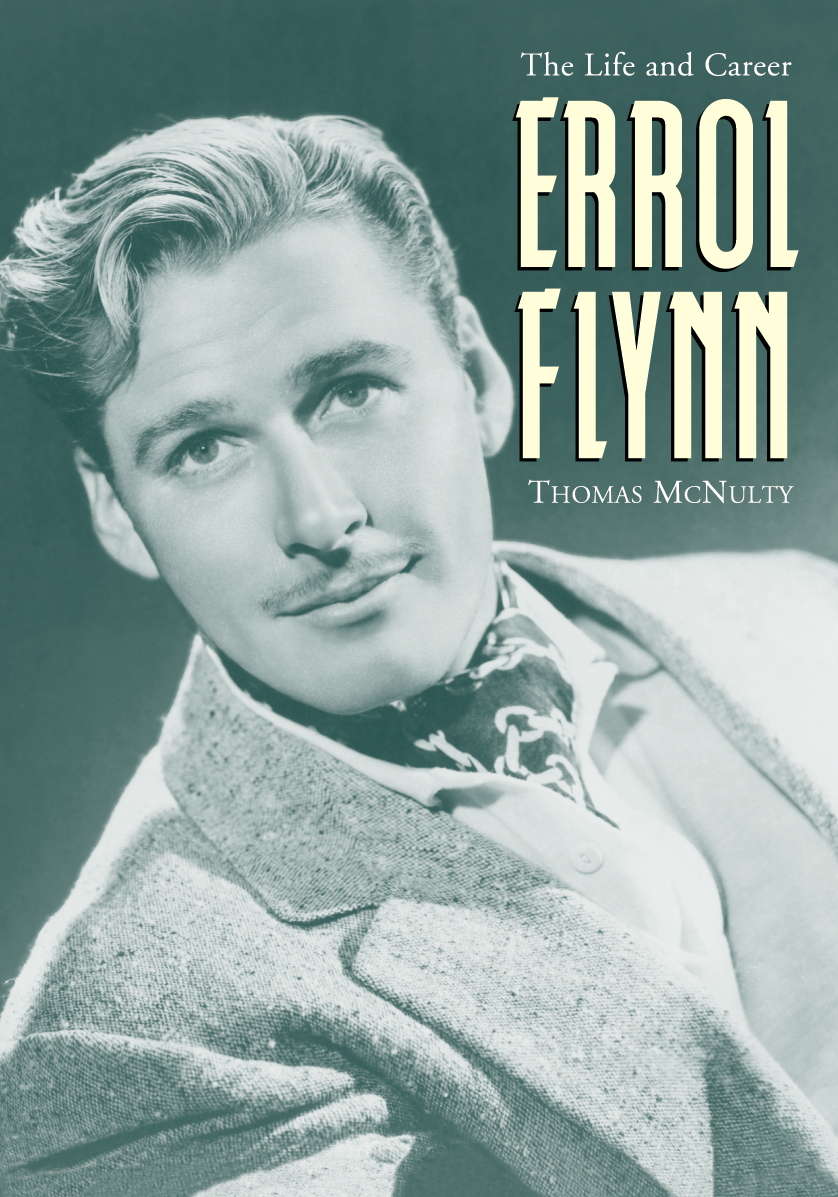
The Life and Career of Errol Flynn-smallErrol Flynn: The Life and Career
By Thomas McNulty
McFarland Publishing (381 pages, $29.95 in trade paperback/$15.99 digital, April 8, 2004)

Errol Flynn never made a fantasy film during his long career, although he portrayed a number of legendary and historical characters, such as William Tell, and the great pugilist, “Gentleman” Jim Corbett.  But undoubtedly his most famous role was the lead in 1938’s The Adventures of Robin Hood, one of the classic and most famous heroes in legend, myth, and perhaps in history, too.

Flynn  first sailed to stardom in 1935 with the success of Captain Blood, which was followed by the 1936 version of The Charge of the Light Brigade. He began 1940 with The Sea Hawk, and in 1941 he portrayed George Armstrong Custer in They Died with Their Boots on. While these films cemented the cinematic persona of Flynn as the dashing, humorous, cheeky action hero, he made three war films in which he played straight, and against type, and showed off his acting skills: The Dawn Patrol in 1938, Edge of Darkness in 1943, and Operation Burma, in 1945, these last two based on real-life events. Flynn had great respect for the military and the war effort, and he played the leads in these three films with a grim sincerity that proved he could do more than wield a sword and shoot a longbow.

While Douglas Fairbanks, Senior was the first action star of the silent film era, Flynn was, in my opinion, the first action hero of the “talking motion picture.” You might think that Douglas Fairbanks, Junior would have inherited the crown from his father, but it was Flynn who won the throne.

Flynn also published two novels in his lifetime: Beam Ends, in 1937 — a travel and adventure novel; and Showdown, a 1946 romantic adventure. His also wrote his autobiography in 1959, My Wicked, Wicked Ways, which has never been out of print. Flynn not only inspired a genre and many other actors, he also inspired me. He appears (with both Fairbanks Senior and Junior) in my novella, The Pirates of Penance, which appeared in the 2017  Heroes in Hell anthology Pirates in Hell. (There’s also a lot of Flynn to be found in my and Dave Smith’s pirate fantasy, Waters of Darkness.)

Read More Read More

On the Run with the Unluckiest Writer Alive: True Fiction by Lee Goldberg

On the Run with the Unluckiest Writer Alive: True Fiction by Lee Goldberg

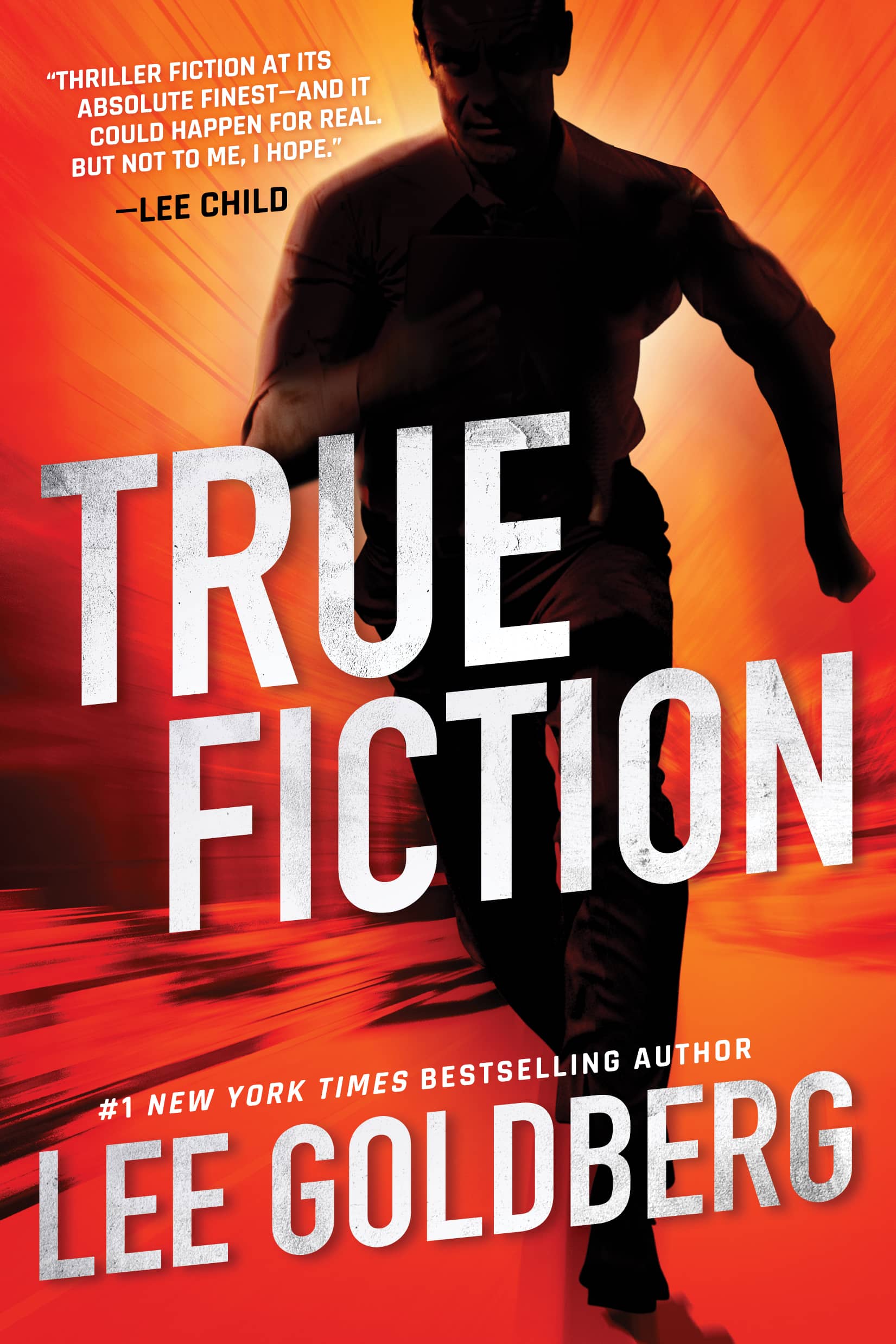
True Fiction Lee Goldberg-smallLee Goldberg broke into writing the old fashioned way — as a journalist. His first articles were for Starlog, Newsweek, and American Film, and he soon graduated to writing scripts for SeaQuest, Diagnosis Murder, She-Wolf of London, and the hit Monk. His writing credits also include 15 books based on Monk, and the bestselling Fox & O’Hare novels co-written with Janet Evanovich.

His latest, True Fiction, strikes out into thriller territory, with the tale of the unluckiest writer alive, bestselling thriller writer Ian Ludlow. (Goldberg’s first novel, .357 Vigilante, was written under the name “Ian Ludlow,” which he admits he chose so he’d “be on the shelf next to Robert Ludlum.”)

When a passenger jet crashes onto the beaches of Waikiki, bestselling thriller writer Ian Ludlow knows the horrific tragedy wasn’t an accident.

Years before, the CIA enlisted Ian to dream up terrorism scenarios to prepare the government for nightmares they couldn’t imagine. Now one of those schemes has come true, and Ian is the only person alive who knows how it was done… and who is behind the plot. That makes him too dangerous to live.

Ian goes on the run, sweeping up an innocent bystander in his plight — Margo French, a dog walker and aspiring singer. They are pursued by assassins and an all-seeing global-intelligence network that won’t stop until Ian and Margo are dead. Ian has written thrillers like this before, but this time he doesn’t know how it’s going to end — or if he will be alive to find out.

True Fiction is the first novel in the Ian Ludlow series. The second, Killer Thriller, arrives in February 2019.

True Fiction was published by Thomas & Mercer on April 1, 2018. It is 237 pages, priced at $24.95 in hardcover and $4.99 for the digital edition.

The Quatermass Experiment: The Shakespeare of Sci-Fi Television

The Quatermass Experiment: The Shakespeare of Sci-Fi Television

The Quatermas Experiment-small

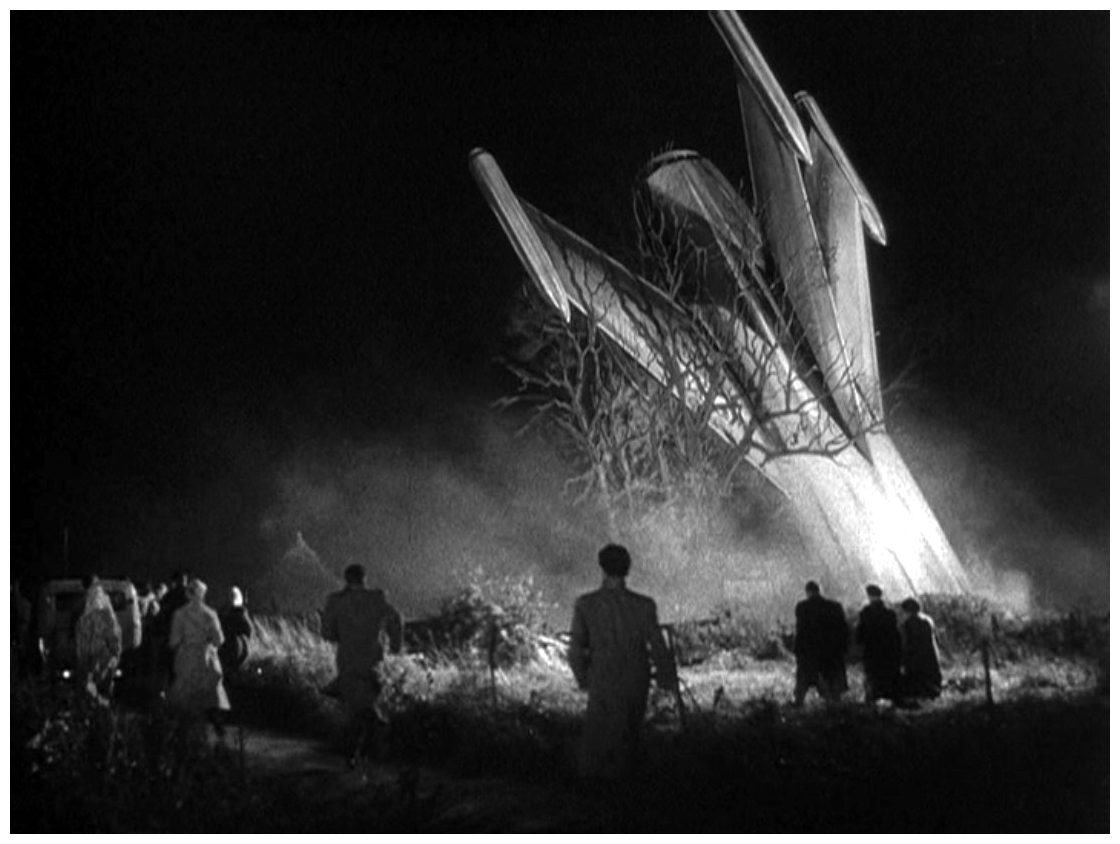
One of the most influential series in early television has actually made its way into science fiction history as a book. You can see my copy below: The Quatermass Experiment by Nigel Kneale, a plain 1959 paperback with the classic Penguin orange, cream, and black cover.

Ridley Scott’s Alien, John Carpenter’s The Thing, the very existence of Doctor Who, not to mention 1980s-1990s films such as Life Force, Species, and The Astronaut’s Wife, and contemporary films such as Under the Skin, Life and The Cloverfield Paradox, where alien invasion takes the form of infection and transformation – all these are different faces of a genre that began with The Quatermass Experiment in the shaky, static-filled first days of black-and-white television – back with the British Broadcasting Corporation (BBC) in the years after World War II.

In 1953, Nigel Kneale was a young writer and actor on the make. He had won an award for his 1949 short story collection Tomato Cain (a book which includes, among more naturalistic tales, portraits of vengeful nature and ancient supernatural evil that foreshadow his later works for TV and film). After graduating from the Royal Academy of Dramatic Art, Kneale did some acting, but he had more success as a writer in the emerging field of television.

Read More Read More

Vintage Treasures: Copernick’s Rebellion by Leo A. Frankowski

Vintage Treasures: Copernick’s Rebellion by Leo A. Frankowski

Copernick's Rebellion-small Copernick's Rebellion-back-small

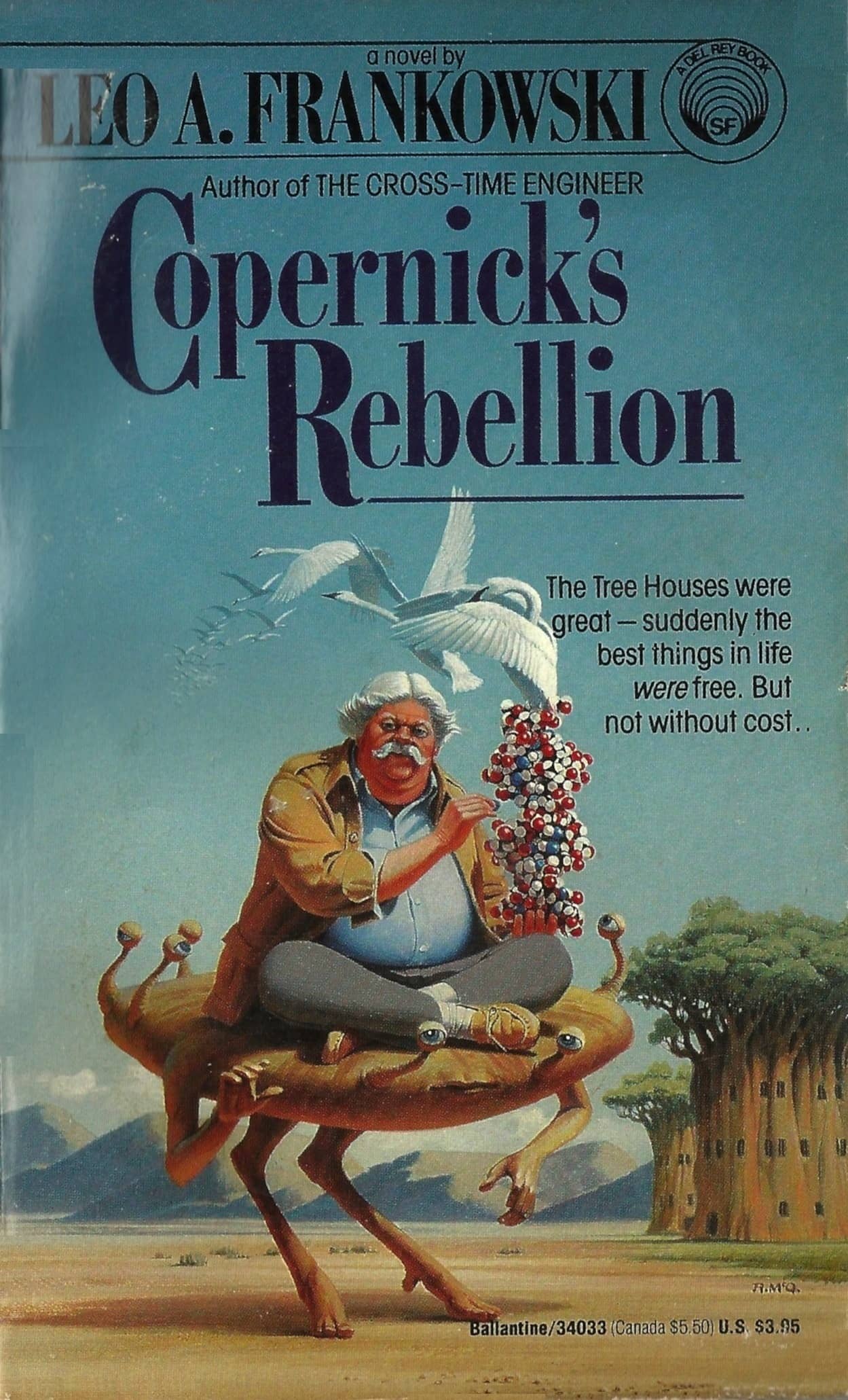
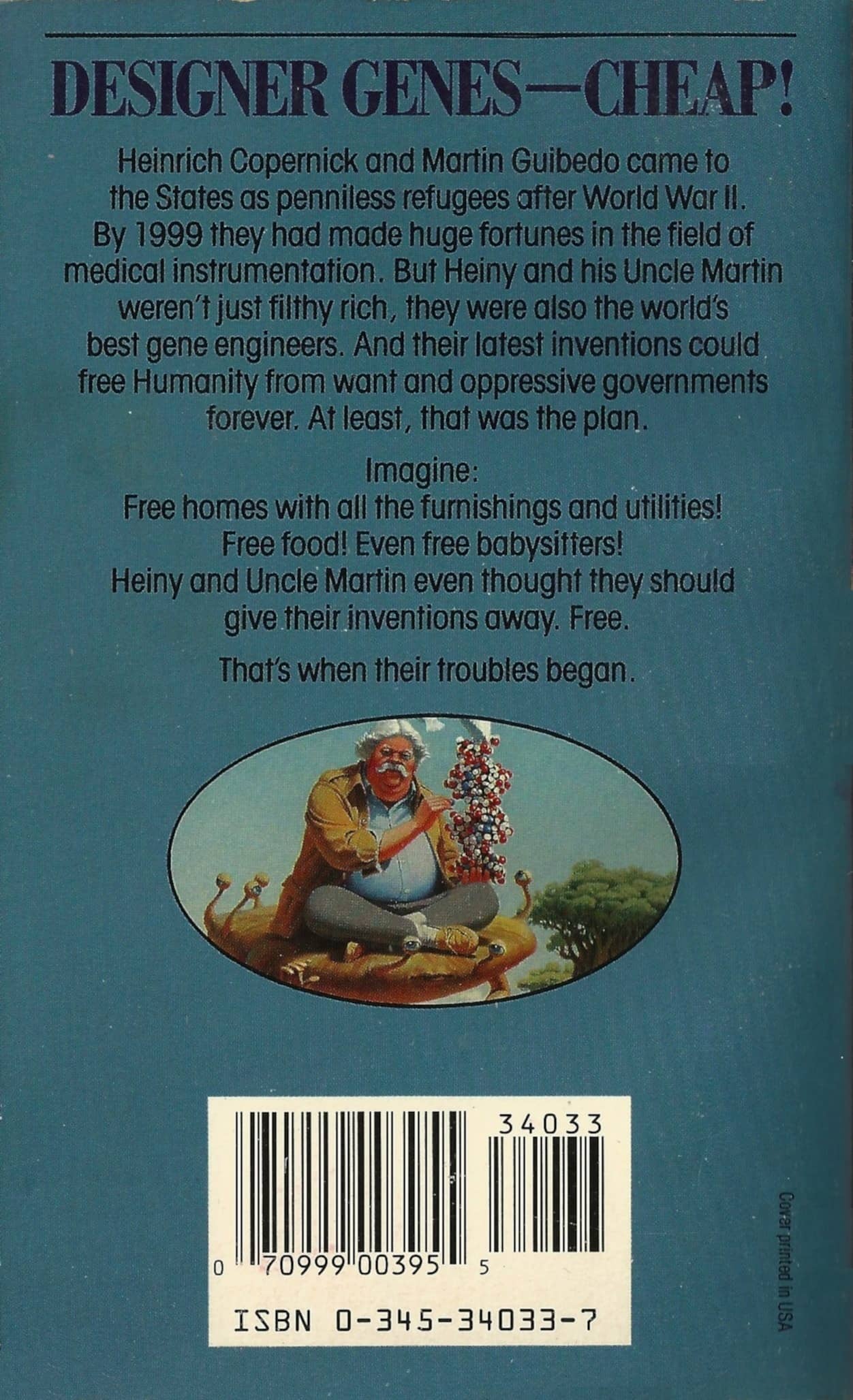
I don’t know much about Leo A. Frankowski. But when I saw his 1987 novel Copernick’s Rebellion on eBay, I knew I had to have it. It belongs to that peculiar sub-genre of science fiction my friends and I used to call, “Explore the universe and meet strange new aliens. And then ride them like a pony.”

Frankowski was an engineer who sold his first novel, The Cross-Time Engineer, to Del Rey in 1986. It became the opening book in a 7-volume series eventually known as the Adventures of Conrad Stargard, which also included The Flying Warlord (1989), Lord Conrad’s Lady (1990), and others. His other novels include A Boy and His Tank (1999) and The Fata Morgana (1999), both for Baen. He died in December 2008.

Virtually all of Frankowski’s work is out of print, and there aren’t a lot of publishers who would take a chance on him today. On his website he claimed “males with military and technical backgrounds often approach me as though I were something holy… [with an] excess of almost worship,” and famously identified those who disliked his work as “feminists, liberals, and homosexuals.” And anyone who objects to riding aliens like a pony, I’m willing to wager.

Copernick’s Rebellion was published by Del Rey in April 1987. It is 202 pages, priced at $2.95 in paperback. The cover art is by the great Ralph McQuarrie. It has been out of print since 1989, and there is no digital edition. See all our recent Vintage Treasures here.

Announcing the 2018 Hugo Award Finalists

Announcing the 2018 Hugo Award Finalists

Featured_HugoAward Spiffy

Holy neutron stars, it’s the end of March, and you know what that means…. it’s time to announce the finalists for the 2018 Hugo Awards! Doubtless most of you paid close attention to Rich Horton’s suggestions for the best science fiction and fantasy of last year, did a lot of heavy reading over the last four weeks, and thoughtfully cast your nominating ballots. Or maybe not.

But either way, it’s time to see who all your fellow voters nominated. Ready? Here we go.

Best Novel

The Collapsing Empire, by John Scalzi (Tor)
New York 2140, by Kim Stanley Robinson (Orbit)
Provenance, by Ann Leckie (Orbit)
Raven Stratagem, by Yoon Ha Lee (Solaris)
Six Wakes, by Mur Lafferty (Orbit)
The Stone Sky, by N.K. Jemisin (Orbit)

Read More Read More

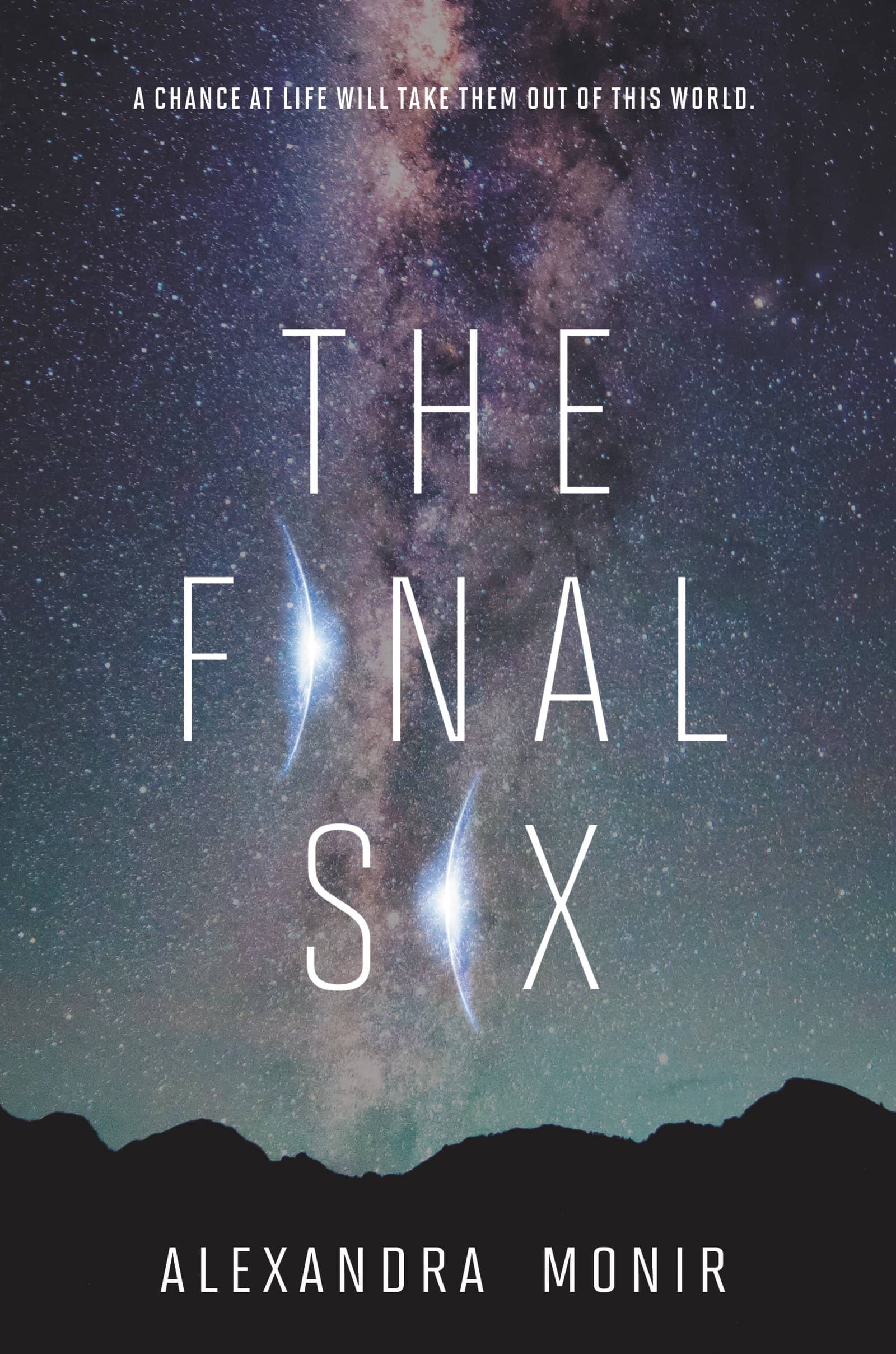
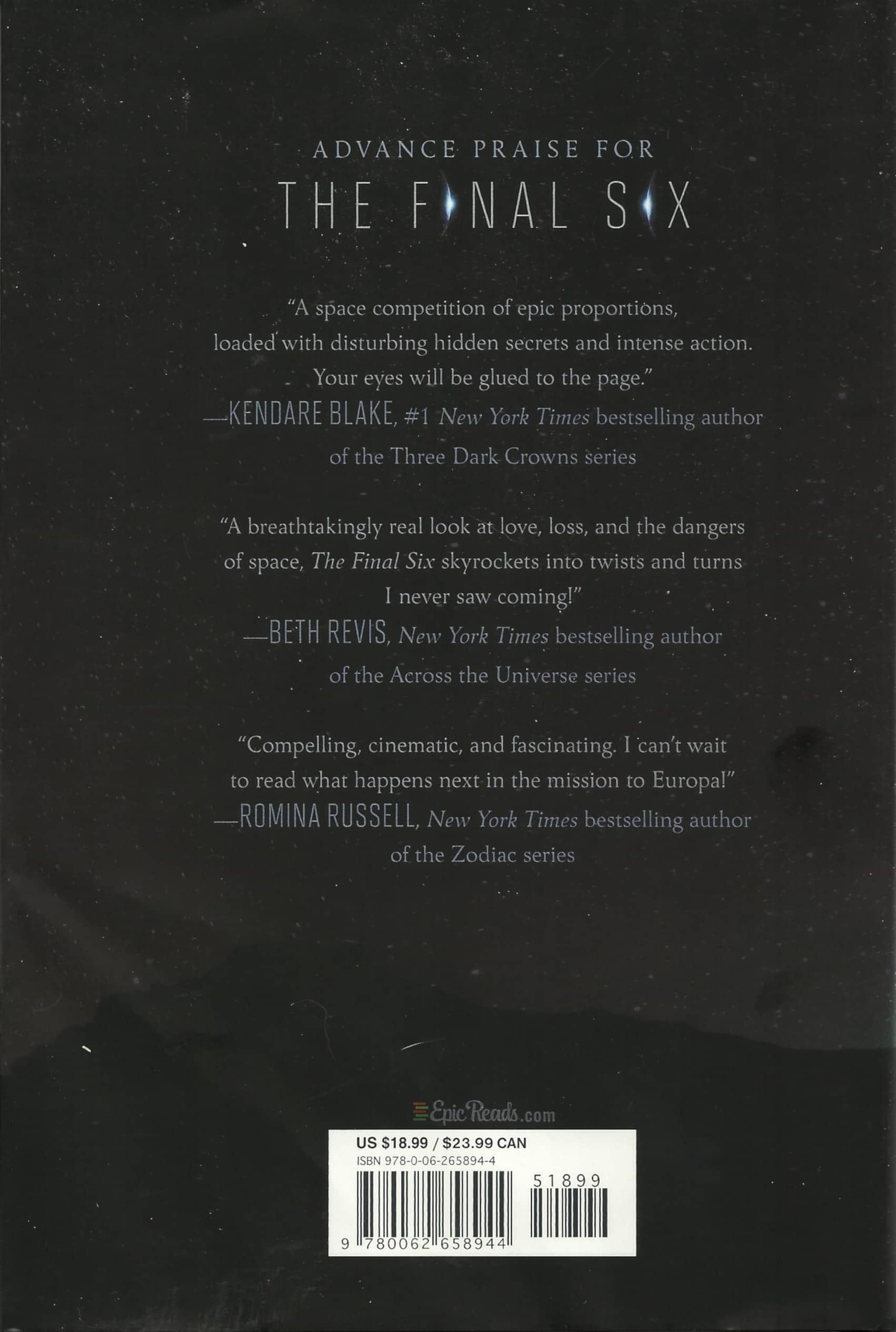
New Treasures: The Final Six by Alexandra Monir

New Treasures: The Final Six by Alexandra Monir

The Final Six-small The Final Six-back-small

Two days ago I said Raymond Z. Gallun’s The Planet Strappers was an example of a long-dead sub-genre, the adventures of “space hobbyists,” in which enthusiastic amateurs, usually teens, were the ones to conquer space through pluck, courage and sheer inventiveness. While I still think that’s true, I don’t think the teen SF novel is dead at all. In fact, here’s a fine example, Alexandra Monir’s The Final Six, the tale of six teens sent on a desperate mission to Jupiter’s moon.

When Leo and Naomi are drafted, along with twenty-two of the world’s brightest teenagers, into the International Space Training Camp, their lives are forever changed. Overnight, they become global celebrities in contention for one of the six slots to travel to Europa — Jupiter’s moon — and establish a new colony, leaving their planet forever. With Earth irreparably damaged, the future of the human race rests on their shoulders.

For Leo, an Italian championship swimmer, this kind of purpose is a reason to go on after losing his family. But Naomi, an Iranian-American science genius, is suspicious of the ISTC and the fact that a similar mission failed under mysterious circumstances, killing the astronauts onboard. She fears something equally sinister awaiting the Final Six beneath Europa’s surface.

In this cutthroat atmosphere, surrounded by strangers from around the world, Naomi finds an unexpected friend in Leo. As the training tests their limits, Naomi and Leo’s relationship deepens with each life-altering experience they encounter.

But it’s only when the finalists become fewer and their destinies grow nearer that the two can fathom the full weight of everything at stake: the world, the stars, and their lives.

Alexandra Monir is the author of Suspicion (which I covered back in 2014) and the Timeless series. It was published by HarperTeen on March 6, 2018. It is 338 pages, priced at $18.99 in hardcover and $9.99 for the digital edition. The beautiful cover was designed by Erin Fitzsimmons, with art by Getty Images. Read an excerpt at HappyEverAfter.com.

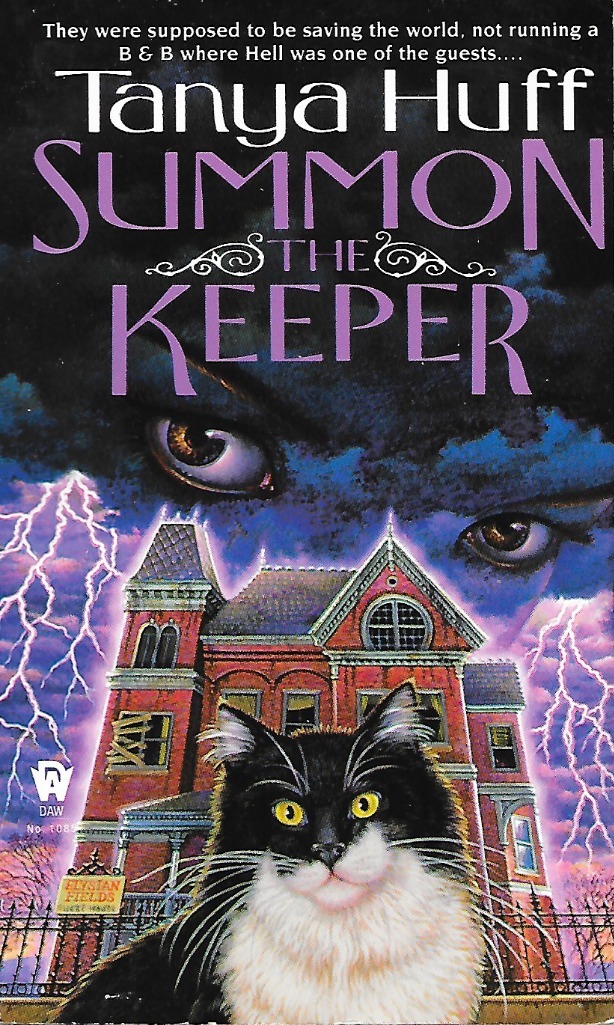
Is Pluto Still A Dog? Or, Pets In Genre Fiction

Is Pluto Still A Dog? Or, Pets In Genre Fiction

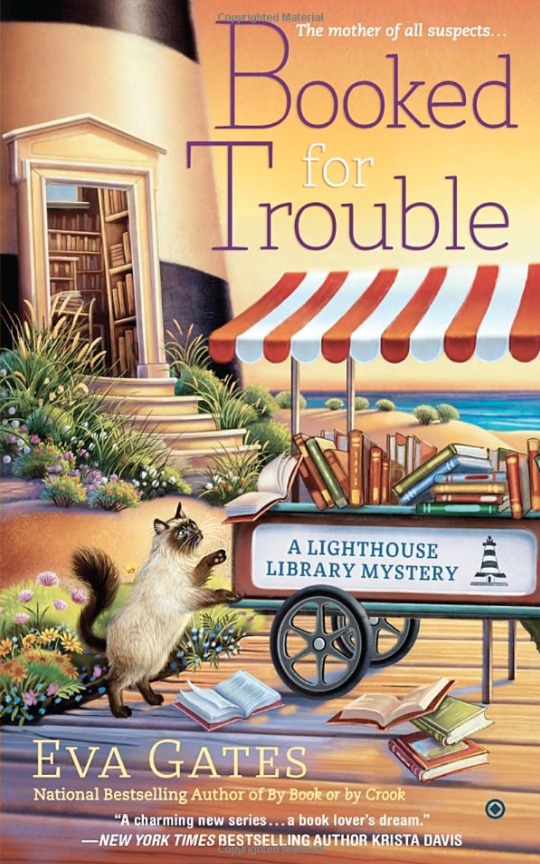
Summon the Keeper-small Booked for Trouble Eva Gates-small

There are a lot of animals in Fantasy. Plenty of horses, for example, and similar four-legged transportation. Then there are magical and mythological animals of all kinds – and some that are just plain madeupical.

What there isn’t much of in either SF or Fantasy fiction is pets. I find this significant – not the least because, next to their families, there’s probably nothing – or no one – more important to people than their pets. So are pets just too “real life” for SF and Fantasy fiction?

Now I’m not talking about works where one of the main characters is an animal, so, not Temeraire in Naomi Kovik’s novels. Not Ratty or Mole, or even Mr. Toad in Wind in the Willows.  I’m particularly not talking about cats who solve crimes – though it’s not at all unusual for protagonists of a cozy mystery to have either a dog or a cat as a pet. In fact, for a cozy, the presence of one or both is practically a requirement – check the cover art. One of the interesting things about dogs in mystery novels is that somewhere, in between all the sleuthing, the dog still has to be walked. You can’t get more real life than that.

Read More Read More