Browsed by
Category: Books

Sorcery and Science: The Broken Lands by Fred Saberhagen

Sorcery and Science: The Broken Lands by Fred Saberhagen

The Broken Lands Saberhagan-smallI wonder if Fred Saberhagen suspected that his short 1968 novel, The Broken Lands, was laying the groundwork for a series that would ultimately run 15 volumes. The initial three books, The Broken Lands, The Black Mountains (1971), and Changeling Earth (1973) — collected together as The Empire of the East — take place in America a long time after some yet-undefined catastrophe. While bits and pieces of technology — one giant piece in particular — survive, there is also magic. Wizards, familiars, demons, elementals, even love charms, they’re all there in a very unfamiliar landscape.

The setup for The Broken Lands is one only the slackest of readers haven’t encountered a hundred times or more: young boy faces off against evil empire, discovering and drawing on heretofore unknown skills and abilities. Along the way he encounters unrequited love, a wise mentor, and a villain with honor (and more style than everyone else). The primary narrative concerns the search for a secret thing with which to fight the empire. Did I mention the empire was evil?

I like this book way more than I should. Stock as the characters are, routine as the setup feels, at some point we start getting hints that something bigger and better is going on. In fact, that it feels like what’s coming next is going to be familiar, and then it isn’t, is a big part of the book’s success for me. In the meantime Saberhagen’s writing is clean and the story’s pacing is brisk. There’s little poetry in The Broken Lands, but there is an economy that keeps the undertakings lively and enjoyable.

Only recently has the much-feared Empire of the East expanded its grasping hands into the West. The people of the region, mostly farmers, have been easily conquered and cowed into submission. In addition to bronze-helmeted soldiers, the forces under the local Satrap, Ekuman, include intelligent flying reptiles and a pair of wizards. It is with his wizards the Satrap is conferring as the book begins.

Read More Read More

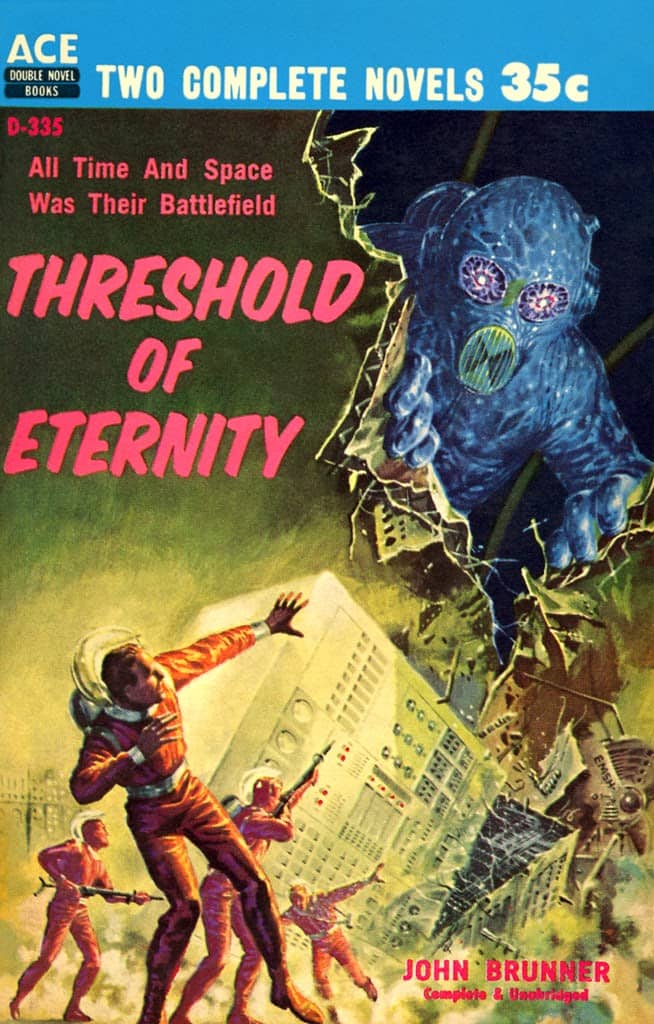
Temporal Surges and Shapeshifting Invaders: Rich Horton on Threshold of Eternity by John Brunner and The War of Two Worlds by Poul Anderson

Temporal Surges and Shapeshifting Invaders: Rich Horton on Threshold of Eternity by John Brunner and The War of Two Worlds by Poul Anderson

Threshold of Eternity John Brunner-small The War of Two Worlds Poul Anderson-small

One of the reasons I collect Ace Doubles — aside from the great cover art, and their historical significance — is that they frequently featured early work by some of my favorite authors. That’s definitely the case with Double D-335, which paired very early novels from two of the greatest SF writers of the late 20th Century, John Brunner’s Threshold of Eternity and Poul Anderson’s The War of Two Worlds.

Neither volume was reprinted in a standandalone edition after their original back-to-back appearance in 1959, so you can be forgiven if you’re unfamiliar with them. At his website Strange at Ecbatan, interplanetary paperback expert Rich Horton admits he was unaware of them until recently as well. Why review yet another obscure Ace Double?

I realized that it comprised two novels by writers I always enjoy that I was completely unaware of… I figured Anderson and Brunner are always worth a try, and anyway I have a certain quasi-completist attitude towards both of them.

Fair enough. Rich usually does his homework on the background for each book, often digging up some fascinating tidbits, and as usual he doesn’t disappoint.

Read More Read More

Birthday Reviews: Kingsley Amis’s “Mason’s Life”

Birthday Reviews: Kingsley Amis’s “Mason’s Life”

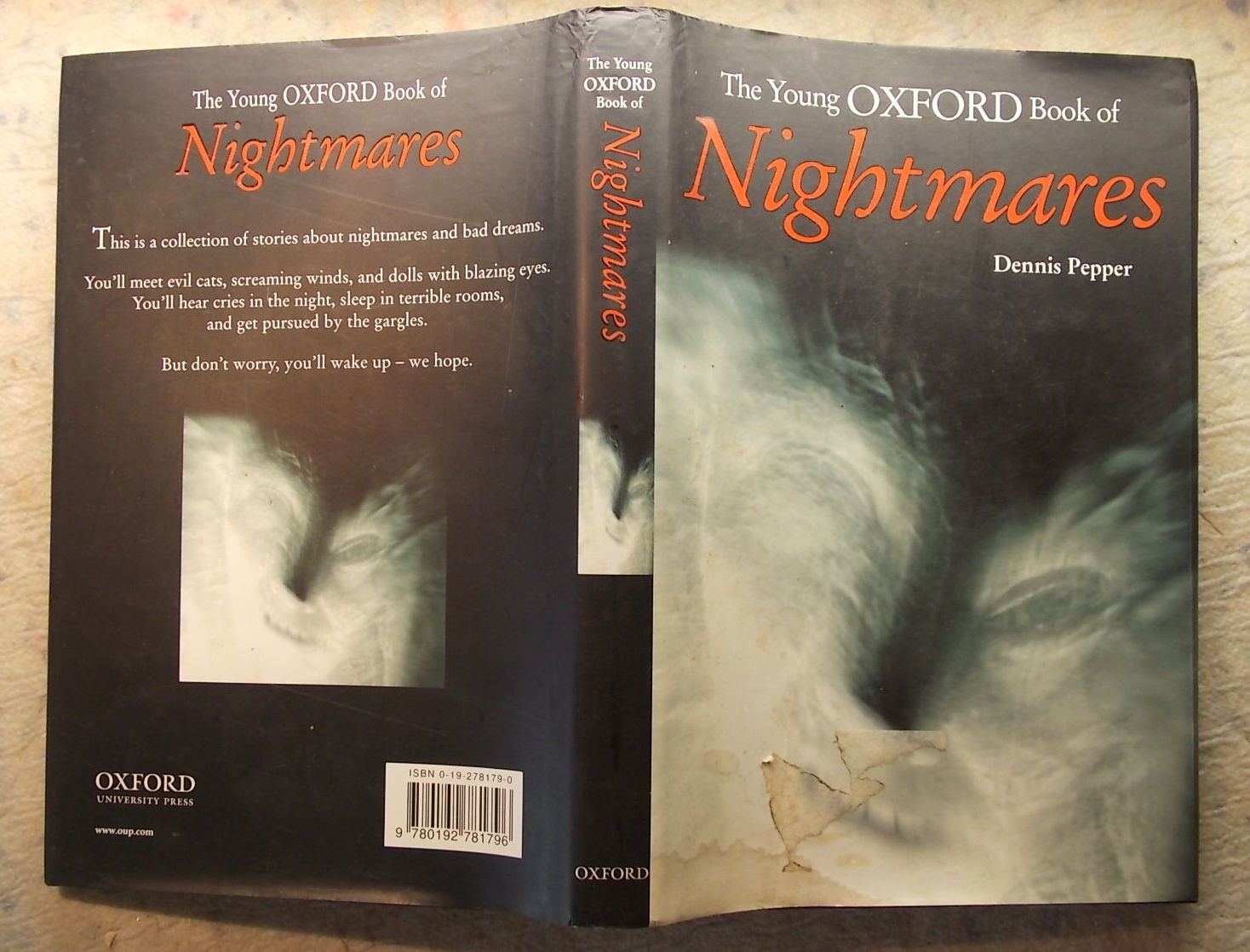
The Young Oxford Book of Nightmares-small

Cover by George Smith

Kingsley Amis was born on April 16, 1922 and died on October 22, 1995.

Amis won the 1977 John W. Campbell Memorial Award for his alternate history novel The Alteration. In 1990 he was knighted and made a Commander of the British Empire for his services to literature. Some of his major works included the novel Lucky Jim and the essay collection New Maps of Hell. He edited the five volume anthology series Spectrum with Robert Conquest. Amis’s son, Martin, also became a novelist and has written within the speculative fiction genre.

Amis originally published “Mason’s Life” in The Sunday Times in 1972. Harry Harrison and Brian W. Aldiss included it in their Best SF: 1973. Helen Hoke included the story in Ghostly, Grim and Gruesome. The story reappeared in Amis’s collection Collected Short Stories. Peter Haining used it in Ghost Tour and Sebastian Wolfe included it in The Little Book of Horrors: Tiny Tales of Terror. When James E. Gunn expanded his The Road to Science Fiction, he included the story in volume 5, The British Way, and in 2000 it was included in The Young Oxford Book of Nightmares, edited by Dennis Pepper. “Mason’s Life” was translated into French in 1979 and 1984.

“Mason’s Life” is an existential piece of fiction that describes an encounter between Daniel Pettigrew and George Herbert Mason. In their encounter, Pettigrew seems exceedingly pushy, demanding personal information of Mason moments after the two meet. Although Mason balks, he does provide Pettigrew with the requested details. Pettigrew eventually explains that he needs them so he can discover if Mason is part of Pettigrew’s dream or one of the few real people in the world.

Read More Read More

Future Treasures: Dragon Road, Book II of Drifting Lands by Joseph Brassey

Future Treasures: Dragon Road, Book II of Drifting Lands by Joseph Brassey

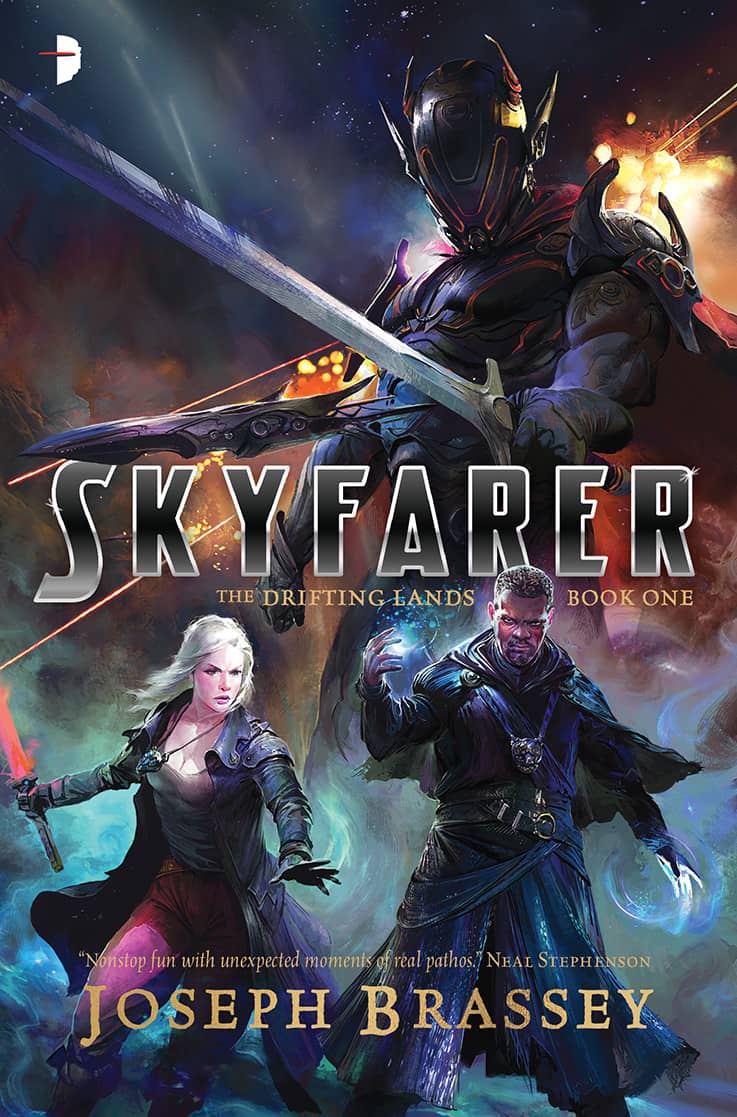
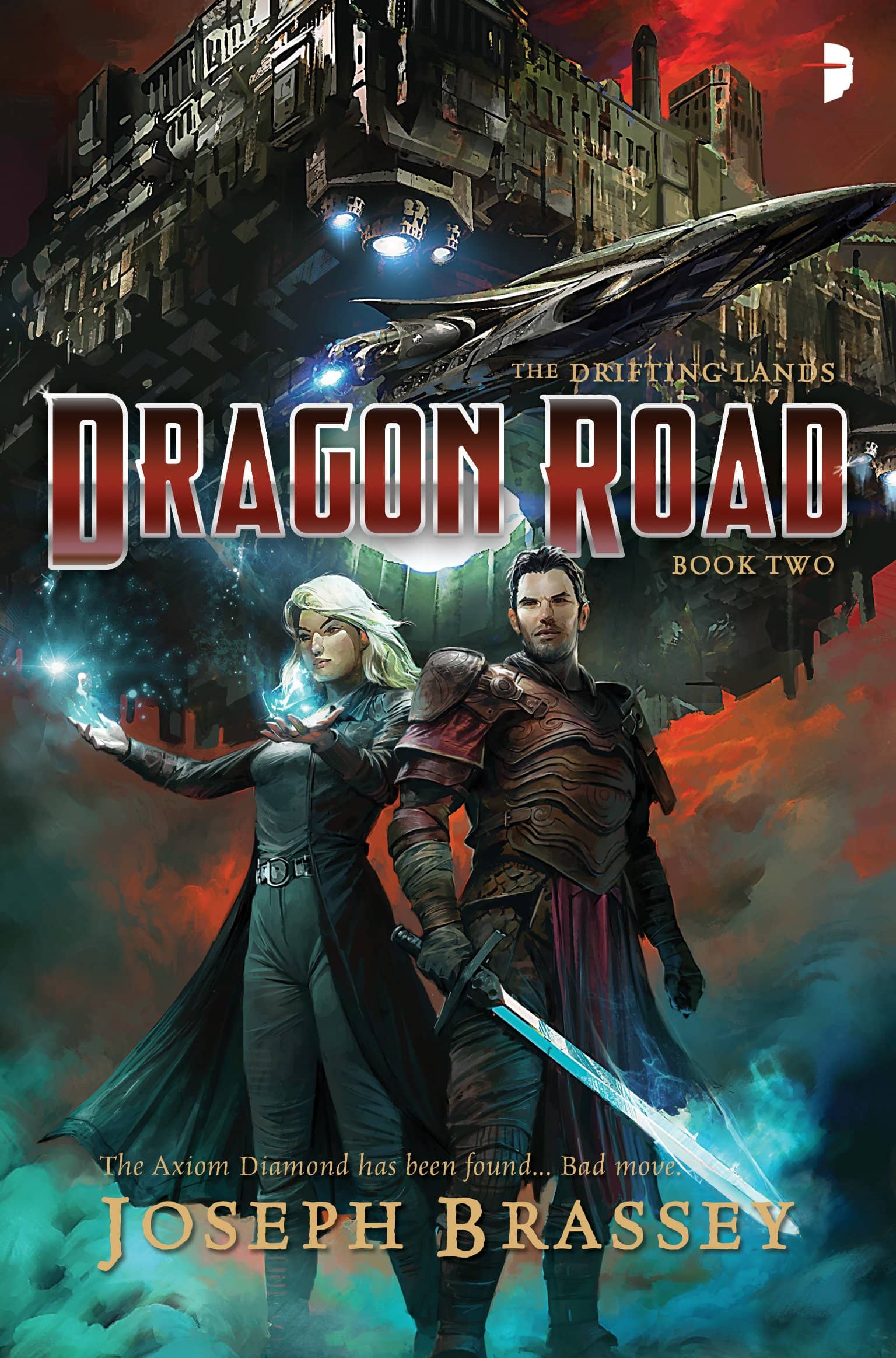
Skyfarer Joseph Brassey-small Dragon Road Joseph Brassey-small

Last August John DeNardo tipped me off to an exciting new series from Joseph Brassey. Editor Michael R. Underwood had this to say about Skyfarer, the first volume of The Drifting Lands and the first book he’d acquired & edited for Angry Robot Books.

I am of course very biased, but this book is *amazingly* fun, and fans of Star Wars, Firefly, and Final Fantasy will be very likely to have a great time with the book. It’s got heroic sorcerers, badass evil knights, skyships, A+ sword fights (the author is a HEMA instructor), a family-of-choice airship crew, and all the fantasy adventure you could want in a compact package.

Right on schedule comes the second book in the series, Dragon Road, arriving in paperback on May 1st.

Read More Read More

Birthday Reviews: Jim C. Hines’s “Spell of the Sparrow”

Birthday Reviews: Jim C. Hines’s “Spell of the Sparrow”

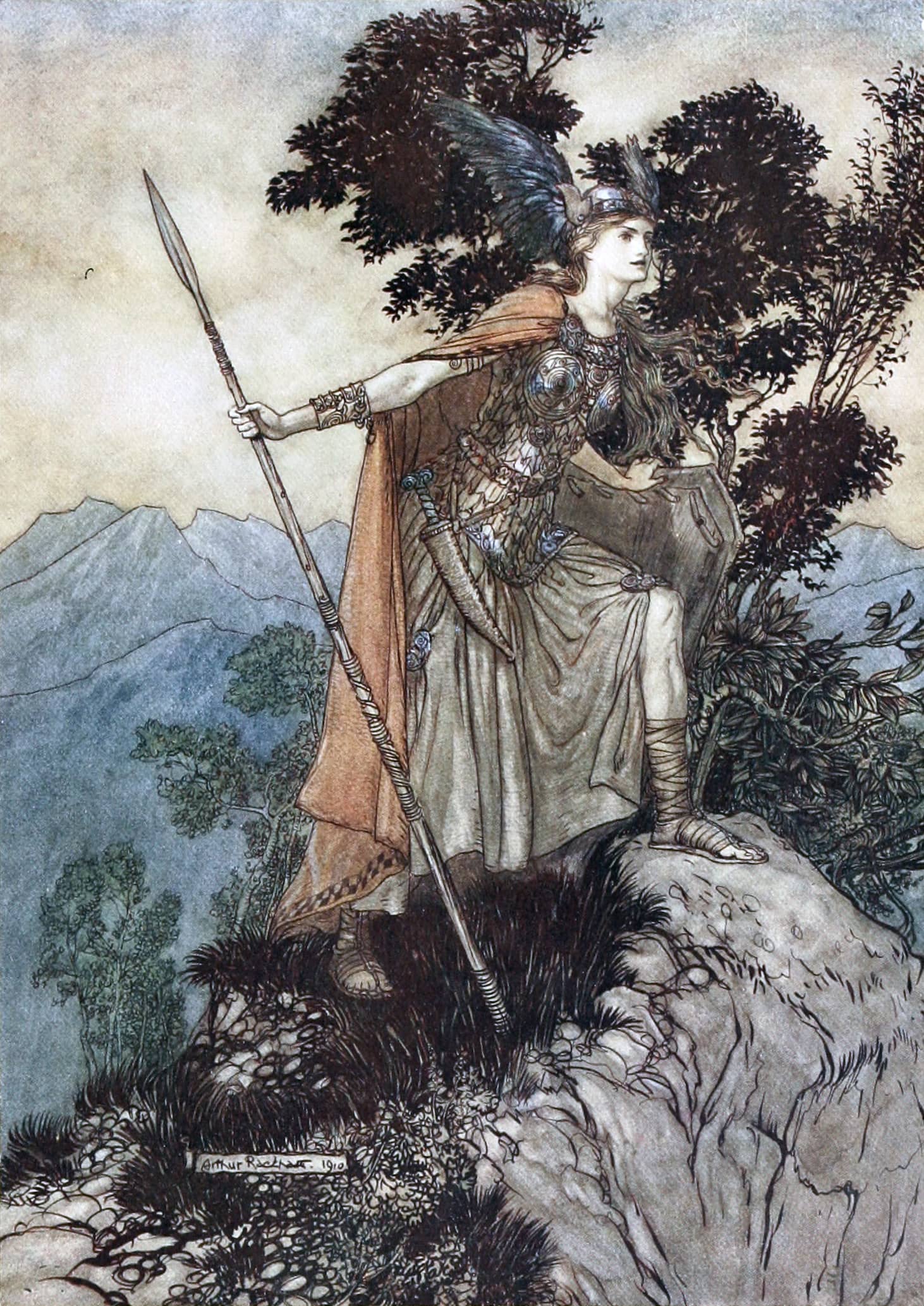
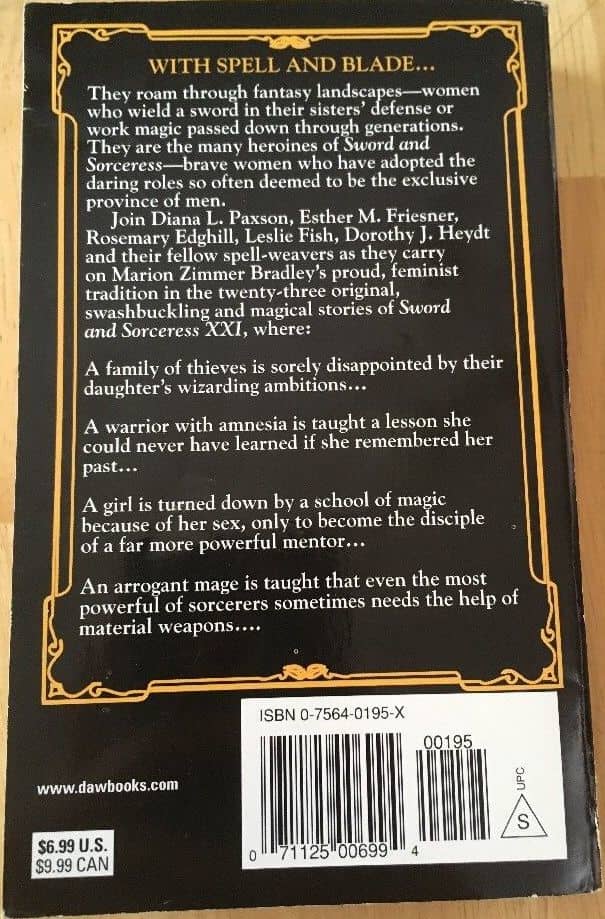
Sword and Sorceress XXI-small Sword and Sorceress XXI-back-small

Cover by Arthur Rackham, 1910

Jim C. Hines was born on April 15, 1974.

Hines took first place in the Writers of the Future first quarter contest in 1999 for his story “Blade of the Bunny.” His novel Red Hood’s Revenge was nominated for the Gaylactic Spectrum Award. In 2012, he won the Hugo Award for Best Fan Writer.

“Spell of the Sparrow” first appeared in Sword and Sorceress XXI, edited by Diana L. Paxson. An audio version was included in PodCastle 13, edited by Rachel Swirsky. Hines included it in his e-book collection Kitemaster and Other Stories and it was also reprinted in his collection The Goblin Master’s Grimoire.

While there are many tales of changelings and children who are abducted by fairies, Hines goes for a different story in “Spell of the Sparrow.” Alycia and James are two happily married former thieves with a daughter who, against her mother’s wishes, sneaks off to practice magic. Their lives are thrown into turmoil when Basi, a Cloudling, turns up, having cast a love spell on James. Although Hines explains that Cloudlings use bird magic, and Basi has a sparrow as a familiar, he never fully explains what she is, nor why she chose to cast a spell on James.

“Spell of the Sparrow” is a puzzle story, with James in love with both Alycia and Basi, unable and unwilling to betray either one. Alycia and their daughter, Mel, must try to figure out a way to break the spell, although Basi, and Hines, set enough strictures on the way Cloudling magic works and Mel’s abilities that breaking the spell becomes nearly impossible.

Read More Read More

Peplum Populist: The Maciste Films of Italian Silent Cinema (2015)

Peplum Populist: The Maciste Films of Italian Silent Cinema (2015)

maciste-films-of-italian-silent-cinema

The mighty muscleman Maciste has battled his way across millions of cinema screens around the globe, toppling tyrants, aiding the oppressed, vanquishing monsters, and taking on evil armies. Yet most of the world doesn’t even know his name. Instead, Maciste has gone undercover with pseudonyms such as Colossus, Atlas, Goliath, and most often, Hercules.

Maciste first appeared in the Italian sword-and-sandal (peplum) boom of 1957–1965 in Maciste in the Valley of the Kings (1960), which became Son of Samson in English-speaking territories and started the tradition of erasing the character’s name outside his home country. Maciste featured in twenty-four more pepla over the next five years, placing him second only to Hercules in the pantheon of sword-and-sandal strongmen. Since I started these “Peplum Populist” articles a year and a half ago, I’ve examined four Maciste films — and just one has “Maciste” in its English title, Maciste in Hell (1962), and that was only in the U.K. It became The Witch’s Curse in the U.S. I’ve come across only two Maciste film that use his name in the English dubbing, and in Colossus and the Headhunters he still lost his name in the title. 

So who is this brawny Italian superman? Why did everyone in Italy seem to know who he was and hold him almost equal to Hercules at the movie palaces?

The short answer: Maciste is a hero created not from myth, folklore, or poetry, but from movies. The long answer: well, it’s a long answer, hence why this article exists. I’ve wanted to explore the whole “Maciste issue” at length, and discovered the best approach was to go right to the source — Maciste’s roots in the silent films of Italy. The most extensive English study on the topic is The Maciste Films of Italian Silent Cinema by Jacqueline Reich (Indiana University Press, 2015). Consider this your history of the origin of Maciste by way of a book overview.

Read More Read More

Birthday Reviews: Rachel Swirsky’s “The Monster’s Million Faces”

Birthday Reviews: Rachel Swirsky’s “The Monster’s Million Faces”

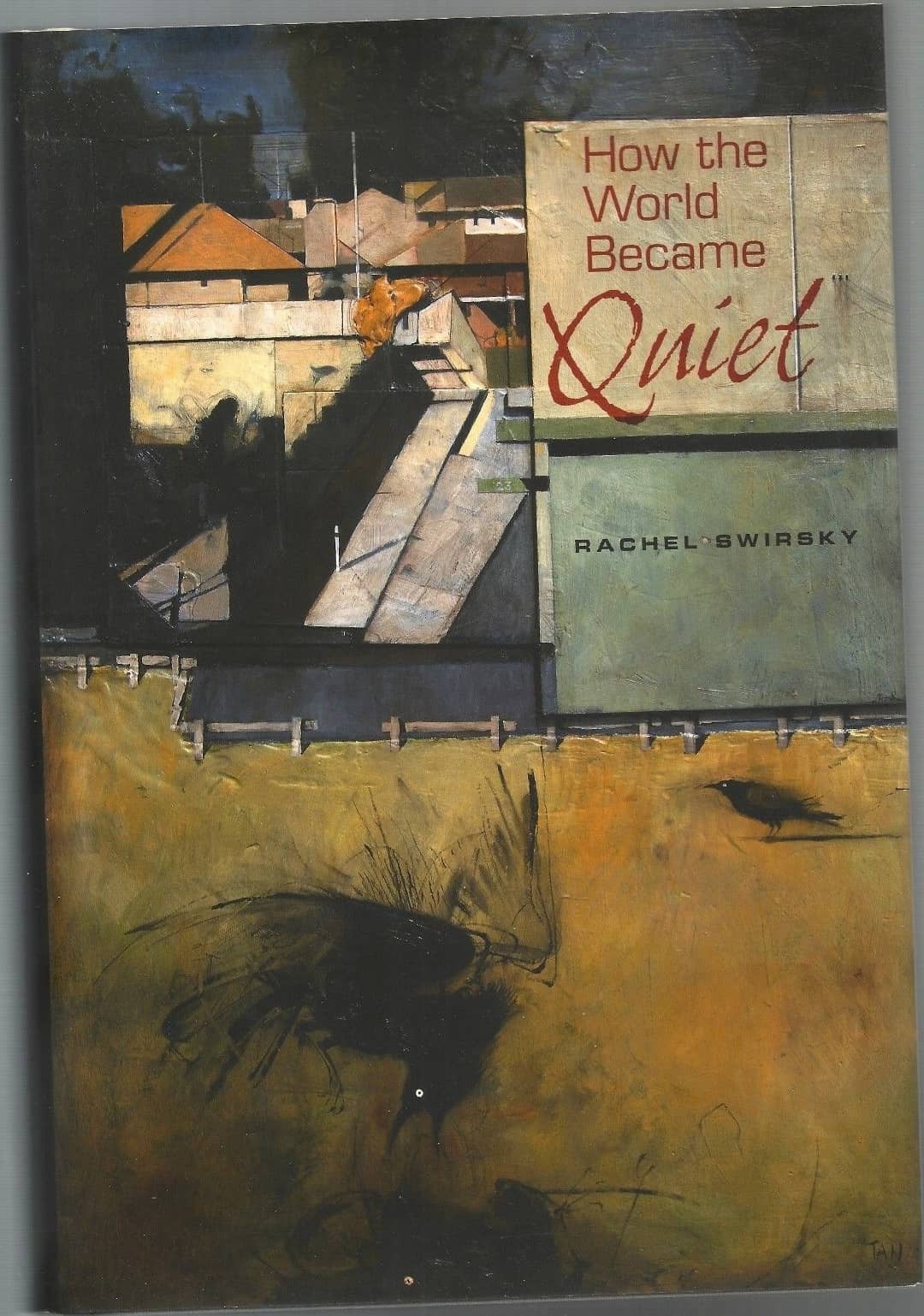
Cover by Shaun Tan
Cover by Shaun Tan

Rachel Swirsky was born on April 14, 1982. To this point, her writing career has been focused on short stories, although in 2010 she co-edited the anthology People of the Book: A Decade of Jewish Science Fiction and Fantasy with Sean Wallace. Her stories have been collected in two volumes, Through the Drowsy Dark and How the World Became Quiet: Myths of the Past, Present, and Future.

Swirsky won the Nebula Award for Best Novella in 2010 for her story “The Lady Who Plucked Red Flowers beneath the Queen’s Window” and the Nebula for Best Short Story in 2014 for “If You Were a Dinosaur, My Love.” She has been nominated for four additional Nebulas as well as four Hugos and four World Fantasy Awards, including nominations for both of her Nebula winning stories for all of those Awards. Swirsky was a Theodore Sturgeon Memorial Award finalist for “Eros, Philia, Agape” and also has a Rhysling Award nomination for her poem “The Oracle on River Street.”

“The Monster’s Million Faces” was first published at Tor.com on September 8, 2010, acquired by Patrick Nielsen Hayden. In February of the following year, Tor issued the story as an electronic chapbook and they included it in their massive e-book The Stories: Five Years of Original Fiction on Tor.com in 2013. That same year, the story saw its first print publication when Swirsky included it in her collection How the World Became Quiet: Myths of the Past, Present, and Future.

Monsters come in all forms and Swirsky examines them in “The Monster’s Million Faces,” a story about Aaron, who was kidnapped and abused for five days when he was eight years old. As an adult he is trying to deal with the trauma, especially after he attacked his boss in a blind rage brought on by her sexual advances.

Aaron is working with a psychiatrist, Dana, who puts him into a series of trances, not just to have him confront his abuser, but to try to figure out what sort of false memory they can graft onto him to help him move past what happened to him. Never entirely explicit, the false memories he undergoes are each horrifying in their own way as he confronts different versions of his attacker, each with their own motive, many of which remain hidden to Aaron. At the same time, he tries to work through his own fear, anger, and rage to understand why a stranger, who has never been caught, would do what he did to an innocent eight year old.

Read More Read More

Vintage Treasures: Witch Blood by Will Shetterly

Vintage Treasures: Witch Blood by Will Shetterly

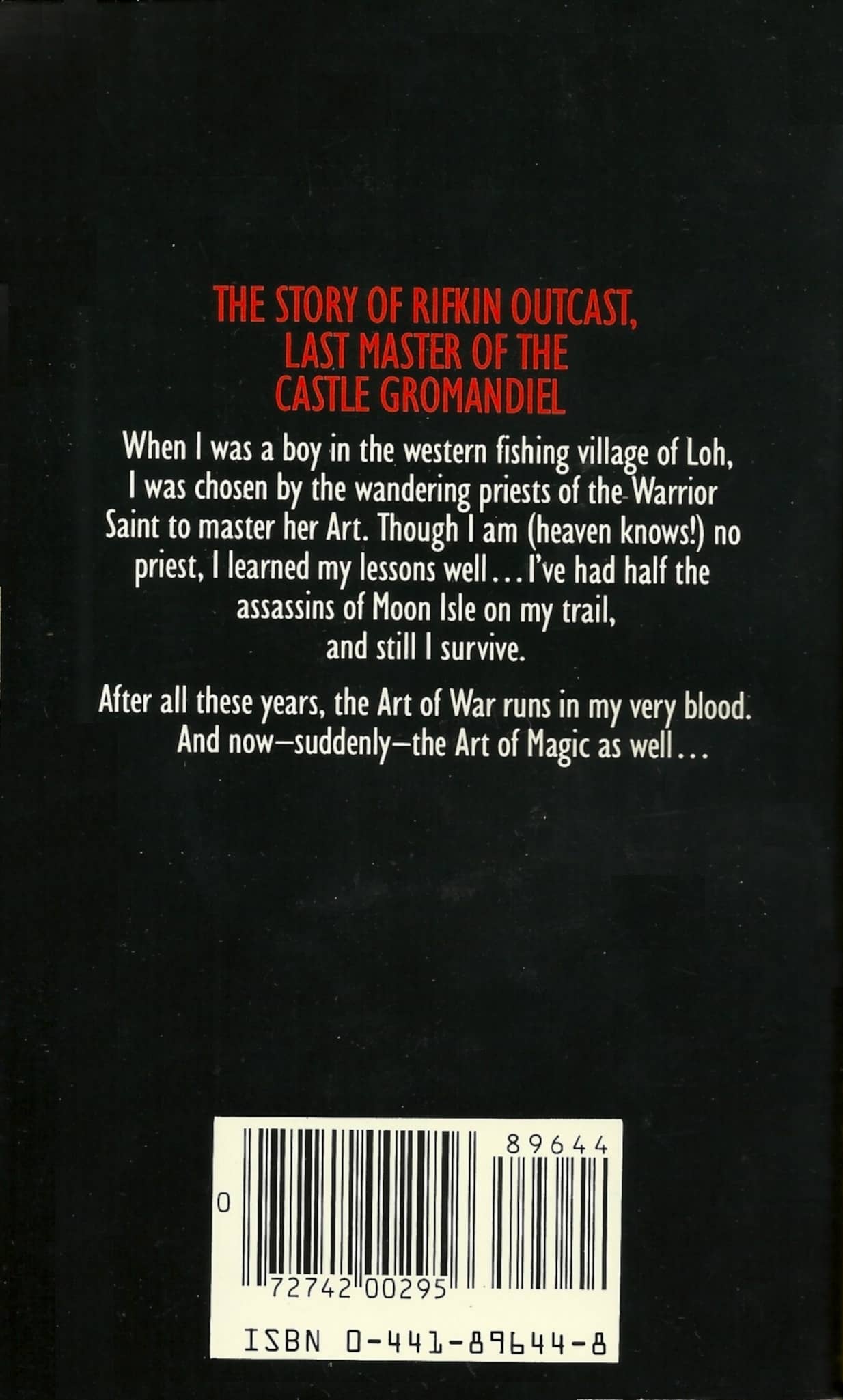
Witch Blood Will Shetterly-small Witch Blood Will Shetterly-back-small

Will Shetterly’s first novel Cats Have No Lord was published in 1985, the same year he launched his groundbreaking Liavek shared world anthology series, which he co-edited with his wife Emma Bull. Cats Have No Lord placed sixth in the annual Locus Poll for Best First Novel (losing to Tad Williams, Guy Gavriel Kay, Michael Swanwick, and Carl Sagan, but placing ahead of Geoff Ryman, Judith Tarr, Sheila Finch, and Dan Simmons — man, 1985 was a competitive year!)

Over the next few years Shetterly quickly established a solid reputation, with novels like The Tangled Lands (1989), Nevernever (1993), and especially Dogland (1997), the tale a of child growing up in a dog-themed amusement park. It was inspired by his early years at the Dog Land tourist attraction, which was owned by his parents. His novel Elsewhere (1991), part of Terri Windling’s shared universe The Borderland, won the Minnesota Book Award. He has largely given up writing since producing his last book, Midnight Girl, a self-published online novel, in 2009.

Witch Blood was his second novel; it was released as a paperback original by Ace in April 1986. It has never been reprinted, although Shetterly released a digital edition in 2012. When it was released Orson Scott Card called it “”A funny, exciting adventure story that delighted me from beginning to end.” Modern readers draw strong parallels to Steven Brust’s Vlad Taltos novels, which seems like a fair comparison. It’s not hard to find; I bought a copy last weekend at Half Price Books for $1.49. It is 197 pages, with a cover price of $2.95. The cover is by Penalva.

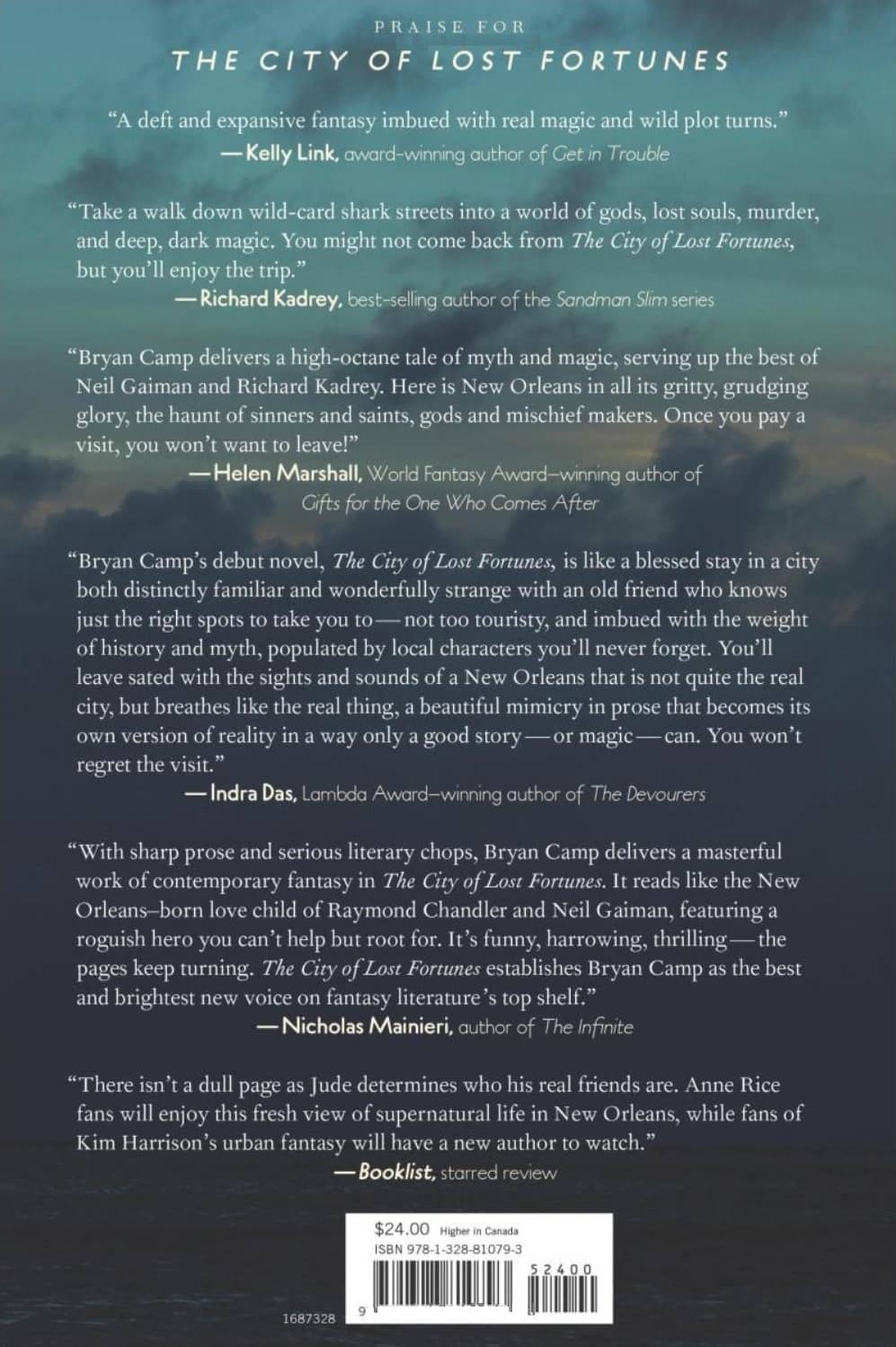
New Treasures: The City of Lost Fortunes by Bryan Camp

New Treasures: The City of Lost Fortunes by Bryan Camp

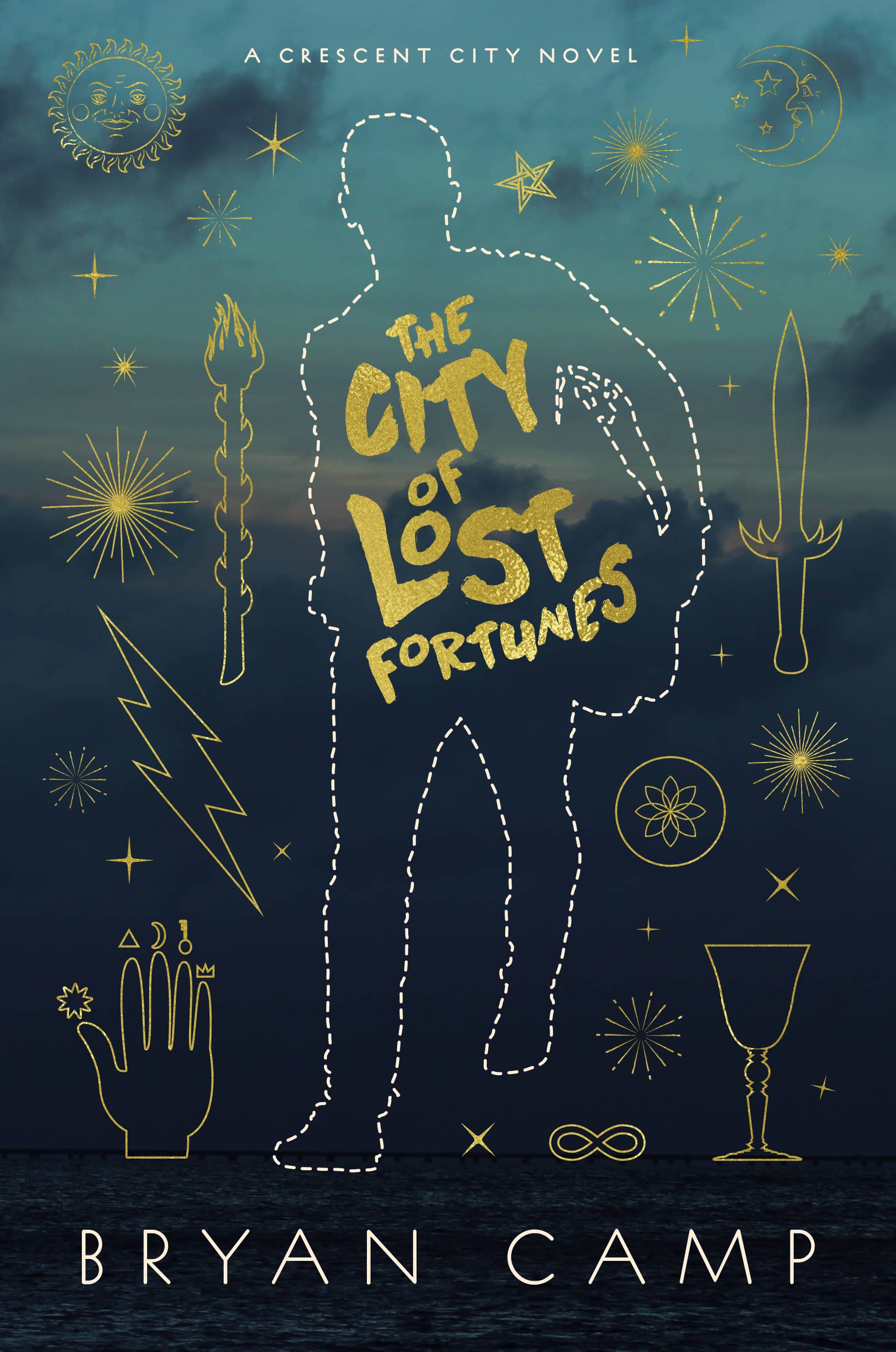
The City of Lost Fortunes-small The City of Lost Fortunes-back-small

John Joseph Adams, the tireless editor of Lightspeed and Nightmare, also has his own imprint over at Houghton Mifflin Harcourt. John Joseph Adams Books has published several big names, including Carrie Vaughn, Molly Tanzer, and Hugh Howey, but John has also made his fair share of fresh-faced discoveries. One of the latter is Bryan Camp, whose debut fantasy arrives in hardcover next Tuesday. The City of Lost Fortunes is a novel of gods, games, and monsters, in which the fate of New Orleans rests in the hands of a wayward grifter with an unusual talent.

The post–Katrina New Orleans of The City of Lost Fortunes is a place haunted by its history and by the hurricane’s destruction, a place that is hoping to survive the rebuilding of its present long enough to ensure that it has a future. Street magician Jude Dubuisson is likewise burdened by his past and by the consequences of the storm, because he has a secret: the magical ability to find lost things, a gift passed down to him by the father he has never known — a father who just happens to be more than human.

Jude has been lying low since the storm, which caused so many things to be lost that it played havoc with his magic, and he is hiding from his own power, his divine former employer, and a debt owed to the Fortune god of New Orleans. But his six-year retirement ends abruptly when the Fortune god is murdered and Jude is drawn back into the world he tried so desperately to leave behind. A world full of magic, monsters, and miracles. A world where he must find out who is responsible for the Fortune god’s death, uncover the plot that threatens the city’s soul, and discover what his talent for lost things has always been trying to show him: what it means to be his father’s son.

The City of Lost Fortunes will be published by John Joseph Adams Books on April 17, 2018. It is 384 pages, priced at $24 in hardcover and $12.99 for the digital version. The cover is by Will Staehle. Read an excerpt at Bryan Camp’s website.

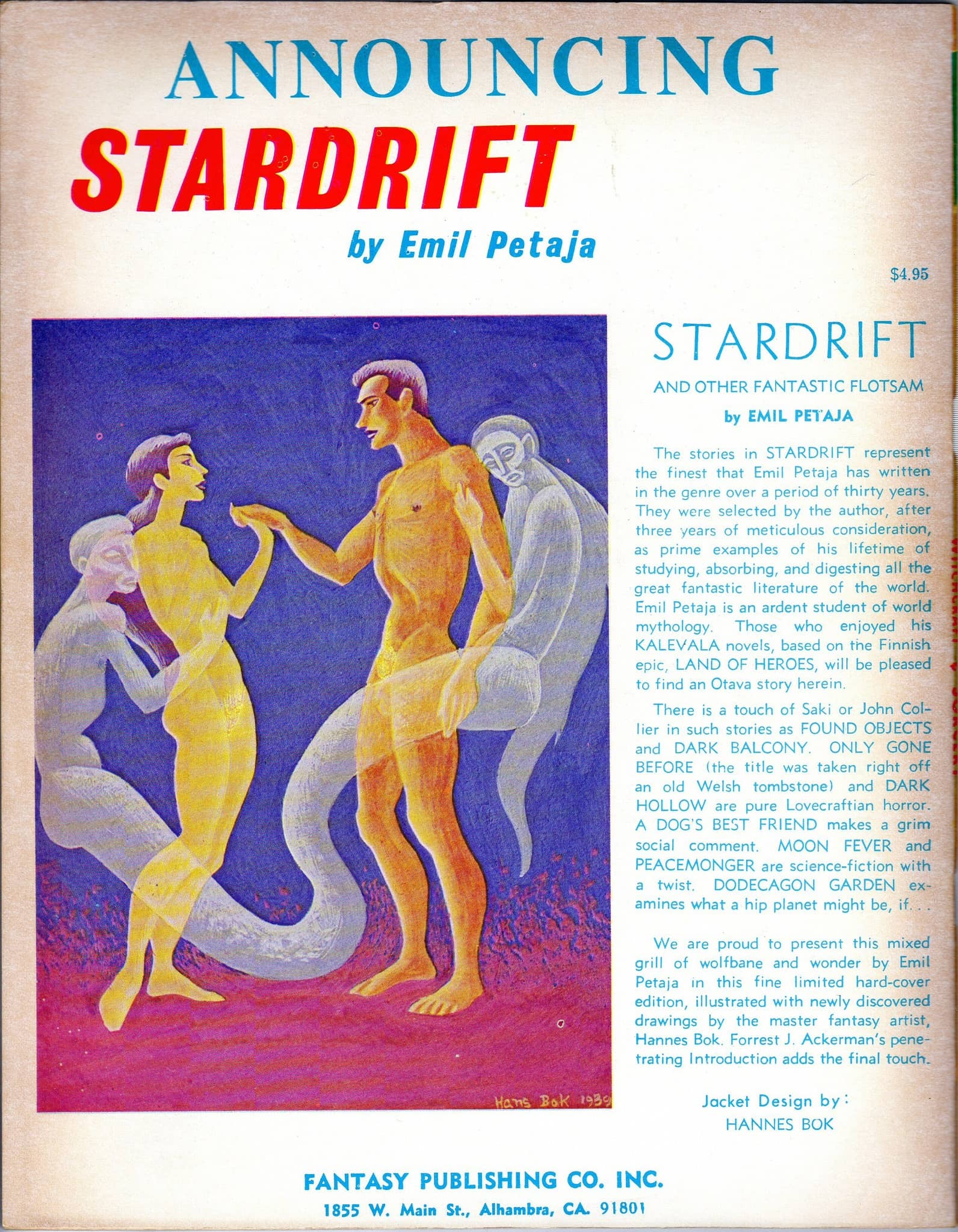
Birthday Reviews: Emil Petaja’s “Found Objects”

Birthday Reviews: Emil Petaja’s “Found Objects”

Cover by Hannes Bok
Cover by Hannes Bok

Emil Petaja was born on April 12, 1915 and died on August 17, 2000.

Petaja published thirteen novels and more than 150 short stories. His Otava series, beginning with the novel Saga of Lost Earths, is based on the Finnish epic the Kalevala. Petaja was a close friend of artist Hannes Bok and founded the Bokanalia Foundation, which included a small art press, in 1967. He published three portfolios of Bok’s work as well as a commemorative volume. He was also the chairman of the Golden Gate Futurians, a San Francisco based science fiction club for professionals and fans. He was named the first Author Emeritus by SFWA in 1994.

“Found Objects” was originally published in Petaja’s collection Stardrift and Other Fantastic Flostsam in 1971, published by William L. Crawford’s Fantasy Publishing Company. Robin Wayne Bailey chose the story as one of five stories to represent Petaja in Architects of Dreams: The SFWA Author Emeritus Anthology, which covered the first five Author Emeriti named by SFWA.

Set in a contemporary San Francisco, “Found Objects” revolves around a party for a group of amateur artists as one of their number, the benefactor Triptich, is planning on departing San Francisco. He tells one of the guests, Jack Clay, that the purpose of the party is to help all of the attendees achieve a crest in their lives, a moment of perfect enjoyment before he has to leave, a concept which dovetailed neatly with thoughts Jack had while driving to the party.

Jack and his wife Mab don’t see eye to eye on things.  Jack just wants to do his own thing and move forward, while Mab likes to make life as difficult for those around her as possible, making a big show at the end to draw attention to herself. Her actions are passive-aggressive and for the purposes of Triptich’s party take the form of a refusal to wear the clothing he selected for her and then to disappear once she is at the party.

Read More Read More