Browsed by
Category: Books

The Golden Age of Science Fiction: Short Fiction of 1979

The Golden Age of Science Fiction: Short Fiction of 1979

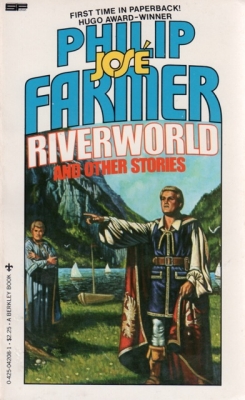
Riverworld and Other Stories

Cover by George Barr

Nightmares
Nightmares

And finally, after looking at various award winners over the past year and articles about authors’ debuts and the novels published in 1979, it has come time to close out this series of articles with a look at some of the non-award winning short fiction published in 1979.

By 1979, Philip José Farmer had published the first three novels in his Riverworld series as well as a novelette set in the same world, entitled “Riverworld.” When he reprinted the novelette in 1979 in his collection Riverworld and Other Stories, Farmer expanded the story from 12,000 to 33,750 words, effectively publishing a new story in the popular series about humanity’s afterlife on an infinite river.

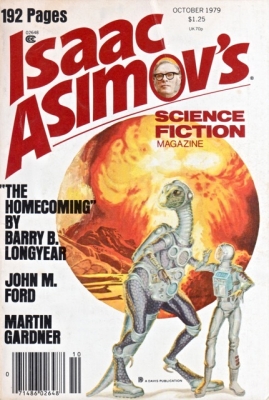
John M. Ford has made the news recently as the rights to reprint his all too few works, plus an unfinished novel, have been disentangled.  In 1979 he published six stories in Isaac Asimov’s Science Fiction Magazine (his first sale was in 1976). These stories included “Mandalay,” which kicked off his Alternities, Inc. series of stories, as well as “The Adventure of the Solitary Engineer” and “The Sapphire as Big as the Marsport Hilton.”

Chelsea Quinn Yarbro introduced her vampire, the Count Saint-Germain, in 1978 in the novel Hotel Transylvania. In 1979, she published her first short story about him, “Seat Partner,” detailing his experiences on an airplane, a far cry from the historical settings of the novels he usually inhabits.
Read More Read More

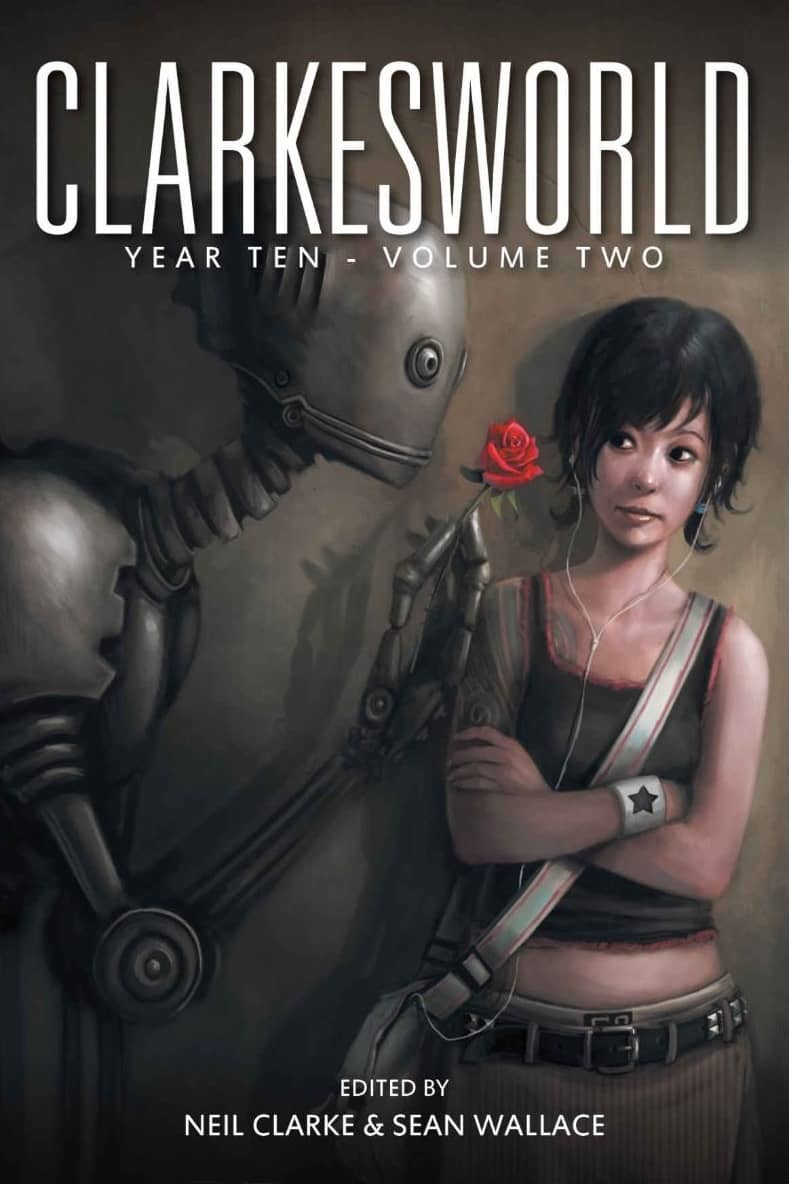
Celebrating a Decade of Excellence: Clarkesworld Year Ten, Volumes One & Two, edited by Neil Clarke and Sean Wallace

Celebrating a Decade of Excellence: Clarkesworld Year Ten, Volumes One & Two, edited by Neil Clarke and Sean Wallace

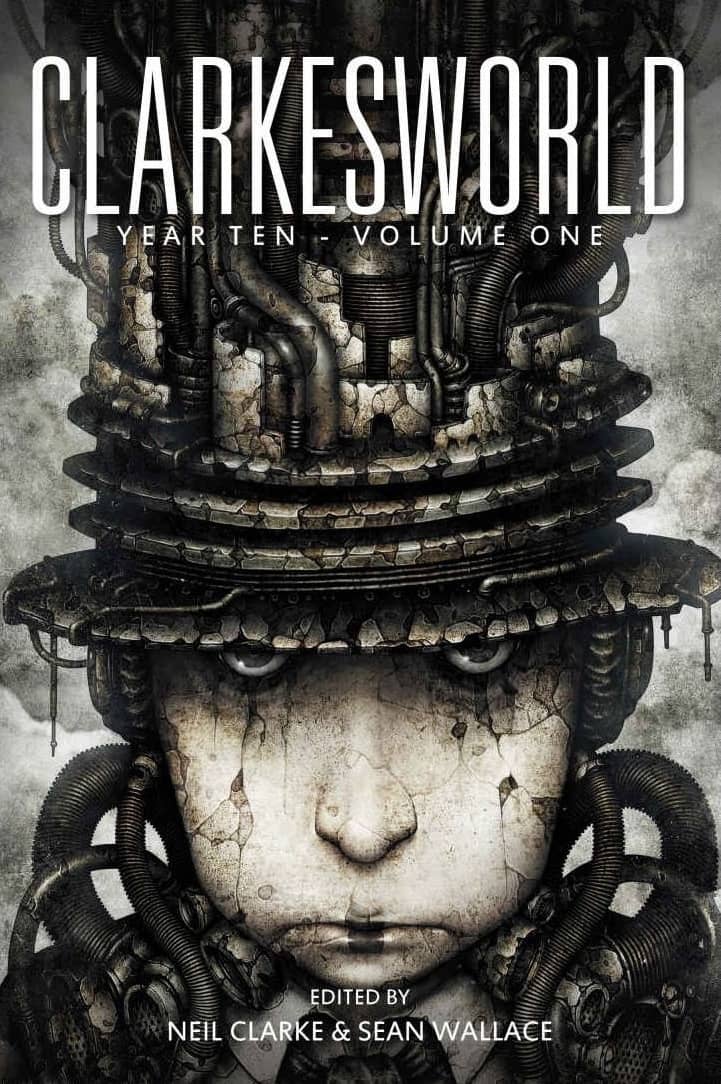
Clarkesworld Year Ten Volume One-small Clarkesworld Year Ten Volume Two-small

Covers by Shichigoro-Shingo and Rudy Faber

Clarkesworld editors Neil Clarke and Sean Wallace have had a busy year.

For one thing, they’ve published a full 12 issues of one of the most acclaimed science fiction magazines on the planet. For another, there’s all those conventions, nominations, and shiny awards to keep them occupied — including a Best Editor Hugo nomination for Neil, a Hugo nomination for Simone Heller’s “When We Were Starless” (Clarkesworld 145, October 2018), and a World Fantasy Award win for Kij Johnson’s novella “The Privilege of the Happy Ending” (Clarkesworld, Aug. 2018). On top of that, Neil was presented with the 2019 Kate Wilhelm Solstice Award for distinguished contributions to the science fiction community at the Nebula awards weekend in May, one more award to polish on his mantlepiece.

They also have their own projects — Sean edits the fine magazine The Dark and runs Prime Books, and Neil has produced a pair of anthologies this year, The Best Science Fiction of the Year: Volume Four and The Eagle Has Landed: 50 Years of Lunar Science Fiction.

But in addition to all of that, Neil and Sean are also keeping up a hectic pace of Clarkesworld annual anthology volumes — four in the past two months alone. Clarkesworld Year Ten, Volumes One & Two, containing a year’s worth of fabulous tales from 2015 & 2016, were published on October 3, 2019; Clarkesworld Year Ten, Volumes One & Two followed less than a month later, on November 1, 2019. I’m not sure how they do it, but someone should create an award for science fiction overachievement, and give it to both of them. If they can get either one of them to stop moving long enough to accept it.

Read More Read More

The Magic of the Black Earth

The Magic of the Black Earth

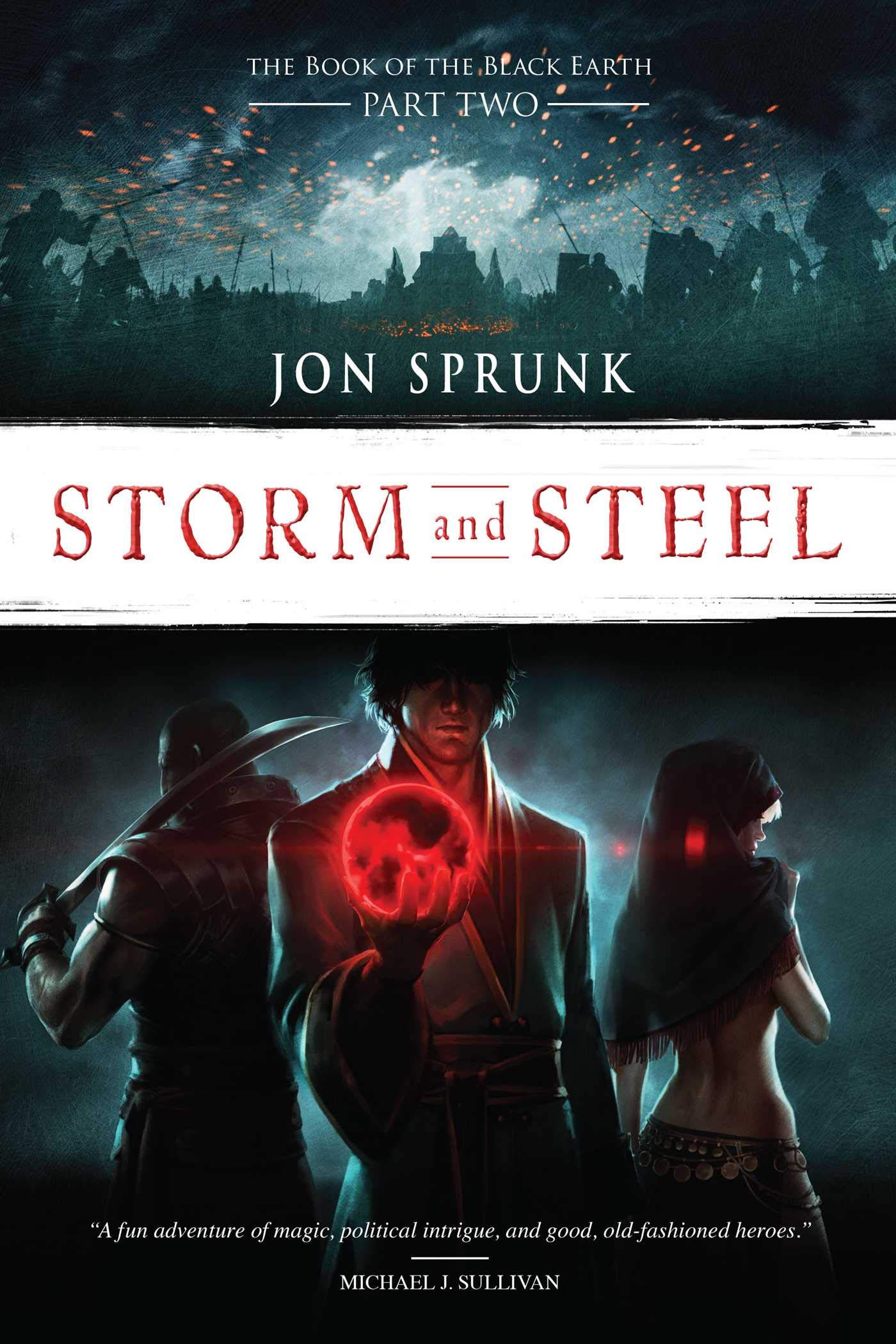
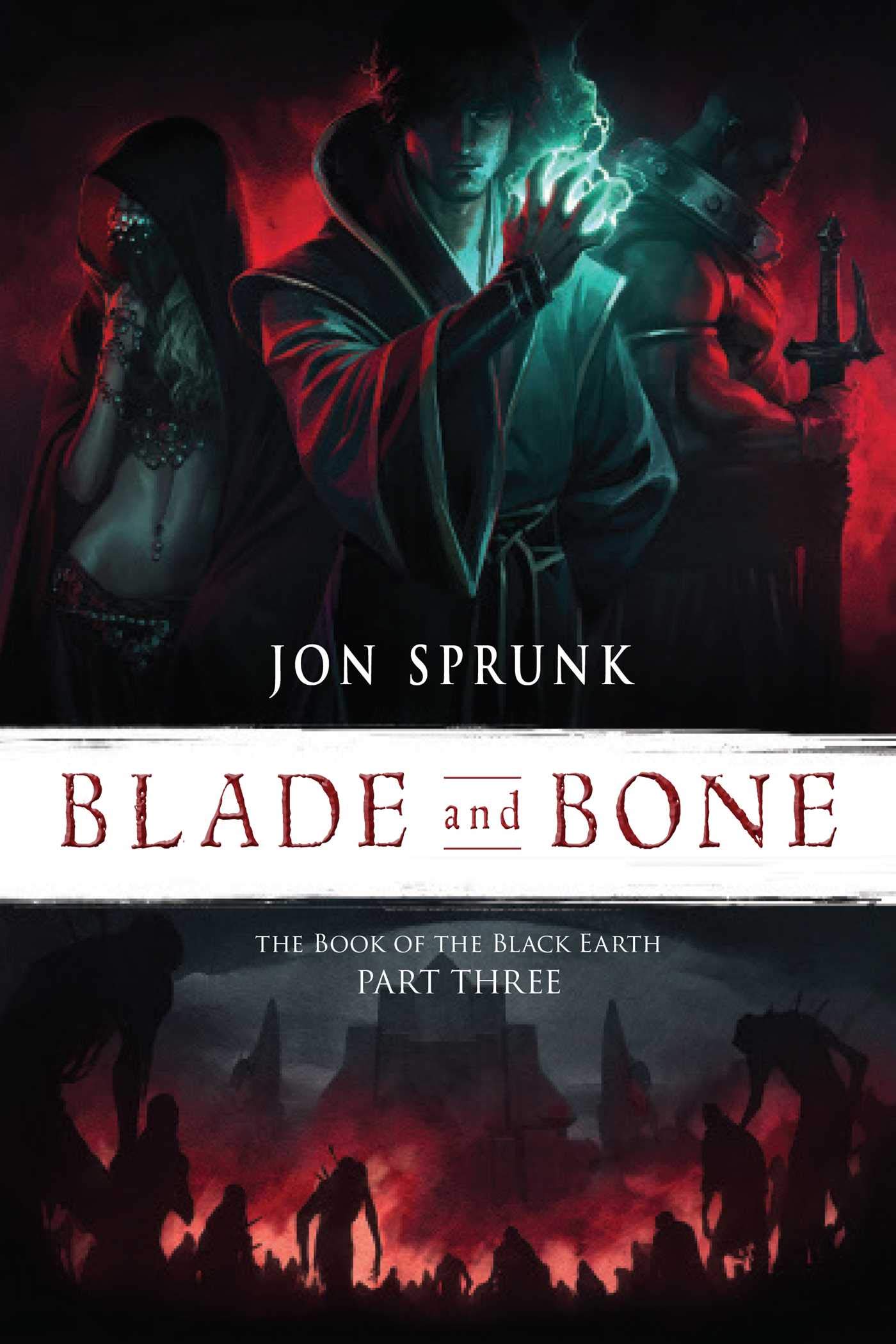
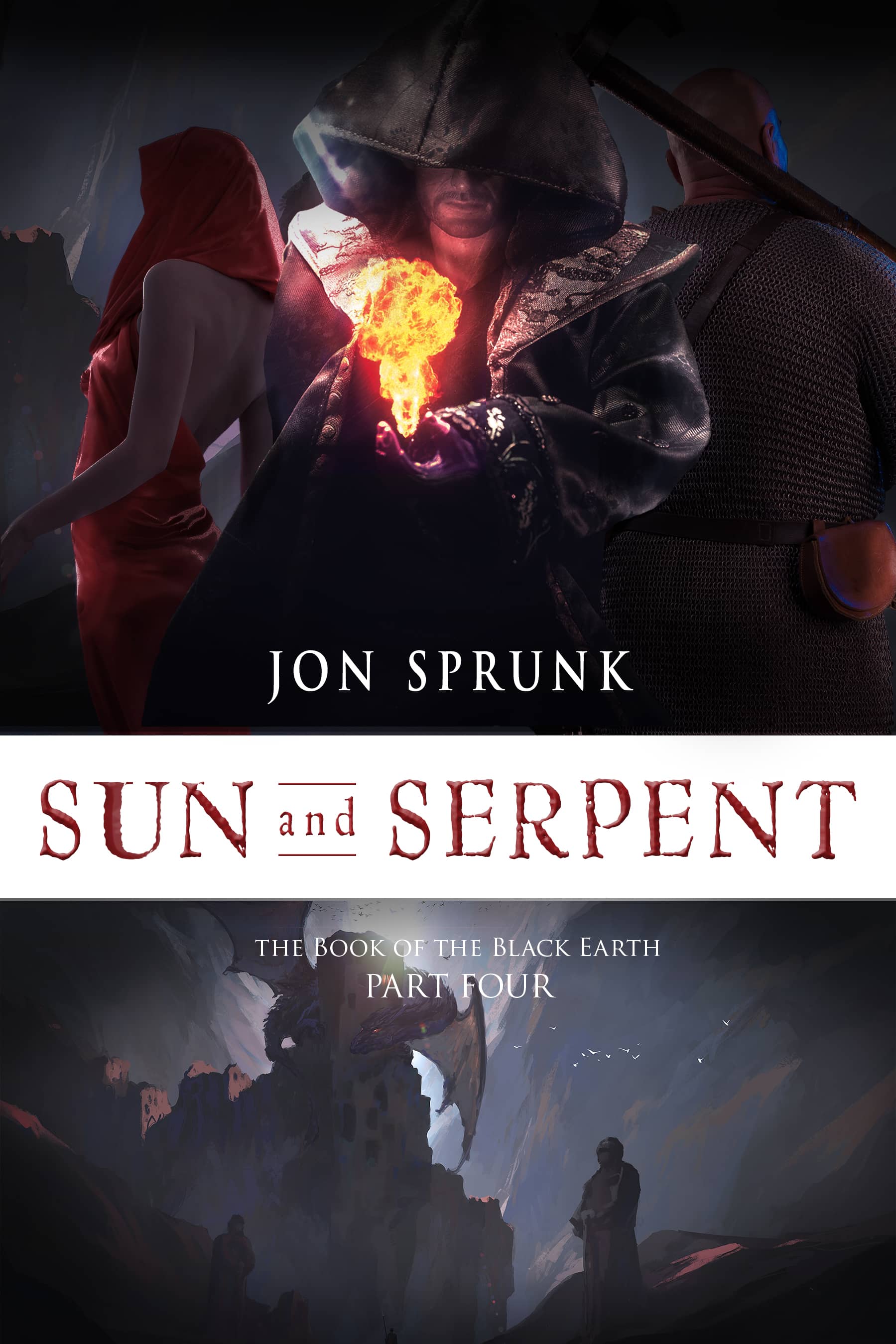
Blood and Iron-small Storm and Steel-small Blade and Bone-small Sun and Serpent-small

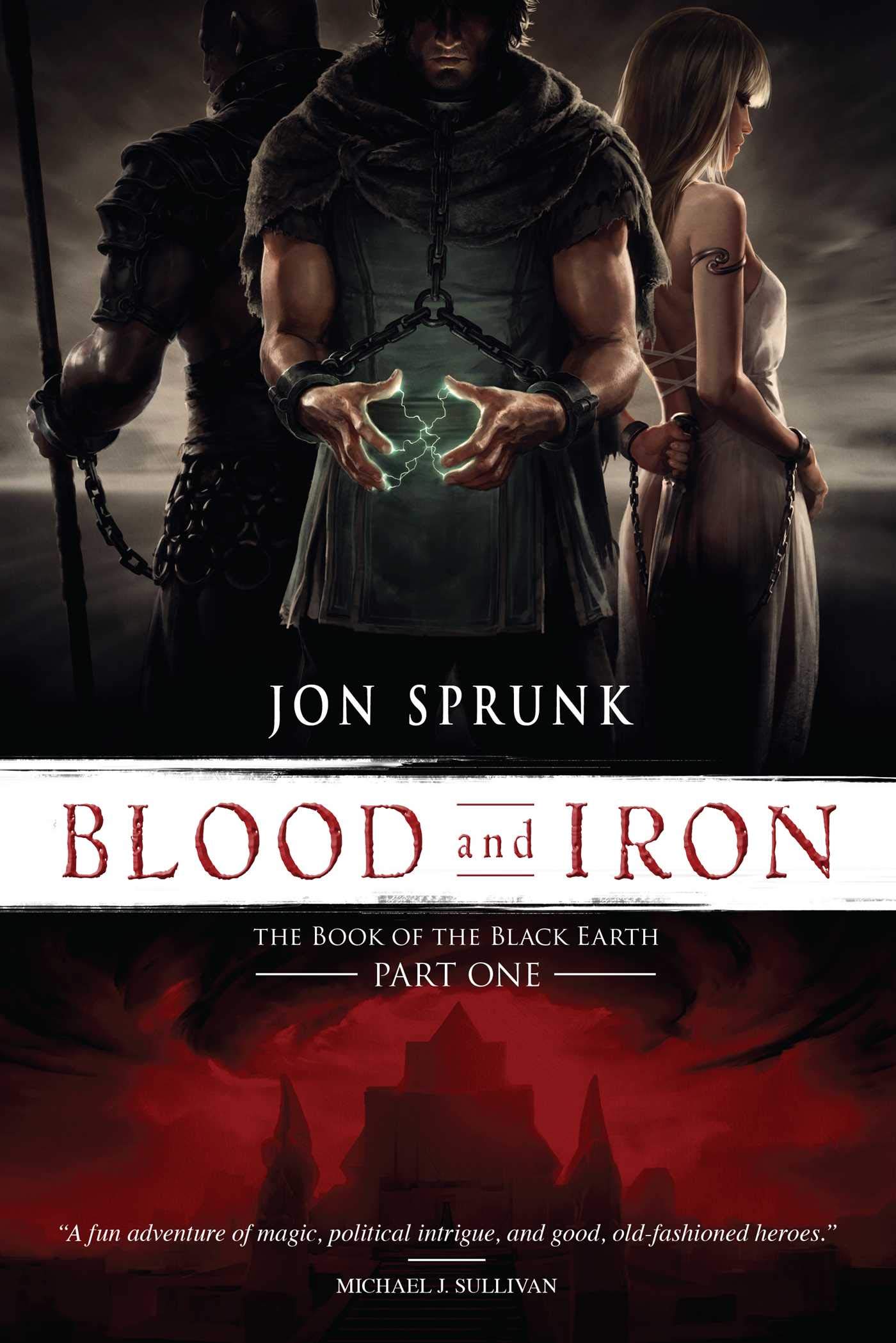
The Book of the Black Earth (Pyr Books). Covers by Jason Chan

Six years ago, when I was conceptualizing a new fantasy series, I spent a lot of time thinking about the setting world. And I knew from the start that one of the primary building blocks would be the magic system.

For those of you who have read my Shadow Saga trilogy, you no doubt realized that magic played a big part in the events, especially in the second and third books. I knew that magic would be even more important in the new series, that it would be entwined into every aspect of the story, so I wanted its foundation to be rock-solid from the start.

After considering a few different systems of magic, I decided that one based on the primary alchemical elements (earth, water, fire, and air) would best fit the story I was telling. It been done many times before, perhaps most notably in the Wheel of Time saga by Robert Jordan and Brandon Sanderson, but it still appealed to me because it matched well with the non-western philosophies and themes I was aiming to use.

I have studied several disciplines of martials arts over my lifetime, and one of the things which most appeals to me about eastern fighting styles is the concept of balance. Hard versus soft, aggressive versus pliable, offense and defense. These opposites are joined together in a natural back and forth that revolves around finding a balance. A hard style becomes soft, defense turns into offense, and so forth. In developing the magic system for the new series, I ran with this concept. In this world I was building, the cosmic forces had lost their balance and a calamity was approaching.

Read More Read More

Cover Reveal: Carson of Venus: The Edge of All Worlds by Matt Betts

Cover Reveal: Carson of Venus: The Edge of All Worlds by Matt Betts

EntertheERBUlogo

Science fiction author Edgar Rice Burroughs, creator of Tarzan and John Carter of Mars, wrote four novels and a novella about former stuntman Carson Napier and his wayward adventures on the planet Venus (or Amtor, as it is known to its inhabitants). Now get ready to transport yourself into the Edgar Rice Burroughs Universe with the first new Carson of Venus novel to be published in more than fifty years: Carson of Venus: The Edge of All Worlds by Matt Betts.

The Edge of All Worlds releases Spring 2020 from Edgar Rice Burroughs, Inc., and launches the canonical ERB Universe series of interconnected novels.

Stranded on the planet Amtor for nearly two decades, Earthman Carson Napier returns from his latest adventure to discover a mysterious enemy has struck his adopted nation of Korva and reduced one of its cities to ash and cinders. The trail of the mysterious threat leads Carson and his love Duare through dark cyclopean corridors deep beneath Amtor to a distant land, where they must confront both a powerful new alien species and the shadows of Carson’s past.

I’m pleased to present the exclusive cover reveal for Carson of Venus: The Edge of All Worlds, featuring the artwork of the amazing Chris Peuler.

Read More Read More

New Treasures: The Spider Dance by Nick Setchfield

New Treasures: The Spider Dance by Nick Setchfield

The War in the Dark-small-min The Spider Dance-small-min

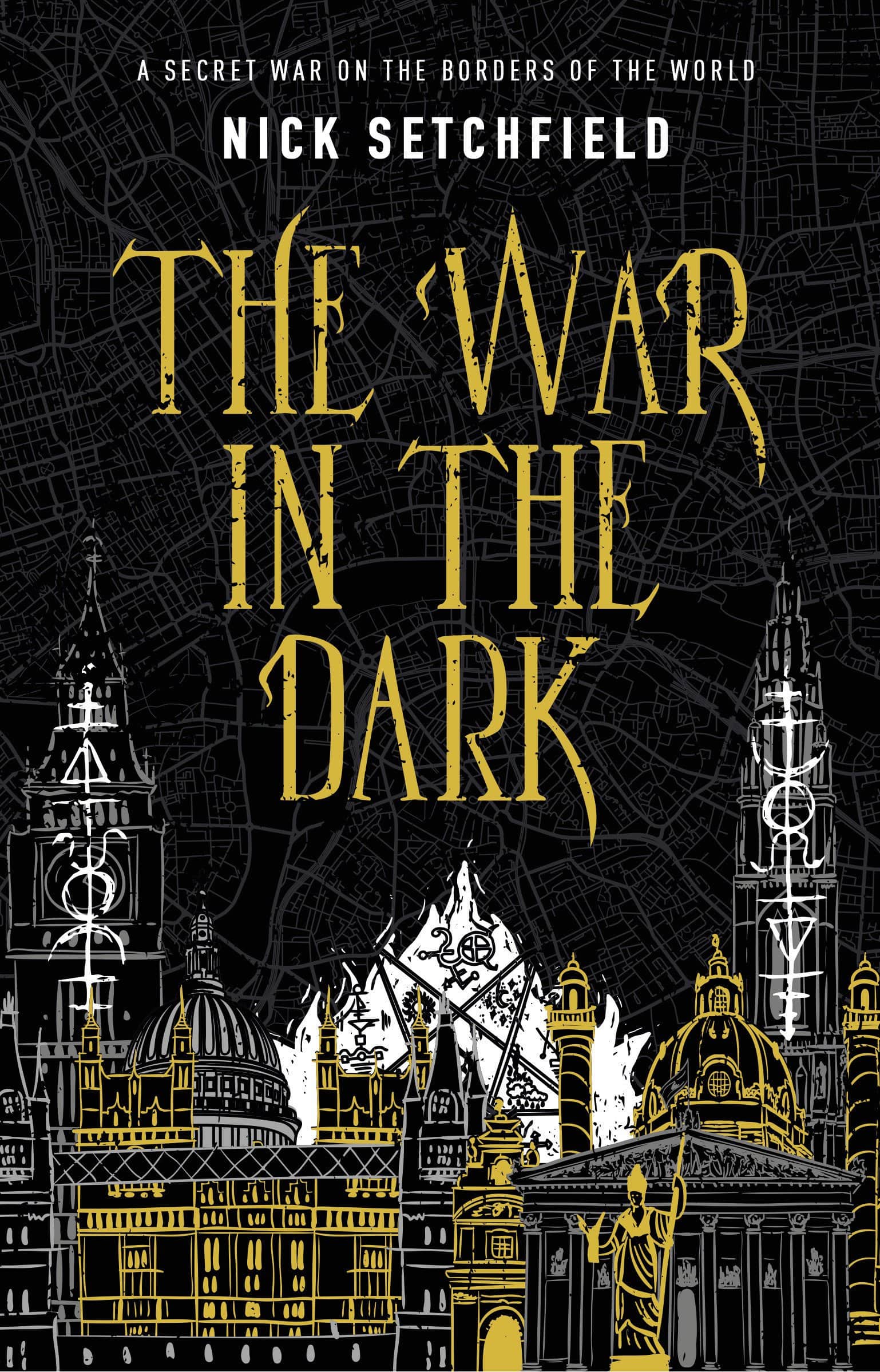
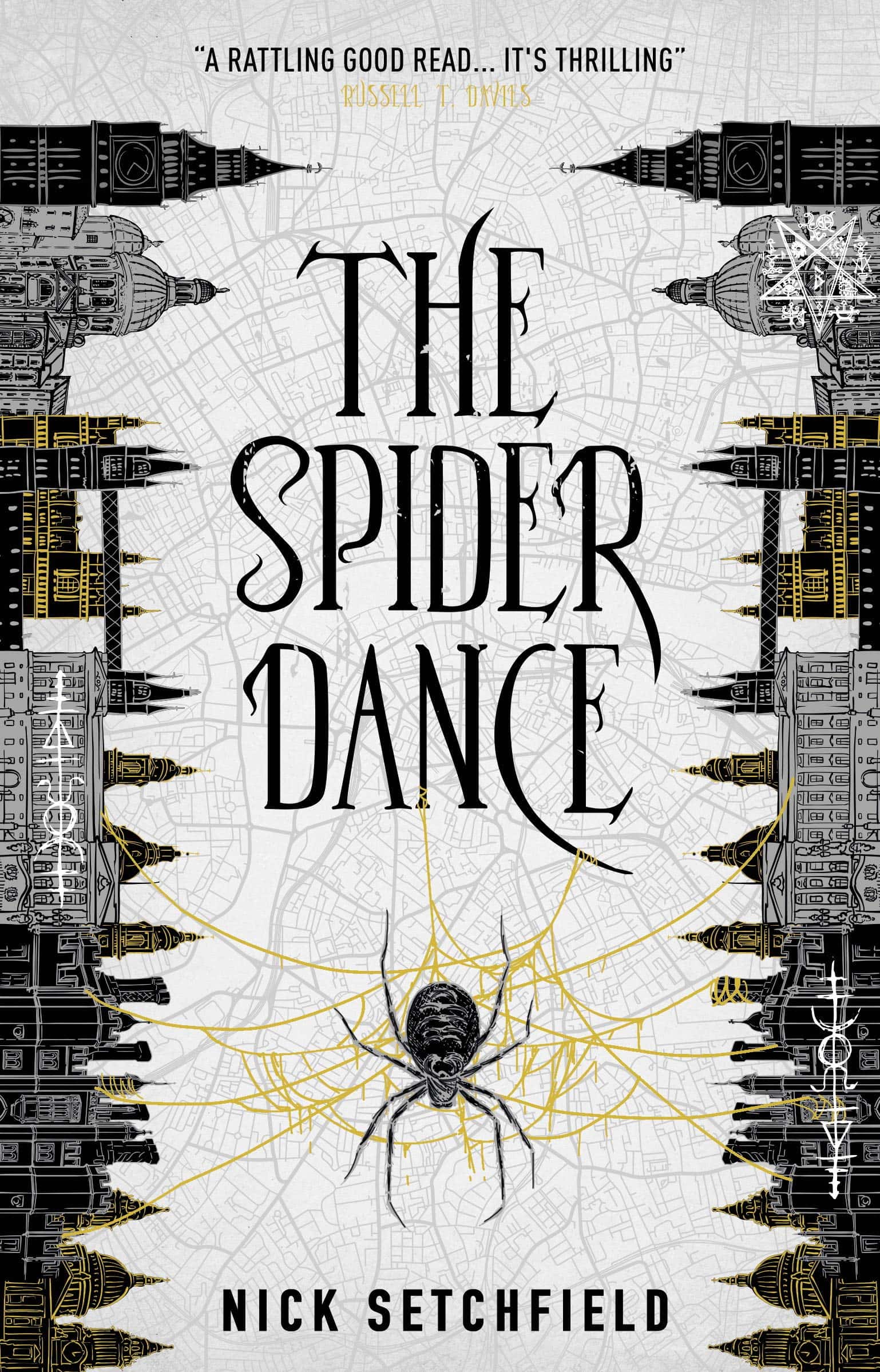
Last year I wrote a brief New Treasures piece on Nick Setchfield’s debut novel The War in the Dark, and made a note to keep an eye out for the sequel. The Spider Dance finally arrived in September, and in October Nick gave this enticing summary in an interview with Starburst Magazine.

It’s the next adventure for supernaturally-inclined British Intelligence agent Christopher Winter. This time he’s mixed up with the stolen hearts of the undead, unholy criminal empires and a contract for a kill that demands a very strange bullet indeed. It’s a quest that spans the stranger corners of London, Budapest, Venice, Normandy, and Naples and the map certainly gets spattered with blood along the way.

[It’s] The Day of the Jackal – with vampires…. I wanted to refresh the vampire myth. Keep the essential glamour and horror of the creature but create a breed of vampire that would slot into a ‘60s-set spy thriller.

That certainly sound like something I need. But is it any good? Last week Ginger Nuts of Horror gave it a rave review, saying in part:

The Spider Dance is the direct sequel to his excellent 2017 novel The War in the Dark , a perfect genre blend of spies, monsters, magic and derring-do… In Nick Setchfield’s previous novel, he laid out the groundwork for a well constructed and believable alternative history where magic and the occult coexist in an otherwise reasonably realistic representation of our world…

It’s going to become cliched and, but you can’t review this book without mentioning James Bond, after all the simplest way to describe this book is James Bond meets the occult…

The mashing up of genres is pitch perfect… However it [is] his portrayal of a classic horror monster that shines in this book… Setchfield has created an exciting and extraordinary version of the creature that has sadly over the years been unfairly represented in fiction.

The Spider Dance was published by Titan Books on September 3, 2019. It is 352 pages, priced at $14.95 in trade paperback and $9.99 in digital formats. See all our recent New Treasures here.

The Golden Age of Science Fiction: Gerald W. Page

The Golden Age of Science Fiction: Gerald W. Page

Cover by Jad
Cover by Jad

Cover by Michael Whelan

Cover by Tim Kirk
Cover by Tim Kirk

DeepSouthCon has presented the Rebel Award annually since 1965. The first Rebel Award was presented to Al Andrews. The 1980 award was presented on August 23 at DeepSouthCon 18/ASFICon in Atlanta, Georgia, which was chaired by Cliff Biggers.

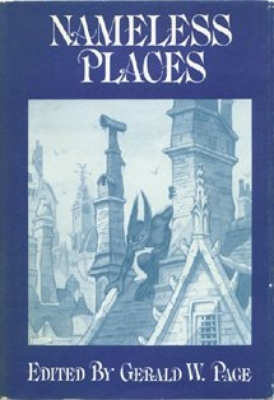
Gerald W. Page joined the Atlanta Science Fiction Organization in 1954. He was a member of the Southern Fandom Group during its three years of existence from 1960 through 1963.  In 1963, he began publishing short fiction with the story “The Happy Man,” which appeared in Analog. He has continued to publish short stories, occasionally using pseudonyms such as Carleton Grindle or Leo Tifton.

Read More Read More

Vintage Treasures: The Astounding-Analog Reader edited by Harry Harrison and Brian W. Aldiss

Vintage Treasures: The Astounding-Analog Reader edited by Harry Harrison and Brian W. Aldiss

The Astounding Analog Reader Volume 1-small The Astounding Analog Reader Volume 2-small

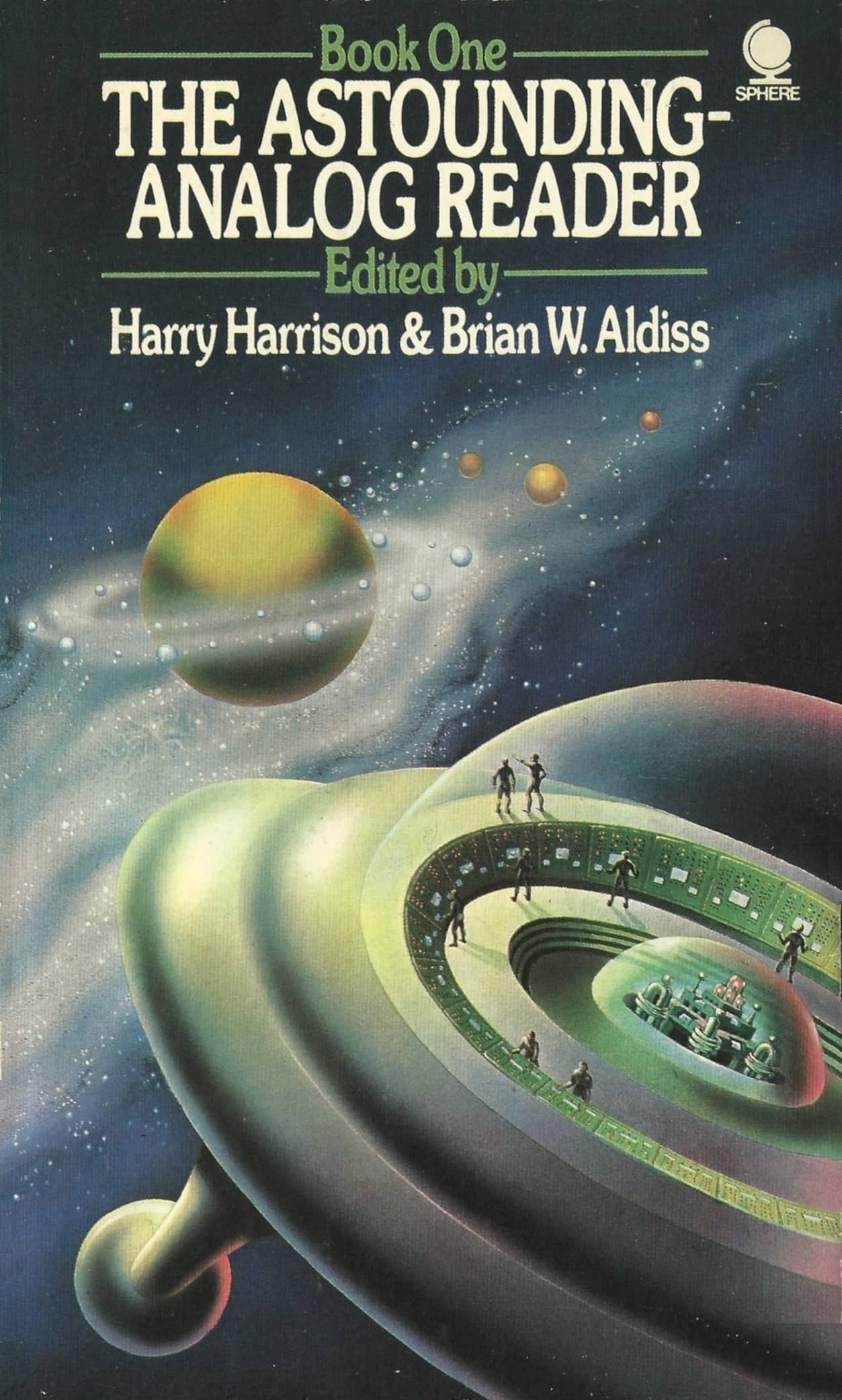
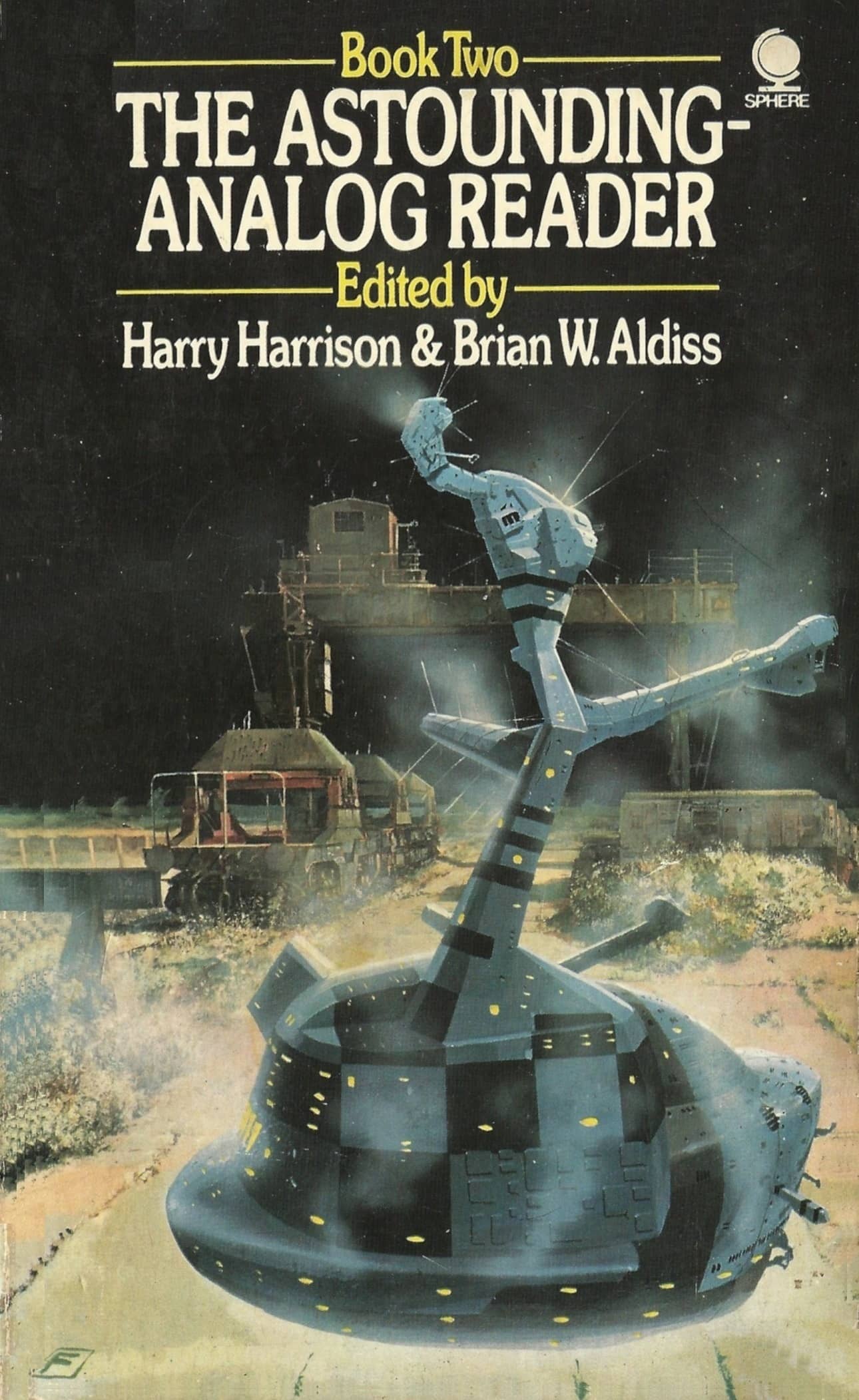
The Astounding-Analog Reader (Sphere 1972 and 1973). Covers by unknown (left) and Chris Foss (right)

I used to scoff at the idea of online bookstores. How will you browse for books?, I demanded to know. You’ll never replace that wonderful moment of discovery, of serendipity, finding a treasure you weren’t looking for, which happens all the time in great bookstores.

Of course, these days I find books online all the time. I’m a huge fan of Harry Harrison and Brian W. Aldiss’s top-notch science fiction anthologies, like the long-running The Year’s Best SF series and Farewell Fantastic Venus! But I had no idea they’d collaborated on a two-volume collection of Golden Age pulp SF, The Astounding-Analog Reader, until I stumbled on a copy of the second volume on eBay a few weeks ago. I tracked down the first one, ordered both, and have been dipping into them ever since they arrived.

The Astounding-Analog Reader is a fantastic assortment of (generally longer) fiction from the pages of Astounding, circa 1937 — 1946. It was originally published in hardcover as The Astounding-Analog Reader, Volume 1 by Doubleday in 1972, and reprinted in paperback in the UK by Sphere as The Astounding-Analog Reader, Book 1 and Book 2 in October 1973. It has never has a paperback edition in the US.

The editors completed the series a year later with The Astounding-Analog Reader, Volume 2 (Doubleday, 1973), which contained stories from 1947-1965. That volume has never had a paperback edition, which makes me sad.

Read More Read More

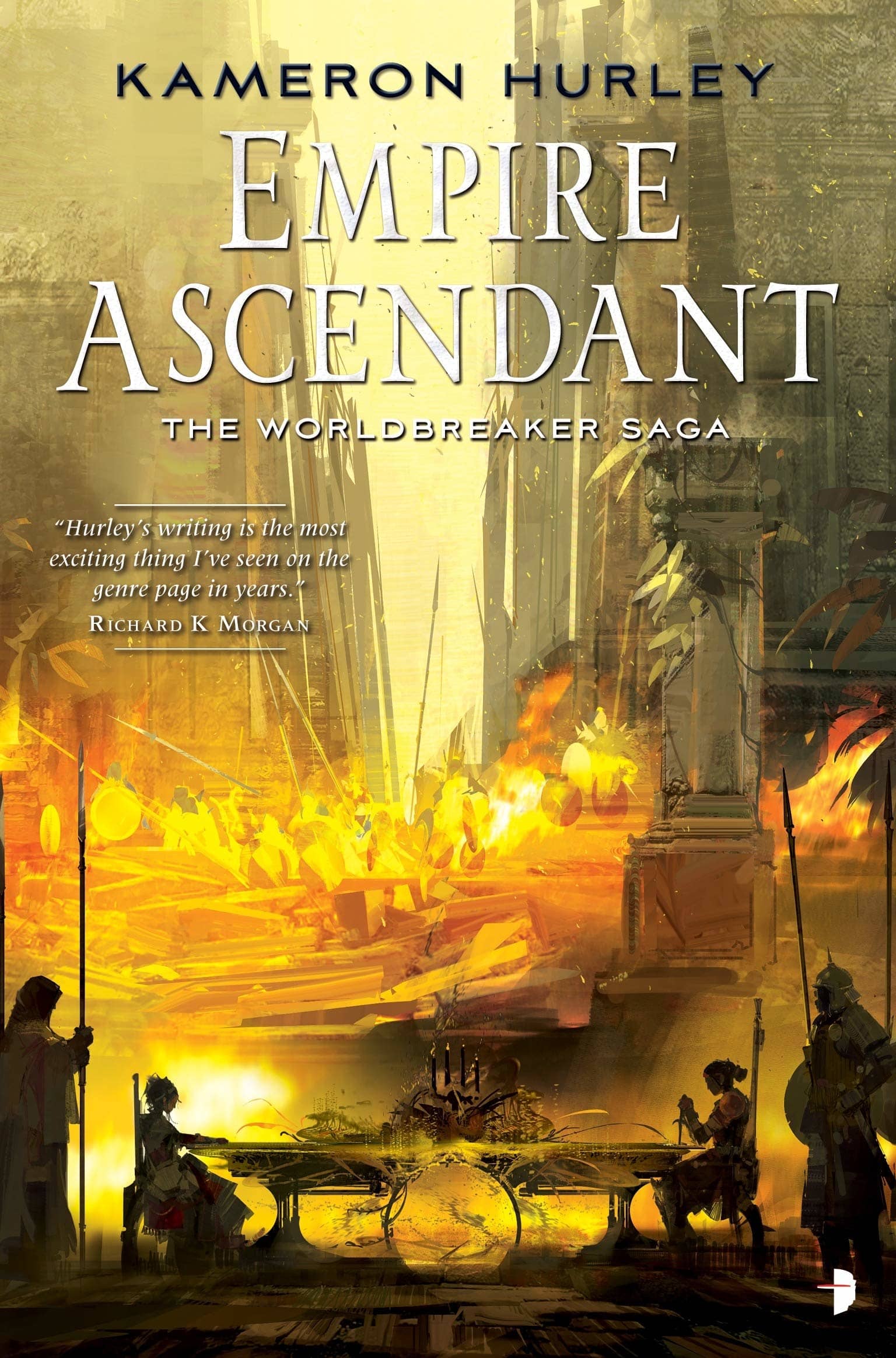
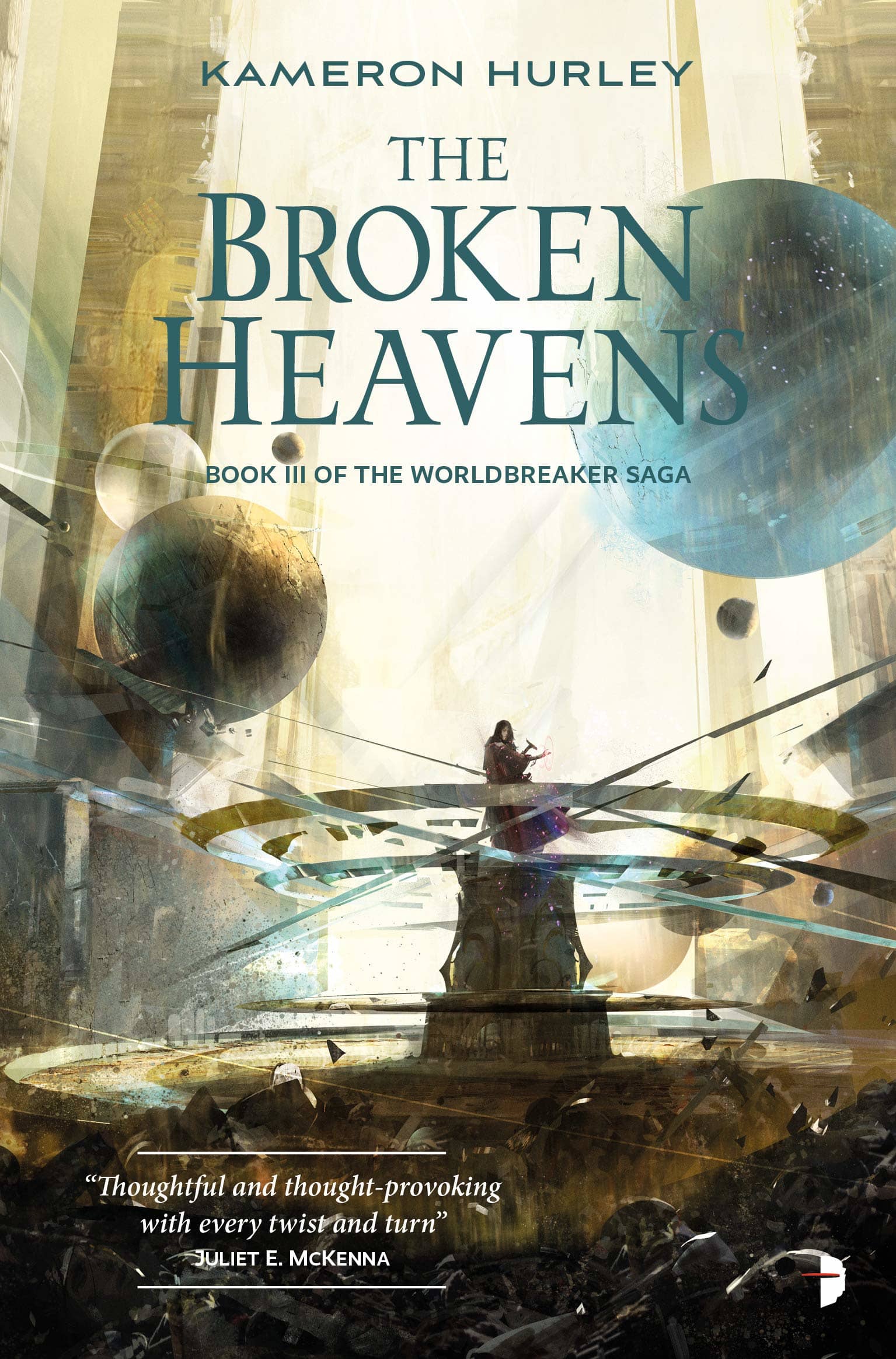
Future Treasures: The Broken Heavens, Book 3 of the Worldbreaker Saga by Kameron Hurley

Future Treasures: The Broken Heavens, Book 3 of the Worldbreaker Saga by Kameron Hurley

The Mirror Empire Kameron Hurley-small Empire Ascendant Kameron Hurley-small The Broken Heavens Kameron Hurley-small

Covers by Richard Anderson

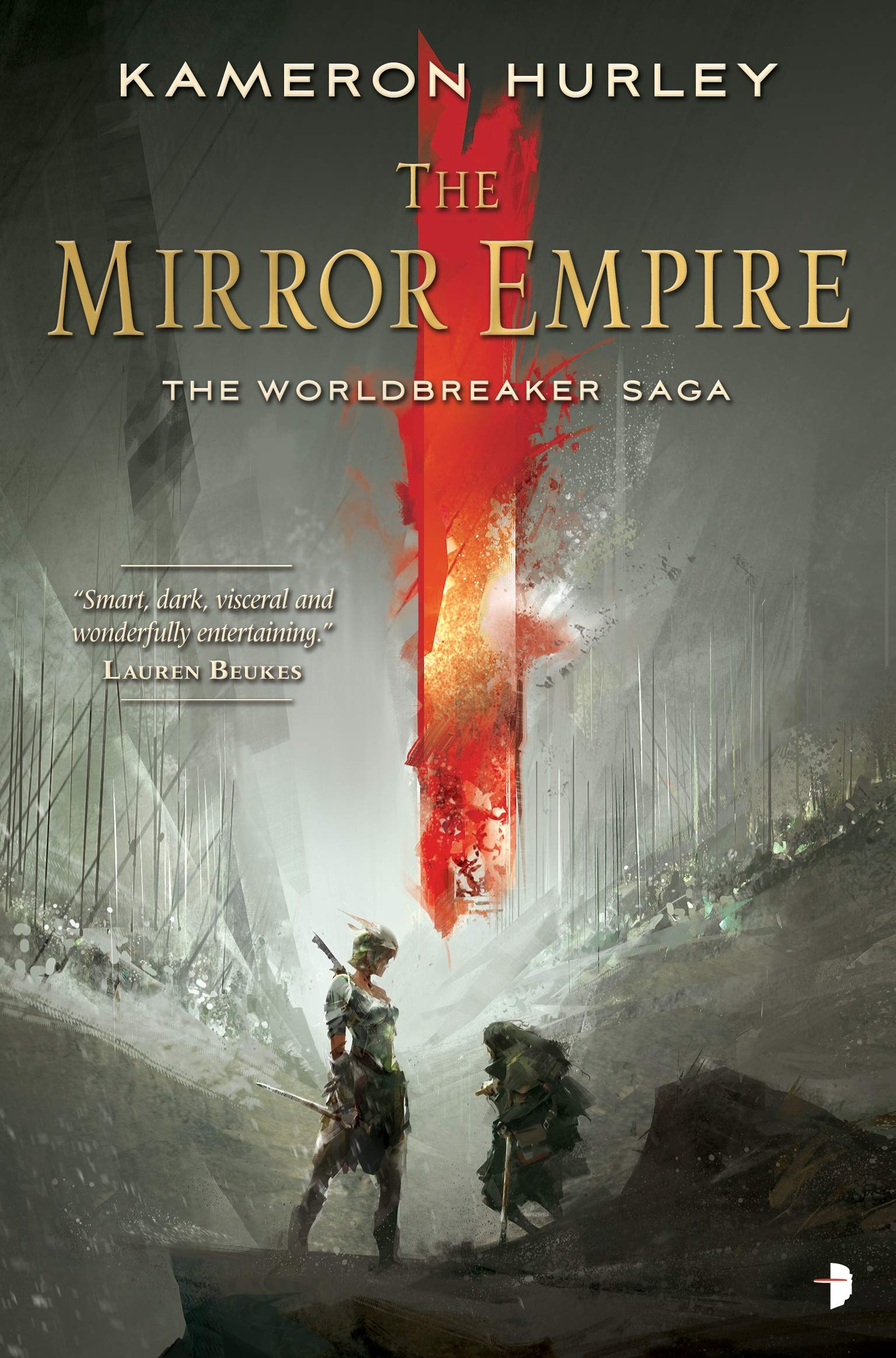
Kameron Hurley has had a charmed career, and she’s just getting started. Her debut novel God’s War was nominated for a Nebula Award, and she won a Hugo in 2014 for Best Related Work. But her most ambitious work so far has been the Worldbreaker Saga. Opening novel The Mirror Empire came in third in the 2015 Locus Poll for Best Fantasy novel, and Library Journal said “This is a hugely ambitious work, bloody and violent… [an] imaginative tangle of multiple worlds and histories colliding.” In his feature review of the second volume Empire Ascendant at Grimdark Magazine, Sean Grigsby wrote:

Kameron Hurley’s Worldbreaker Saga is about as grimdark as fantasy literature can get… To catch you up, The Mirror Empire introduced us to a world where the people worship four distinct celestial bodies: Tira, Para, Sina, and Oma. Certain gifted individuals can call on the “breath” of these bodies to help them perform all kinds of cool magic. However, only one body is in the sky at a time, sometimes not returning for a thousand years. Those gifted by the ascendant star are more powerful than those whose comet is in decline.

But it’s when Oma appears, that everyone gets worried. It signals the clashing of worlds, when the thread between parallel universes becomes so thin that crossing between them becomes possible. But the catch is that your “mirror” self has to be dead in the universe you want to cross into. So when Kirana’s world is coming to a cataclysmic end, she has a lot of people to kill on the other side so all of the people in her world can come over…

There were many awesome moments in Empire Ascendant. Some that had me severely creeped out or squirming in my seat. One especially intense scene that I really enjoyed is when legionnaire Zezili crawls into the lair of monsters and comes across a disgusting creature straight out of nightmares. If Hurley ever tried her hand at horror, she’d do fantastically.

The closing book in the trilogy, The Broken Heavens, arrives next month from Angry Robot. Here’s the publisher’s description.

Read More Read More

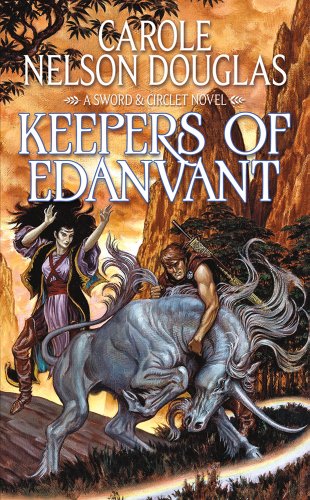
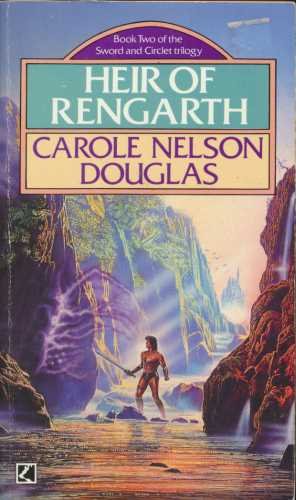
Battle of the Sexes: Sword & Circlet Volume 1 by Carole Nelson Douglas

Battle of the Sexes: Sword & Circlet Volume 1 by Carole Nelson Douglas

Art: Steven Hickman
Art: Steven Hickman

Art: Steve Crisp
Art: Steve Crisp

Art: Luis Royo
Art: Luis Royo

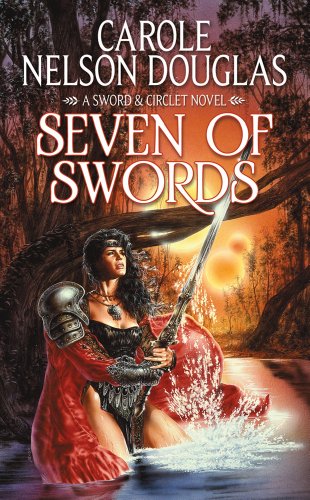
Earlier this year I wrote about two books by Carole Nelson Douglas which became known as the Kendric and Irissa duology. These eighties’ fantasy classics spawned a subsequent trilogy, The Sword and Circlet. Whilst I had this trilogy on hand, I thought a break was in order after completing my review of Six of Swords and Exiles of the Rynth. John had been enticing me to visit some other neglected volumes on my shelf through his ongoing Vintage Treasures posts which saw me breeze through some Wyndham and Vance (which I posted mini-reviews for, in the comments of each article). With this post, I am back to focus on Carole Nelson Douglas.

When one starts to read volume one of the Sword and Circlet Trilogy it becomes immediately clear that this is no afterthought, or clumsy tack on to ride the wave of success the first two books experienced.  Keepers of the Edanvant picks up almost immediately where Exiles of the Rynth left off, pausing only to provide a small prologue and recap of what had gone before.

Read More Read More

New Treasures: Of Wars, and Memories, and Starlight by Aliette de Bodard

New Treasures: Of Wars, and Memories, and Starlight by Aliette de Bodard

Of Wars and Memories and Starlight-small Of Wars and Memories and Starlight-back-small

Cover by Maurizio Manzieri

I met Aliette de Bodard at the Nebulas weekend in 2015, on the way to a party in the Palmer House hotel, and we ended up chatting for about 20 minutes. She was charming, articulate, humble, and a very stylish dresser. And you know, that’s just not a combo you see very often, especially at a science fiction convention.

Anyway, she’s also won, like, ALL THE AWARDS. Her Universe of Xuya series may be the most honored SF story cycle of the last decade, with numerous Hugo, Nebula, Locus, and BSFA nominations and wins. John Clute’s entry for Aliette in the Encyclopedia of Science Fiction reads in part:

Mostly comprising shorter works, the Universe of Xuya sequence – beginning with “The Lost Xuyan Bride” (December 2007 Interzone) and including On a Red Station, Drifting (2012), a short novel – is an Alternate History series in which China settles North America from the west, with complex consequences for earlier settlers like the Aztecs; some stories are set in space…

The Tea Master and the Detective… in the loose Xuya Universe sequence, is a Space Opera whose protagonists – Holmes and her shipmind Watson – are both female; it won a Nebula as best novelette.

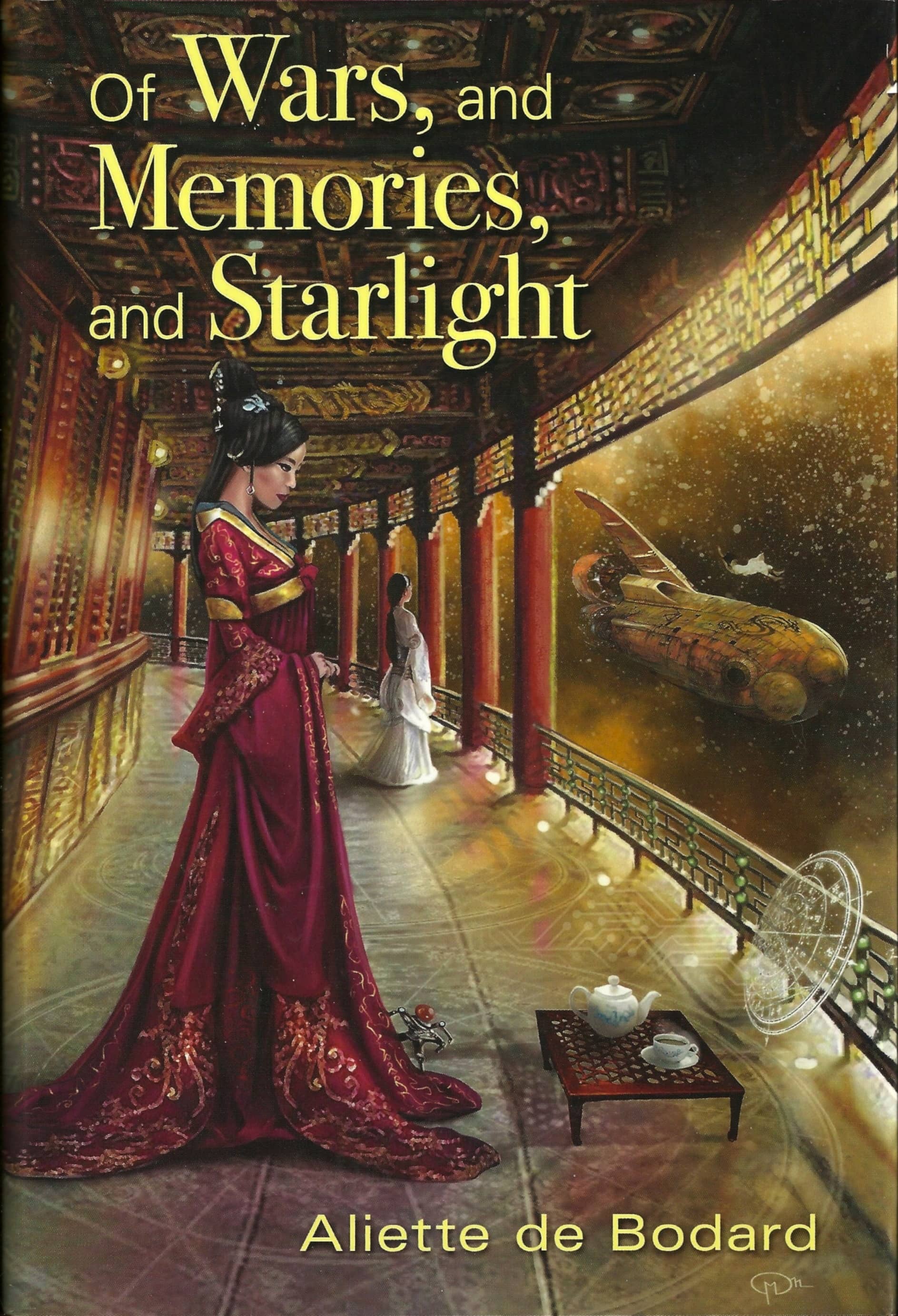
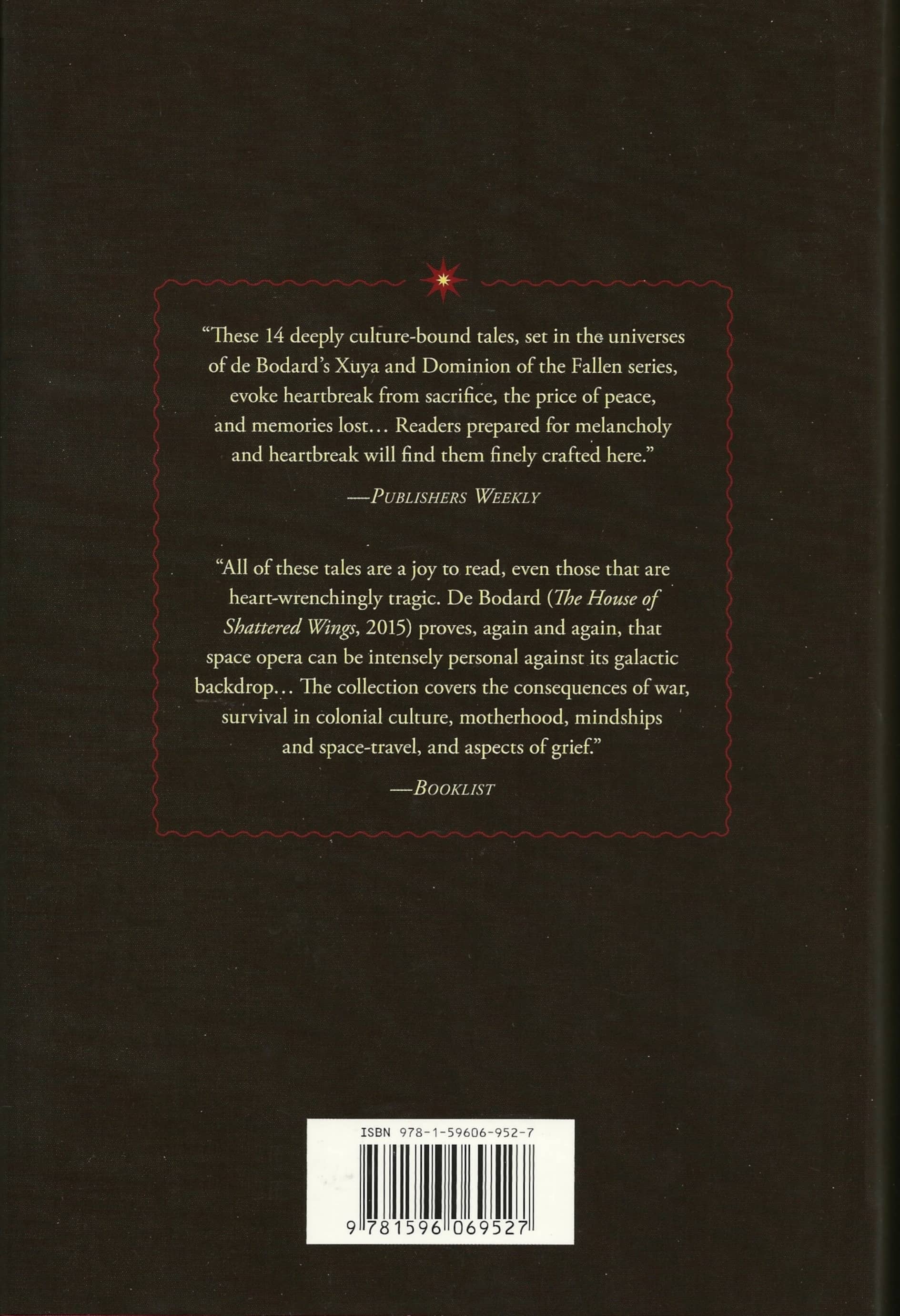
Subterranean Press issued her first major collection on September 30 of this year. Of Wars, and Memories, and Starlight contains 14 tales, including many award winners: 11 Xuya stories, a novelette in her acclaimed Dominion of the Fallen fantasy series, and an original novella, “Of Birthdays, and Fungus, and Kindness.”

Read More Read More