The Series Series: Marshal Versus the Assassins by M. Harold Page
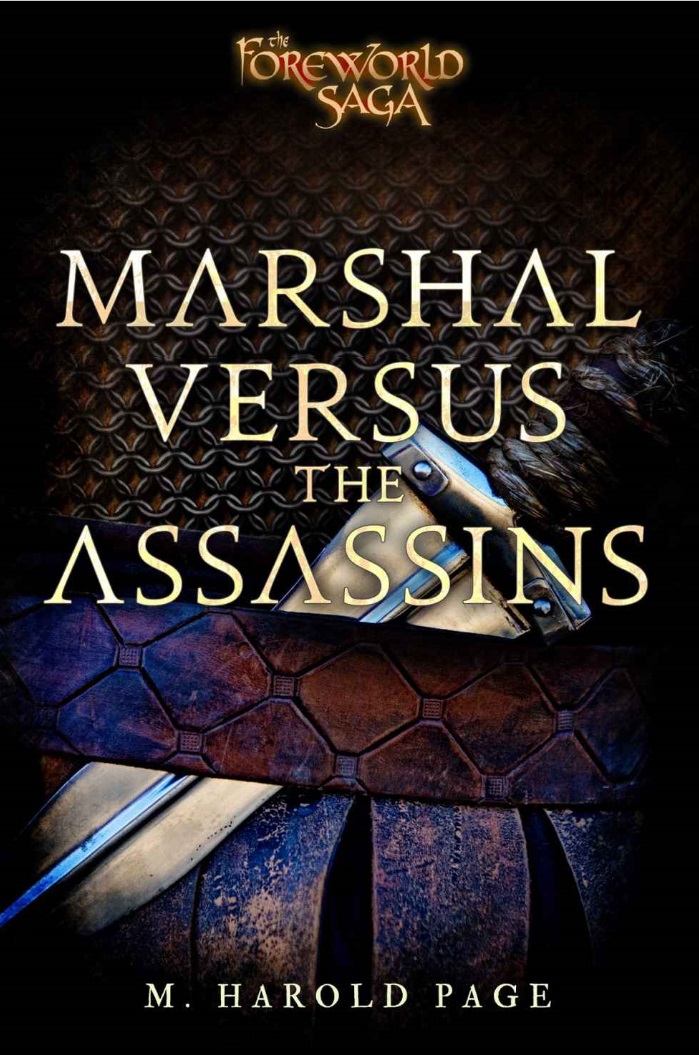 Of the many excellences in Marshal Versus the Assassins, M. Harold Page’s story of a real historical crusader trying to avert a crusade, the most remarkable is Page’s rendering of physical combat. There are so many reasons this stand-alone adventure in the Foreworld Saga could be subtitled Don’t Try This at Home.
Since you’re here reading Black Gate, odds are you’re a fight scene connoisseur. You’ll have read some classic set-pieces, and some classic blunders. You may even have read this post, which discusses the biggest pitfall most writers face when they set out to learn how to write a fight scene: the counterintuitive way a blow-by-blow approach to even the most exciting events can turn tedious. Writers who overcome that problem generally do it by intertwining the physical blow-by-blow fight choreography with the things fiction can render and film can’t — most of them aspects of the viewpoint character’s inner life.
What Page does more and better than any other fantasy writer I know is intertwine the viewpoint character’s complete sensory experience during combat. As a practitioner and historian of Europe’s lost martial arts traditions, Page knows in muscle memory how each weapon his crusader characters use feels in the hand, in the heft, and in the mailed body it strikes. All of us who write fantasy that includes fight scenes try to convey this kind of sensory vividness and immediacy. The difference in results between a writer who’s relying on research or imagination and a writer who has dedicated years to mastering the things his characters have mastered is immediately apparent.
I was about to say the difference was apparent on the page, but for much of the time I spent reading the fight scenes, I wasn’t really paying attention to the existence of a page. It would be more accurate to say the difference is apparent in the reader’s mirror neurons.
I love reading a book that I couldn’t have written, one that displays writerly chops totally different from mine. Of course, the thing Page makes look easy that I struggle with as a writer is not the only virtue of this book.
For instance, there’s the delightful blank spot in history that Page imagines his way into.
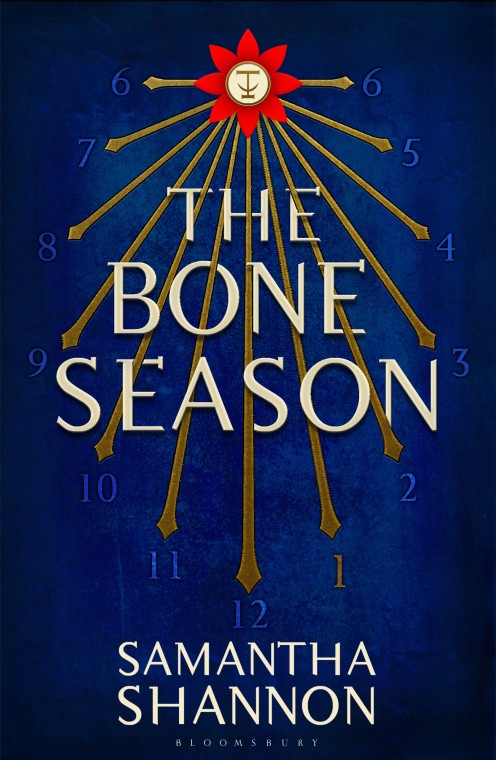
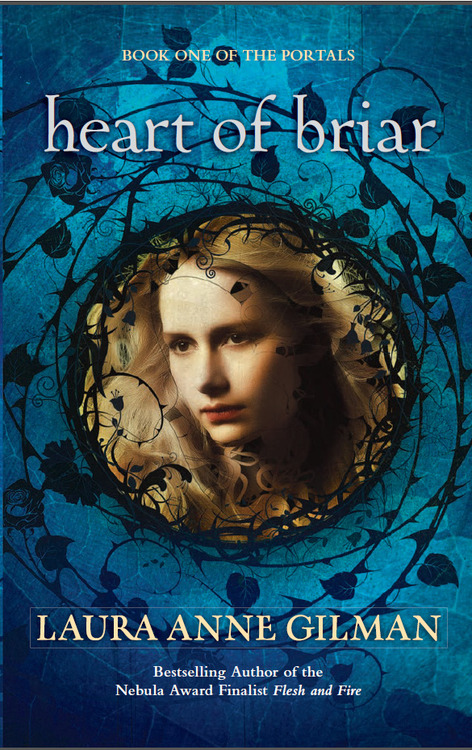
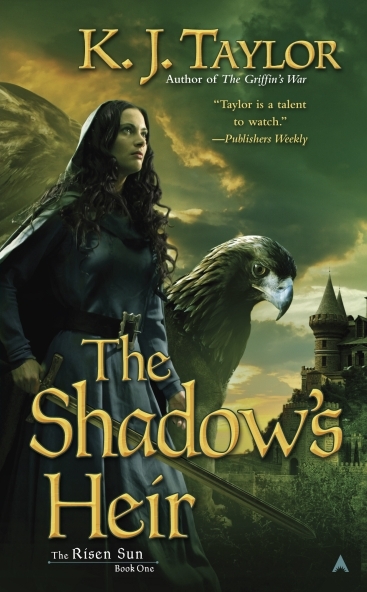

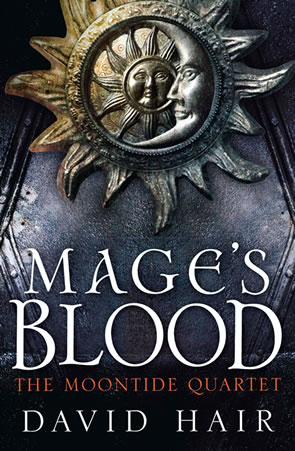 Sprawl is my favorite virtue of the novel. Not just this novel, Mage’s Blood, but novels generally, in all their varied glories. I may be the only person on Earth who is not at all perturbed by the ever-increasing length of George R. R. Martin’s Song of Ice and Fire books and I was probably the only reader of Harry Potter who wished J.K. Rowling had made her last volume about fifty pages longer, though this is not the time to say why. Sprawl may be a virtue in novels, but in blog posts, not so much. I picked up David Hair’s first volume of the new Moontide Quartet series because it promised a large ensemble cast arrayed in a family saga big enough to keep all those characters busy for years. The word “Quartet” in the title helps, too, with its suggestion that the author knows where he is going with the series. And if the first volume is anything to go by, I think he probably does.
 Don’t start with the cover, or the blurb, or the elevator pitch. Don’t start with which other books The Unexpected Enlightenment of Rachel Griffin resembles.
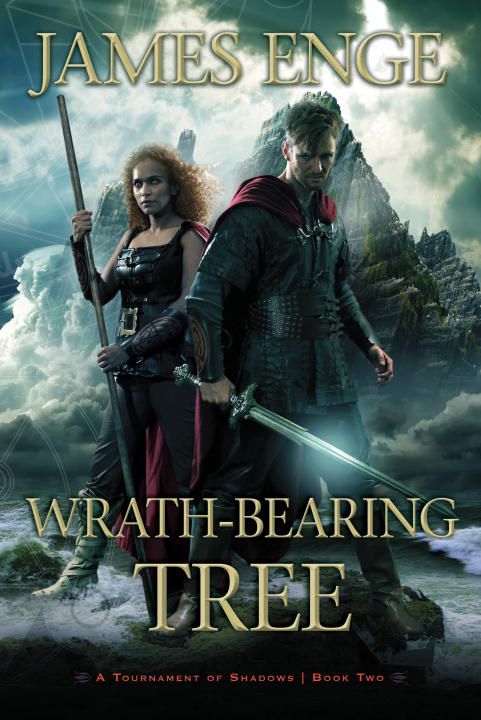 The first time I saw a James Enge novel on the shelf of my local bookstore, I broke into a little dance of jubilation. I’d been reading Enge’s short stories about Morlock the Maker in the pages of Black Gate — this was when BG had literal paper pages — and it was news to me that Enge had made the leap from short fiction to novels.
 Over the next few years, Enge followed Blood of Ambrose with This Crooked Way and The Wolf Age, and it turned out the one thing better than a Morlock novel was a whole trilogy of Morlock novels.