The Enigma
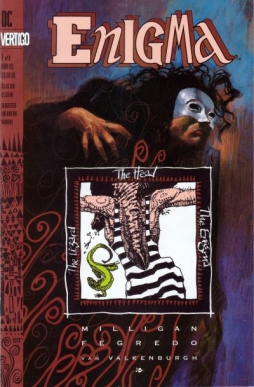 In 1990, the Walt Disney Company launched a new comics imprint, Disney Comics, to publish titles starring their cartoon characters; they’d previously licensed their characters to other comics companies, but the new imprint represented their own entry into the field. The venture met with some initial success and Disney began to plan further imprints, including one under former DC Comics assistant editor Art Young, which would be called Touchmark and feature creator-owned books for ‘mature readers.’ In this context, that meant something like ‘literary fantasy.’ At the time, DC had a number of books labeled for ‘mature readers’ which had gathered critical attention and good sales — among them, Neil Gaiman’s Sandman, Grant Morrison’s Doom Patrol and Animal Man, Jamie Delano’s Hellblazer, and Peter Milligan’s Shade the Changing Man. Young brought some of these writers over to the projected Touchmark line. Announced titles included a book written by Morrison with art by Steve Yeowell, Sebastian O, one by Milligan and artist Duncan Fegredo, The Enigma, and J.M. Dematteis and Paul Johnson’s Mercy.
Touchmark never published a book. Sales for the Disney titles had begun to drop, and all the projected imprints were cancelled. But the work wasn’t wasted. Young returned to DC, bringing some of the Touchmark books with him. There, editor Karen Berger was developing a publishing plan for DC’s ‘mature readers’ books, which would be grouped together along with some new titles as an imprint of their own, to be called Vertigo. The Touchmark titles fit in seamlessly, and helped increase the diversity of the new imprint: these weren’t just re-imagined DC characters, but something completely new. I want to write here a bit about one of those books: Milligan and Fegredo’s Enigma.
The Enigma is a difficult book to describe. It opens with a seemingly random sequence of events. A narrator — abrasive, confrontational, but unseen — fills captions with sarcasm and rhetorical questions. Improbable, bizarre things happen; characters react to them in weird, apparently inexplicable ways. But then as the story goes on things begin to link up. What seems deranged becomes coherent. Explanations slowly emerge. Even the identity of the narrator and the reason for that narrator’s tone become clear during the unwinding of the tale. It’s an incredible technical accomplishment that works as more than technique: the surreality breaks open your mind, and the slow-emerging explanations build around peculiar links, feeling like dreams or obsessions, all of it gaining inexplicable depth as it resolves itself into a kind of postmodern Freudian parable. With super-heroes.
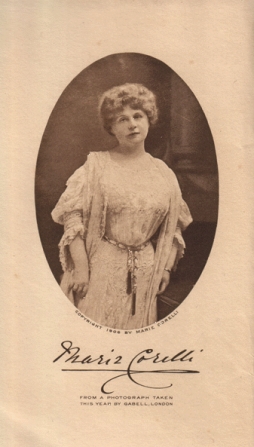 I don’t often write here about bad books. Partly that’s because I don’t usually care to give them publicity. Partly it’s because I don’t usually care to think further about an unrewarding reading experience. Mostly, though, it’s because to me a bad book is typically an uninteresting book. And what I really want to write about, when I write about a book, is what makes it interesting. Still, there are always exceptions. And of course it’s always worth challenging one’s ideas of what ‘bad’ means. So this time out I want to talk about some books by a writer who was, in her time, notorious for literary badness.
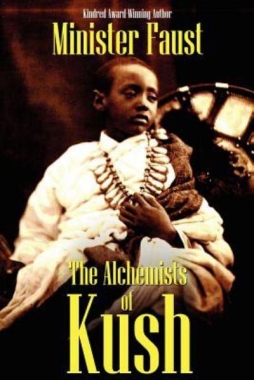 Writing about fantasy fiction seems sooner or later to involve writing about myth. The two aren’t the same, but have a connection difficult to articulate. Similarities and contrasts both feel obvious and yet are hard to nail down. Perhaps it’s fair to say both fantasy and myth challenge consensus reality. But that they differ in the relation they have to truth, or to what is to be taken as truth.
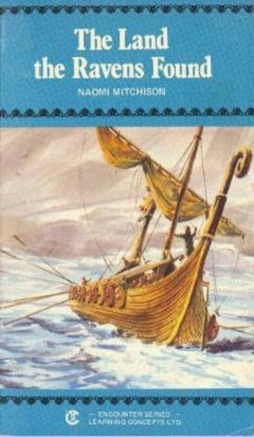 One of the joys you get to have as a reader is the discovery of a new writer, or a new old writer, with a back catalogue of work out there waiting for you. A little while ago, my girlfriend Grace and I were at a book fair when Grace came across a children’s novel called The Land the Ravens Found. First published in 1955, the copy she’d found was a fourth edition, from 1966, suggesting there’d been some demand for the book over the years. It was a story of Viking times and the founding of a settlement in Iceland, written by a woman named Naomi Mitchison. Neither of us had heard of her, but after reading the book, Grace was impressed enough to recommend it to me; after reading it myself, and learning a bit about Mitchison online, I thought it’d be worth writing a little here on both book and author.
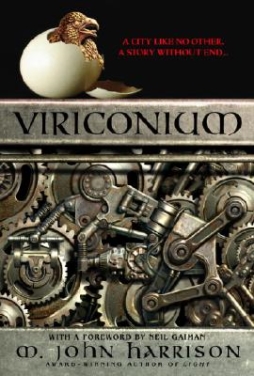 The term ‘dying earth’ comes from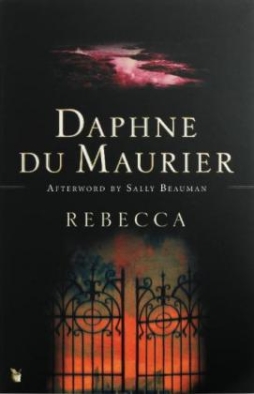
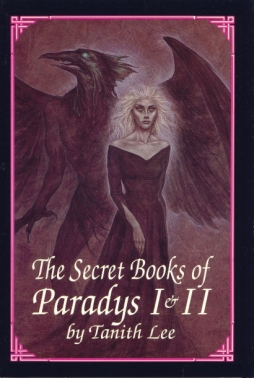
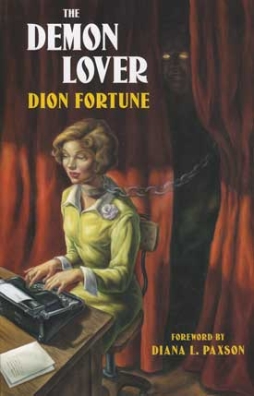 When I
 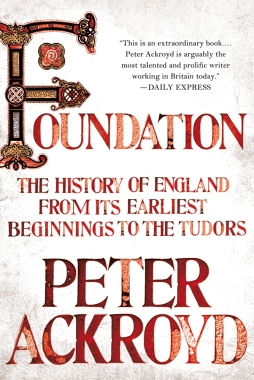 I’ve been reading Peter Ackroyd’s writing for almost twenty years now, and I’m frankly beginning to fall behind. It’s hard to keep up with the man: he’s produced poetry, fiction, biographies, creative nonfiction, and, most recently, narrative history. One of his nonfiction books, Albion, was subtitled ‘the English Imagination,’ and was an essay or set of essays investigating exactly that; in fact, much of Ackroyd’s work can be seen as an investigation of, or a struggle with, the nature of English literary, historical, and imaginative traditions — especially as manifested in the history of London. And so his current project (or one of them) is an ambitious six-book history of England. Two have been published so far; as I say, I’m behind, and have only just completed the first, Foundation, examining the past of England from prehistory to the end of the Wars of the Roses.
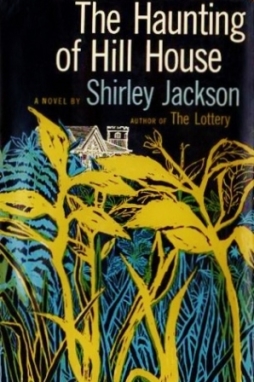 Different people have different explanations for why horror fiction exists, and why it’s worthwhile. It’s always seemed to me that, whatever else it does, good horror writing expresses some kind of fear or terror that is both deep and common. Insofar as the fear’s deep, the horror story touches a profound well of emotion, as good fiction usually does; insofar as it’s common the story links readers together and reminds us that we share the same dreads. So at its best, horror fiction is empathic and profound.