My Fantasia Festival, Day 20: When Animals Dream, Space Station 76, and Welcome to New York
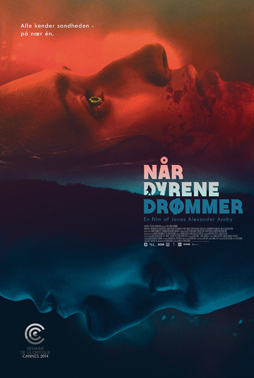 Last Tuesday saw the presentation of the official closing film of the 2014 Fantasia International Film Festival. Film festivals being what they are, there’d actually be another two days of films after that. In any event, I’d manage to see the closer, after catching two other movies earlier in the day.
I started things at 5:30 with an artful Danish horror film called When Animals Dream. After that, at 7:30, came an American sf comedy called Space Station 76, a send-up of 70s television sci-fi. Finally, at 9:45, came the closing film: Welcome to New York, directed by Abel Ferrara. Once again, I was in for a highly varied evening of cinema.
When Animals Dream was preceded by a short called Sea Devil, co-written and co-directed by D.C. Marcial and Brett Potter. An American fisherman agrees to meet two Cuban refugees at sea and takes them on board; later the ship rescues another man, weirdly mutilated and caked in an undersea growth. The movie goes on to tell a tight (16-minute) story of horror in the deeps. There’s a good atmosphere here, like something out of Jeff VanderMeer or Laird Barron. The short nicely underplays the horror, refusing to specify what’s happening, giving just enough information to be shocking, and deploying sudden cuts to good effect.
 As I said in my last post, I went out of town for the first weekend of August, and thus missed a couple days’ worth of movies playing at the Fantasia film festival. I was able to catch up with some on Monday, though. Fantasia maintains a screening room, with workstations where journalists, industry people, and other accredited folks can watch movies on computer. It’s not the optimal way to experience a film — they’ve usually been burned onto a DVD or accessed through a private Vimeo account — but it’s serviceable if you can’t catch the movie any other way. The screening room usually loses rights to the movies shortly after they play at the festival, but when I went by on Monday, there were still quite a few available.
 A week ago, on Thursday, July 31, I saw yet another movie at the Fantasia Festival. Then I left town for the weekend to attend to some business of my own. I got back in on Sunday, and went to see another movie Monday evening. By that time, I’d also been able to catch up on a couple of films that I’d missed over the weekend — but I’ll be talking about them later. For the moment, I’ll discuss the films I saw in the Fantasia theatres.
 I didn’t see any films at Fantasia on Monday, July 28, and then on the 29th I saw two. One was Guardians of the Galaxy, which
 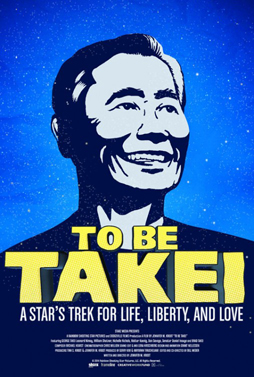 I saw two movies in the late afternoon and evening of the Sunday before last (the 27th). Both were documentaries. You’d think that the first one would have had the more obvious science-fiction content, being a biography of an actor who rose to fame playing a character on perhaps the best-known science-fiction TV show of all time — while the second film was an in-depth examination of what sounds like the most mundane substance in the world. This did not turn out to be the case. The old saying about truth, fiction, and strangeness applies.
 There are a couple of things I’ve noticed in my Fantastia experience so far which I haven’t yet mentioned. The first is the general friendliness of people: the ease I’ve had in getting into conversations while in line for a film, or in the theatre waiting for a movie to start. I’ve met other writers, a programming director for a Mexican horror film festival (
 I’m going to do something a little different in this instalment of my diary of the Fantasia film festival: I’m going to write about two movies in the reverse order from which I saw them. I watched both on Saturday, July 26, and it so happened that the second one struck me as a perfectly fine movie of the sort of movie that it was, while the first seemed a little bit more.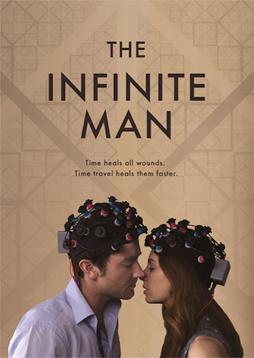
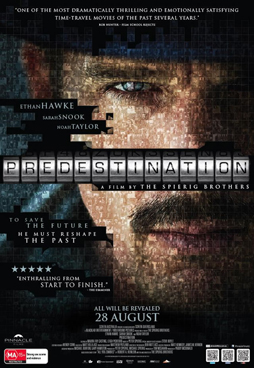 On Thursday, July 24, I saw two movies. One hinted at the supernatural. The other was a surprisingly faithful adaptation of a classic sf story. On the surface, these films didn’t seem to have a lot in common. But to me they raised similar questions about free will, about how people change, and about whether one can really choose that change.
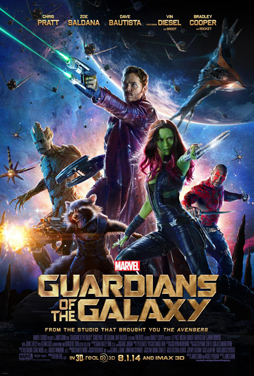 I’m going to break from the chronological record I’ve been keeping of the Fantasia Festival to write a bit here about a movie I saw last night. I’m going to do this on the off chance that my doing so may help some of you decide what you’ll be doing with a couple hours of your upcoming weekend. On Tuesday at 7:30, Fantasia presented the Canadian premiere of Guardians of the Galaxy and I was there.