Browsed by
Author: John ONeill

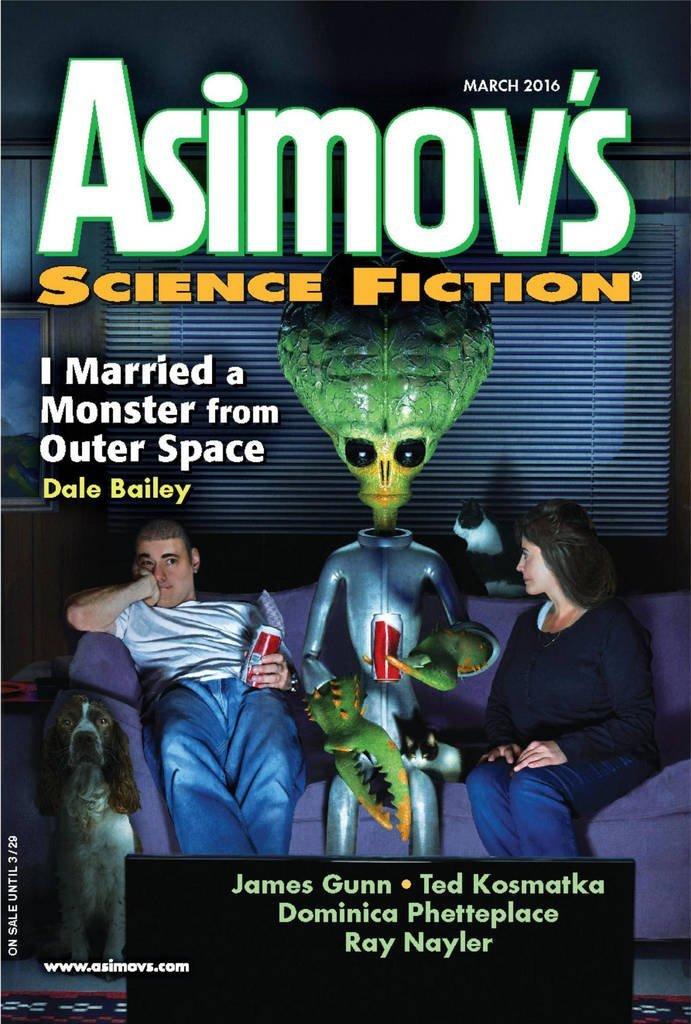
March 2016 Asimov’s Science Fiction Now on Sale
March 2016 Asimov’s Science Fiction Now on Sale

Asimov's Science Fiction March 2016-smallIn her editorial in the latest issue of Asimov’s Science Fiction, Sheila Williams pens a passionate and thoughtful defense of Young Adult fiction.

I’m used to being told that the engineering in one story is too realistic or the fantasy in another too pervasive. The critic will avow that the tale would have been better off in Analog or F&SF. On rarer occasions, I have been criticized for featuring tales about children and young adults. The implication is that Asimov’s is a magazine for adults, which means the tales should all be about adults as well. This last criticism has always been the one that most surprises me.

It’s hard to imagine a magazine that purports to cover all the conditions of humanity not covering the early years every so often. Any reader of Asimov’s has certainly experienced childhood and the ’tween years. Many of the issues that faced us then reverberate throughout our lives. With any luck, some of our readers picked up the magazine as precocious young adults….

It can be argued that there are two types of stories about young protagonists. One is really written for the adult who is looking back on those early years…. The other seems to be written specifically for the child or young adult… I’ve also enjoyed many works that fall into the second category… That young people will learn much about the world from reading adult literature does not mean that adults can’t find pleasure and illumination in works that were primarily written for the young.

Hear, hear! You tell ’em, Sheila. I discovered Asimov’s with the Summer 1977 issue at the tender age of 12, and the fact that the magazine was very friendly to young readers was a huge plus for me. I hope it continues to attract young readers, and having an occasional YA component to the fiction is a huge piece of that.

Read Sheila’s complete editorial here.
Read More Read More

The Books of David G. Hartwell: Visions of Wonder and The Science Fiction Century

The Books of David G. Hartwell: Visions of Wonder and The Science Fiction Century

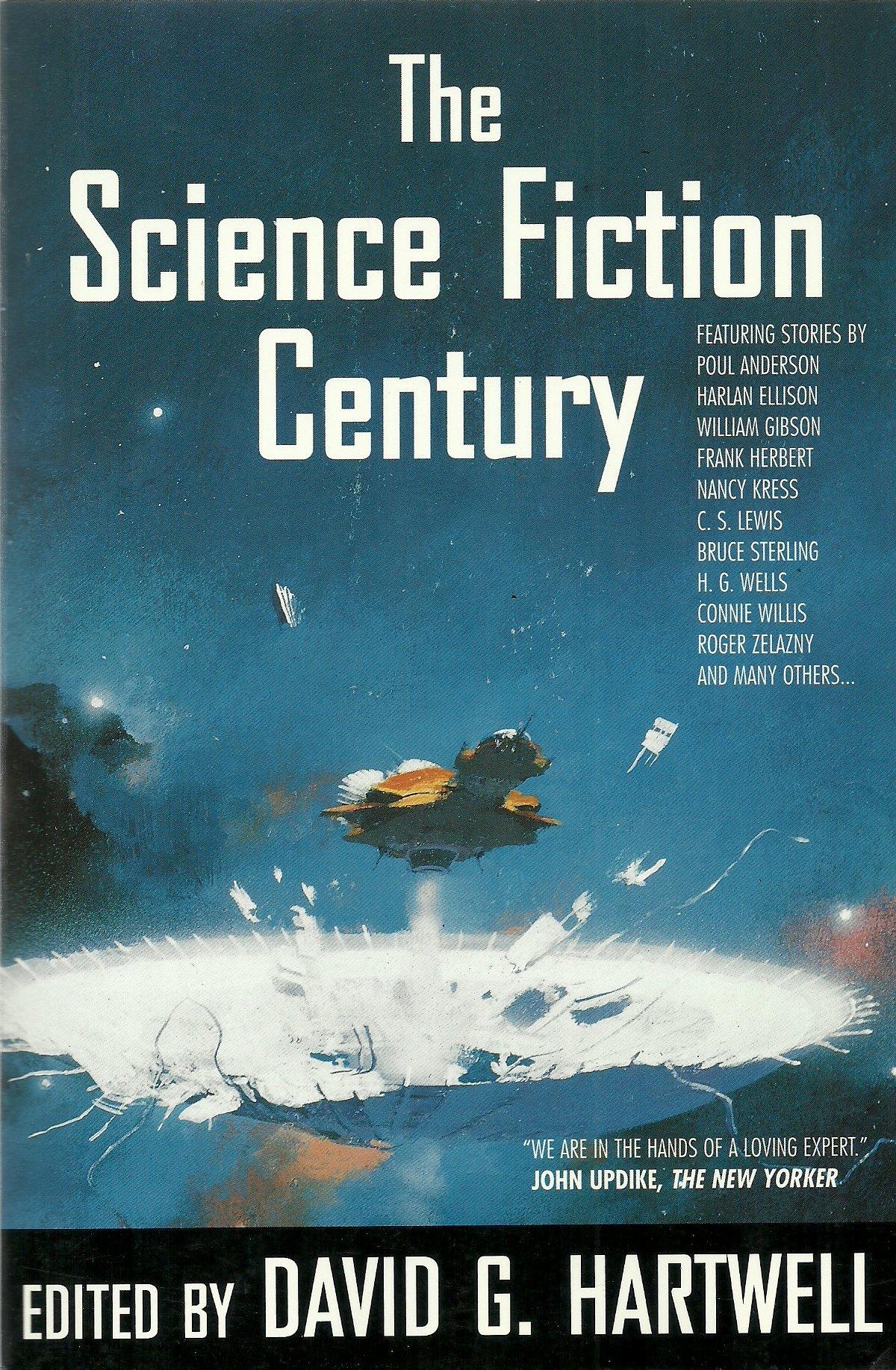
Visions of Wonder-small The Science Fiction Century-small

We lost David Hartwell on January 20th. This is our sixth article in a series that looks back at one of the most gifted editors in our industry.

With the publication of The Dark Descent and The Ascent of Wonder, David quickly established himself as the go-to guy for big genre survey volumes, and he produced many of them. These massive books were popular with libraries and book clubs, and many stayed in print for years. David had found a fine niche for himself that showed off his considerable talents for genre scholarship (not to mention his excellent taste), and he continued to compile these giant books for the rest of his life.

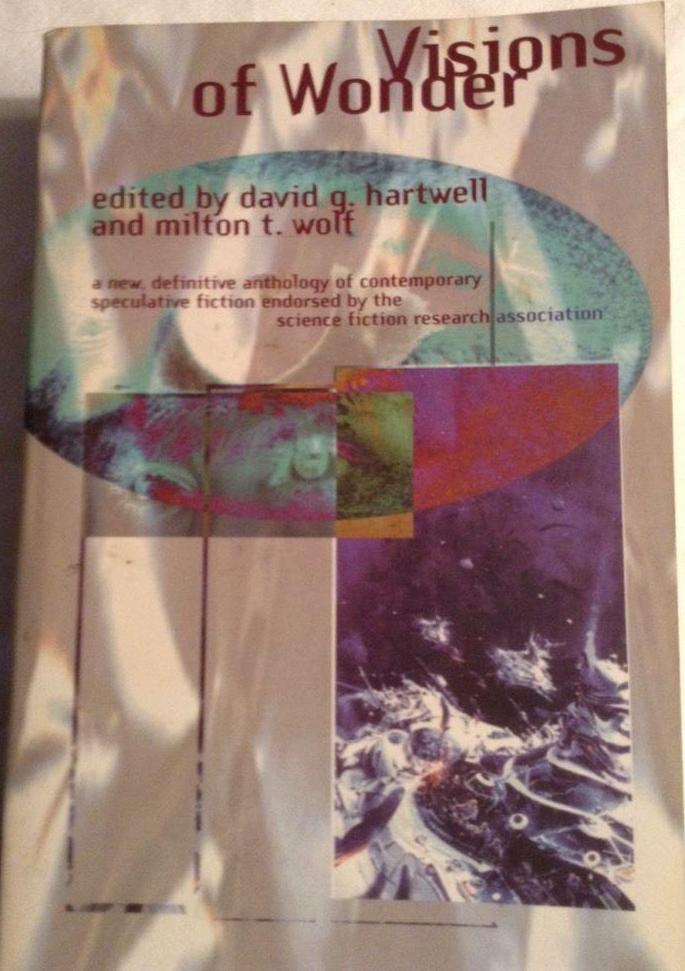
His next two major anthologies were huge science fiction retrospectives. The first, Visions of Wonder (1996), weighing in at a mere 798 pages, was co-edited with Milton T. Wolf, Vice President of the Science Fiction Research Association, and was a fine attempt to create an up-to-date SF textbook, mixing in critical essays by Damon Knight, John W. Campbell, Jr., Judith Merril, Samuel R. Delany, and others — plus a comprehensive guide to modern SF scholarship compiled by Gary K. Wolfe — with a generous sample of top-notch fiction. The 1005-page The Science Fiction Century (1997) was nothing less than a comprehensive survey of a hundred years of science fiction, containing works by H. G. Wells, C. S. Lewis, E. M. Forster, Rudyard Kipling, Jack London, A. E. van Vogt, Jack Vance, Robert Silverberg, Poul Anderson, Roger Zelazny, James Tiptree, Jr., Bruce Sterling, Nancy Kress, William Gibson, and dozens of others.

Read More Read More

Future Treasures: Stories of the Strange and Sinister by Frank Baker

Future Treasures: Stories of the Strange and Sinister by Frank Baker

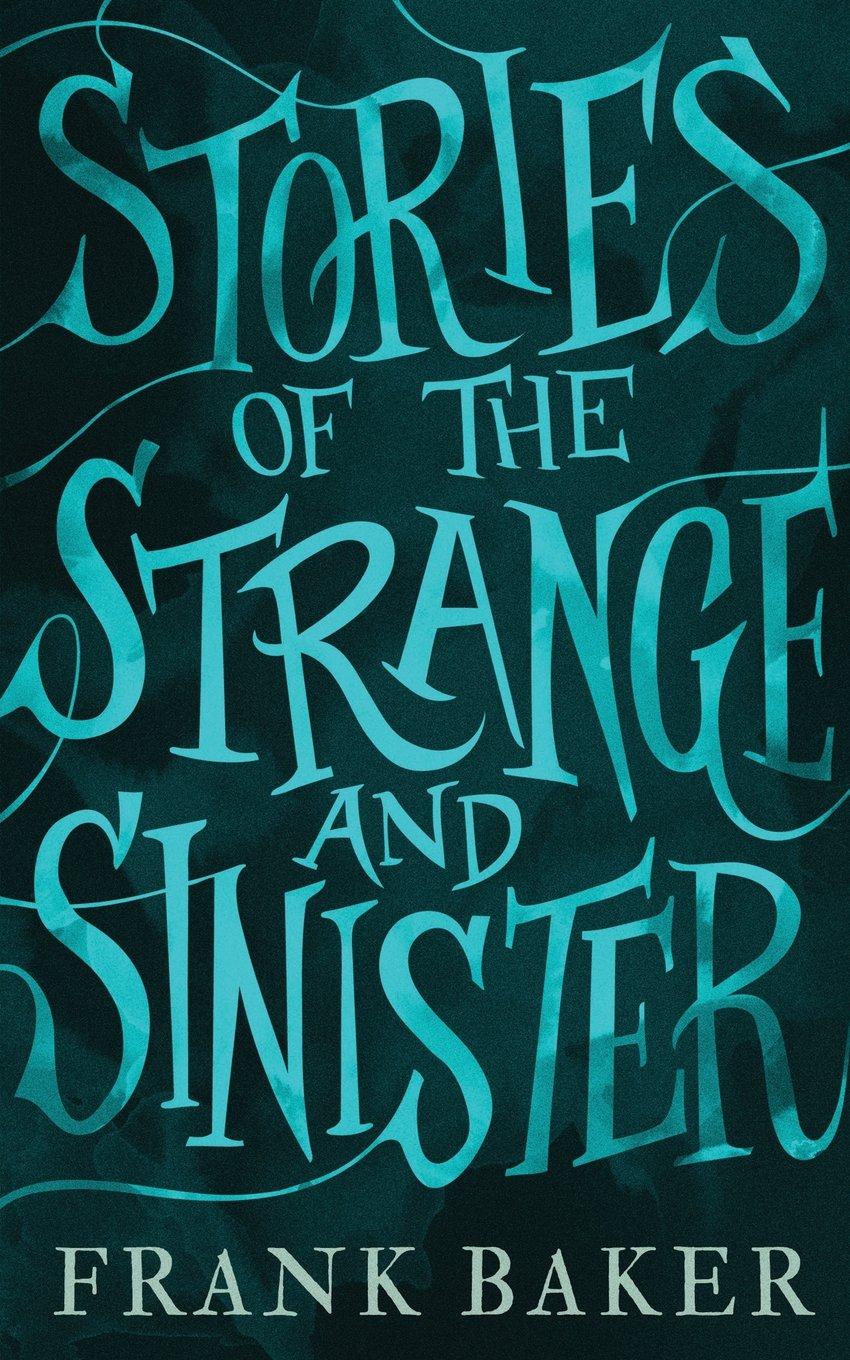
Stories of the Strange and Sinister-small Stories of the Strange and Sinister-back-small

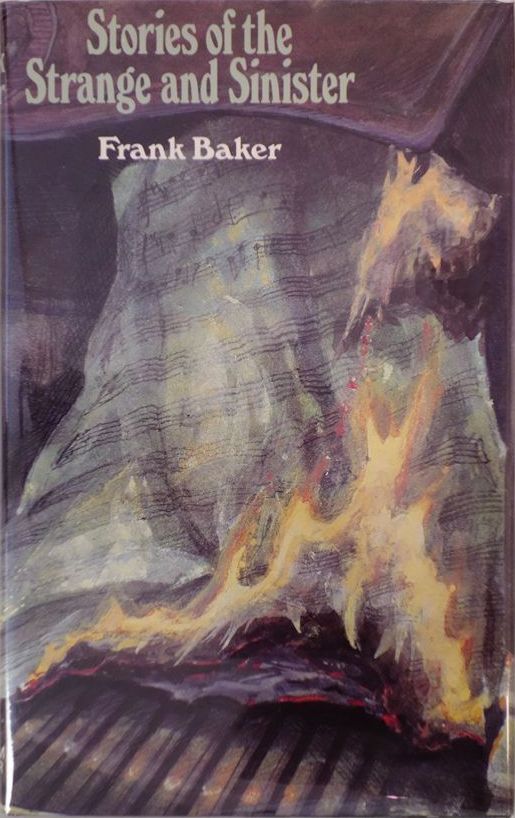
Stories of the Strange and Sinister first-smallI first discovered Valancourt’s marvelous 20th Century Classics line when I stumbled on their booth at the 2014 World Fantasy convention in Washington D.C.. I was so impressed, in fact, that I wrote up a lengthy survey of their back catalog as soon as I got home.

Valancourt has been bringing neglected horror and thriller classics back into print in handsome new editions for years now. Their latest subject is Frank Baker, whose first novel, The Twisted Tree, was published in 1935. He published an odd little book titled The Birds in 1936… it sold only about 300 copies, and Baker labeled it “a failure.” It likely would be utterly forgotten today, if Alfred Hitchcock had not turned it into a hit with his 1963 horror film of the same name.

Perhaps Baker’s most successful work was Miss Hargreaves (1940), a comic fantasy in which two young people invent a story about an elderly woman, only to find that their imagination has brought her to life. He published more than a dozen others, including Mr. Allenby Loses the Way (1945), Embers (1947), My Friend the Enemy (1948) and Talk of the Devil (1956), before his death in 1983.

Stories of the Strange and Sinister is his only collection. It was first published in 1983 (see cover at right), and has long been out of print.

The new edition will be published by Valancourt on March 15, 2016. It is 184 pages, priced at $16.99 in trade paperback and $7.99 for the digital version. See more details at the Valancourt website.

See all of our coverage of the best in upcoming fantasy here.

The Goblin King, New York Sorcery, and Demon Pirates: The New and Upcoming Fantasies of Tor.com

The Goblin King, New York Sorcery, and Demon Pirates: The New and Upcoming Fantasies of Tor.com

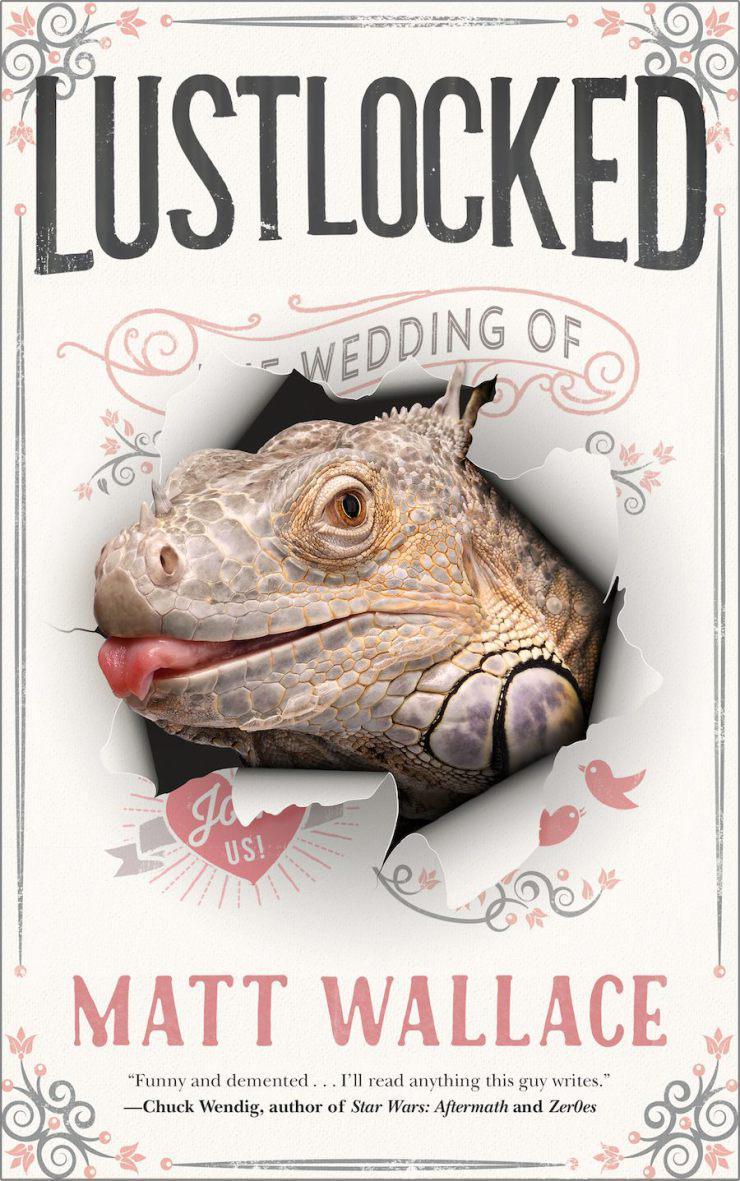
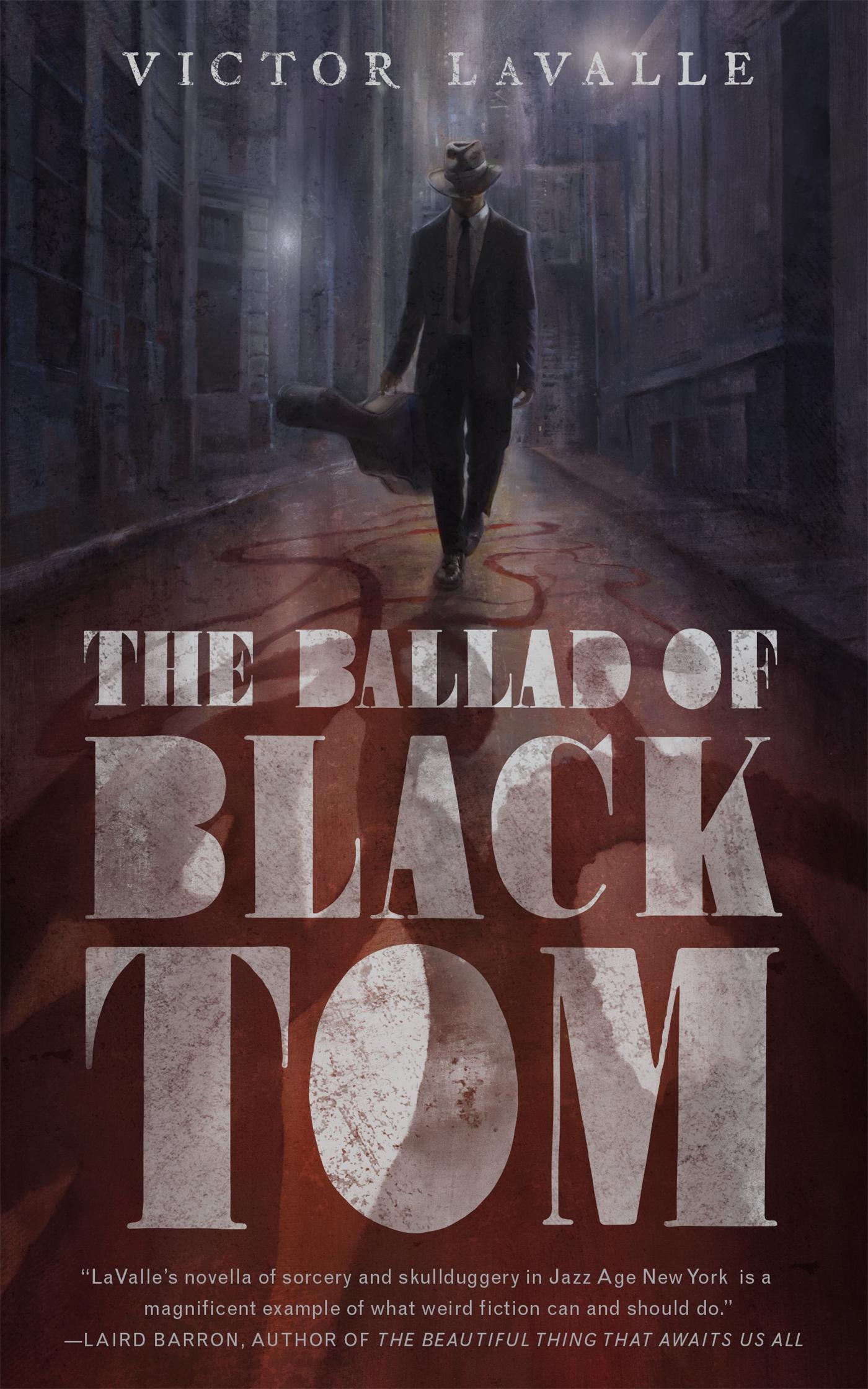
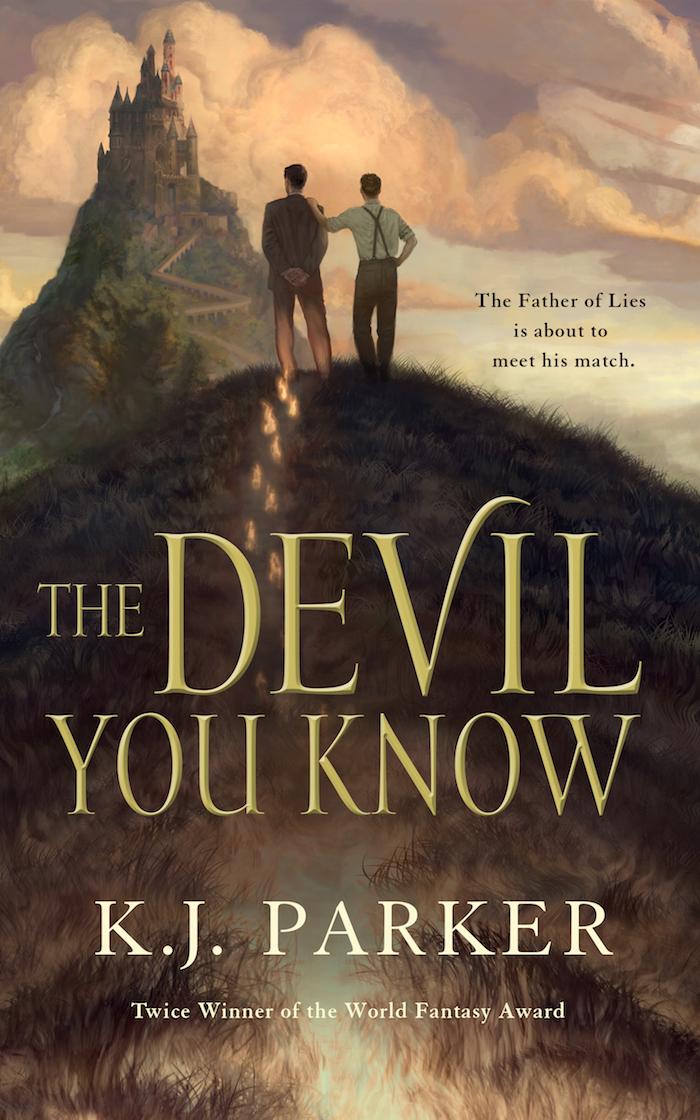
Lustlocked-small The Ballad of Black Tom-small The Devil You Know-small Pieces of Hate-small

I’ve been very much enjoying Tor.com‘s new line of novellas, which has produced a number of clear winners already. We’ve covered the first dozen or so, but they haven’t been resting in the past few weeks and months — far from it. When I checked this morning, I discovered more than a dozen new titles scheduled for the rest of this year, from authors such as Mary Robinette Kowal, Andy Remic, Tim Lebbon, Seanan McGuire, Michael R. Underwood, Matt Wallace, K. J. Parker, and many others.

It’s time to play catch-up. So here’s a detailed look at the next eight volumes on their schedule, including covers and (where available) links to cover reveals, sample chapters, and audio excerpts. It’s a smorgasbord of future fantasy from one of the best publishers in the business. Check it out.

Read More Read More

New Treasures: Clarkesworld: Year Eight, edited by Neil Clarke and Sean Wallace

New Treasures: Clarkesworld: Year Eight, edited by Neil Clarke and Sean Wallace

Clarkesworld Year Eight-small Clarkesworld Year Eight back-small

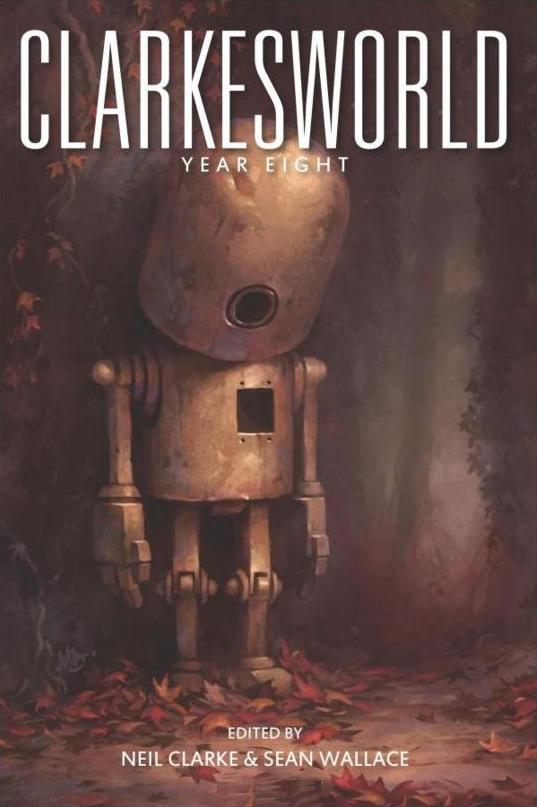
If you’re like me, you don’t have time to read every issue of Clarkesworld — even though you probably should. It is a three-time winner of the Hugo Award for Best Semiprozine, and in 2013 it received more Hugo nominations for short fiction than all the leading print magazines combined. Wouldn’t it be great if every year editors Neil Clarke and Sean Wallace gathered all the fiction in Clarkesworld into one big volume, so you could catch up on everything you missed at the end of the year?

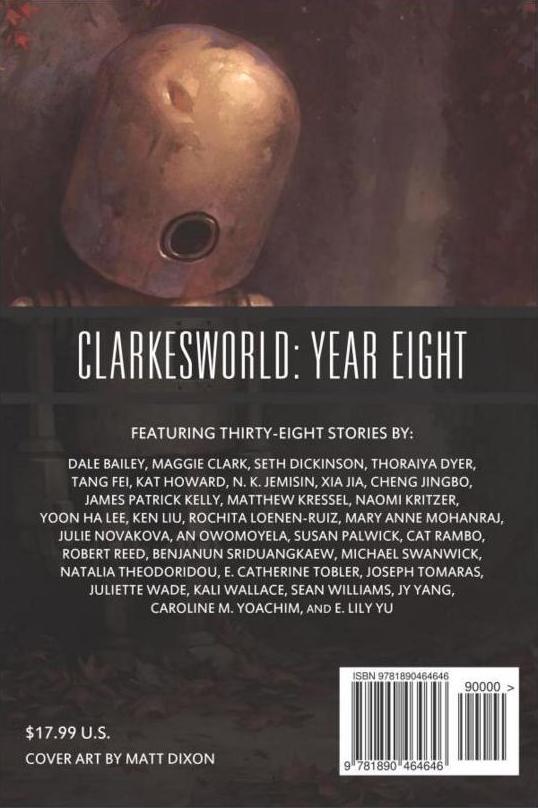
Well, actually, they do. Every year Neil and Sean assemble every story from the previous year into a single generous volume, and this year is the biggest yet: 448 pages, collecting all 38 stories published in 2015, from authors like Michael Swanwick, Robert Reed, Sean Williams, N. K. Jemisin, James Patrick Kelly, Dale Bailey, Naomi Kritzer, Maggie Clark, E. Catherine Tobler, Ken Liu, Matthew Kressel and many others. The book also serves as a fund-raiser for the magazine (which is available free), and every purchase helps support the magazine.

It’s a marvelous bargain, and it helps support one of the finest publications in the industry. What more could you ask for?

Read More Read More

Knights of the Dinner Table 227 Now on Sale

Knights of the Dinner Table 227 Now on Sale

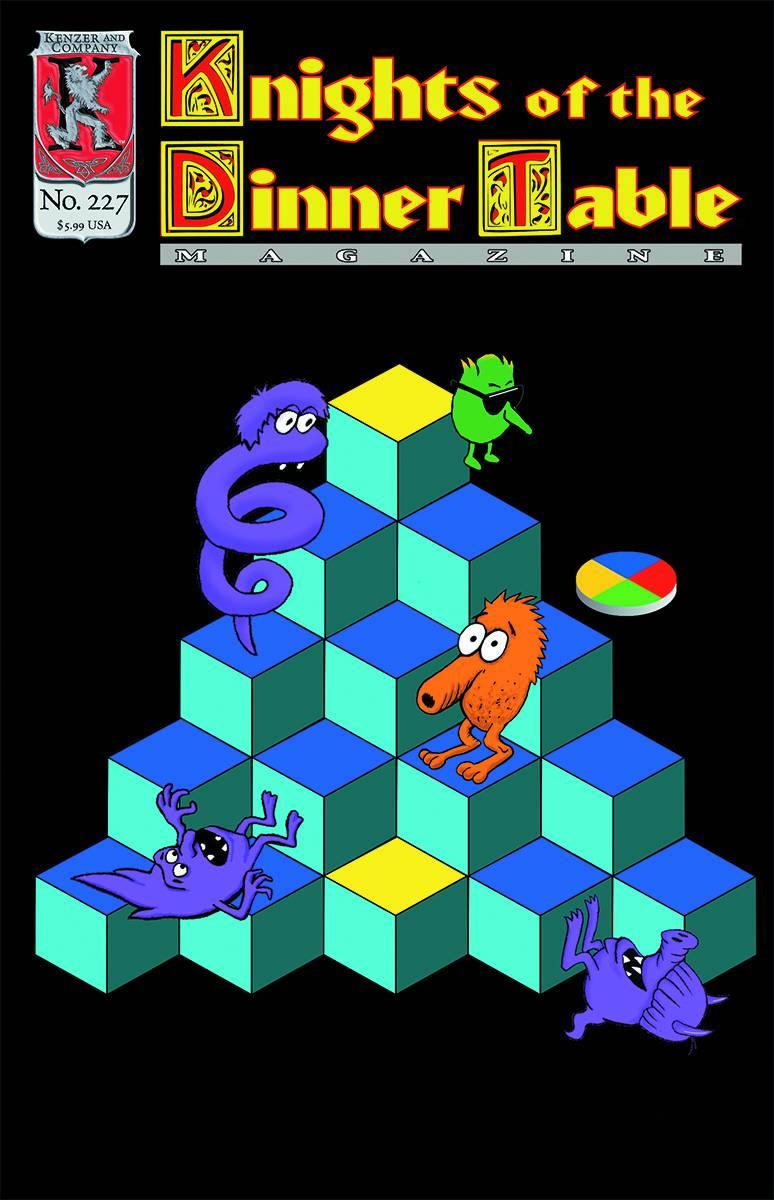
Knights of the Dinner Table 227-smallKnights of the Dinner Table follows the misadventures of a group of misfit gamers from Muncie, Indiana. It is written and drawn by my friend Jolly R. Blackburn, with editorial assistance by his talented wife Barbara. Black Gate readers may remember the KoDT spin-off The Java Joint, which appeared in the back of every issue of BG (and was eventually collected in a single volume in 2012).

KoDT started off in the back of the gaming magazine Shadis, and in short order it became one of the most popular comics in the industry, appearing as a regular feature in Dragon, Kevin Siembieda’s Rifter magazine, and other places. Since 1996 it has appeared as a standalone magazine; it has been published by Kenzer & Company since the fourth issue.

KoDT magazine is published monthly. The core of the publication is the comic strip, but the issues are huge — 64 pages — and rounded out with news, reviews, features, and a variety of entertaining gaming columns. It is, hands down, the best way to stay informed on the adventure gaming hobby each month.

The cover of KoDT 227 is a special treat for old-school video game players. Here’s Jolly:

We’re very excited about this month’s cover — not only is it a parody of the classic 80’s arcade game, Q*bert but it was drawn by Jeff Lee — one of the original co-designers of the game and the man who did the original Q*bert game graphics

Here’s the complete Table of Contents.

Read More Read More

Vintage Treasures: Worlds Imagined: 14 Short Science Fiction Novels, Compiled by Robert Silverberg and Martin H. Greenberg

Vintage Treasures: Worlds Imagined: 14 Short Science Fiction Novels, Compiled by Robert Silverberg and Martin H. Greenberg

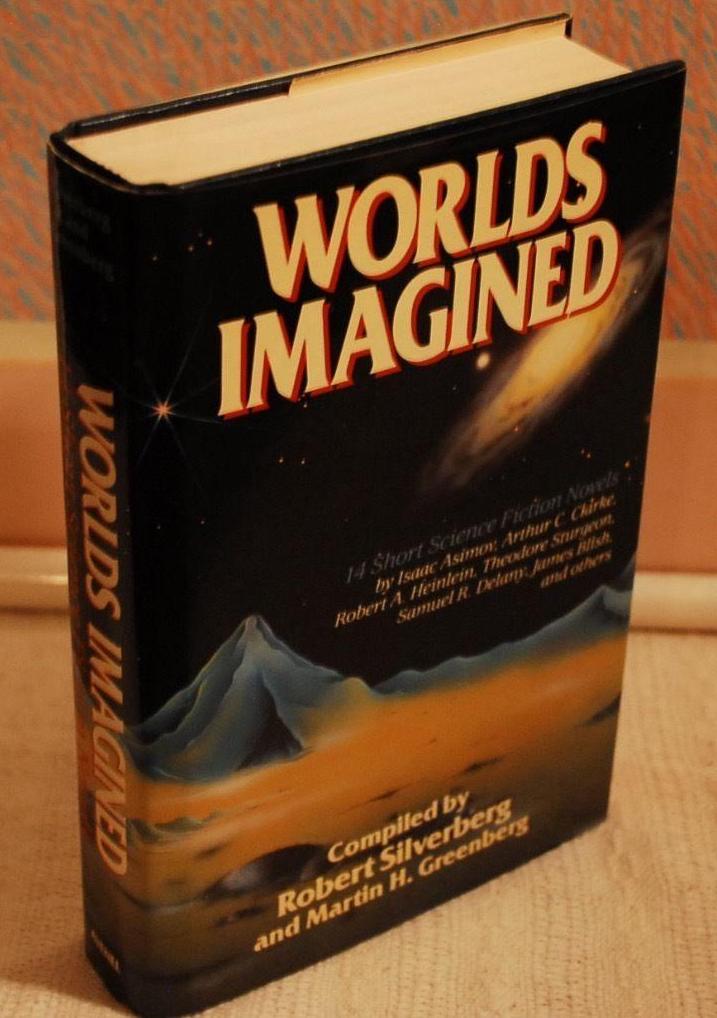
Worlds Imagined Robert Silverberg-smallI bought a fine anthology of science fiction novellas on eBay last week for 5 cents. With $3.99 shipping, that brought the whole thing to $4.04 — about 28 cents per novella. Pretty sweet deal.

The anthology is Worlds Imagined, published by Avenel in April 1989, and edited by Robert Silverberg and Martin H. Greenberg. Excuse me, ‘Compiled by,” not edited by. I guess Silverberg and Greenberg didn’t feel comfortable with the title of editors, for merely selecting the fiction. That’s editorial integrity for you.

One of the things I love about this book is the editors’ (erm, compilers’) impassioned defense of the novella in their intro. I read it years ago, and much of it stayed with me. Here it is, in part.

The short novel — or “novella,” as some prefer to call it — is one of the richest and most rewarding of literary forms. Spanning twenty to thirty thousand words, usually, it allows for more extended development of theme and character than does the short story, without making the elaborate structural demands of the full-length book… Some of the greatest works in modern literature fall into the class of novellas. Consider Mann’s “Death in Venice,” Joyce’s “The Dead,” Melville’s “Billy Budd,” and Conrad’s “Heart of Darkness” — or Faulkner’s “The Bear,” Tolstoi’s “The Death of Ivan Ilych,” Carson McCuller’s “Ballad of the Sad Cafe”…

Since a prime task of the science fiction writer is to create carefully detailed worlds of the imagination, room for invention is a necessity. The short story can give only a single vivid glimpse of the invented world; the full-length novel frequently becomes so enmeshed in the obligations of plot and counterplot that the background recedes to a secondary position. But the short novel, leisurely without being discursive, is ideal for the sort of world-creation that is science fiction’s specialty. and since the days of H.G. Wells and his classic novella “The Time Machine” it has exerted a powerful attraction for science fiction writers.

Preach, brothers!

Read More Read More

Future Treasures: An Unattractive Vampire by Jim McDoniel

Future Treasures: An Unattractive Vampire by Jim McDoniel

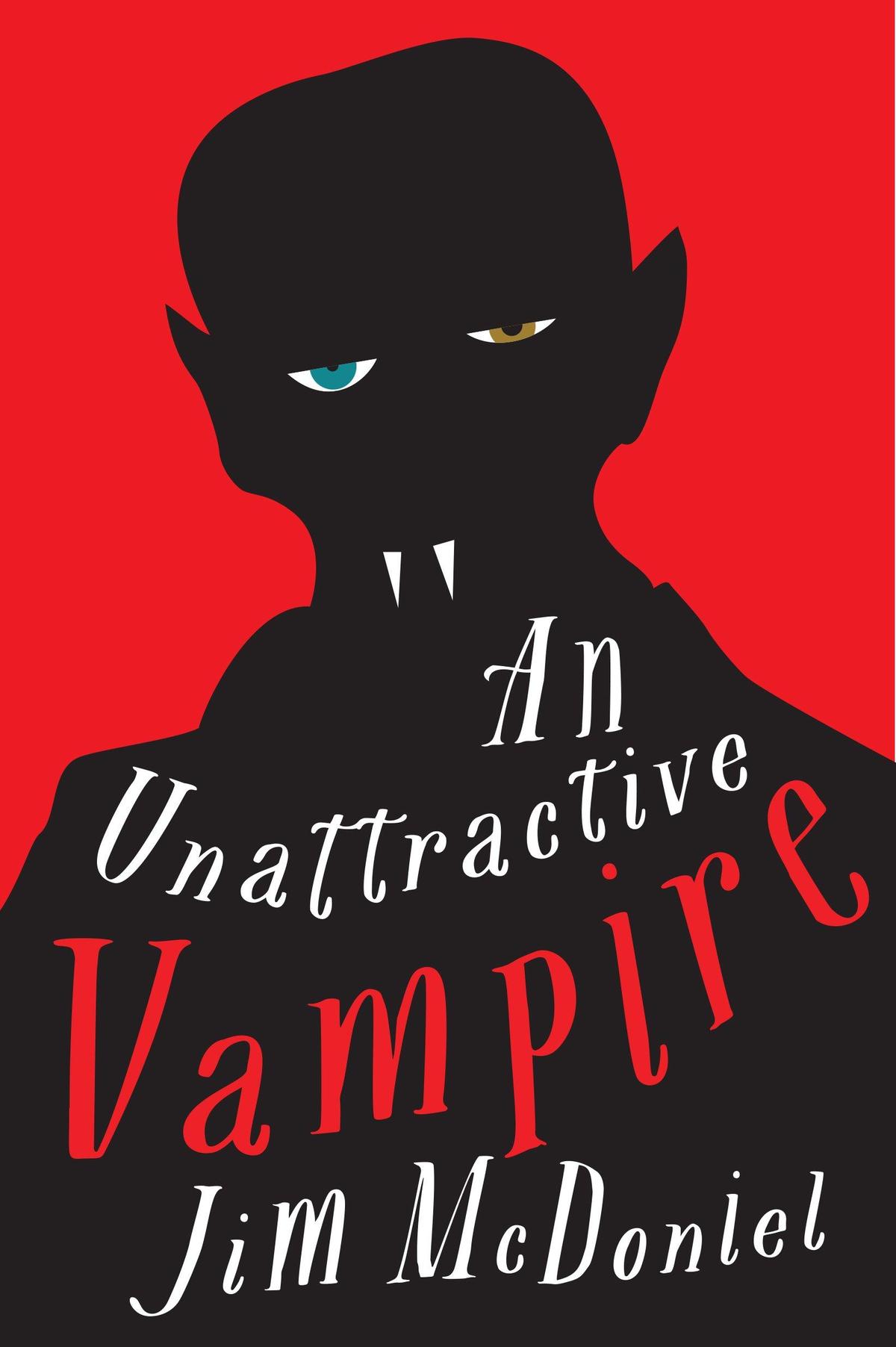
An Unattractive Vampire-smallAre you a reader who yearns for a return to the days where vampires were monsters, instead of hunky leading men? Then have I got a book for you.

Jim McDoniel’s debut novel An Unattractive Vampire, a darkly comic urban fantasy of ancient horrors in suburban cities, is tailor-made for those sick of vampires that sparkle. It’s one of the first releases from new publishing house Sword & Laser, and will be available later this month.

After three centuries trapped underground, thousand-year-old Yulric Bile ― also known as the Curséd One, the Devil’s Apprentice, He Who Worships the Slumbering Horrors ― awakens only to find that no one believes he is a vampire. Apparently he’s just too ugly ― modern vampires, he soon discovers, are pretty, weak, and, most disturbing of all, good. Determined to reestablish his bloodstained reign, Yulric sets out to correct this disgusting turn of events or, at the very least, murder the person responsible.

With the help of pert vampire-wannabe Amanda; Simon, the eight-year-old reincarnation of his greatest foe; and a cadre of ancient and ugly horrors, Yulric prepares to battle the glamorous undead. But who will win the right to determine, once and for all, what it truly means to be a vampire?

An Unattractive Vampire will be published by Sword & Laser on March 15, 2016. It is 307 pages, priced at $13.99 in trade paperback and $8.99 for the digital version. The cover is designed by David Drummond.

See all of our coverage of the best in upcoming fantasy here.

Telepathy Machines and Strange Alien Games: Rich Horton on King of the Fourth Planet/Cosmic Checkmate

Telepathy Machines and Strange Alien Games: Rich Horton on King of the Fourth Planet/Cosmic Checkmate

King of the Fourth Planet-small Cosmic Checkmate-small

Last June, in the comments section of an article on a 1959 Ace Double by Andre Norton and Jerry Sohl, Joe H, asked:

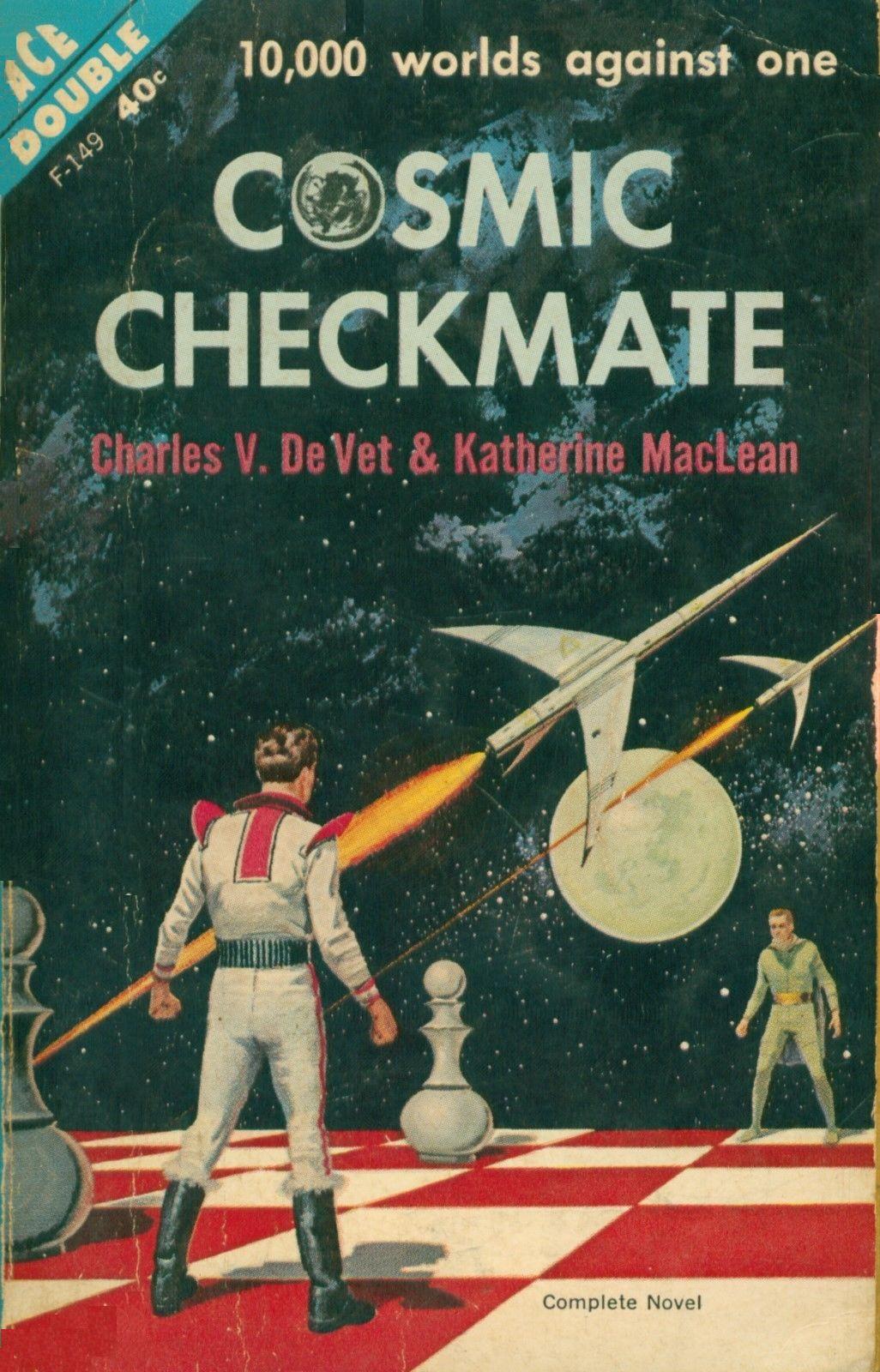
I think this is the only “classic” Ace Double I own… King of the Fourth Planet/Cosmic Checkmate by Robert Moore Williams/Charles V. De Vet & Katherine MacLean. Any chance it might make your list someday?

It sometimes takes us a while, but we always do right by our readers!

I’ve never read this one. But Rich Horton has, of course, and he reviewed it around a decade ago. King of the Fourth Planet, a tale of Martians and telepathy machines, didn’t appeal to him, but he found Cosmic Checkmate (later expanded and republished under the title Second Game), a tale of space exploration and alien games, much more intriguing. Here’s his review.

Read More Read More

The March Magazine Rack

The March Magazine Rack

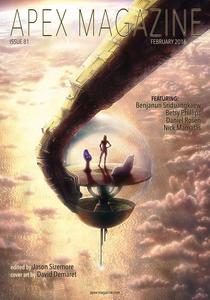
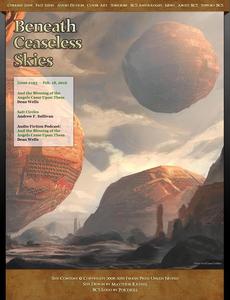
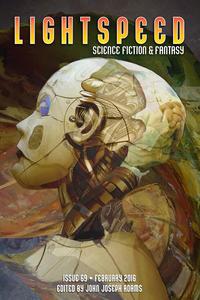
Apex-Magazine-Issue-81-rack Beneath-Ceaseless-Skies-193-rack Lightspeed-February-2016-rack The-Dark-February-2016-rack
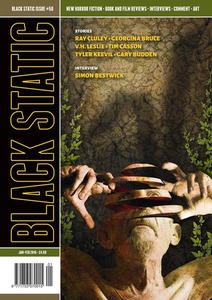
Black-Static-50-rack Goblin-Fruit-Winter-2016-rack Nightmare-Magazine-February-2016-rack Swords-and-Sorcery-Magazine-January-2016-rack

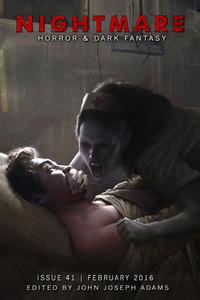
I was very pleased to see Goblin Fruit, the online magazine of poetry of the fantastical, return after a one-year hiatus (does one year even count as a hiatus? If that’s true, Black Gate took a hiatus after virtually every issue!) March looks like it has plenty other good surprises in store for short fiction fans — stay tuned. For our vintage magazine readers, Rich Horton took a look at the June and July 1960 issues of Amazing Science Fiction Stories, containing James Blish’s complete novel …And All the Stars a Stage. And Matthew Wuertz continued his issue-by-issue re-read of Galaxy with March 1953.

Check out all the details on the magazines above by clicking on the each of the images. Our February Fantasy Magazine Rack is here.

As we’ve mentioned before, all of these magazines are completely dependent on fans and readers to keep them alive. Many are marginal operations for whom a handful of subscriptions may mean the difference between life and death. Why not check one or two out, and try a sample issue? There are magazines here for every budget, from completely free to $35/issue. If you find something intriguing, I hope you’ll consider taking a chance on a subscription. I think you’ll find it’s money very well spent.

Read More Read More