The David Gemmell Legend Award for Best Fantasy Novel of 2009

The nominations for the David Gemmell Legend Award for Best Fantasy Novel of 2009 have been announced by the DGLA. May we have the envelope please!
- Warbreaker, by Brandon Sanderson (Tor US)
- The Cardinal’s Blades, Pierre Pevel (Gollancz)
- Empire: The Legend of Sigmar, Graham McNeill (The Black Library)
- Best Served Cold, Joe Abercrombie (Gollancz & Orbit)
- The Gathering Storm (Book 12 of The Wheel of Time), Robert Jordan & Brandon Sanderson (Tor US)
The David Gemmell Legend Award for Best Fantasy Novel was first granted in 2009, to Andrzej Sapkowski’s Blood of Elves.
The DGLA also gives out The Morningstar Award for Best Fantasy Newcomer, and The Ravenheart Award for Best Fantasy Cover Art.
The complete list of nominations is at the DGLA website, as part of a cool video set to music. I had to watch it six times, scribbling down notes, to make sure I got the list of nominees right (of course, then I found the convenient summary card. Figures.) Now I can’t get that music out of my head.
In any event, congratulations to all the nominees! Man, I have a lot of great reading to catch up on.
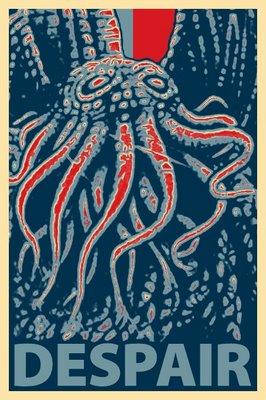

 Jeff Crook at The Sorcerers Guild interviews John C. Hocking and John O’Neill, following last week’s announcement that “The Face in the Sea” won
 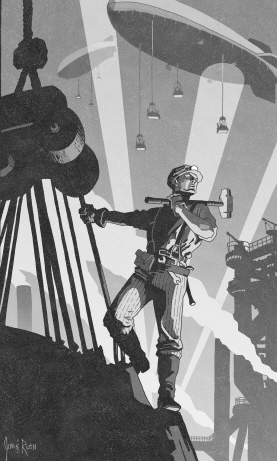 It looked like a routine hire… until Kellen found himself framed for theft, and embroiled in a plot to steal the secret of the Crown’s great airships.
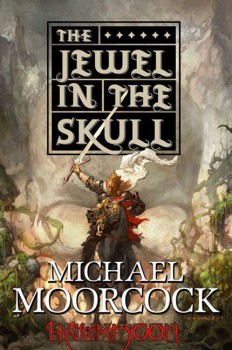 Last week Tor.com ran a terrific article by Michael Moorcock about the origins of his (recently reprinted) Hawkmoon stories. In ‘
 Rumors about our new venture have been spreading for weeks, and it’s time that John and I finally came clean. Next month we’ll be launching a call for submissions to our new, bi-monthly sister magazine, Spicy Troubadour.
 The Sorcerer’s Guild