Goth Chick News: These Are A Few of My Favorite Things
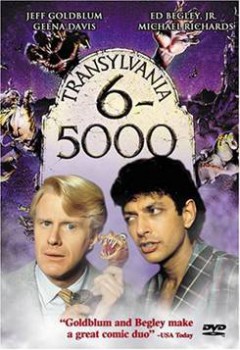 This is the second of two installments which I pre-wrote for the Goth Chick Intern to gratefully post on my behalf.
In a strange fit of wanton generosity I found myself also agreeing to allow the little minion to come up with a title for this entry, so in the event it is lame (heaven help him if he used a Sound of Music reference) please accept my apology in absentia, and rest assured my response will be swift and merciless upon my return.
Rather than enjoying the wee bit of freedom he has recently been allowed, he will once again be banished to the windowless broom closet in the bowels of Black Gate headquarters. I should know better than to succumb to a flush of good will brought on by an impending foray into the paranormal.
But more on that later.
When last we discussed the mutual enjoyment we get from insinuating movie quotes into situations at wickedly appropriate (or inappropriate) times, it got me to thinking about the sources of those quotes – be they movie, book or music. It also occurred to me that everyone has a “Top Ten” list which represents their own mental comfort food; i.e. the entertainment you go to when you’ve had a bad day, or a good day, or just a bored-to-sobs-rainy-afternoon day, and are assured you’ll be welcome. These sources have seeped into our daily lives in the form of quotes or lyrics, and therefore permeated the lives of our friends and families as well.
So, it is to our own personal Top Ten lists that I wish to pay homage this week, and I invite you to share yours. If you love it, the rest of us just might love it too.
And as I have multiple top ten lists, I’ll stick to the one that pertains to my favorite genre (bet you can guess).
So here it is, in no particular order.
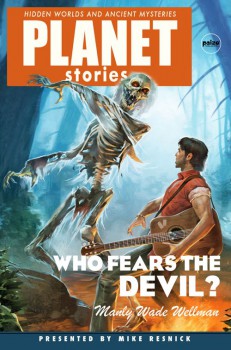 Who Fears the Devil?
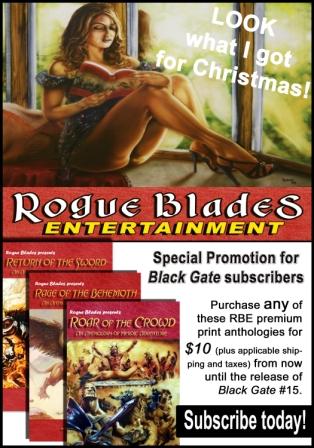 Rogue Blades Entertainment, publisher of fine fantasy anthologies such as Return of the Sword and Rage of the Behemoth, announced a special promotion on some of their newest titles in the pages of Black Gate 14.
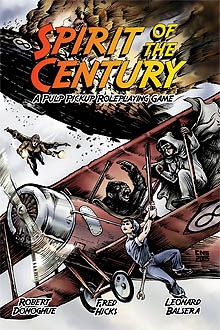 One of the most promising new game systems I reviewed in Black Gate 14 was used for the pulp role-playing game
 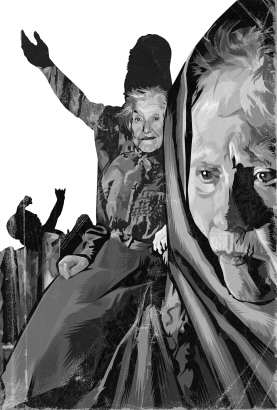 Lady Nyla was once rich and powerful. Now she lived in a hut on a lonely road. But tonight the Mother Goddess gave her back a measure of her old power — to set her against a terrible foe.
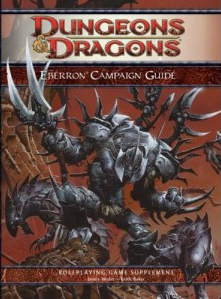 In February we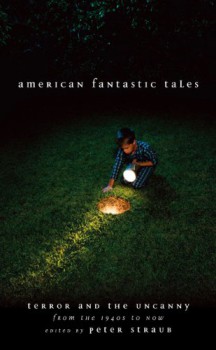
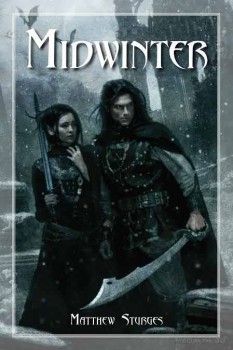 Midwinter
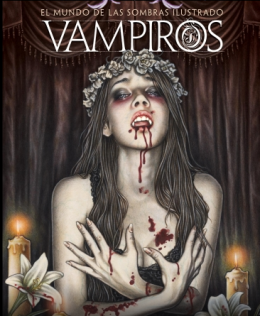 For the next two weeks Mr. Goth Chick and I are out of town, for what will sound to everyone else like a really normal vacation. But you lot know better.