Browsed by
Category: Books

Birthday Reviews: Miriam Allen deFord’s “Pres Conference”
Birthday Reviews: Miriam Allen deFord’s “Pres Conference”

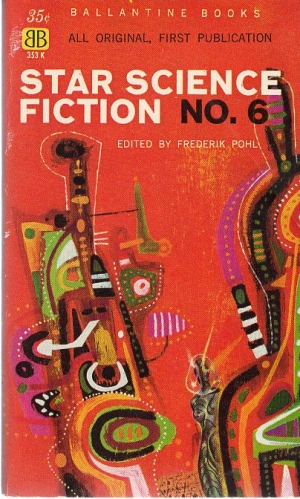
Cover by Richard Powers

Miriam Allen deFord was born on August 21, 1888 and died on February 22, 1975.

Although deFord had some fiction published as early 1928, she really turned to writing science fiction and fantasy in the 1950s and 60s. Her non-SF book The Overbury Affair earned her an Edgar Award for Best Fact Crime Book and she helped develop and sign the Humanist Manifesto in 1973. Much of her science fiction appeared in The Magazine of Fantasy and Science Fiction, beginning under the editorship of Anthony Boucher.

DeFord’s “Press Conference” appeared in the sixth and final volume of Frederik Pohl’s Star Science Fiction anthology series in 1959. The story has not been reprinted since.

“Press Conference” is essentially a transcription of the press conference given upon the occasion of the return of the first human to travel outside the galaxy. It is told, mostly, in the voices of Mr. Rasmussen, the press secretary for the United Nations whose job is to introduce her and make sure she givens approved questions, and Miss X, or Dor-je Lhor-kang, the woman who made the journey.

The press conference opens up by listing the specifications used to find someone to go into space. A woman is the preferred candidate, and she should be acclimatized to higher elevations, so someone from Peru or Chile. She should have a Ph.D. in physics and, because there is limited space in the spacecraft, she should be a dwarf. This is all by way of introduction of deFord’s somewhat atypical protagonist.

The press conference goes well as long as Lhor-kang is speaking. She knows the limitations Rasmussen has placed on her and has no real desire to break away from him. As soon as she opens the floor to questions, however, the press conference goes off the rails as the reporters want to ask questions with real substance. Although Rasmussen attempts to retain control over her, Lhor-kang eventually lets slip the truth about the aliens that she has seen and their desires with regard to the Earth. When Lhor-kang exhibits admiration for the aliens’ goals, she is branded by some of the reporters as a traitor or brainwashed.
Read More Read More

The 2018 Hugo Award Winners

The 2018 Hugo Award Winners

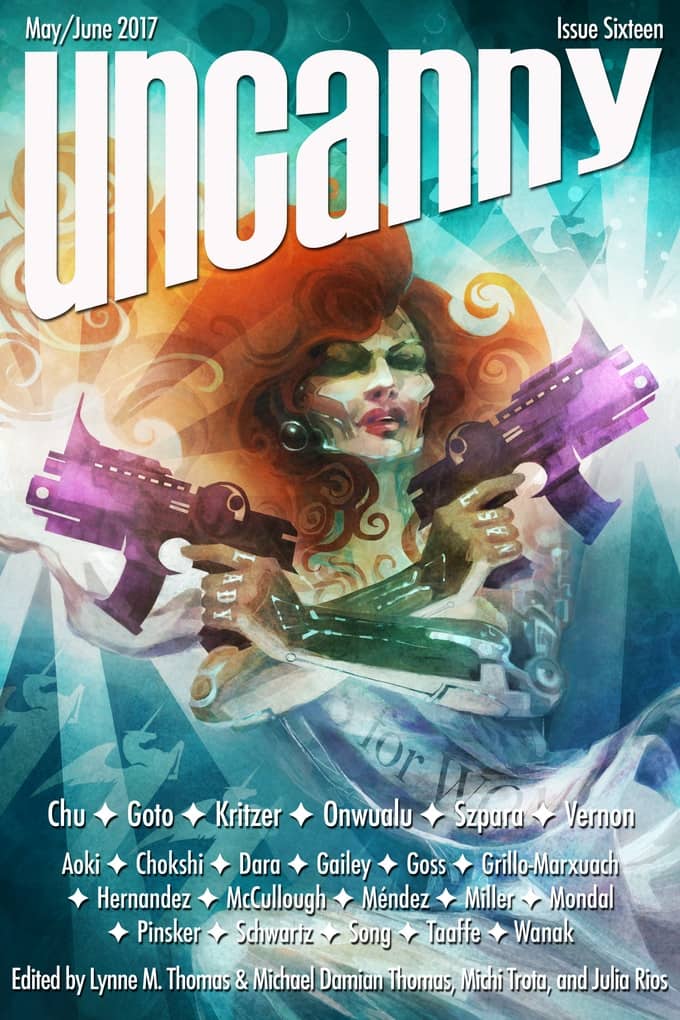
The-Stone-Sky-N.K.-Jemisin-smaller All Systems Red-small Uncanny Magazine May June 2017-small

The winners of the 2018 Hugo Awards were announced yesterday at the 76th World Science Fiction Convention in San Jose, California. There were truly epic speeches, the traditional Hugo Loser’s Party hosted by George R.R. Martin, and celebrations all around.

But before all that, they gave out some some Hugos. Here are the 2018 winners of our favorite genre award.

Best Novel

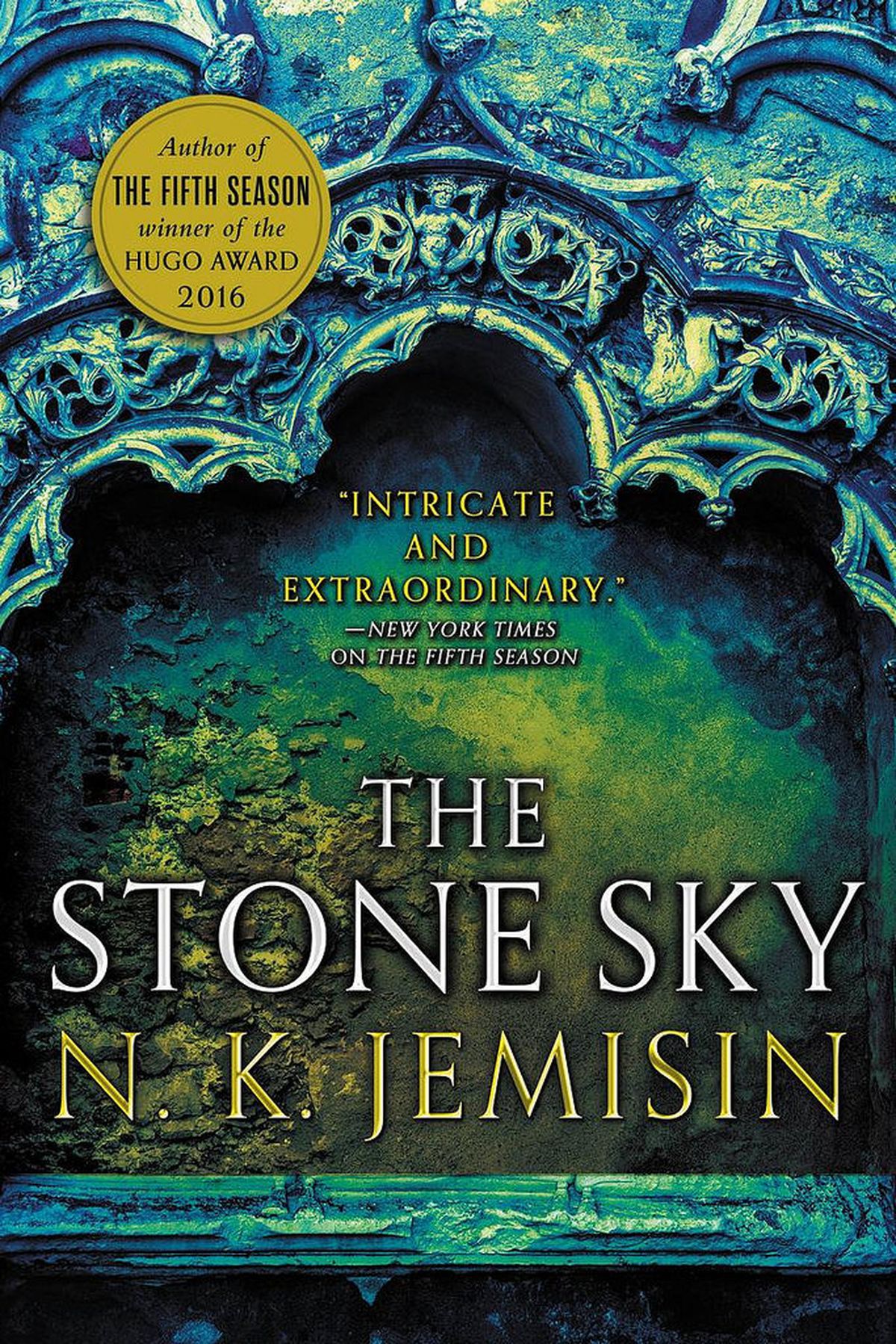
The Stone Sky, N.K. Jemisin (Orbit)

Best Novella

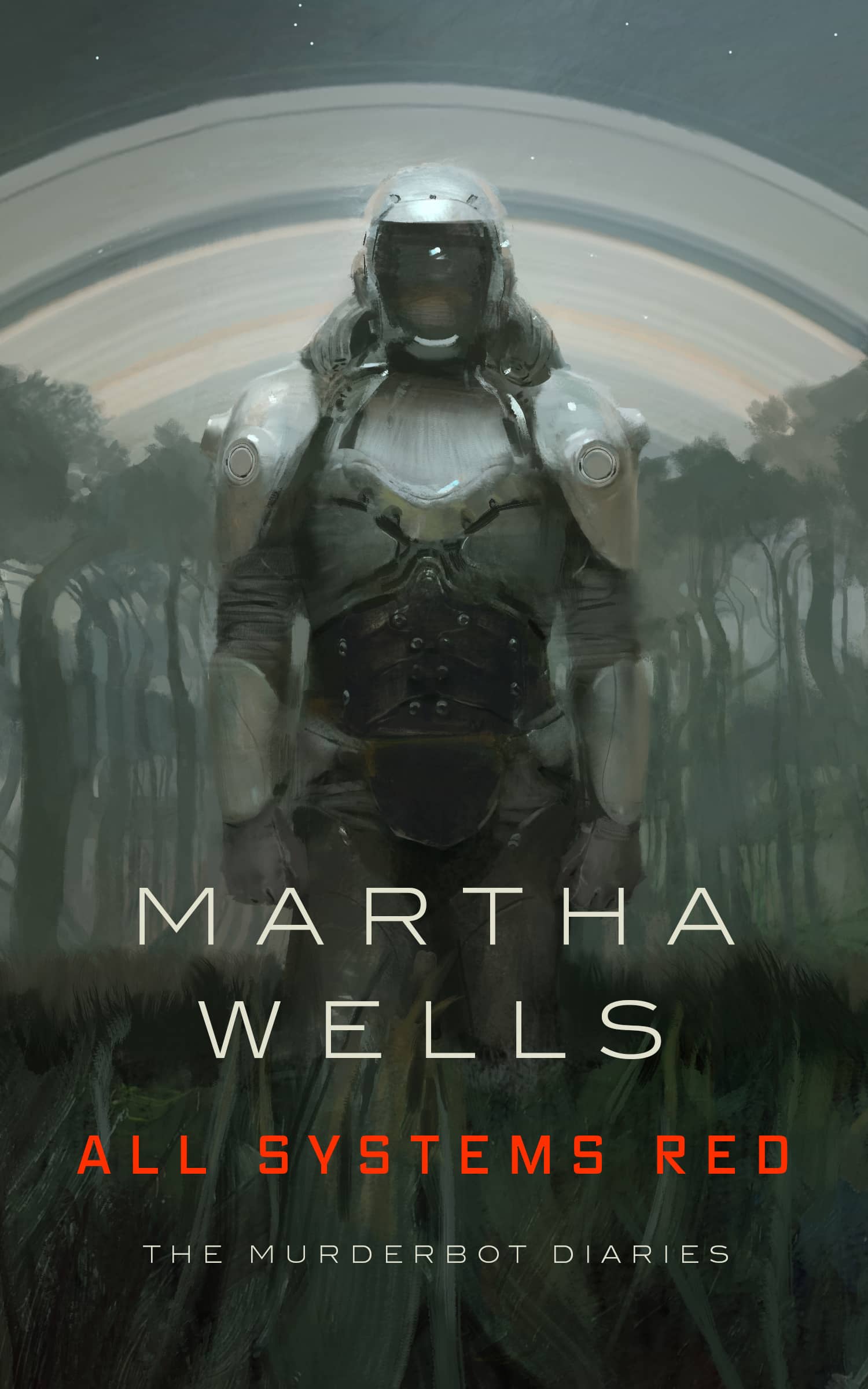
All Systems Red, Martha Wells (Tor.com Publishing)

Read More Read More

From the Moon to Mars: The British Library Science Fiction Classics by Mike Ashley

From the Moon to Mars: The British Library Science Fiction Classics by Mike Ashley

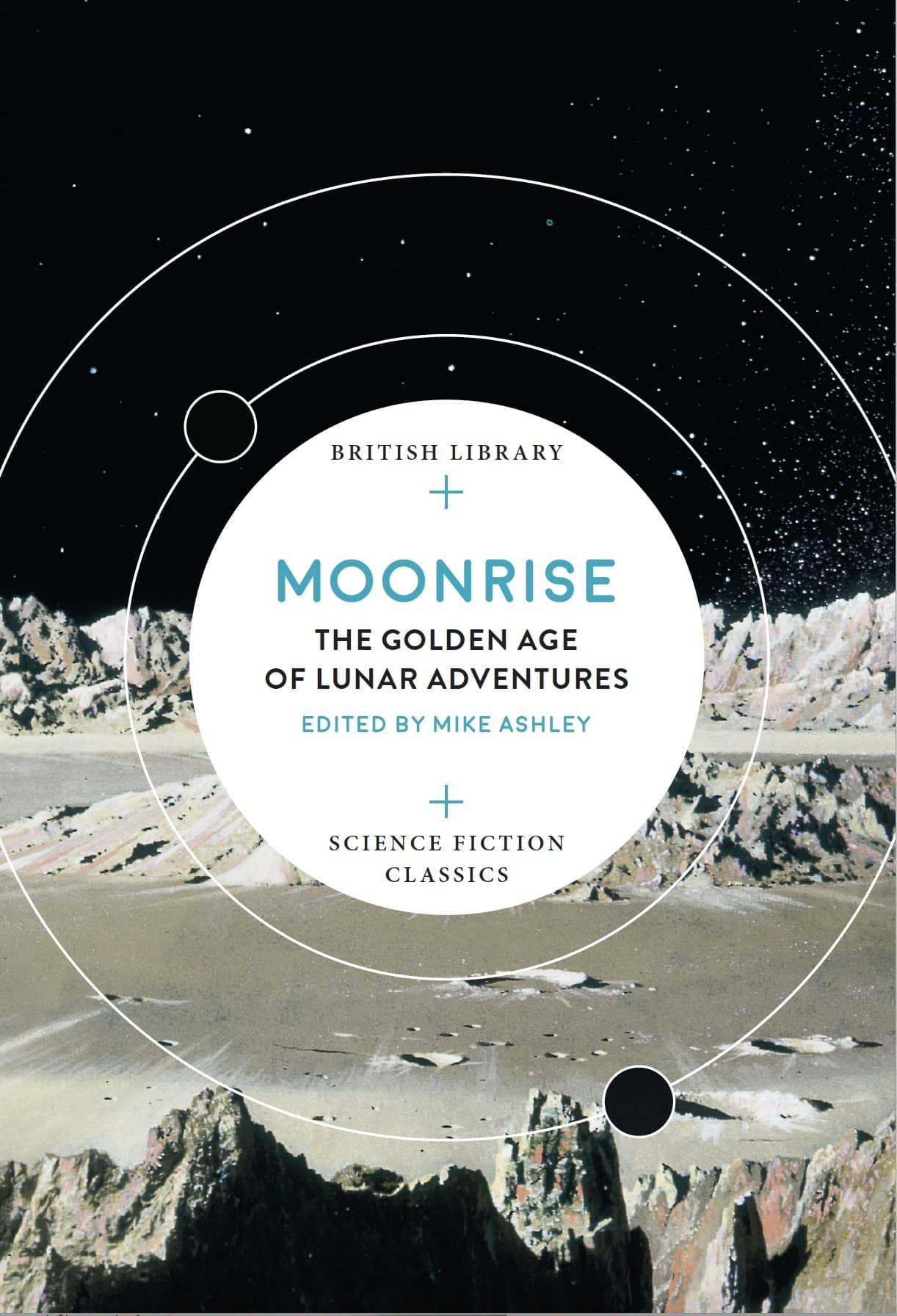
Lost Mars The Golden Age of the Red Planet-small Moonrise The Golden Age of Lunar Adventures-small

The Moon and Mars have fascinated science fiction writers for generations, although I thought the era of classic Mars and Moon anthologies was over. But it turns out that’s not the case. At least not while editor Mike Ashley is on the job, anyway.

Lost Mars: The Golden Age of the Red Planet, which collects pulp-era tales (and pre pulp-era tales) from Wonder Stories, Amazing Stories, Astounding, and Worlds of If, was published in April 2018. Its sister anthology Moonrise: The Golden Era of Lunar Adventures, with stories from F&SF, Amazing, Tales of Wonder, Astounding, New Worlds, and Fantastic, arrives in September. Both are part of the British Library Science Fiction Classics, which I’ve never heard of, but for which I immediately have a deep and passionate love. Near as I can figure out, it’s a relatively new imprint devoted to early 20th Century SF. Or maybe just stories of Mars and the Moon, I dunno. But either way, love love love.

These are very welcome books. They include tales of adventure and exploration from the pre-spaceflight era (the most recent stories are from 1963, only two years after the start of the Apollo space program), which means they’re not particularly concerned with getting the science right. Scientific verisimilitude was the province of late 20th Century SF; these stories concern themselves chiefly with imagination and adventure.

And when it comes to the Moon and Mars, human imagination has been pretty darn fertile. These books contain some of the greatest SF ever written, including Arthur C. Clarke’s brilliant tale “The Sentinel,” which inspired 2001: A Space Odyssey, and Stanley G. Weinbaum’s groundbreaking “A Martian Odyssey,” which Isaac Asimov said, “had the effect on the field of an exploding grenade. With this single story, Weinbaum was instantly recognized as the world’s best living science fiction writer.” There’s also a Martian Chronicles tale by Ray Bradbury, an excerpt from H.G. Wells’ classic First Men in the Moon, and stories by Walter M. Miller Jr, J. G. Ballard, Gordon R. Dickson, Edmond Hamilton, John Wyndham, E. C. Tubb, and many others.

Read More Read More

Birthday Reviews: D.G. Compton’s “In Which Avu Giddy Tries to Stop Dancing”

Birthday Reviews: D.G. Compton’s “In Which Avu Giddy Tries to Stop Dancing”

Cover by Edward Miller

D.G. (David Guy) Compton was born on August 19, 1930.

Compton’s 1971 novel The Steel Crocodile was nominated for the Nebula Award, and in 2007 he was named Author Emeritus by the SFWA. In addition to writing science fiction, Compton also writes Gothic novels and crime novels. Compton has used variations of his own name, and has also published using the pseudonym Frances Lynch. Compton collaborated with John Gribbin on the novel Ragnarok.

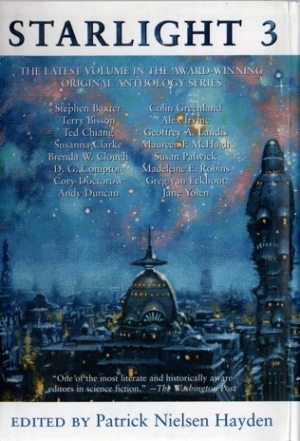
“In Which Avu Giddy Tries to Stop Dancing” appeared in Starlight 3, edited by Patrick Nielsen Hayden in 2001. It is Compton’s most recent science fiction short story, and has not been reprinted.

The characters in Compton’s “In Which Avu Giddy Tries to Stop Dancing” live in a world where it is illegal not to dance, although Compton never fully describes what life is like in a world in which everyone dances as they go about their private lives. Instead, he looks at Avu Giddy’s decision to set himself apart from the law-abiding masses and the effects it has on his relationships, none of which were particularly good to begin with.

Avu’s main relationship for the purposes of the story is with the narrator. Although the narrator doesn’t particularly like Avu, the two are of a similar age and have known each other a long time, having grown comfortable in each other’s presence. They work relatively close to each other and meet for lunch in a park with some regularity. When Avu makes his decision to quit dancing, the narrator is dragged into the situation by Avu’s estranged daughters, Jenna and Karen who sought his help in talking sense to their father.

Jenna, who had a husband and children of her own, was mostly concerned with the perception people would have of the family with such an out-law father, while single Karin, who only recently left Avu’s house, firmly believed her father had made his decision with the sole purpose of embarrassing her.

Read More Read More

Mel Hunter and Hal Clement’s Needle

Mel Hunter and Hal Clement’s Needle

hunter clement needle unpublished-small

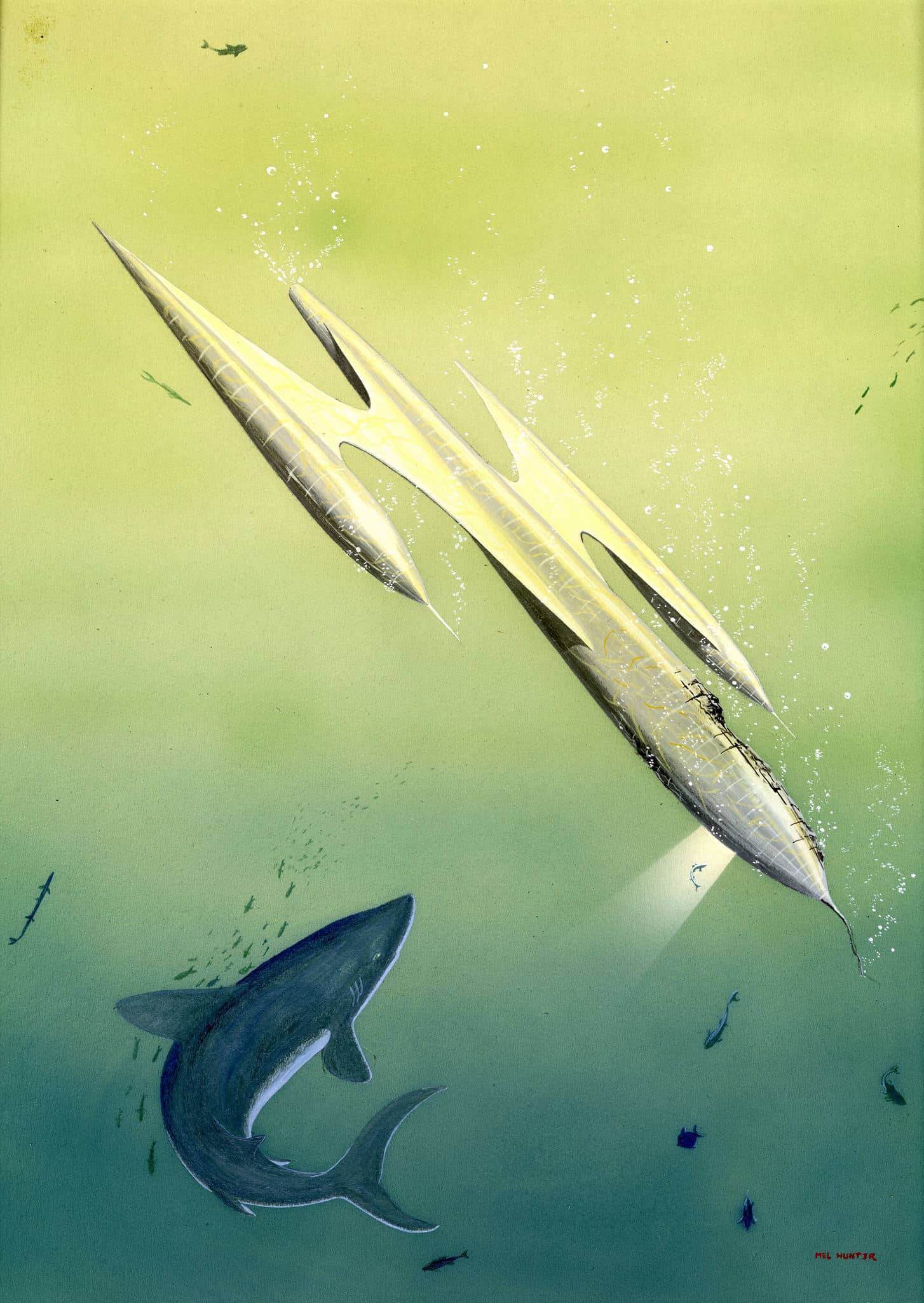
The Monday before this year’s San Diego Comic-Con, I drove up to LA to visit a longtime SF fan and art collector. Among the two dozen pieces of art I picked up from him is this painting by artist Mel Hunter. Hunter was active in the SF field, contributing cover art to paperbacks and digests, as well as digest interiors, primarily from the early 1950’s until the early 1960’s, though he was still contributing an occasional cover into the early 1970’s. From December 1955 through December 1957, he also was the art director of If (the sister magazine to Galaxy). Over time, the painting has suffered some damage along the edges, so this image is a bit cropped.

Written on the back of the illustration board is a note stating that this painting is an unpublished illustration for Needle by Hal Clement, and that Hunter gave this painting to Edward Everett Evans and Thelma Evans. Another note below that mentions that the collector I bought it from purchased this from the estate of E.E. Evans (who passed away on December 2, 1958) for $25. Not surprisingly, I paid significantly more for it!

Read More Read More

Birthday Reviews: Rachel Pollack’s “Burning Beard: The Dreams and Visions of Joseph Ben Jacob, Lord Viceroy of Egypt”

Birthday Reviews: Rachel Pollack’s “Burning Beard: The Dreams and Visions of Joseph Ben Jacob, Lord Viceroy of Egypt”

Cover by Connie Toebe

Rachel Pollack was born on August 17, 1945.

Pollack won the Arthur C. Clarke Award in 1989 for the novel Unquenchable Fire and the World Fantasy Award in 1997 for the novel Godmother Night. She was also nominated for the Nebula Award in 1994 for Temporary Agency, which was also nominated for the James Tiptree Jr. Memorial Award and the Mythopoeic Award. Godmother Night received additional nominations for the James Tiptree Jr. Memorial Award and the Lambda Award. Her story “The Beatrix Gates” was nominated for the Gaylactic Spectrum Award. In addition to science fiction, Pollack has written for comics and Tarot, including the creation of her own Tarot Deck and books about reading Tarot and Dali’s Tarot deck.

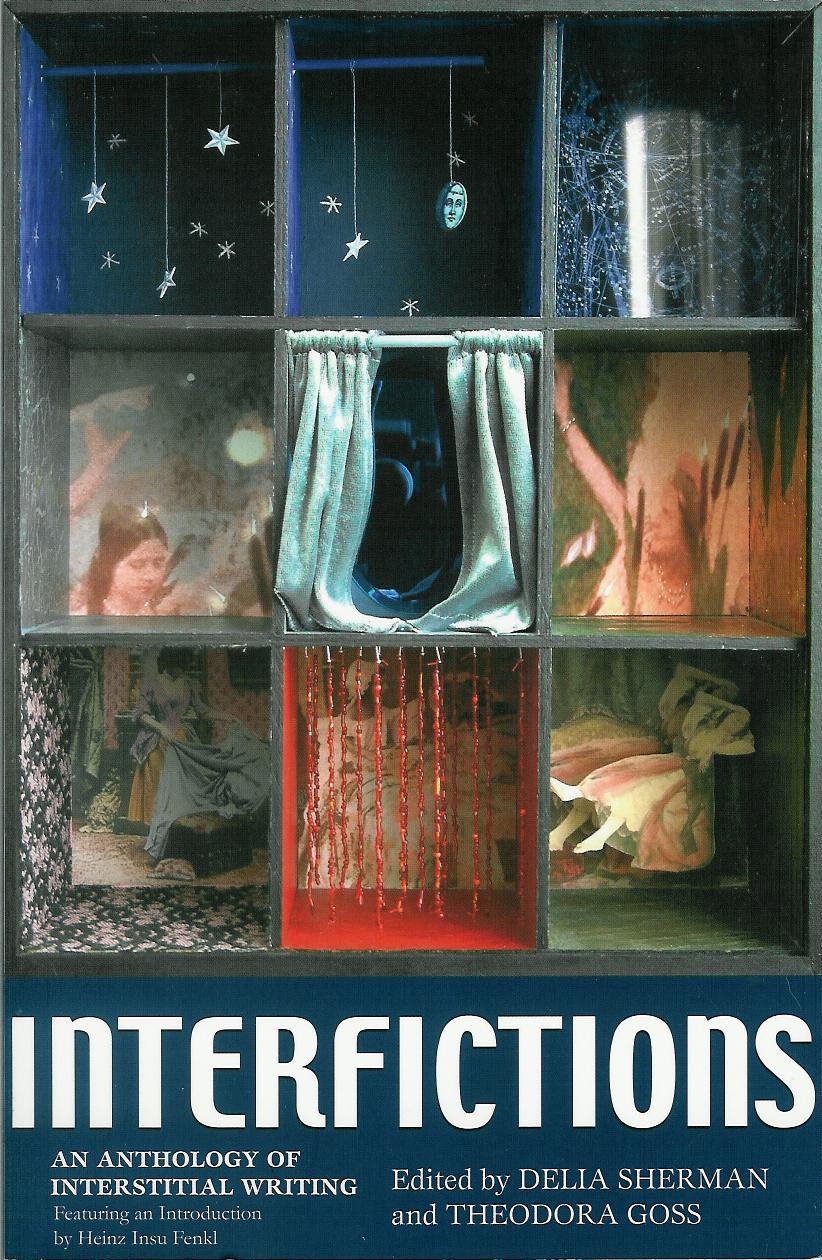
“Burning Beard: The Dreams and Visions of Joseph Ben Jacob, Lord Viceroy of Egypt People of the Book” was first published in Interfictions: An Anthology of Interstitial Writing, edited by Delia Sherman and Theodora Goss in 2007. Three years later, Rachel Swirsky and Sean Wallace included the story in People of the Book: A Decade of Jewish Science Fiction and Fantasy. It was reprinted a second time by John Joseph Adams in the May 2014 issue of Lightspeed.

Pollack retells the story of Joseph from Genesis from Joseph’s point of view, with additional depictions of the events surrounding Moses’ story from Exodus in “Burning Beard: The Dreams and Visions of Joseph Ben Jacob, Lord Viceroy of Egypt People of the Book.”

Joseph is shown to be somewhat insufferable, giving an understanding of why his brothers would choose to throw him into a pit and sell him into slavery. At the same time, Joseph is well aware that his prophecies are going to come true, whether people believe them or not and whether he wants them to or not. What makes this even more poignant is that he sees the destruction Moses will level on Egypt and Joseph not only feels responsible for it, but sees both the Hebrews and the Egyptian as his people.

The story shifts between times, covering Joseph’s life from his childhood when he doesn’t understand his gifts through his fall and rise in Egypt and finally his death, although one of the interesting aspects of Joseph’s prophecy is that he gets his visions from a future Moses (and occasionally Aaron or Miriam). He develops a sort of one-sided relationship with his brother’s three descendants, determining that he does not like Moses for a variety of reasons, even before he sees what Moses does in his efforts to free the Hebrews, although the prophecies have a strange tendency to focus on the attempts to release the Hebrews form Egypt while glossing over their servitude to the Pharaoh.

Read More Read More

New Treasures: New York 2140 by Kim Stanley Robinson

New Treasures: New York 2140 by Kim Stanley Robinson

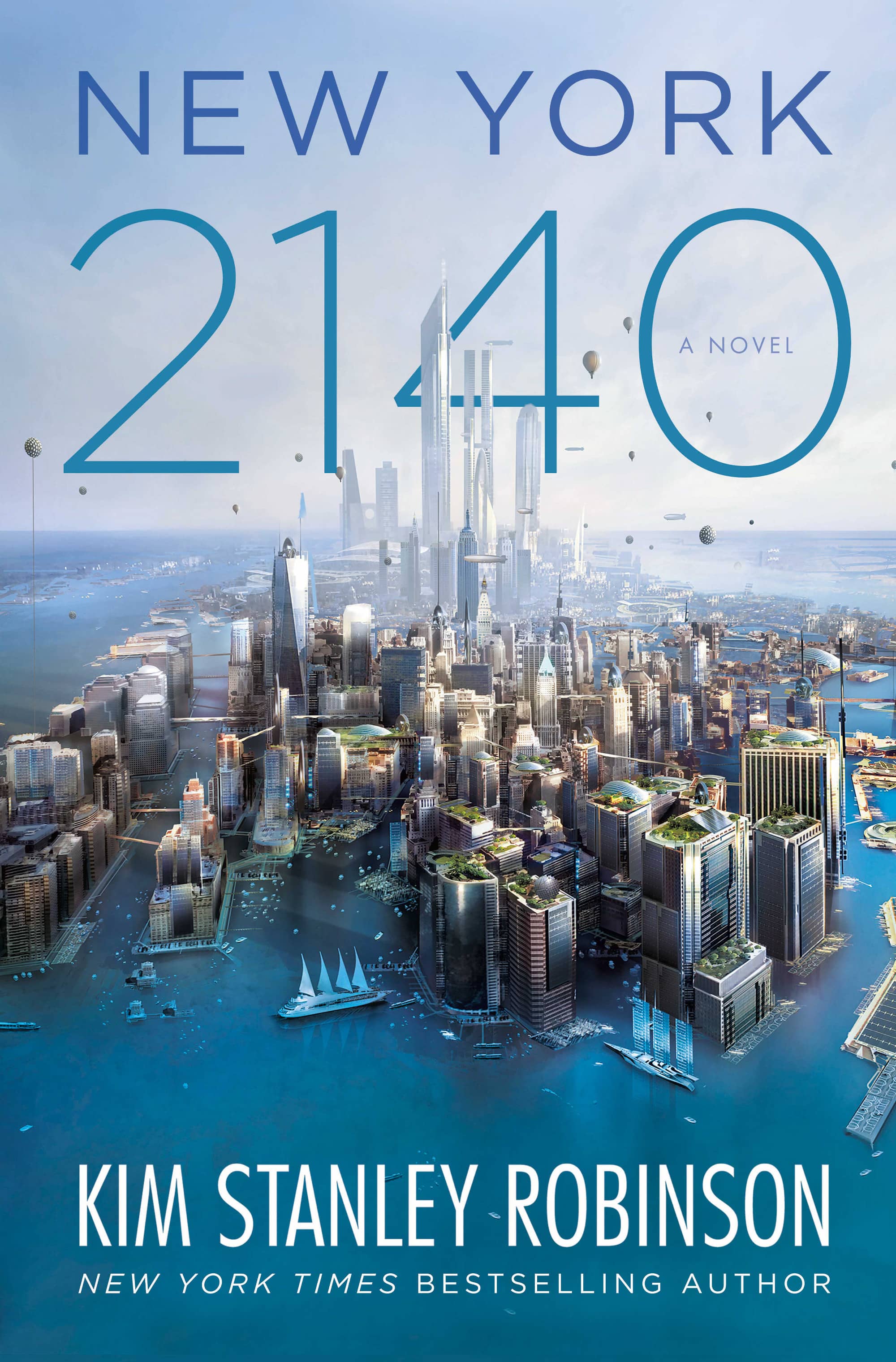
New York 2140-smallI haven’t read any of the 2018 Hugo nominees, and that gleaming metal statue is being given out this weekend at Worldcon in San Jose. I better get a move on.

There’s plenty of great titles on the nominee list — including Martha Wells’ All Systems Red, Sarah Gailey’s River of Teeth, and Yoon Ha Lee’s Raven Stratagem — but the one I’m most interested in at the moment is Kim Stanley Robinson’s tale of urban post-apocalypse, New York 2140. The Washington Post calls it “Massively enjoyable,” and the Guardian says it’s “A towering novel about a genuinely grave threat to civilization,” but mostly I want to read it because, come on. A submerged New York in 120 years? That sounds awesome.

New York 2140 was published in hardcover last year, and finally appeared in trade paperback in March. Here’s the description.

As the sea levels rose, every street became a canal. Every skyscraper an island. For the residents of one apartment building in Madison Square, however, New York in the year 2140 is far from a drowned city.

There is the market trader, who finds opportunities where others find trouble. There is the detective, whose work will never disappear — along with the lawyers, of course.

There is the internet star, beloved by millions for her airship adventures, and the building’s manager, quietly respected for his attention to detail. Then there are two boys who don’t live there, but have no other home — and who are more important to its future than anyone might imagine.

Lastly there are the coders, temporary residents on the roof, whose disappearance triggers a sequence of events that threatens the existence of all — and even the long-hidden foundations on which the city rests.

New York 2140 was published in hardcover by Orbit on March 14, 2017, and reprinted in trade paperback on March 6, 2018. It is 624 pages, priced at $17.99 in paperback and $11.99 for the digital version. The cover is by Stephan Martiniere. Read a sample chapter at the Orbit website.

See all our recent New Treasures here.

Future Treasures: Bloody Rose by Nicholas Eames

Future Treasures: Bloody Rose by Nicholas Eames

Kings of the Wyld-medium Bloody Rose Nicholas Eames

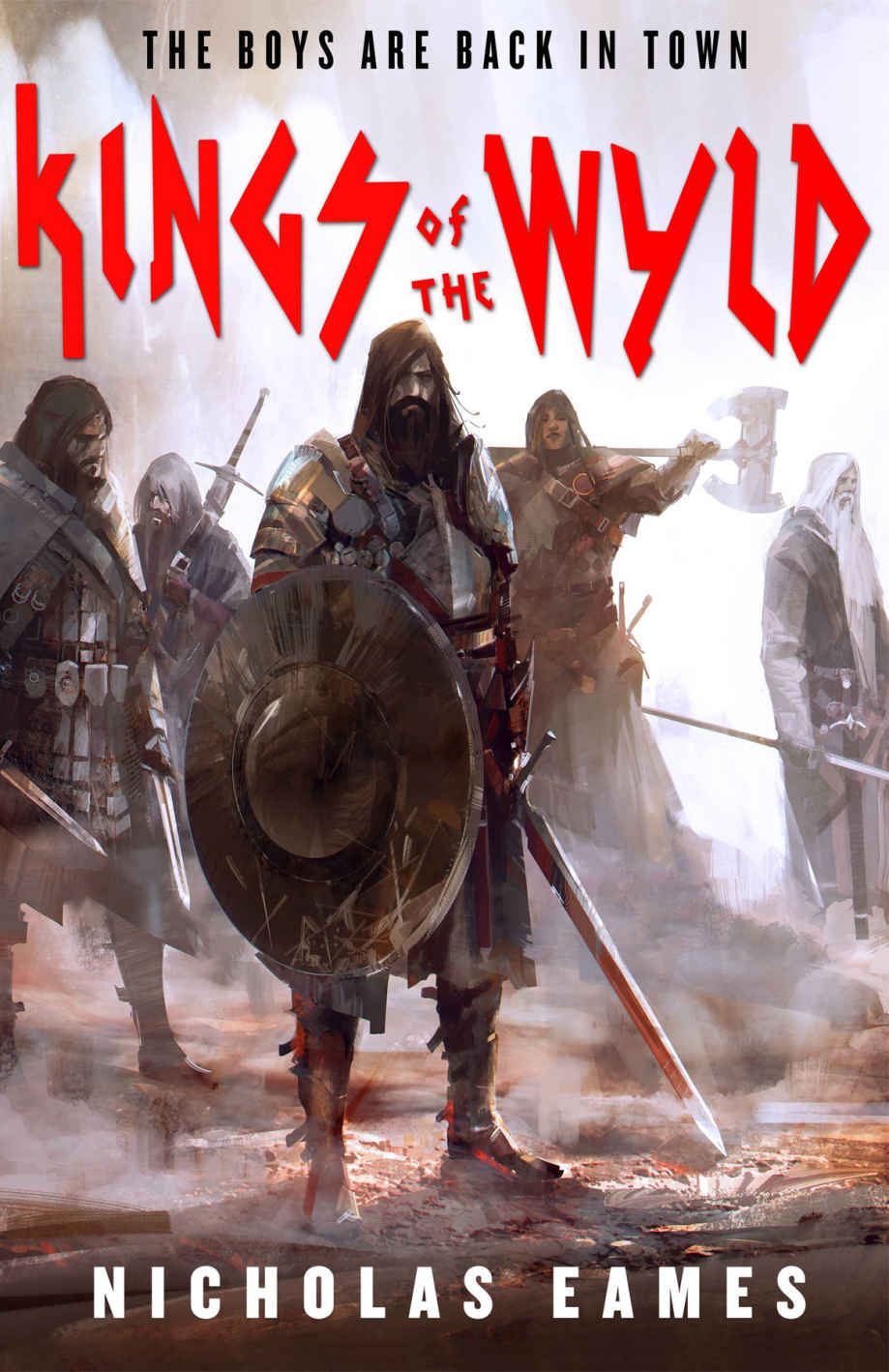
The books I select to showcase here don’t always connect with readers. And that’s okay; I try to highlight books that aren’t getting enough attention, and sometimes that means they have a niche appeal. But there are plenty of titles that do connect, and one of them was last year’s Kings of the Wyld, the first fantasy novel by Nicholas Eames.

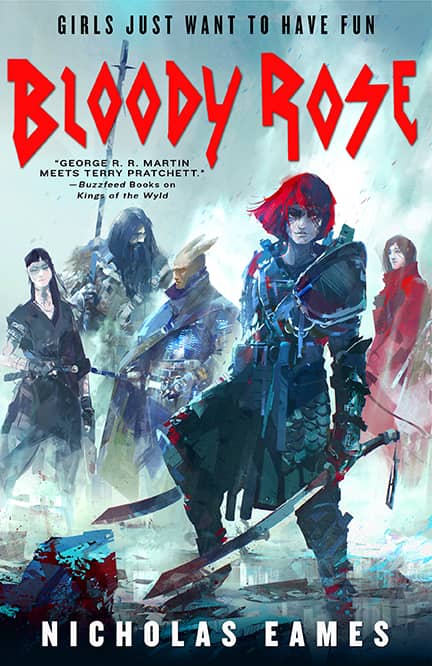
It wasn’t just Black Gate readers that responded positively. Publishers Weekly called it a “Brilliant debut… emotionally rewarding, original, and hilarious.” They’re even more impressed with the upcoming sequel Bloody Rose, calling it “”The equivalent of a 500-page heavy metal guitar… This is a messy, glorious romp worthy of multiple encores.”

It arrives at the end of the month in trade paperback from Orbit, and it being called Book 2 of The Band. Here’s the description.

Read More Read More

Birthday Reviews: Louise Marley’s “Diamond Girls”

Birthday Reviews: Louise Marley’s “Diamond Girls”

Fields of Fantasies
Fields of Fantasies

Louise Marley was born on August 15, 1952. She has published novels under her own name and using the pseudonyms Louisa Morgan and Toby Bishop.

Marley’s novel The Glass Harmonica won the Endeavour Award in 2001 and she won a second Endeavour Award in 2005 for The Child Goddess. Two of her other novels were also nominated for the award. Her novel The Terrorists of Irustan was nominated for both the Endeavour Award and the James Tiptree Jr. Memorial Award. The Child Goddess was also nominated for the John W. Campbell Memorial Award.

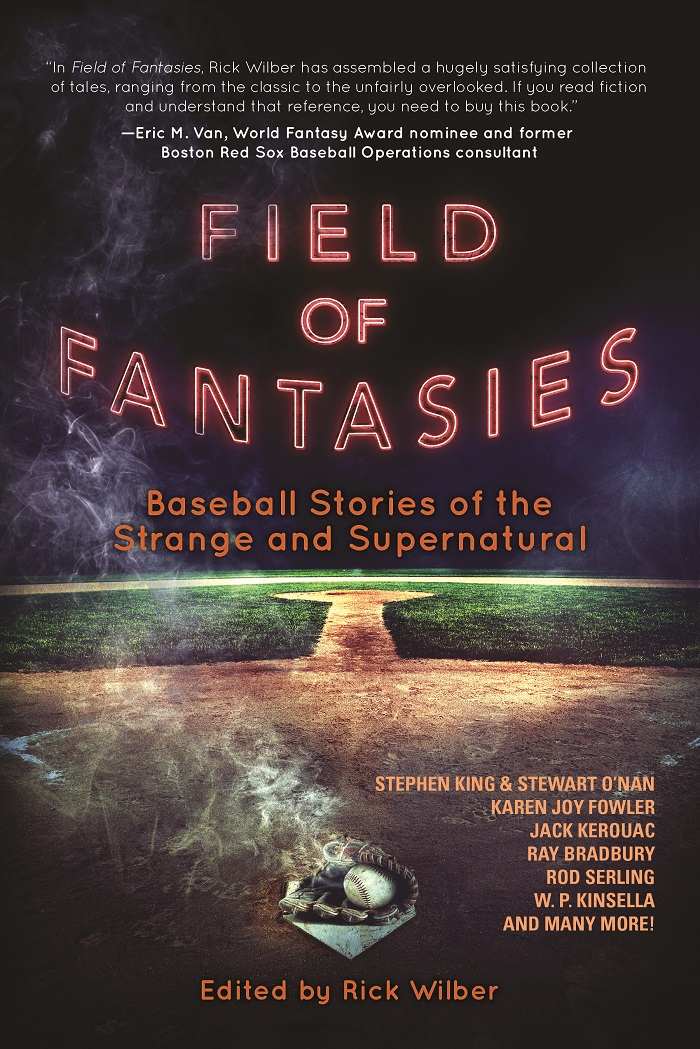
Marley first published “Diamond Girls” in the June 8, 2005 issue of Sci Fiction, edited by Ellen Datlow. Its first print publication came in Marley’s collection Absalom’s Mother & Other Stories in 2007. It was reprinted again in the science fiction sports anthology Future Games, edited by Paula Guran in 2013 and the following year, Rick Wilber included the story in his SF baseball anthology Field of Fantasies.

In “Diamond Girls,” Marley describes the first faceoff between a female pitcher and a female batter in the major leagues. For Ricky Arendsen, the match occurs in her second season as a pitcher, although starting the season at 0-3 has put a lot of pressure on her to perform. For Grace Elliott, it is her first game in the majors and she, and everyone else, knows that despite batting .300 in the minors, she was brought up essentially for a publicity stunt.

The duel between the two is described throughout the entire game, not just a single at bat, and Marley has a lot more going on than simply the first time two women face each other in a major league game. Arensen is genetically modified while Elliott isn’t, which has caused a lot of hubbub among the fans and the press. While Arendsen is concerned that if she loses another game she’ll be sent back to the minors, Elliott is worried that if she doesn’t perform, the same thing will happen to her, and she’ll never to get another shot at the Show.

The story has shades of Jackie Robinson, although Arendsen has already been playing for more than a season, as well as echoes of the film For Love of the Game, which gets inside the mind of a pitcher throwing a perfect game. What is also clear is that even though both Arendsen and Elliott are aware of the historical nature of the match up, they treat it like any other game. When Elliott comes up to bat against Arendsen, she does so as a ballplayer, not as a woman, although after the game, there is a natural camaraderie of sisterhood between the two.

Read More Read More

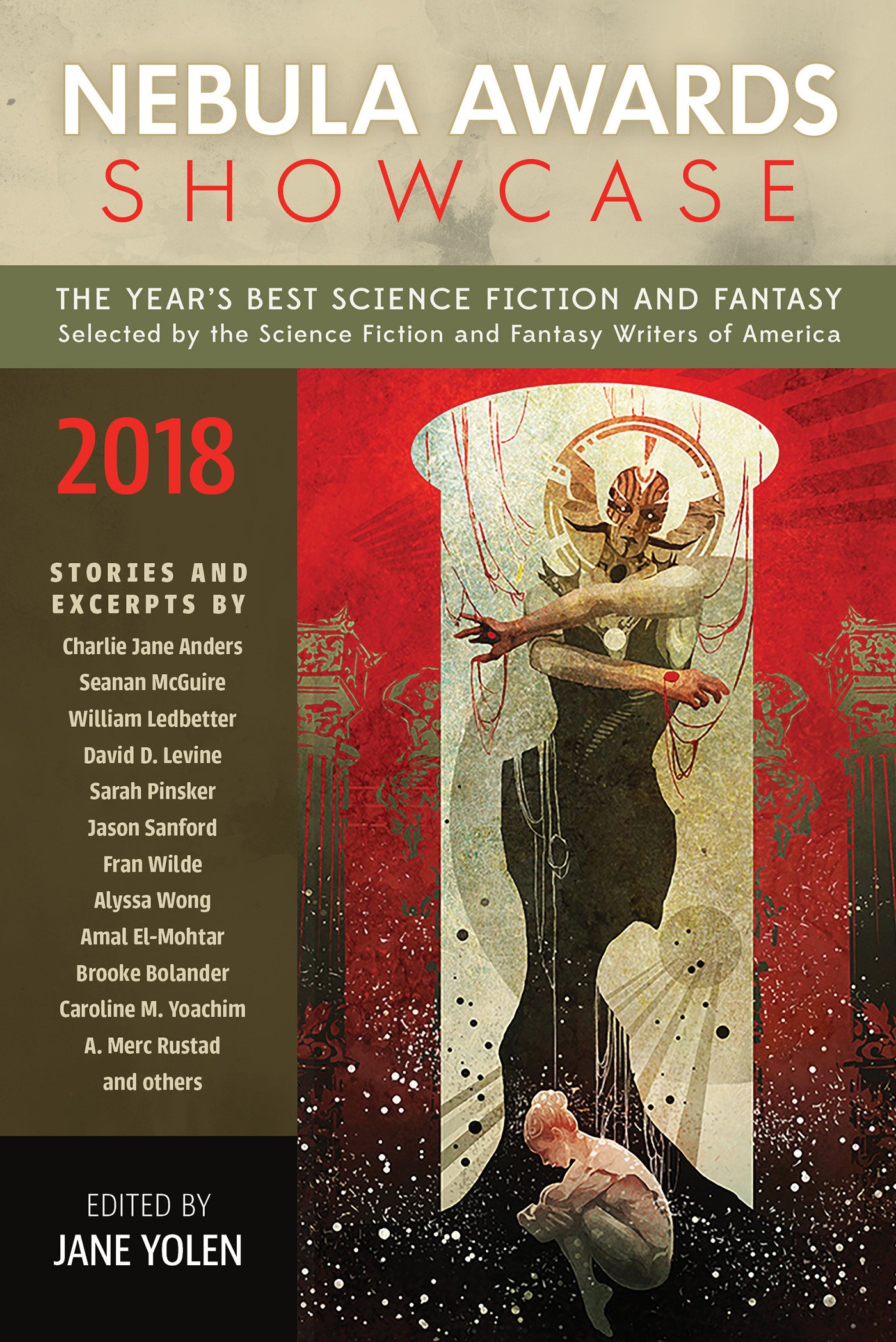
Fairy Tales, Space Stations, and a Sequel to The Thing: The Nebula Awards Showcase 2018, edited by Jane Yolen

Fairy Tales, Space Stations, and a Sequel to The Thing: The Nebula Awards Showcase 2018, edited by Jane Yolen

Nebula Awards Showcase 2018-smallThe annual Nebula Awards Showcase anthologies, which collect the Nebula Award nominees and winners, are edited by a revolving committee of editors, and that means the criteria used to select the fiction varies every year.

I think this is a great idea. Essentially, each year it gives editorial power to a new individual to select which stories to showcase. The winners are always included, of course, but picking between the nominees (especially in the novella category, which frequently would fill one and a half anthologies all on its own) is a challenge, and it needs a strong editorial hand to make tough decisions.

For example in 1980, for Nebula Winners Fourteen, Frederik Pohl jettisoned virtually every single short fiction nominee (and all the novelettes) so he could make room for just two stories, C. J. Cherryh’s Hugo Award-winning “Cassandra,” and Gene Wolfe’s massive 60-page novella “Seven American Nights.” That had to be a tough call, but I think it was the right one.

In the 2018 Showcase volume, editor Jane Yolen makes a similar choice. Seanan McGuire’s Every Heart a Doorway, which won the Best Novella Nebula, is a massive 176 pages, far bigger even than Gene Wolfe’s 60-page classic, and would throughly dominate the anthology. Instead, for the first time I can remember, Yolen has chosen not to include the full version of the Nebula Award winning novella, but rather represent it with a 20-page excerpt. That leaves her with enough space to include every short story and novelette nominee (or at least, as is the case for Fran Wilde’s 96-page The Jewel and Her Lapidary, a substantial excerpt).

It’s a bold decision, and I applaud it. The 2018 Nebula Awards Showcase is a terrific volume, and it certainly gives you the opportunity to sample a wide variety of top-notch fiction from last year, including the delightfully subversive fairy tale “Seasons of Glass and Iron” by Amal El-Mohtar, Sam J. Miller’s thoughtful and creepy sequel to John Carpenter’s The Thing, “Things With Beards,” Caroline M. Yoachim’s “Welcome to the Medical Clinic at the Interplanetary Relay Station / Hours Since the Last Patient Death: 0,” and excerpts from All the Birds in the Sky by Charlie Jane Anders and Arabella of Mars by David D. Levine

If you’re looking for a Best Of collection that encapsulates some of the finest science fiction from last year, it makes a splendid choice. Here’s the complete Table of Contents.

Read More Read More