Teaching and Fantasy Literature: Murphy’s Law (Pedagogical Corollaries)
 When teachers write publicly about teaching, we usually write about the things that went well. It’s not just that we’re full of ourselves or want to save face — though we fall prey to human nature like anybody else. It’s that we like being helpful, and talking about the things that worked seems more likely to help our readers than talking about the things that didn’t. Maybe some offhand comment that accidentally turned out to be illuminating for a student will help some other student, somewhere, so off I send it into the ether. If teachers are more visibly full of ourselves than other people are, it’s because the work we do can be utterly humbling.
Of course, some lesson plans just fall down and spit. Some things that could be done well go horribly wrong in the execution. We all have bad brain days. Only a small minority of disasters are fun or useful to read about, though. If teaching mistakes were as frequently entertaining as parenting mistakes are, you’d see a lot more sitcoms set in the faculty lounge.
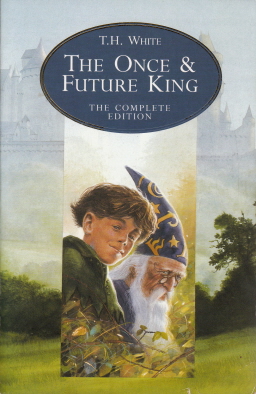
Why did I make my Intro to Myth students read such very long stretches of Tolkien’s “Valaquenta,” when I myself nod off reading it? What was I thinking when I sent my minimally English-proficient Mandarin speakers off to read The Once and Future King? Why did I hector that poor creative writing student to make his dragon-riding antihero more sympathetic, when an antihero was so clearly what he wanted to write?
For every awesome thing I can’t wait to tell you guys about, there’s an equal and opposite gaffe.
Sarah Avery’s short story “The War of the Wheat Berry Year” appeared in the last print issue of Black Gate. A related novella, “The Imlen Bastard,” is slated to appear in BG‘s new online incarnation. Her contemporary fantasy novella collection, Tales from Rugosa Coven, follows the adventures of some very modern Pagans in a supernatural version of New Jersey even weirder than the one you think you know. You can keep up with her at her website, sarahavery.com, and follow her on Twitter.
 “Why do we have to read so much?” said the students who thought Intro to Myth would be an easy A. “And all this writing! You turned it into work!”
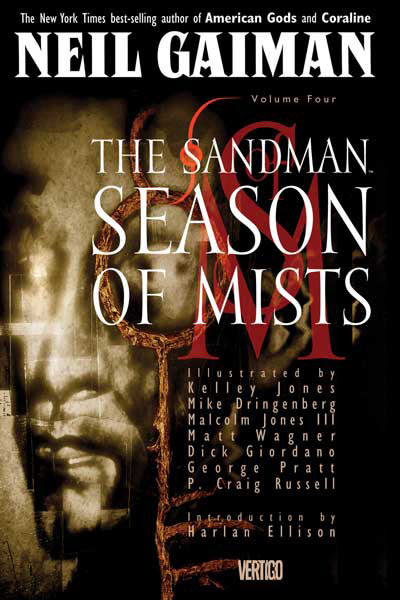 For a week, I experienced the delightful illusion that I held the whole tradition of myth and mythic literature in my head at once. Gilgamesh to Gaiman, it floated in a perfect structure of interconnectedness. I could see through time. Then I wrote the final exam, and the illusion dissolved instantly.
 One of their moves was to offer a knock-off version of the one undergraduate class Comp Lit could always get full enrollment for–the course that made it possible for my Comp Lit grad student friends to pay their rent and eat. That’s not hyperbole. I had classmates who lived in their cars during the summer because without their school-year teaching paychecks they had to choose between food and shelter.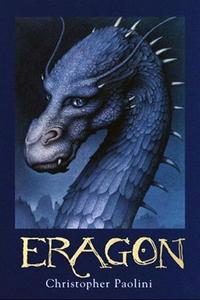
 The cheap shots are kind of tempting — analogies, or allegories even, about the SAT as a form of gladiatorial combat. Some of my students do experience the test that way. Certainly the SAT has become a fasting ordeal, now that it’s four hours long and still allows only one break long enough for scarfing down an energy bar. But I’m not enlisting the aid of Katniss Everdeen to fight the College Board over its test. Odd as it sounds, there are some admirable, humane aspects to the SAT in its current incarnation. I’ve just started using the Neo-Roman culture of Suzanne Collins’s Panem setting to work to take the fear out of Latin-derived vocabulary words.

 Oaths, vows, geasa, bindings–you love reading about that kind of thing, or you wouldn’t be here at Black Gate. A vow is powerful magic. A vow written or witnessed is more powerful still.