A Review of The Lion of Cairo, by Scott Oden
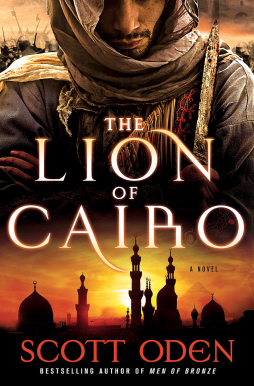 The Lion of Cairo, by Scott Oden
Thomas Dunne Books (384 pages, $25.99, December 7, 2010)
I think it’s totally cool that the dedication page of Scott Oden’s forthcoming novel The Lion of Cairo (U.S. publication date Dec. 7) pays homage to a sword and sorcery legend:
To Robert E. Howard
whose tales of swordplay and sorcery
gave inspiration to a kid from Alabama
and caused him to take up the pen
in his own time
After the Howard name-drop you pretty much know what you’re in for: Pulse-pounding sword play, leagues of warring assassins, political intrigue, a hint of evil sorcery, and the clash of armies on a grand stage. On all these elements Oden delivers.
Though inspired by the man from Cross Plains, The Lion of Cairo is no slavish imitation of Howard. The work — book one of the Emir of the Knife trilogy — shares just as much or more in common with Harold Lamb’s Swords from the East or Steven Pressfield’s historical fiction than REH’s tales of the Hyborian Age. Cairo’s main character, the assassin Assad, is more Pale Rider than muscular Cimmerian. He’s a dude you don’t want to tangle with: Deadly with a blade instead of a six-gun; not cocky but quietly confident in his abilities; single-minded of purpose; a stone-cold killer. Though he’s an assassin Oden successfully manages to portray him as sympathetic, a killer we can get behind. It’s a pretty nifty bit of characterization.
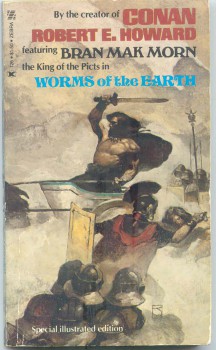 “Worms of the earth, back into your holes and burrows! Ye foul the air and leave on the clean earth the slime of the serpents ye have become! Gonar was right—there are shapes too foul to use even against Rome!”
 This post over on the
  Like most horror fans, I love zombie movies because they’re fun, gory, and suspenseful. I find the survivalist angle intriguing, too (I often find myself wondering if and how I could survive an initial outbreak of the walking dead. Equipped with my copy of The Zombie Survival Guide I’d like to think at least I’d have a fighting chance. But probably not).
 To the gods of the north, I pray
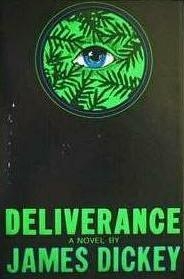 I lay with the flashlight still in one hand, and tried to shape the day. The river ran through it, but before we got back into the current other things were possible. What I thought about mainly was that I was in a place where none—or almost none—of my daily ways of living my life would work; there was not habit I could call on. Is this freedom? I wondered.
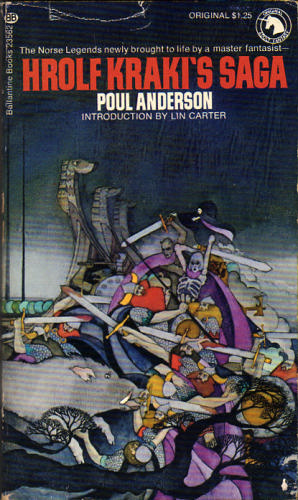 Let us die in the doing of deeds for his sake;
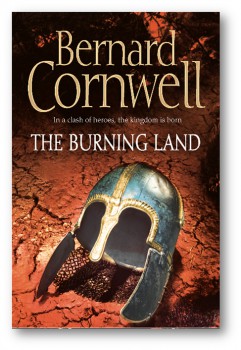 3. The Saxon Stories, Bernard Cornwell. Uhtred of Bebbanburg is a Saxon youth captured and raised among the Danes, who then proceeds to spend the next several books in this yet-unfinished series fighting alternately for both sides in war-torn 9th century England. The Saxon Stories features Cornwell, a brilliant historical fiction writer, at his near-best (though I still prefer his Warlord Trilogy) with Viking raids, shield walls, axes, dark ages combat, hall-burnings, and general mayhem galore. Great stuff.
 Warning: This essay contains some spoilers.
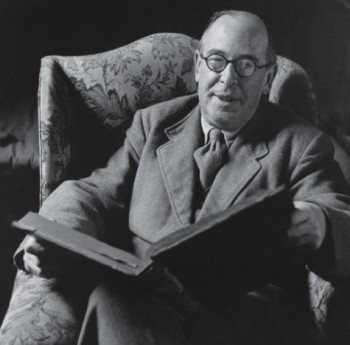 Though he’s best known as the author of the Chronicles of Narnia, C.S. Lewis (1898-1963) was also a prolific essayist and an ardent defender of fantasy literature. In addition to medieval studies (The Allegory of Love) and Christian apologetics (Mere Christianity), Lewis wrote several essays about the enduring appeal of
  Freedom, love of neighbour, and personal responsibility are steep slopes; he could not climb them for us—we must do that ourselves. But he has shown us the road and the reward.