Fanfiction and Me
 I was introduced to fanfiction after The Empire Strikes Back came out in 1980, when I was around fifteen. This was long before the Internet, and fanfic was printed in fanzines, fan-produced magazines that were mimeographed or xeroxed, or if the editor could afford it, offset printed. But finding them, if you didn’t already know someone who knew about them, was nearly impossible.
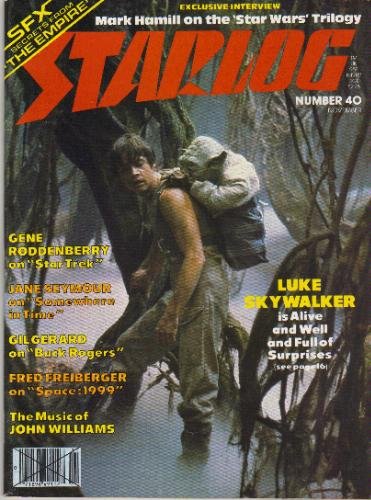
As a lonely, feral, anxiety-ridden, teenage fan, my only connection to the fandom world at all was Starlog magazine. Back then, Starlog was a lifeline for me, and it not only featured articles and news about TV shows, movies, and books, but also fan groups and conventions. (I chose the university I went to because Starlog had an article that mentioned its student SF/F club and convention, but that’s another story.)
The magazine also had a section of small cheap personal ads in the back for fan-related merchandise. One issue, a fanzine called Facets, dedicated to fanfic about Harrison Ford’s various characters (mostly Han Solo and Indiana Jones) bought an ad, and I sent my money in (I don’t remember how much, probably less than $10) and bought a couple of small fanzines.
I was hooked. The back of each fanzine was filled with ads and flyers for other Star Wars fanzines, and I dived in and ordered more.
At their height of popularity in the 80s and early 90s, Star Wars fanzines were gorgeous productions. There were zines that were more than 300 pages long; with color covers and black and white illustrations; and filled with stories, poems, and cartoons. The best editors would copyedit the stories and some made suggestions and asked for revisions, helping the writers produce their best work.