Browsed by
Category: New Treasures

The Best of The Best of from Subterranean Press

The Best of The Best of from Subterranean Press

beyond-the-aquila-rift-the-best-of-alastair-reynolds-small the-best-of-nancy-kress-small the-best-of-gregory-benford-small

Last week I ordered a copy of Beyond the Aquila Rift: The Best of Alastair Reynolds, published in a deluxe edition from Subterranean Press. I knew it was a big volume, but I didn’t realize just how massive until it arrived with a thud on my doorstep: 784 pages in hardcover, with a gorgeous warparound cover and interior artwork by Dominic Harman.

Subterranean Press is one of the most prolific small press publishers in the genre. I don’t often give them a lot of coverage here at Black Gate, mostly because they specialize in autographed limited edition hardcovers, targeted at the collectors market, which are out of my price range. But over the last two decades or so, as mainstream publishers have largely abandoned the single-author collection as commercially unviable, Subterranean founder and editor William Schafer has made a noble effort to pick up the slack, publishing nearly a hundred collections by Jack Vance, Joe R. Lansdale, Charles de Lint, George R. R. Martin, James P. Blaylock, Robert Silverberg, Robert McCammon, Tim Lebbon, Neal Barrett, Jr., Tad Williams, Charles Beaumont, K. J. Parker, Terry Dowling, Lewis Shiner, Greg Egan, and many, many others.

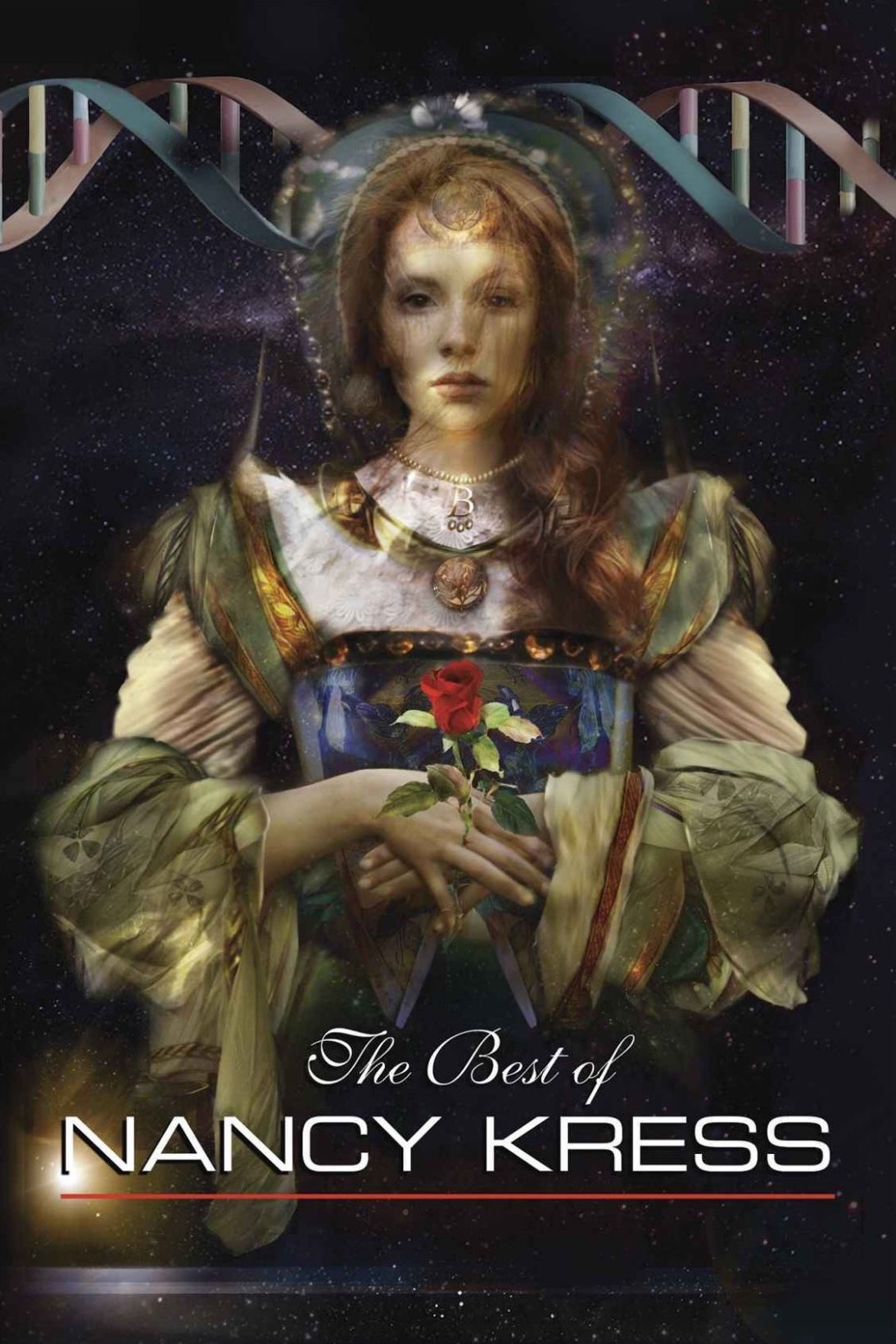
Subterranean Press’ collections clearly deserve a closer look, and I’ve decided to start with three of their most recent: Beyond the Aquila Rift: The Best of Alastair Reynolds, edited by Jonathan Strahan and William Schafer, The Best of Nancy Kress, and The Best of Gregory Benford, edited by the late David G. Hartwell. All three are monumental volumes, and all three are priced very affordably, especially if your shop around. (I paid $28.54 for a brand new copy of Beyond the Aquila Rift, which I purchased from a trusted third party seller on Amazon.)
Read More Read More

Adrian Tchaikovsky Suggests Five Books Featuring Adventuring Parties

Adrian Tchaikovsky Suggests Five Books Featuring Adventuring Parties

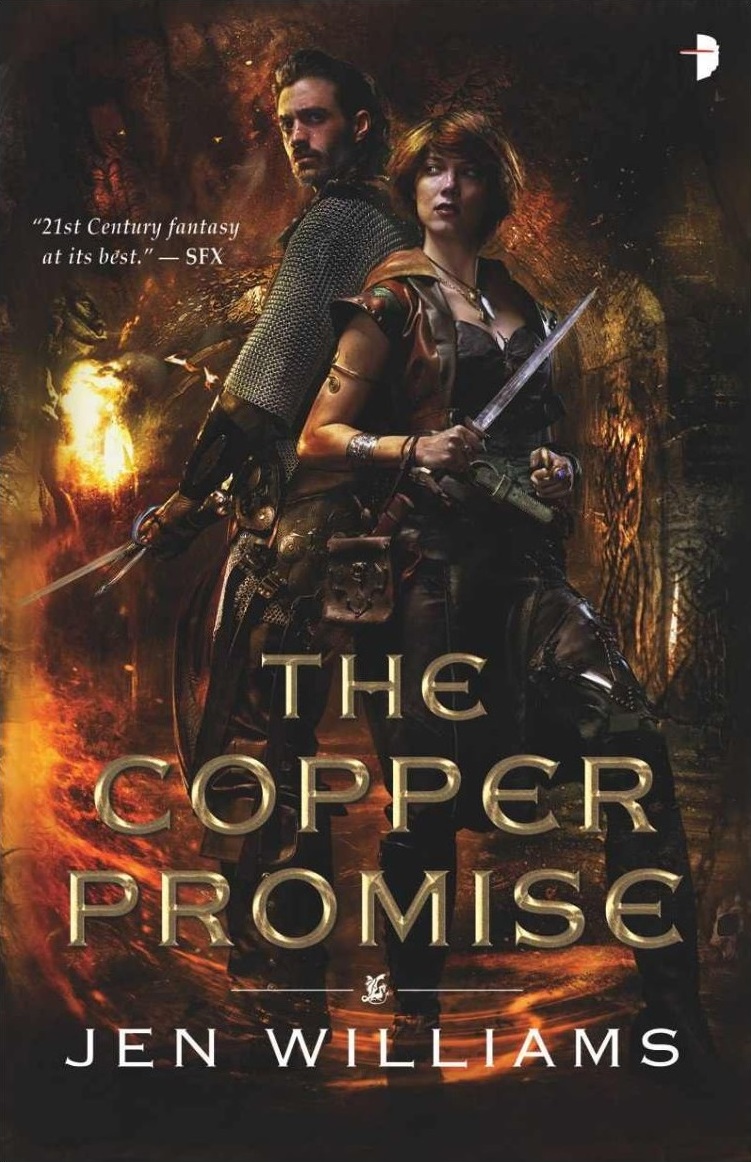
the-copper-promise-smallAdrian Tchaikovsky’s Spiderlight, published last month by Tor.com Publishing, is fast becoming one of the most talk-about books of the fall. What begins as a familiar tale of a small band of adventurers on an epic quest to defeat the Dark Lord quickly becomes something else entirely. The Barnes & Noble Sci-Fi and Fantasy Blog calls it “A master class in subverting our expectations to surprise, engage, and deliver a fantastic story,” And Django Wexler says, “If, like me, you’re a D&D fan who always wondered about the ethics of Detect Evil or what the orcs eat in Mordor, you will love this one.”

Tchaikovsky sounds like someone who’s fond of old-fashioned heroic fantasy — in particular, the trope of the Adventuring Party — and also someone who isn’t afraid of messing with the genre. So I was particularly interested in his August article at Tor.com “Five Books Featuring Adventuring Parties,” which begins:

My new book, Spiderlight, is something of a deconstruction of the fantasy adventuring party, as seen in plenty of post-Tolkien works, and as beloved of Dungeons & Dragons players everywhere. It’s not as common as you’d think in fiction — often the action is a single individual or a hero-and-sidekick pair, or something larger, like a military company. What I’m after here is an ensemble cast with a particular feel to it — that mix of clashing characters and different skillsets. Here are some of my favorites.

Yeah, that sounds good to me. One of his choices is a book that completely slipped past me: The Copper Promise by Jen Williams, published in July by Angry Robot.

When there’s a wizard and a warrior but the rogue gets a chance to shine.

Jen is one of the best new voices in UK fantasy, and it’s a testament to her writing skill that Wydrin, the “Copper Cat” and a proper fantasy rogue through and through, does not actually eclipse her companions Frith and Sebastian as they fight, trick and run their way through a world that has gone from run-of-the-mill dangerous to actively-being-set-on-fire-by-a-dragon dangerous thanks, chiefly, to their own poor life choices. “Let sleeping gods lie,” goes the tagline. No need to tell you how that one works out.

We previously discussed Adrian Tchaikovsky’s novels The Tiger and the Wolf and Guns of the Dawn. Learn more about his Tor.com novella Spiderlight here.

Read Tchaikovsky’s complete article at Tor.com here.

John DeNardo Proves Lovecraftian Fiction is Alive and Well

John DeNardo Proves Lovecraftian Fiction is Alive and Well

The Dream-Quest of Vellitt Boe-small swords-v-cthulhu-medium lovecraft-alive-by-john-shirley-small

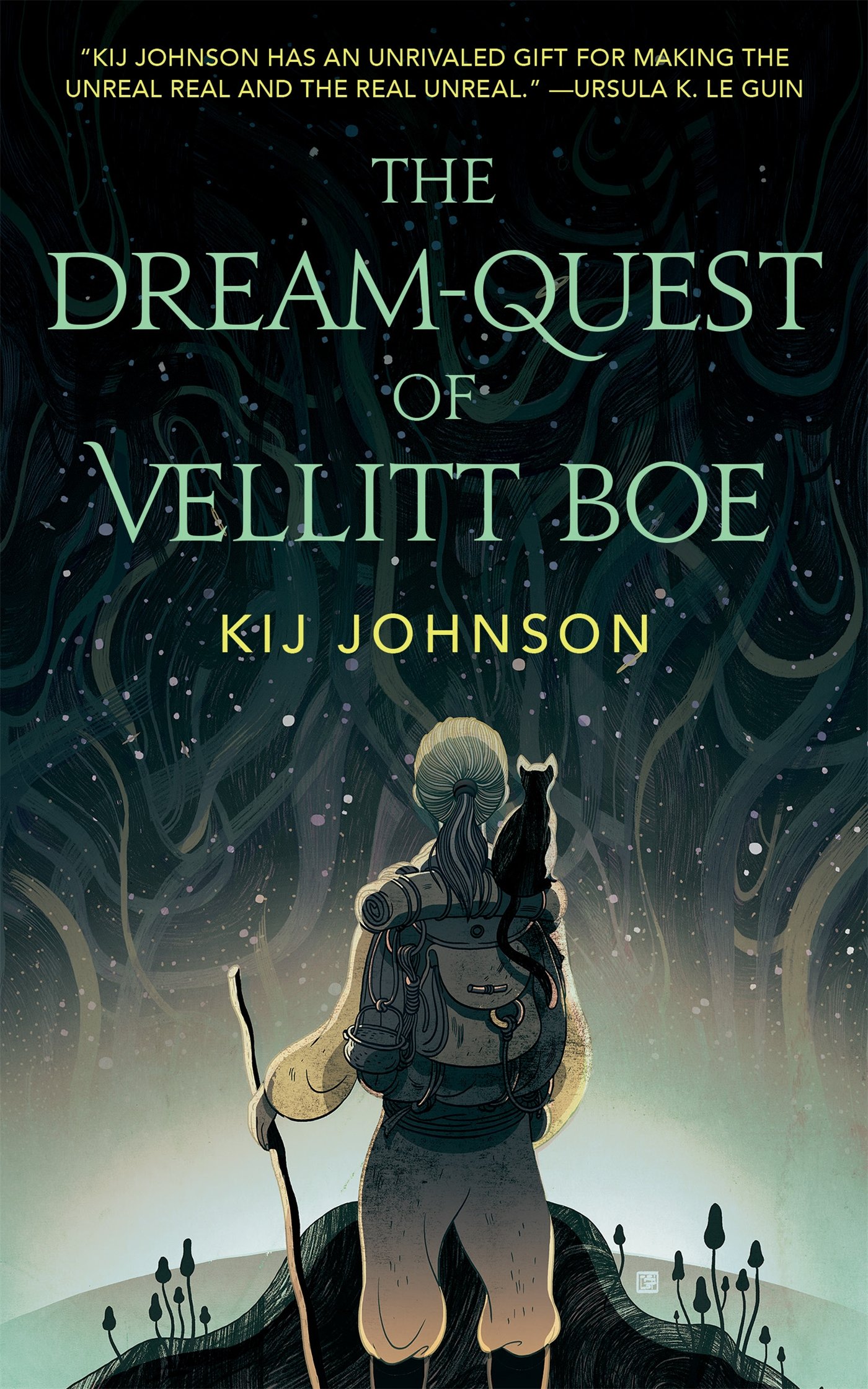
Over at Kirkus Reviews, the tireless John DeNardo gives us the rundown on the latest in Lovecraftian horror, including The Dream-Quest of Vellitt Boe by Kij Johnson.

In this haunting novella, Kij Johnson takes readers on a journey across a dream landscape reminiscent of Lovecraft’s weird and wonderful writing. The protagonist, Professor Vellitt Boe, who teaches at the prestigious Ulthar Women’s College, learns that one of her most gifted students elopes with a dreamer from the waking world. Because this student may be the only one who can save the community, Vellitt must retrieve her – a quest that introduces her to fantasy landscapes and creatures that should exist only in nightmares. Johnson’s enthralling tale is both a commentary of Lovecraftian fiction as well as an example of it.

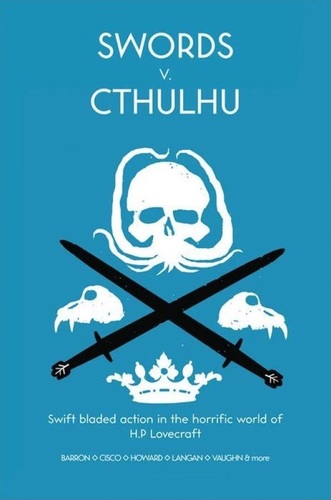
He’s equally intrigued by Swords v. Cthulhu, edited by Jesse Bullington and Molly Tanzer.

Read More Read More

New Treasures: Ancient Egyptian Supernatural Tales edited by Jonathan E. Lewis

New Treasures: Ancient Egyptian Supernatural Tales edited by Jonathan E. Lewis

ancient-egyptian-supernatural-tales-small ancient-egyptian-supernatural-tales-back-small

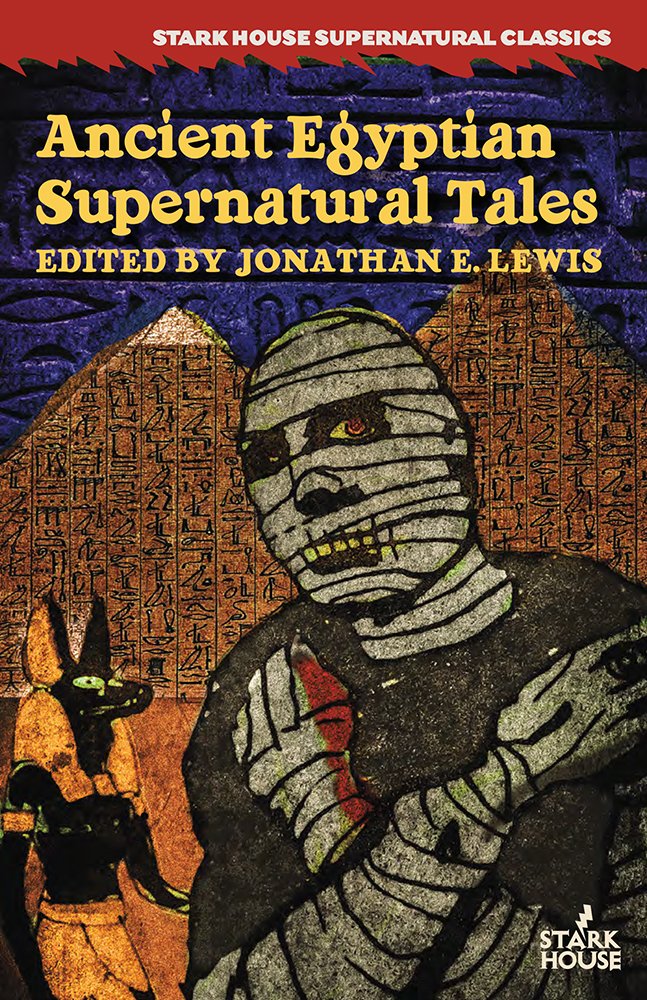
Here’s a fun little artifact, eminently suitable for late summer reading: Jonathan E. Lewis’s anthology of classic (and pulp) Egyptian dark fantasies, Ancient Egyptian Supernatural Tales, published in trade paperback in July as part of the Stark House Supernatural Classics line.

Lewis has done a fine job assembling a stellar line-up of dark fantasy and horror stories featuring mummies, curses, ancient Egyptian vampires, and lots more. In addition to classic tales from Edgar Allan Poe, Louisa May Alcott, Arthur Conan Doyle, H. Rider Haggard, and Sax Rohmer, there’s a quartet of stories from Weird Tales (by Frank Belknap Long, E. Hoffmann Price, John Murray Reynolds — and Tennessee Williams!), Algernon Blackwood’s novella “A Descent Into Egypt,” and two excerpts: one from the first mummy novel ever written in English, Jane Webb Loudon’s The Mummy (1827), and one from Bram Stoker’s classic The Jewel of Seven Stars.

Read More Read More

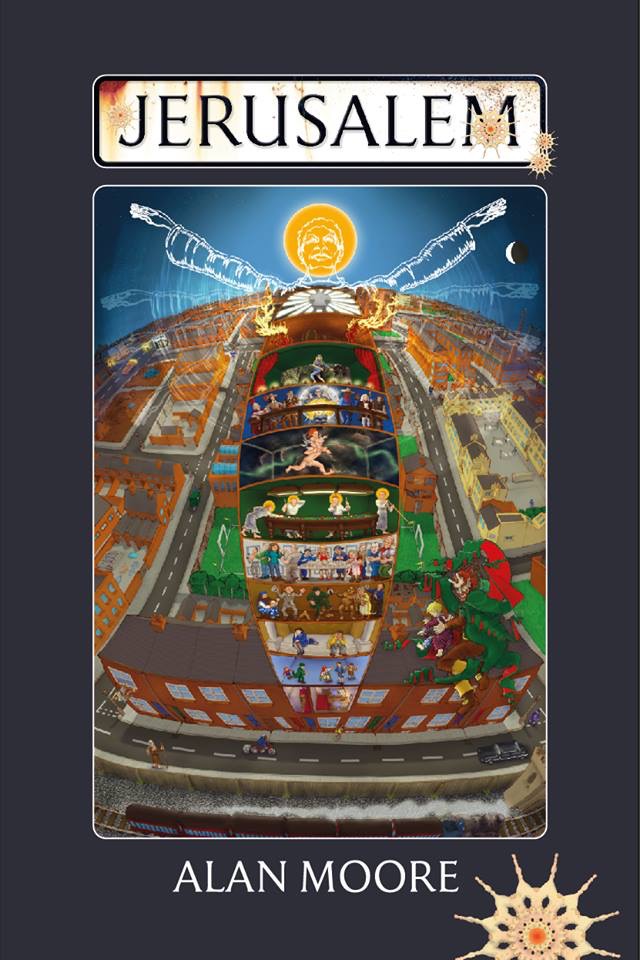
Alan Moore’s Jerusalem Arrives Next Week

Alan Moore’s Jerusalem Arrives Next Week

jerusalem-alan-moore-small jerusalem-alan-moore-back-small

Alan Moore is one of the most celebrated writers of the last 30 years. His most famous work — including Watchmen, V for Vendetta, From Hell, Batman: The Killing Joke, and The League of Extraordinary Gentlemen — is arguably the canonical literature of modern comics. And let’s face it, whether you’re a comics reader or not, the most valuable media properties on the planet today (Batman, Iron Man, Superman, X-Men, Spider-Man, Captain America, and Deadpool, just to name a handful) all trace their first seminal steps into the world of adult literature directly to the early comics of Alan Moore.

Jerusalem is — by far — Moore’s most ambitious work. Among comics fans it has acquired an almost legendary status, as Moore has been working on it — and dropping cryptic hints about it — for roughly a decade. In his 2012 review of Moore’s first novel, Voice of the Fire, Matthew David Surridge summarized some of the anticipation surrounding Jerusalem.

How do you follow a book like this? Moore’s currently working on his second novel, Jerusalem. It’s scheduled for publication in autumn of 2013; reports suggest it’ll be 750,000 words long (about the length of two volumes of A Song of Ice and Fire put together), be set entirely in an area of a few city blocks in Moore’s home of Northampton, and, according to Moore, disprove the existence of death. It’ll be concerned with time, different chapters set in different eras; like Voice of the Fire, it seems. What transformations will we see in it? How different will it be? Voice of the Fire‘s a strong book that, in its ellipses, promises more. Now that we shall have. What spirits shall we see? What work shall it accomplish?

At 1280 pages, one thing’s for certain: Jerusalem certainly delivers more. What’s it about, then? Well, that’s sort of hard to describe.

Read More Read More

New Treasures: Warren the 13th and The All-Seeing Eye by Tania Del Rio and Will Staehle

New Treasures: Warren the 13th and The All-Seeing Eye by Tania Del Rio and Will Staehle

Warren the 13th-small

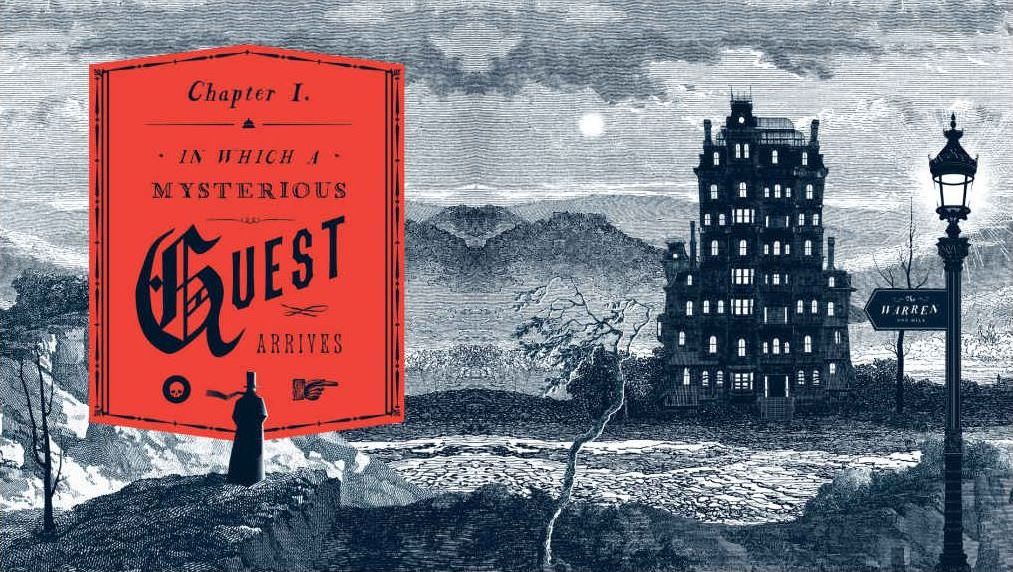
Looking over Will Staehle’s art for the book Warren the 13th and The All-Seeing Eye, I’ve never been closer to believing Lewis Carroll’s adage that all good books must be illustrated.

12 year-old Warren is the sole surviving heir to a grand (but rapidly decaying) old hotel. When a strange bandaged guest arrives, Warren’s deliciously self-absorbed Aunt Annaconda soon becomes convinced that he’s after the All-Seeing Eye, a magnificent treasure that family legend says is hidden someone on the property. The result is a madcap treasure hunt and Warren, determined to find his rightful inheritance first, soon joins the search. But first he’ll have to contend with strange monsters, sinister witches, bizarre mazes and secret codes, and a long-forgotten riddle.

This 224-page book is heavily illustrated, with art on virtually every page. The New York Times Book Review calls it “an engaging mystery… with a few nice twists and surprises along the way,” and Publishers Weekly says it’s “stylish, exciting, funny, and just slightly macabre.” That’s good to know, but I can make up my mind on Staehle’s artwork right now — and I think it’s fantastic.

Read More Read More

Gods, Monsters and Mayhem: The Pantheon Novels of James Lovegrove

Gods, Monsters and Mayhem: The Pantheon Novels of James Lovegrove

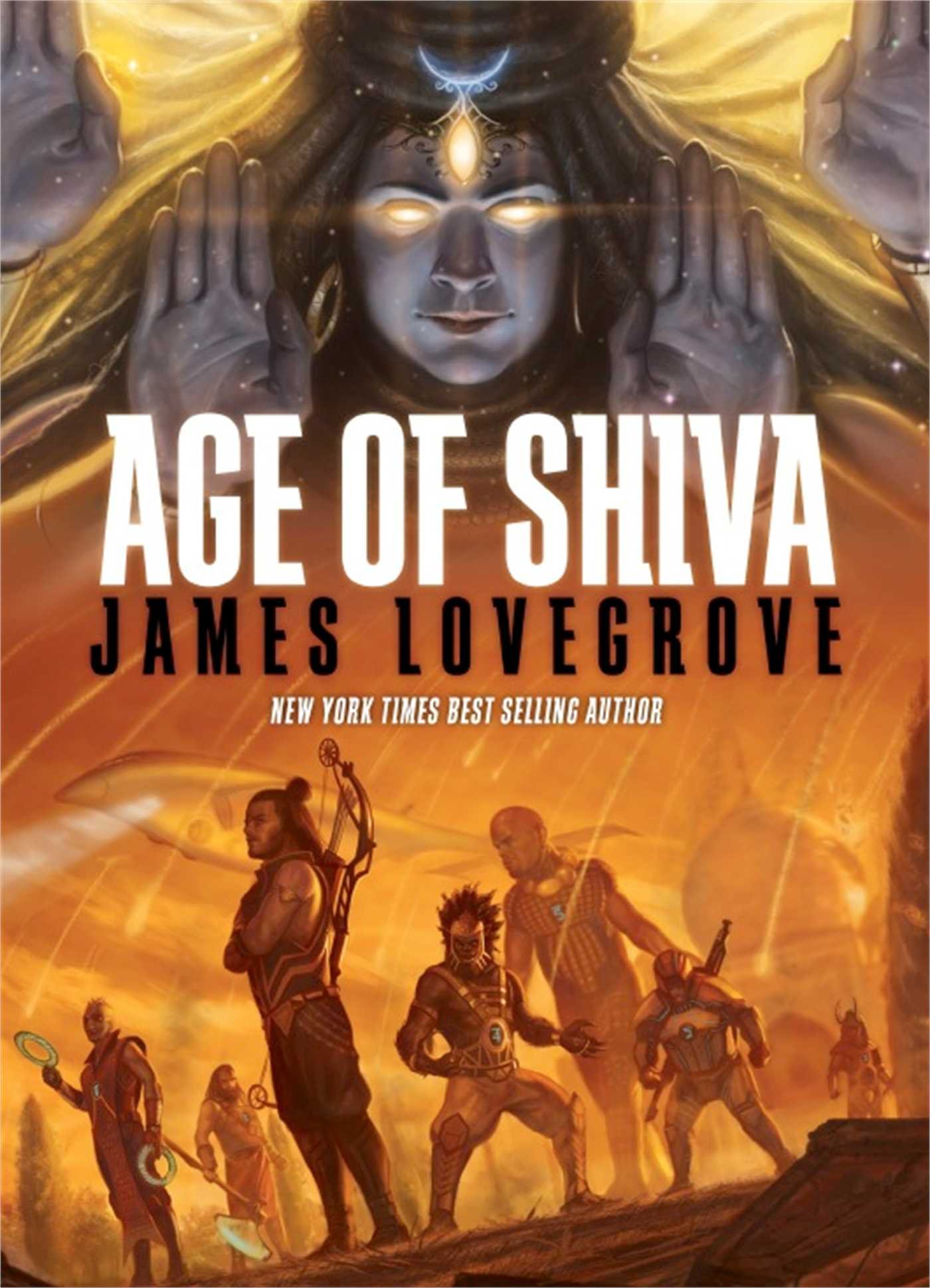
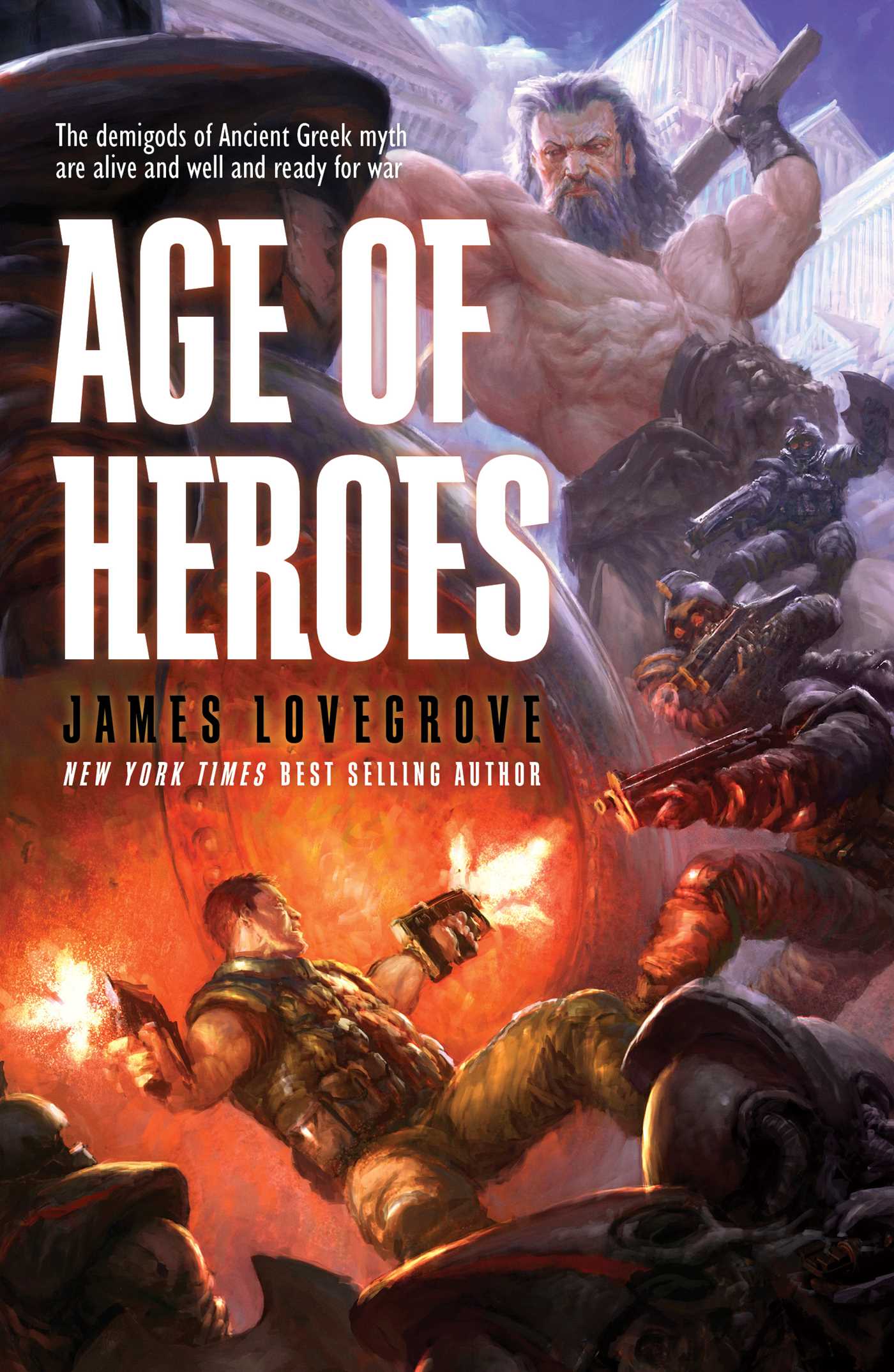
Age of Shiva James Lovegrove-small Age of Heroes James Lovegrove-small

One of my all-time favorite fantasy novels is Roger Zelazny’s Hugo-winning Lord of Light, a richly original science fantasy of one man’s attempt to stop an elitist cabal from setting themselves up as gods on a newly colonized world, using the gods of the Hindu pantheon as a template. James Lovegrove’s 8-volume Pantheon series is, if anything, even more ambitious than that groundbreaking work, as each volume uses a different pantheon of gods to spin a standalone tale of mythological mayhem.

The series began with The Age of Ra in 2009, and continued in six additional novels and one collection, Godpunk. The most recent, Age of Shiva, which borrows from god of the Hindu Pantheon, arrived in 2014, and the next volume, Age of Heroes, which features the Gods of Greece, arrives in paperback next week.

For anyone looking for their next big SF adventure series, the Pantheon novels make a fine candidate. Here’s the complete list of titles.

Read More Read More

Magic, Intrigue, Adventure, and a Bit of Piracy: The Shades of Magic Trilogy by V. E. Schwab

Magic, Intrigue, Adventure, and a Bit of Piracy: The Shades of Magic Trilogy by V. E. Schwab

335710zWYMO5wF A-Gathering-of-Shadows-small A Conjuring of Light-small

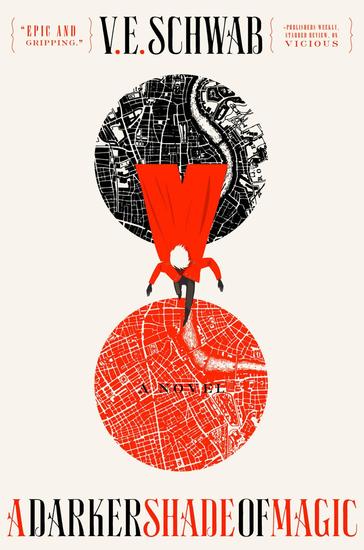
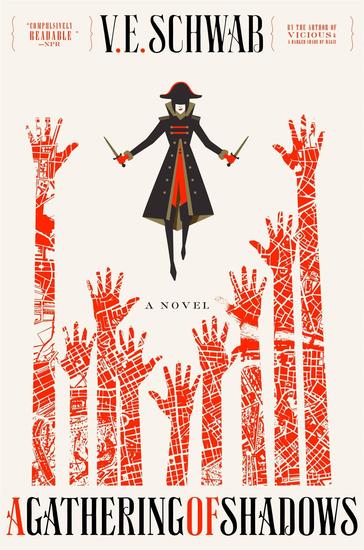
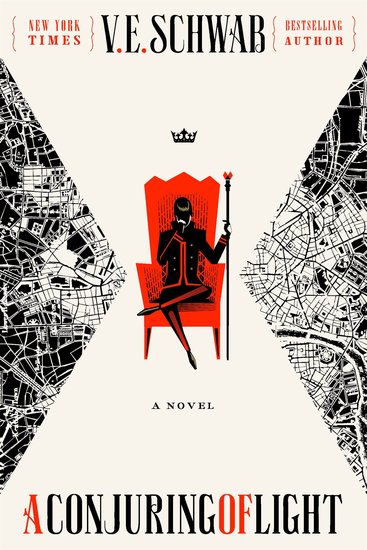
The second book in V. E. Schwab’s Shades of Magic trilogy, A Gathering of Shadows, made her a New York Times bestselling author. It has become one of the most acclaimed and popular fantasy series in recent memory. Booklist says it’s “Full of magic, intrigue, adventure, deception, a bit of piracy,” and NPR called it “Compulsively readable.” The Wall Street Journal labeled it “a multiple split-screen adventure, with an engaging hero/heroine pair,” and Steven Brust says “is as twisty-turny, dark, and gorgeous as the (multiple) Londons it winds through — I loved it!”

When the second volume was released earlier this year, I called it the “concluding volume” in a 2-book series. Whoops. That’s the publishing biz for you. I hope I don’t get in trouble soon for calling it a trilogy.

The series follows the adventures of Kell, a magician, ambassador, and smuggler who travels between parallel Londons, carrying royal correspondence. When a thief named Delilah Bard robs him, and then saves him from a nasty fate, the two find themselves on the run, jumping between worlds. In A Gathering of Shadows, Kell is visited by dreams of ominous magical events… as strange things begin to emerge from Black London, the place of which no one speaks.

Read More Read More

New Treasures: The Gentleman, by Forrest Leo

New Treasures: The Gentleman, by Forrest Leo

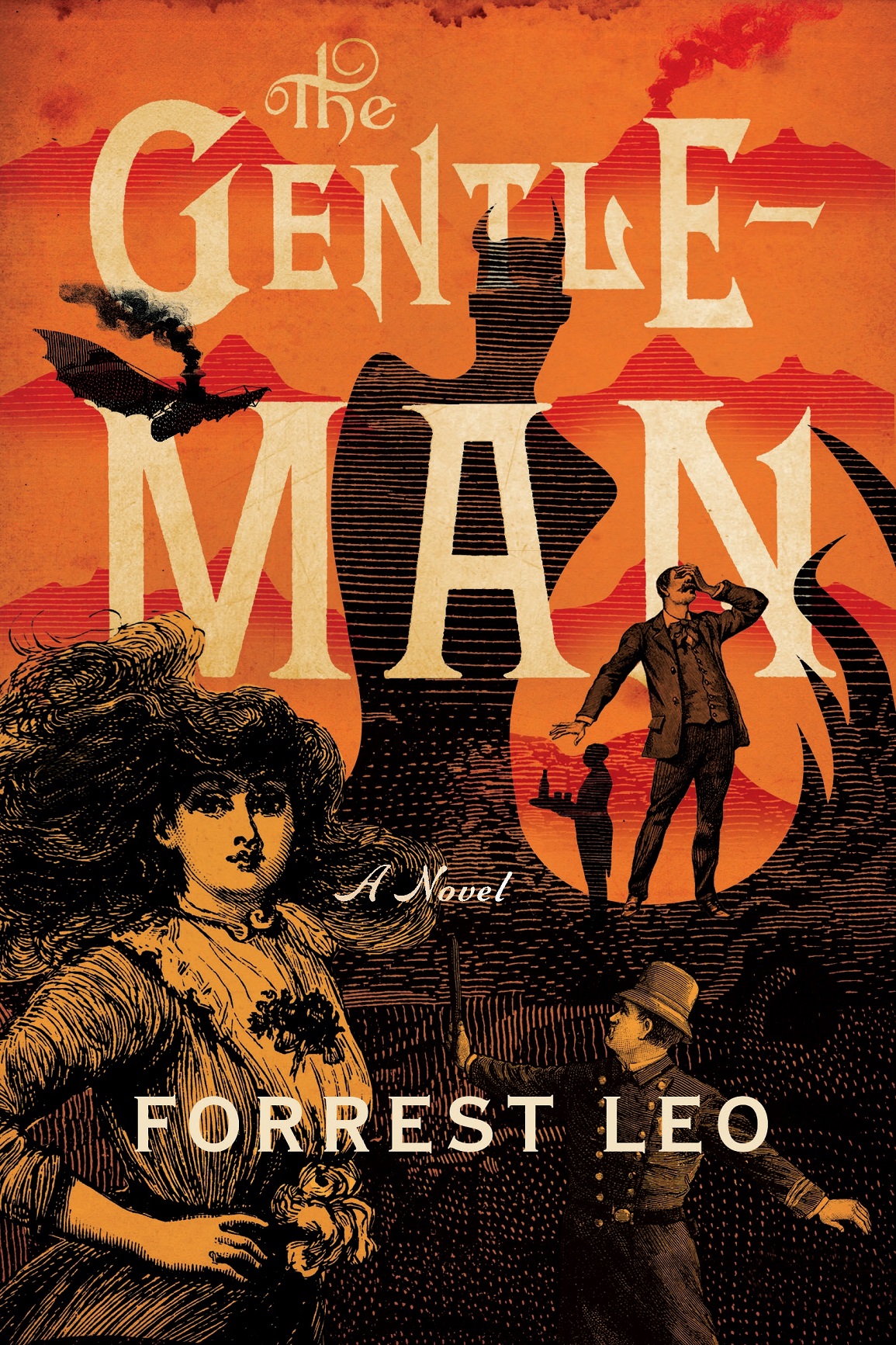
The Gentleman Forrest Leo-smallWell, we’re heading into fall (at least, for those readers in the Northern Hemisphere), and that’s reading season. Time to snuggle down with a good book or three, as the weather turns foul outside. My choice for Labor Day weekend is the debut novel by Forrest Leo, a Monty Pythonesque fantasy about a poet who accidentally sells his wife to the devil — then assembles a band of adventurers to rescue her. BookRiot labels it “a delight,” and Locus calls it “Wonderfully demented and comical… as if Tom Holt and Oscar Wilde got together and decided to do up a steampunk novelty… a robust, riotous romp.”

When Lionel Savage, a popular poet in Victorian London, learns from his butler that they’re broke, he marries the beautiful Vivien Lancaster for her money, only to find that his muse has abandoned him.

Distraught and contemplating suicide, Savage accidentally conjures the Devil — the polite “Gentleman” of the title — who appears at one of the society parties Savage abhors. The two hit it off: the Devil talks about his home, where he employs Dante as a gardener; Savage lends him a volume of Tennyson. But when the party’s over and Vivien has disappeared, the poet concludes in horror that he must have inadvertently sold his wife to the dark lord.

Newly in love with Vivian, Savage plans a rescue mission to Hell that includes Simmons, the butler; Tompkins, the bookseller; Ashley Lancaster, swashbuckling Buddhist; Will Kensington, inventor of a flying machine; and Savage’s spirited kid sister, Lizzie, freshly booted from boarding school for a “dalliance.” Throughout, his cousin’s quibbling footnotes to the text push the story into comedy nirvana.

Lionel and his friends encounter trapdoors, duels, anarchist-fearing bobbies, the social pressure of not knowing enough about art history, and the poisonous wit of his poetical archenemy. Fresh, action-packed and very, very funny, The Gentleman is a giddy farce that recalls the masterful confections of P.G. Wodehouse and Hergé’s beautifully detailed Tintin adventures.

The Gentleman was published by Penguin Press on August 16, 2016. It is 304 pages, priced at $26 on hardcover and $12.99 for the digital edition.

A Fine Tribute to the Godfather of Weird Literature: The Mammoth Book of Cthulhu, edited by Paula Guran

A Fine Tribute to the Godfather of Weird Literature: The Mammoth Book of Cthulhu, edited by Paula Guran

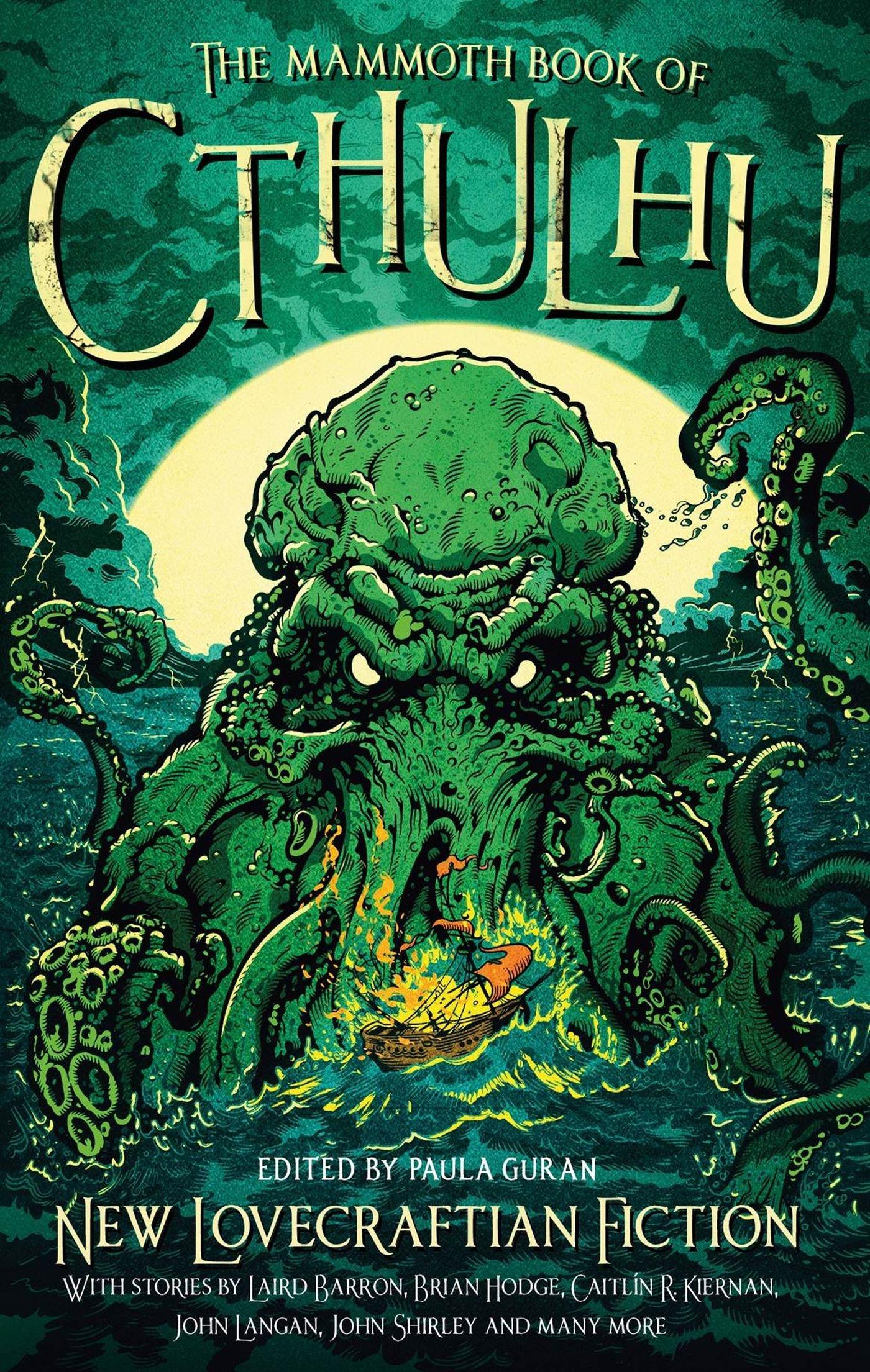
The Mammoth Book of Cthulhu-smallWithin The Mammoth Book of Cthulhu, masterfully edited by Paula Guran, you will find a plethora of bewitching stories. Plenty of brilliant writers who contributed their talents incorporate Lovecraft’s universe into their tales. Others invent their own worlds and wink at the Godfather of weird literature.

One went so far as to sum Lovecraft up in a biography. In her piece “Variations on Lovecraftian Themes,” Veronica Schanoes shines an unforgiving light on Lovecraft’s racism and Anti-Semitism. That’s not to say Lovecraft has no redeeming qualities. Schanoes notes, for example. how he nurtured countless young writers through letters.

Contradictions abounded in Lovecraft’s life, and no one understands this more than Schanoes. Having thoroughly educated herself on her topic, her research delivers a punch to the gut. It makes you wonder if you can go on loving a writer knowing they valued hate.

On the subject of loving writers, you could say “A Shadow of Thine Own Design” by W.H. Pugmire is a love letter to Lovecraft. The story begins in the infamous city of Arkham. A young man named Malcolm Elioth meets an old woman named Edith Gnome. Ms. Gnome possesses a piece of artwork by the notorious Richard Upton Pinkman. Once the painting appears in the story, Lovecraft’s shadow looms over the stage. Yet, Pugmire makes the world his own by amplifying the grotesque power of the painting. The stunning description of Ms. Gnome’s baroque hell house shimmers off the page. Though Lovecraft’s beloved city and legendary painter play important roles in the tale, Pugmire constructs his own universe around them. And that’s what makes this tale so enjoyable.

Look no further than “Legacy of Salt” by Silvia Garcia-Moreno for an equally enjoyable piece. When Eduardo reunites with his relatives, who live in what seems like a time capsule, he desperately yearns to return to his lover in Mexico City. But Imelda, his enchanting and backward cousin, stabs a hook into his flesh. Their sordid waltz around their attraction is only one part of the story. The ancient rituals of Eduardo’s relatives, dating back to the time of the Aztecs, sear themselves into your memory. It’s not easy breaking away from a spiritual bond as strong as this one. Moreno-Garcia knows this well. This story haunts you.

Read More Read More