Maps, Doors, Dreams
I love maps.
I’m not talking about the Tolkein-esque pseudo-quaint maps that seem required in a certain kind of fantasy. I mean real maps, new, old, or ancient, representations of the things in the landscape that had meaning for their makers. I love maps of places I know and places I don’t know. When it’s a place you know, I suppose the pleasure lies in re-experiencing the familiar in a new way. Like looking at a Google Earth view of your neighborhood: hey, there’s the park, there’s the coffee shop corner, there’s my front porch. When it’s a place you don’t know, there’s romance in visualizing it, there is charm and mystery in the unfamiliar place names, you can feel transported to a new land in the way the best fantasy does. Maps both tell you where you are, and take you to a place you’ve never been, sparking your longing to explore. …

 This week I turned my eagle eye toward the Nebula-nominated novellas, and when that didn’t work I actually read them.
 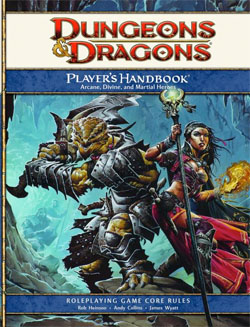 Fourth Edition Dungeons and Dragons has been with us for about a year now; long enough for the gaming community to get a pretty good taste of it. I’ve been hearing various reports from gamer friends about the system, and opinions of it have fallen across a roughly tripartite spectrum, from favorable to neutral to negative. Among these views, though, there is agreement that this isn’t the same old Dungeons and Dragons. Fans of Fourth Edition sometimes call it a “transformation,” or point out, “This time around they didn’t have any sacred cows. They were ready to change anything.” Critics have generally agreed that “It might be a game some people like, but it’s no longer D&D.”
 More snarking and snarling at the expense of the stories nominated for this year’s Nebula Awards, this time directed at those in the “novelette” category.