Richard Stark’s Parker, Part 6: The Man with the Getaway Face
 |
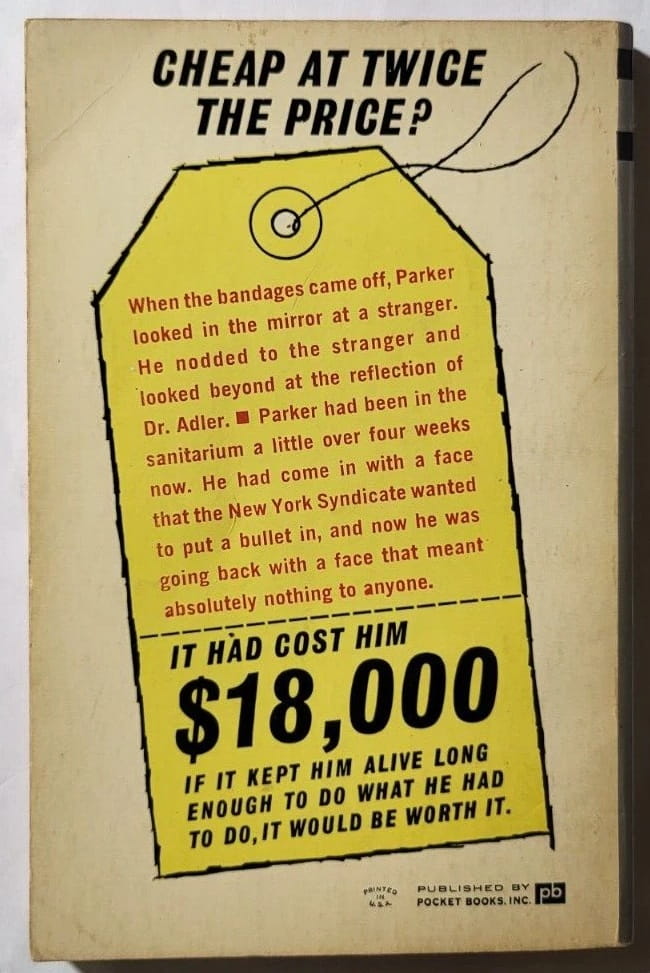 |
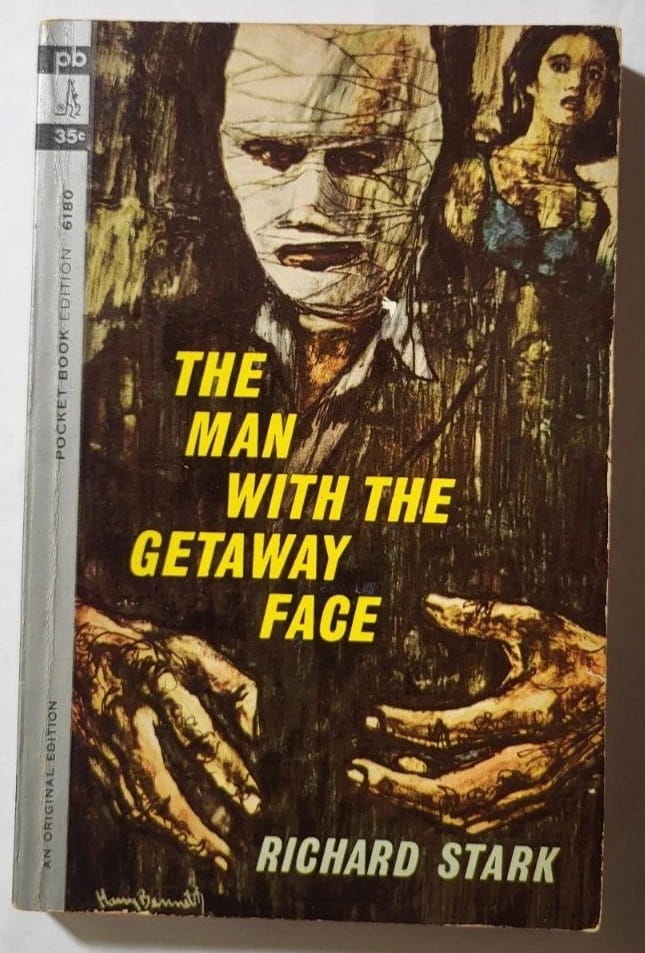
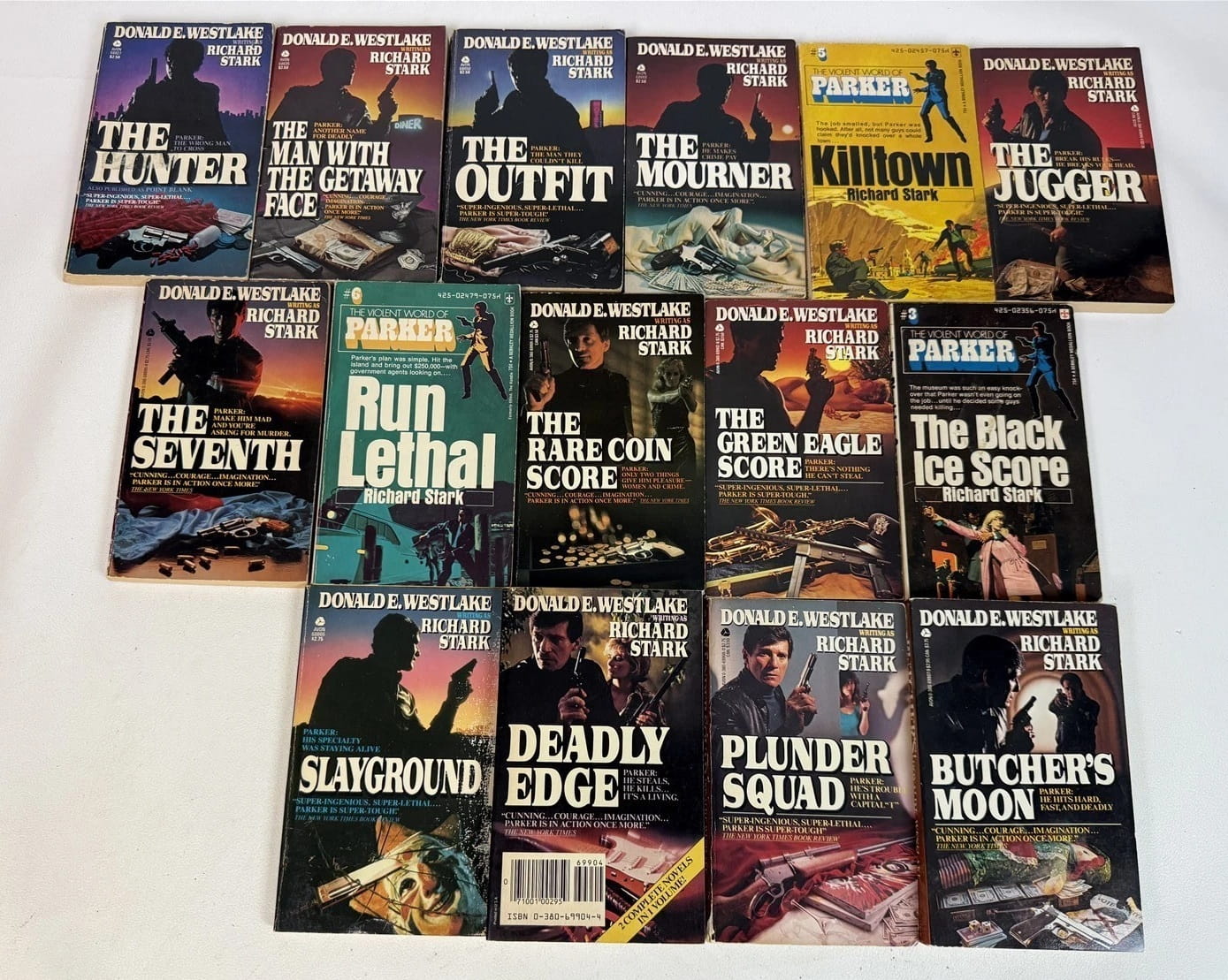
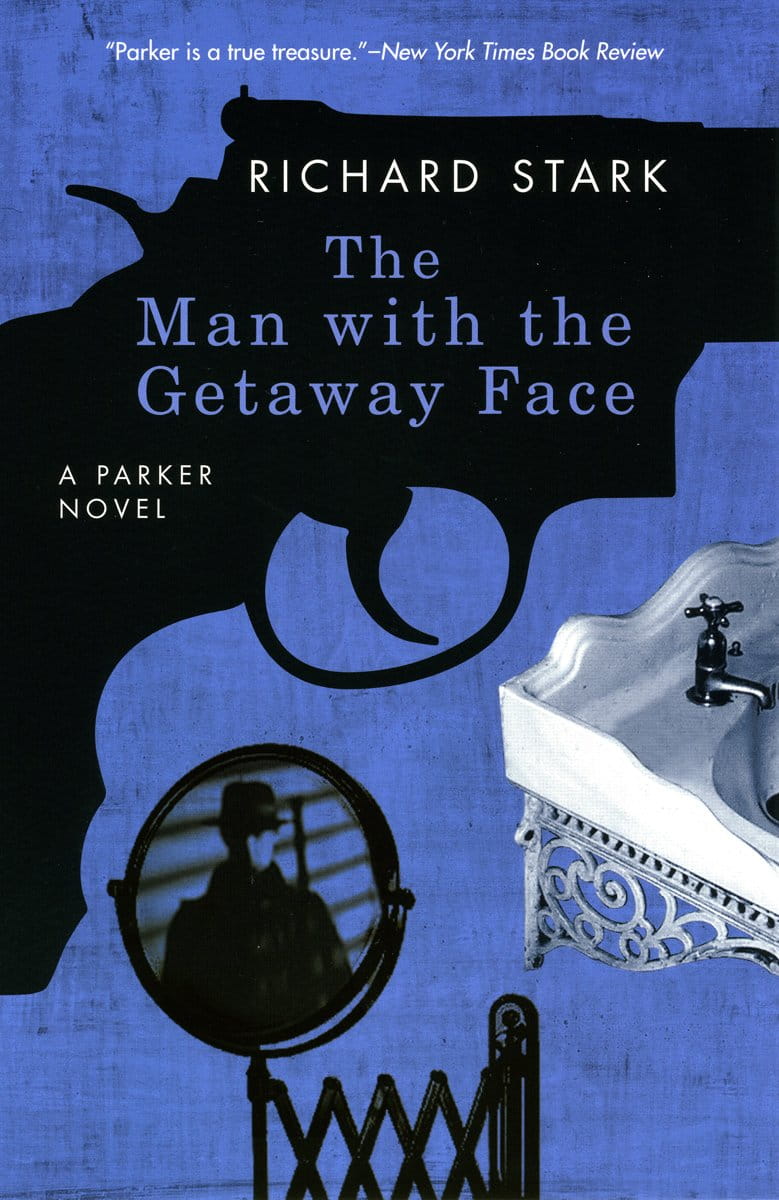
The second Parker novel: The Man With the Getaway Face (Pocket Books, 1963)
What is it?
Parker has gone to a lot of trouble and expense to get a new face. Now he has to fight to keep his identity hidden, while also planning and executing an armored car heist.
A treacherous waitress and a punch-drunk former boxer complicate those matters tremendously.
This is Volume 2 of Richard Stark’s “Parker” series of crime novels. It is also the second part of the unofficial Outfit Trilogy, the first three books in the series, in which Parker goes up against an organized crime syndicate.
It’s also the Parker novel with by far the longest title in the series.
It was written after Richard Stark’s (Donald Westlake’s) publisher asked him to keep the character around, and write more books featuring him. Westlake went back and changed his original ending of The Hunter so that Parker survives and continues on his mission to make the mobsters that are after him back off!
The middle part of what is essentially a three-part story arc, this is a critically important book for those wanting to get a better feel for how Parker operates. There’s a lot of what I call “Parker Business” in this one. He spends a lot of time on the road. He stashes money at cheap hotels and nice ones. He interacts with various characters around the country who provide him with various services. Stark also explains to us why Parker doesn’t just kill people willy-nilly.
 |
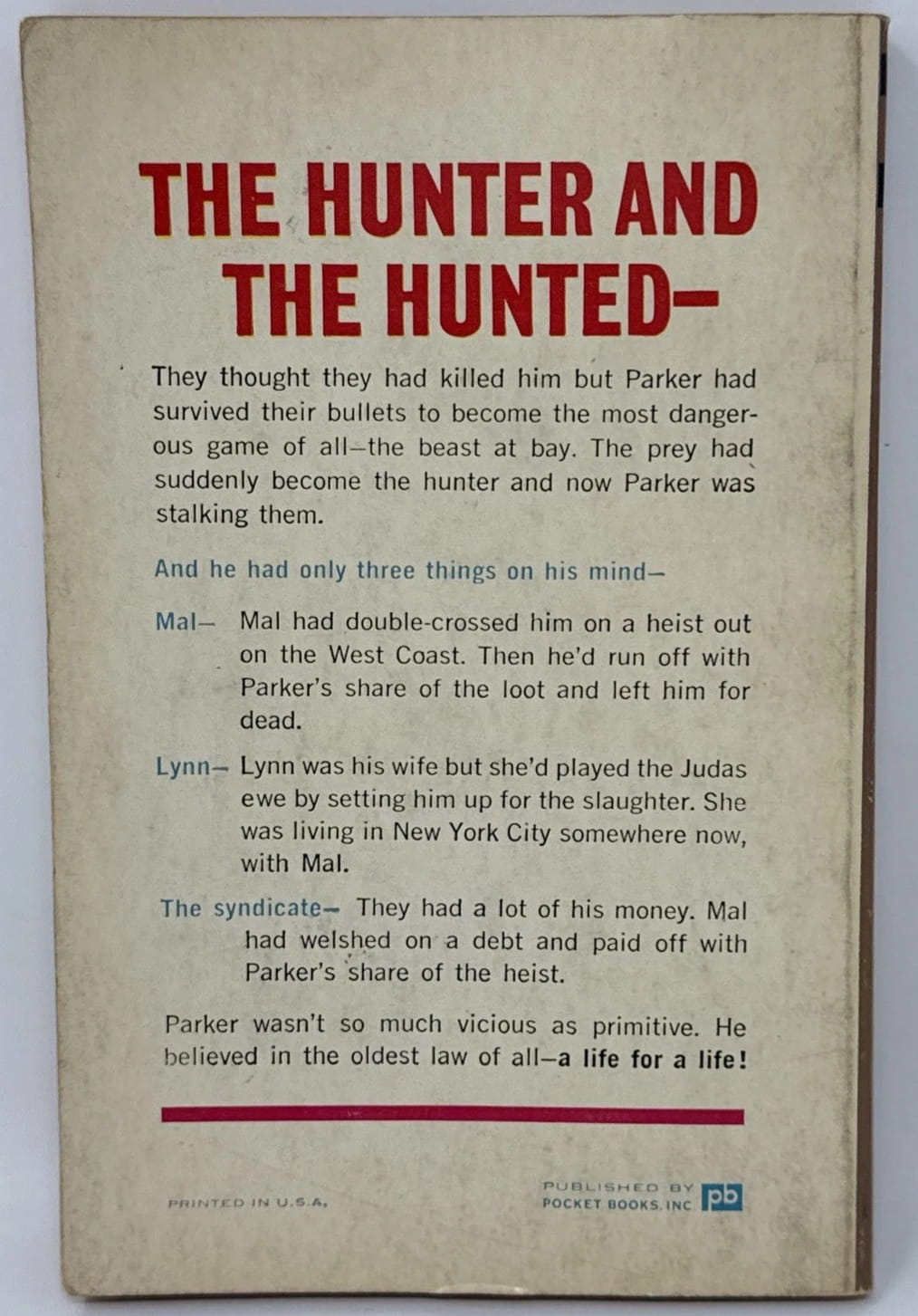 |
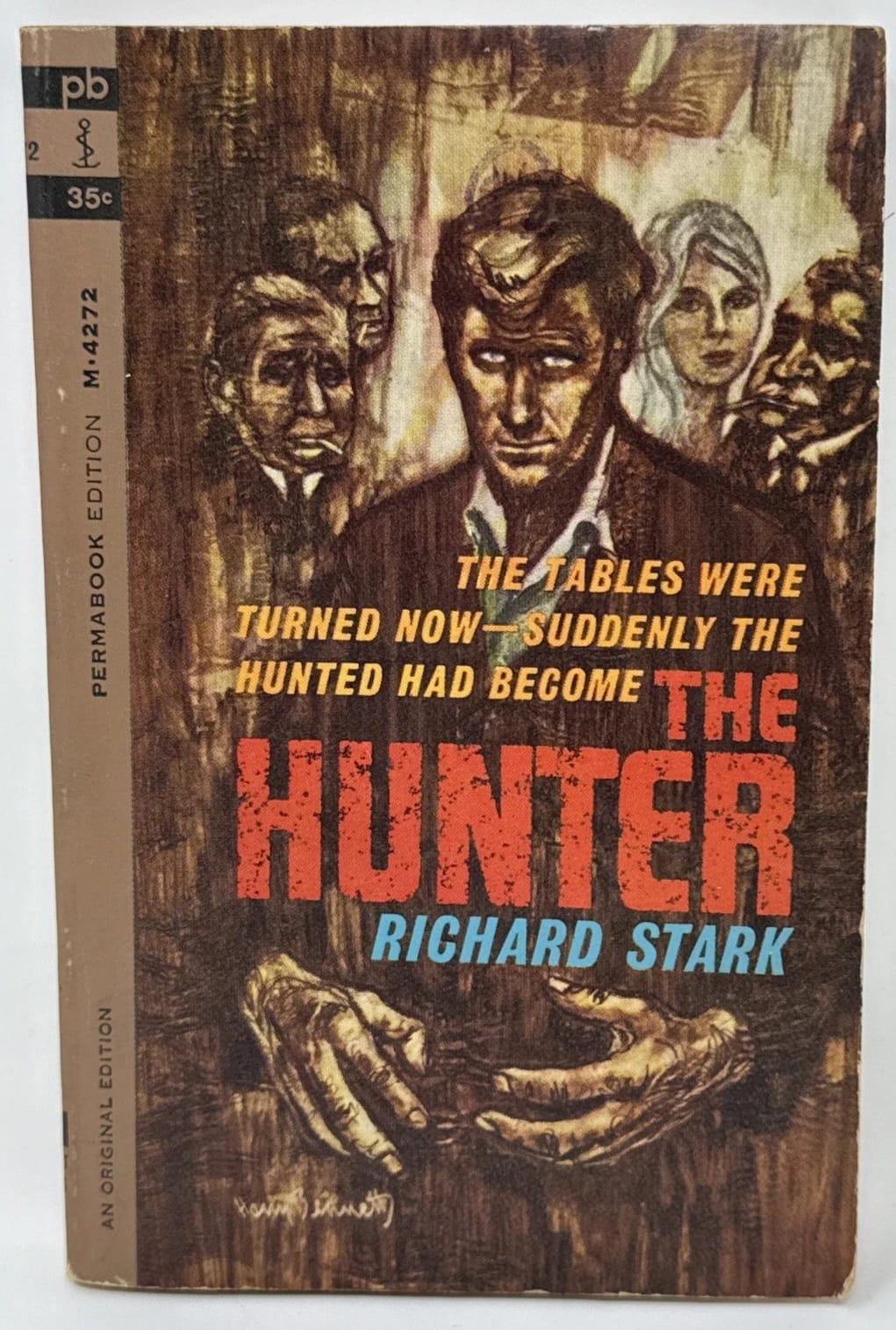
Parker’s first appearance: The Hunter (Pocket Books, 1962)
Quick and Dirty Summary
This novel consists of two unrelated sets of events that only intersect because of Parker’s involvement in both. Fortunately, both are a good bit of fun.
Parker pays a plastic surgeon to change his face, so the Outfit will no longer recognize him. Afterward, needing money, he reluctantly agrees to take part in a relatively low-paying armored car robbery.
The job was suggested to one of Parker’s occasional accomplices by Alma, a waitress at a diner, who sees the armored car stop there regularly. Upon meeting her, Parker immediately doesn’t like or trust her. He quietly investigates and realizes Alma plans to betray the rest of the string and take off with all the money for herself.
During the build-up to the heist, the plastic surgeon’s bodyguard, Stubbs, shows up. He tells Parker that the surgeon has been murdered by one of his recent clients – and Parker was one of them. Stubbs is traveling around the country, visiting each former client in turn, to find the killer. Parker convinces the guy, a former boxer who suffered some brain damage, of his innocence. But Parker also realizes that if the real killer (or someone else) murders Stubbs along the way, no one will report to his partner, back at the clinic, causing her to release damaging information about Parker’s new identity. It’s therefore in Parker’s interest to keep the guy alive. But he can’t have him running around loose. So Parker holds him prisoner in a dark and clammy fruit cellar for two weeks while they prepare to execute the heist.
Just after the heist’s conclusion, Parker discovers Stubbs has escaped. The rest of the story follows Stubbs – now sick from his time in the fruit cellar – on the trail of the real killer, and Parker on the trail of Stubbs.
The Objective
Parker’s first objective is to rob an armored car that stops at a diner regularly.
His second objective is to track down Stubbs, the bodyguard of the murdered surgeon who created his “getaway face.” This situation grows more complicated as the story progresses.
The Adversary
In the heist portion of the story, the adversary is Alma, the waitress who proposed the armored car robbery to Parker’s associate, Skim. A truly unlikable woman, Alma plans to betray the others and try to take all the money for herself.
In the rest of the novel, the adversary is Charles F. Wells, a wealthy man who may or may not have killed the plastic surgeon, thus sending Stubbs across the country on his mission. Wells barely appears in the book, but his brief moments on stage are memorable.
The String
Handy McKay makes his first appearance, but not his last.
Parker has worked with Skim before, and doesn’t seem to think much of him.
Alma the waitress begins as part of the string, but she has other plans.
Others of Note
Stubbs, a former boxer (and communist organizer – ?!) who suffered brain damage and now works as a bodyguard for a sort of outlaw plastic surgeon, is one of the more interesting and sympathetic characters Stark/Westlake ever created for a Parker novel. He’s not as dumb as he seems. You can’t help but kind of like him – even when he comes at Parker with a two-by-four!
Later in the story, Parker encounters a trio of colorful characters back at the clinic that he rightly describes this way: “You people are morons!”
Parker is more likable in part because he doesn’t just kill every person who annoys him, and Stark/Westlake addresses the reasons for that in this very book. That said, there are times you wish he’d just massacre a whole crew of annoying people. This is one of those times.
The Complication
There are two major complications: Alma, the waitress who wants to double-cross Parker’s string, and Stubbs, the bodyguard who first thinks Parker killed his employer. Parker has to deal with each of them in turn, and neither situation resolves quite the way you expect. Usually, the more frustrated Parker gets, the more fun his books are to read.
Adaptations
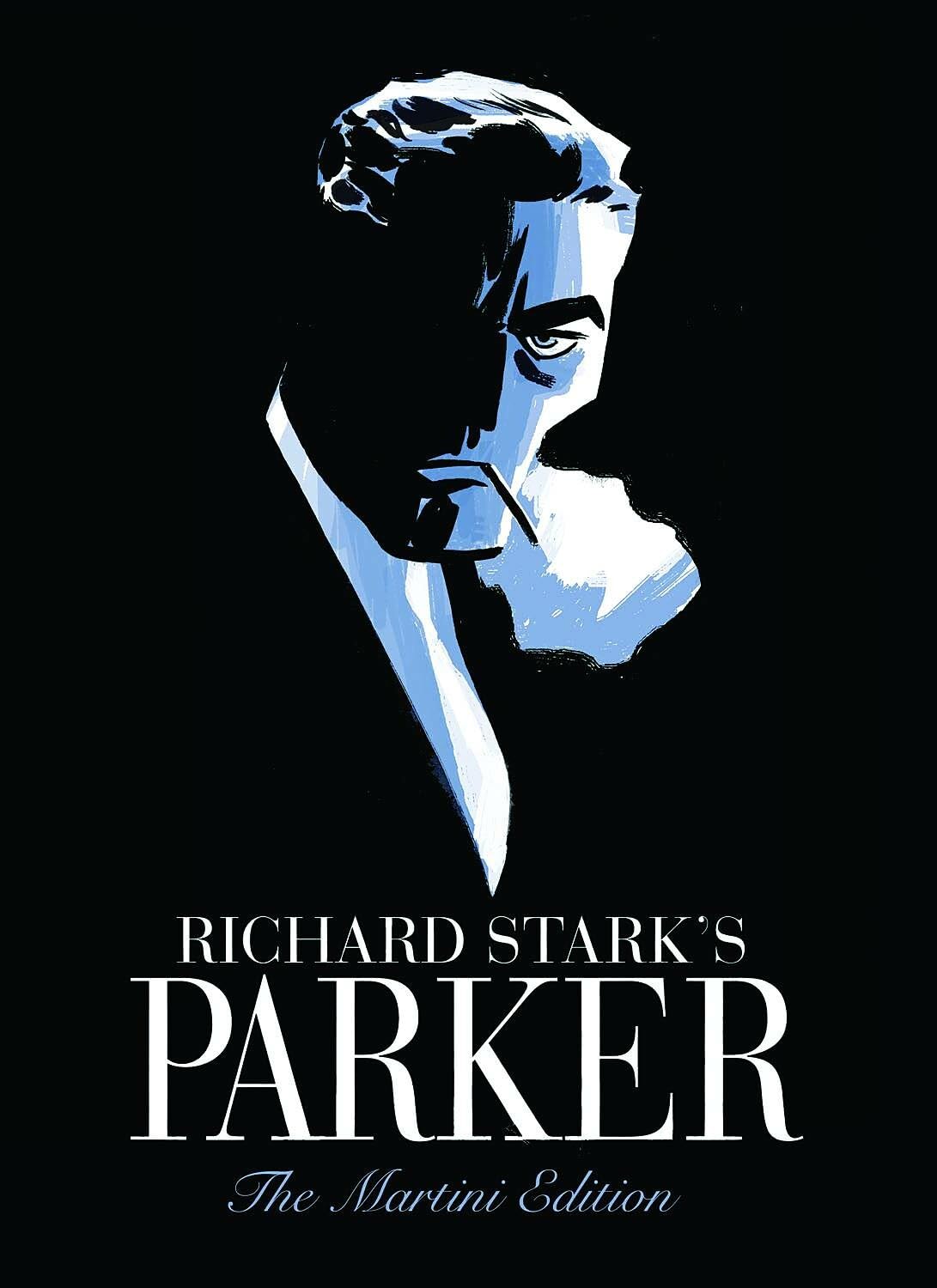
Darwyn Cooke adapted part of this novel into a 22-page bonus feature accompanying his full adaptations of books one and three, included in The Martini Edition, Volume 1.
Cooke’s short adaptation focuses almost entirely on the armored car robbery and Alma. The characters of Stubbs and Wells do not appear.
To my knowledge, this is the only time this novel has ever been even partially adapted into another medium.
How Parker is Parker here?
(With a 1 being he bakes cookies with Claire, and a 10 being Slayground):
I am awarding this book 8 Parkers.
Parker is much more like the character we know here than he was in the first book. And we experience a lot of Parker’s legendary frustration when dealing with other people, because hardly anyone recognizes him as Parker after his plastic surgery at the beginning of this book. He is forced to explain over and over that it’s really him, and demonstrate knowledge only Parker would have.
Thankfully, by the end of this book, most of his associates know he looks different now, and he only has to do the whole “ask me something only Parker would know” bit a couple of times in the third book.
Other Notes
It’s remarkable how Stark can make even the most mundane actions riveting when Parker is doing them. In this book, for example, he inspects an old truck engine, and then drives up and down the East Coast, stopping at various little hotels for the night, and you absolutely cannot look away from any of it.
Quote
“He came in holding his arms like a man who’d taken a correspondence course in judo.”
Subjective Rating
7/10
Follows
Vol 1: The Hunter
Followed by
Vol 3: The Outfit
Van Allen Plexico is a multi-award-winning author, member of the SFWA, and a Pulp Grandmaster. Among his many novels are the Harper & Salsa crime series, set in the Sixties and carrying something of the flavor of the Parker books, beginning with the 2018 Pulp Factory Award-Winning Best Novel of the Year, VEGAS HEIST. See all of his work at www.plexico.net.
Didn’t really enjoy the whole cellar incarceration of Stubbs (though, that had me cheering for Stubbs as he works through his escape), since it seemed pointlessly messy, when Parker was demonstrating a lot of efficiency otherwise. Greatly liked the interdiction of Alma’s cross. And the detail about how the coins got treated, shortly afterward, was pretty fascinating.
The first couple of times I read this book, I really didn’t care for the Stubbs plotline at all. Something about reading it through this time caused me to find him to be a more interesting character. I think it shows that even Parker can make bad decisions when he’s got too many things going on at once. Under other circumstances, he would probably realize it was a bad idea to stick the guy in the fruit cellar forever and expect him to be okay.
I think my favorite part about this book, upon the most recent rereading, was all the little details about Parker going about his business around the country. I don’t know exactly why, but Westlake was very skilled at writing extremely simple prose about mundane activities and yet—because it’s Parker doing those things—it keeps you on the edge of your seat.
There’s more of that in the next book, too.
You’re probably right about the proof of Parker being capable of bad decisions. I’m through book six, so far, and though there have been none so egregious as Stubbs-in-the-cellar, there have been a few more moments moments I would consider tactical errors on Parker’s part. Keeps him human.
Westlake certainly has enormous talent in description and nuance of the ordinary. It makes me think of that writing teacher exercise that challenges the students to write about the most exciting thing ever, and then the most boring thing ever, and compares the two narratives for how interestingly they read. For me, though, it’s the observations of the people that get full attention. When it’s Westlake alone describing the people, there’s a gritty, usually unpleasant tangibility about them. But when it’s Westlake describing what Parker sees of the people, the tone gains a spiky, oozy ethereality, and I can’t yet tell whether the author is trying to set Parker up as a reliable or unreliable judge of people in his reality. A certain horse-faced waitress (I think she’s in this one) comes to mind; how did Parker get all of that as a *life-pattern* out of observing her for a few hours of a day over coffee? Is he preternaturally attuned to humanity? Is he bound by his own prejudices to such a degree that he assumed some of it? How much is good info versus working theory? That’s where I can’t look away– from the people.
For sure. But, upon your sixth or seventh read-through, you just might find yourself tuning into other aspects of the writing and the story more. 🙂
No doubt! 😁