Fresh Blood: Todd Grimson’s Stainless
Vampires, of all the residents of the Kingdom of Fright, are uniquely vulnerable to the revisionist impulses of writers and filmmakers. People just don’t turn the same tricks with mummies or werewolves or ghosts that they do with the Nosferatu. I’m not sure why this should be so, but I do think it’s true.
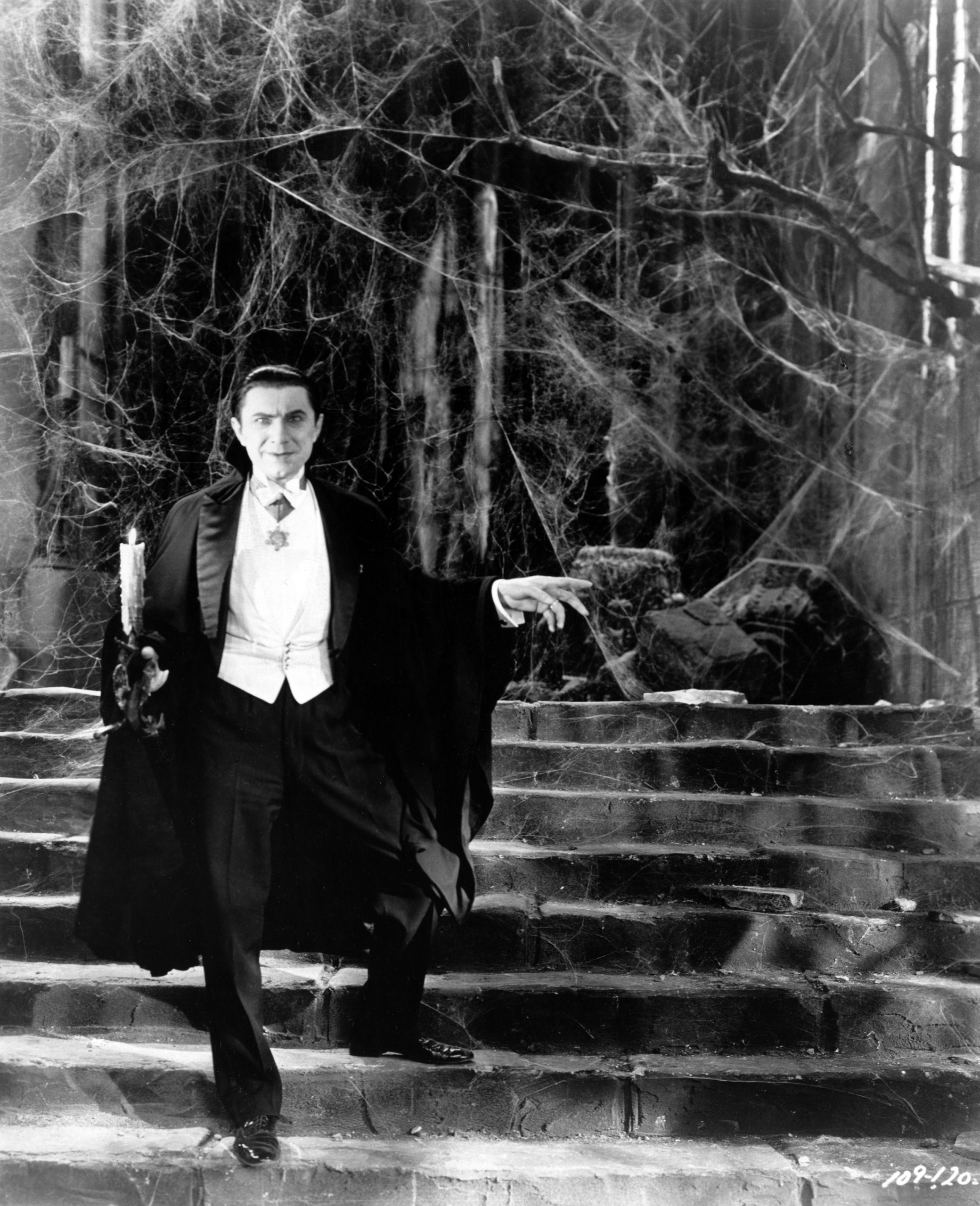
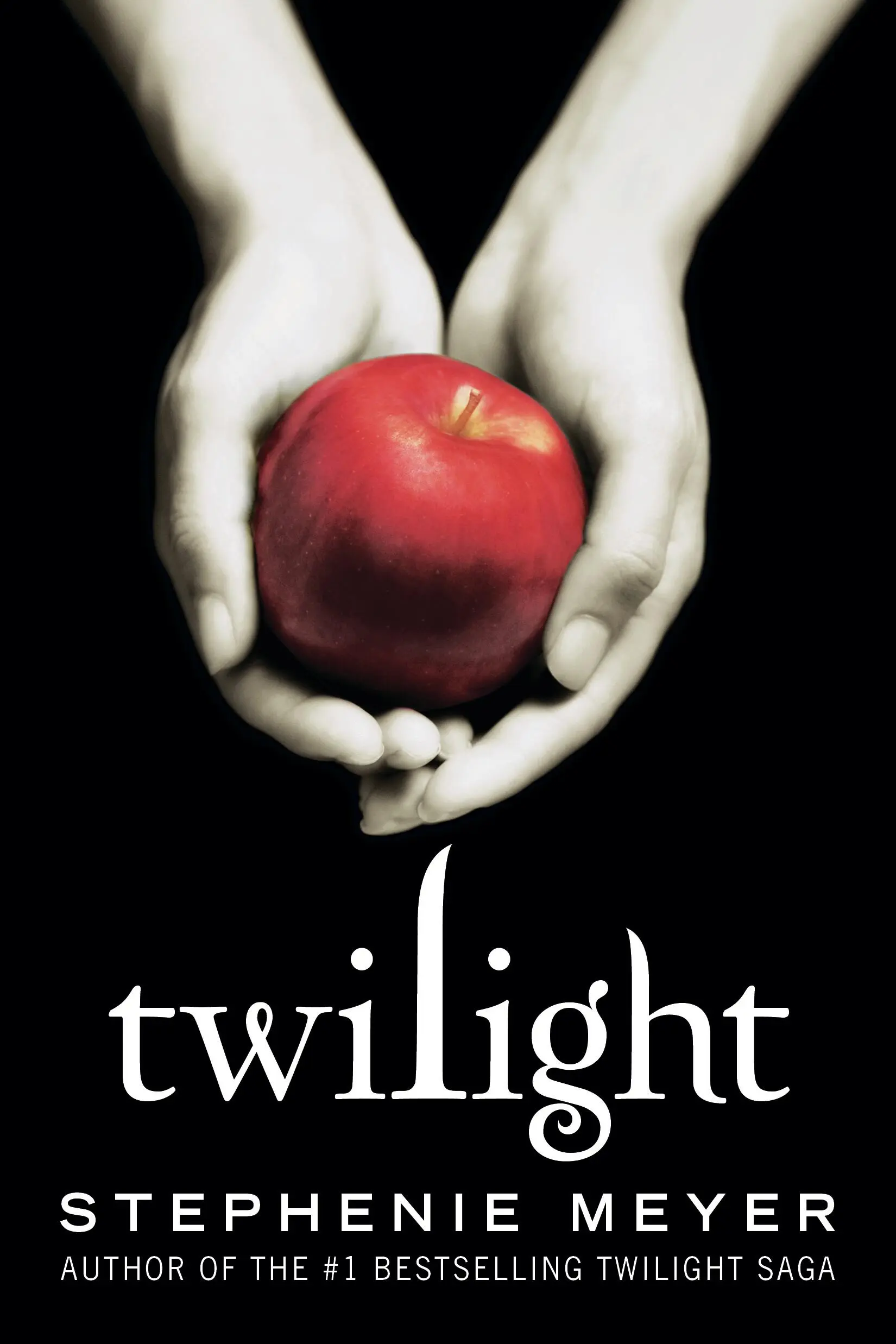
This is a problem for me, though, because with monsters, I’m a traditionalist. (I want a ghoul just like the ghoul that buried dear old dad, as we used to say on the playground.) My stodginess is especially firm when it comes to the undead. When the sun goes down over the Carpathians, give me Bela Lugosi or Christopher Lee any day (or should I say, night); I want none of this Near Dark, Lost Boys or True Blood nonsense, and as for Twilight, please – Black Gate is a family-friendly site, and we’re not allowed to use words like that. This is why Salem’s Lot is my favorite Stephen King novel; its steadfast old-fashionedness warms the cockles of my heart, right where the stake would go through. (By the way, what the hell are cockles?)
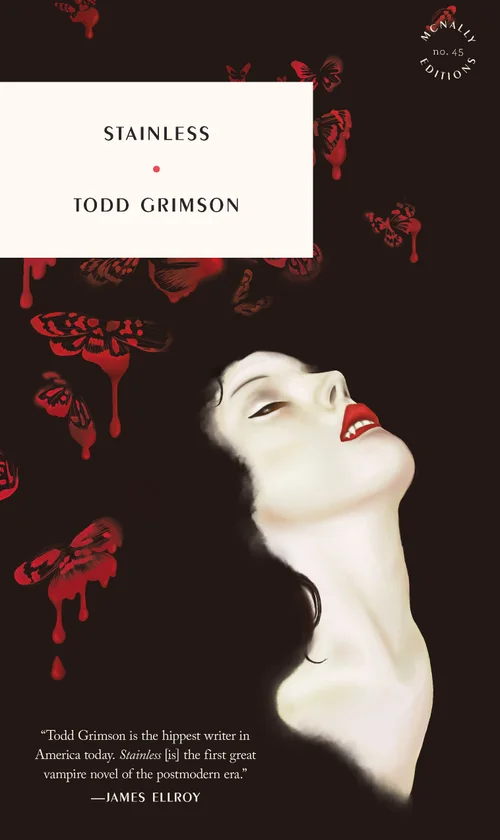
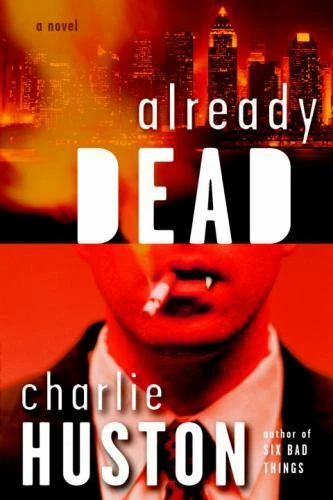
The only exception to my reactionary streak is Charlie Huston’s Joe Pitt novels. Beginning with 2005’s Already Dead, these books depict a modern-day Manhattan overrun with warring vampire clans, and they’re done with such violent verve that I can’t help loving them. Actually, Huston’s series is the only exception until now, because this year, for my October scary season reading, I took a chance on Todd Grimson’s vampire novel Stainless. It’s about as revisionist as you can get, and it absolutely blew me away.
First published in 1996 (Grimson himself died just last year) and recently brought back into print by McNally Editions after being unavailable for a decade and a half, the novel is set in Los Angeles during those apocalyptic years right before the new millennium, an LA of punk music clubs, trendy lesbian bars, and decaying west side mansions that go back to the early days of Hollywood. It’s a city peopled by affluent professionals, entertainment and music industry people and their hangers-on, corrupt cops and unscrupulous PI’s, disaffected, disillusioned kids… and the odd vampire or two.
Justine is one of these. Born and bitten in medieval France, for many years she lived in a cave, guiltily isolating herself from her former species, taking the minimum amount of blood that she needed to survive, starving herself as a kind of penance. By the time Stainless opens, she has come to terms with her condition, living in a luxurious Bel-Air home and going out at night to satisfy her need for blood. She conducts herself with great care, very rarely killing, usually picking up victims at bars or clubs and taking just enough blood to keep herself going, leaving her “donors” little the worse for wear and with no memory of the encounter afterwards, nothing but an odd wound in an odd place, often behind the knee. (Vampires can exert hypnotic power over their subjects and can increase their control by injecting people with a kind of venom — the more venom, the deeper and longer-lasting the spell.)
Justine is not alone, however — she has someone to drive her around at night and conduct any other business that needs to be attended to (like disposing of what’s left of the luckless trio of homeboys who pick the wrong house for a home-invasion robbery). Her “Renfield” is Keith, a former rock guitarist whose career was destroyed when his fingers were broken by his dead girlfriend’s criminal ex-boyfriend, who (unjustly) blamed Keith for her suicide.
Starting as a pick-up and a victim, some subtle two-way sympathy has made Keith more than a tool or servant to Justine. Any hypnotic control has long since worn off, and they are true companions, friends, and eventually lovers. (Yes, Virginia, humans and vampires can have sex. Very hot sex.)
First and foremost, Stainless is a no-holds-barred vampire novel; it’s full of all the (naturally modified) vampire lore that any horror fan could want. These undead have no problem with mirrors, crosses or garlic, but sunlight is absolutely deadly to them (and an ultraviolet flashlight is also something to be avoided at all costs, as we find out at a key moment), and they can also be killed by a stake to the heart or a bullet to the brain (or by beheading), just like anyone else, though shooting or stabbing a vampire in other places doesn’t have much effect, and they heal very quickly. Someone killed by being drained by a vampire will rise as a vampire three days later if their body is kept out of the sun.
A doctor friend of Keith’s named Tamara that Justine comes to trust attempts to understand vampirism scientifically (she thinks it may be a kind of blood disease), but not much comes of these investigations, and the question of whether the condition is ultimately natural or supernatural is never answered.
The book has plenty of bloody violence and one smashingly effective scene right out of a late-night movie on Monster Chiller Horror Theater – an affluent couple of semi-sleazy LA types discover a hidden door in an old house, opening on a dark corridor that leads to a secret room… in which they find an oblong box wrapped around with chains, which they (of course) decide to open. You know exactly what’s coming out of that box, as you silently (or maybe not so silently) shout, “Stop! Don’t do it! Don’t do it!!” Unfortunately for Chase and Sabrina, people in books can’t hear you any better than people in movies can.
What comes out of the box is David, a vampire created — almost by accident — by Justine in the 1920’s (he had been a minor silent movie star) and imprisoned for twenty years by some disaffected followers. When he’s released by those necessary fools that every horror story needs, he’s understandably in a bad mood and very hungry. David is out for revenge on the people who put him in his box and also on Justine, whom he nurses a special grudge against, though she barely remembers him. (With his unbounded ego, that’s probably why he hates her so much.)
While Justine retains her essential humanity (or as she continues to think of it, her soul) even as a vampire, by continuing to exercise kindness, mercy, and empathy, David is truly a monster, a narcissistic creature of unbounded selfishness and cruelty. He quickly gathers to himself a group of the lost and unmoored kids that wander the City of Angels, enslaving and torturing them, making them helpless instruments of his warped will. (He ensnares them by telling them that he’s making a movie. Of course that’s what he would tell them. David and his nihilistic Southern California “family” inevitably bring the Mansons to mind, as I’m sure Grimson knew they would.) Vampirism hasn’t corrupted David; it has merely given him the power and the freedom to more fully be what he already was — vain, depraved, and very, very dangerous.
Through a fortuitous conjunction of circumstances (one of David’s slaves is a young woman who had earlier met Keith and had become curious about his odd lifestyle) David finds out where Justine and Keith live (he is especially enraged by the fact that she actually seems to care for this worthless human), and the book ends with the inevitable bloody confrontation between the two opposing groups. (Joining Justine and Keith are Tamara and her boyfriend Patrick — who is also in on Justine’s secret, and who has an ultraviolet flashlight in his pocket. He must have been a boy scout.)
Despite all of the vampire trappings — no, that isn’t quite fair; Stainless is, as I said before, a vampire novel, fully and unapologetically — the heart of the book is the relationship between Justine and Keith, two severely damaged people who find their only healing in each other. In other words, they love each other, a love that is made more difficult — and more admirable — by the enormous difference in their natures. It’s a huge chasm to bridge but bridge it they do; they have no one else in their world who could possibly even make the attempt. In the final crisis, each is unhesitatingly willing to die for the other, and while the ending may not be “happy” (and what fool would expect one? The kind who would open a chained box in a secret chamber, I guess), the conclusion is deeply satisfying and very moving.
Stainless is written in the cutting-edge postmodern style of the time of its composition, with everything slightly distanced; sentences, paragraphs, and chapters are often missing the more obvious linkages found in more conventional fiction, resulting in an atmosphere that is appropriately unreal, disconnected and druggy. In lesser hands the method might seem pretentious and affected, but Grimson uses it so skillfully that it seems perfectly natural, and when the book was finished, I felt that it was the only way the story could have been told. Though the edgy style of thirty years ago is so much a product of its singular time and place that it has a slight whiff of bygone days about it (often the final fate of the ultramodern), that actually works in the book’s favor, emphasizing the strange nature of the tale.
In the end, this striking novel is both a hair-raising, sanguinary vampire horror, and an achingly human story with an emotional payoff that most genre stories rarely provide. It has my highest Halloween recommendation, and even though a stick-in-the-blood… er, mud, like me should resent having to modify one of his foundational crotchets, in this case I’ll gladly do it, and place Stainless on that shadowy shelf that contains the true horror classics, right next to Dracula itself. Give this book that refused to stay buried a try and see if you don’t do the same.
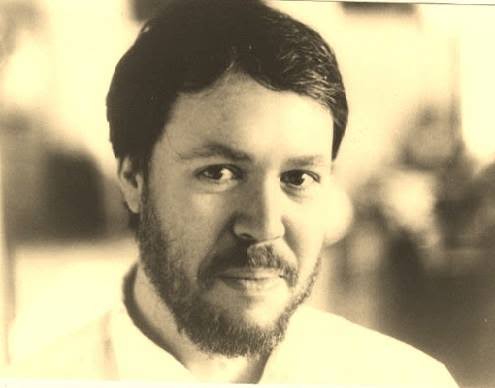
Thomas Parker is a native Southern Californian and a lifelong science fiction, fantasy, and mystery fan. Now retired after decades corrupting the next generation as a fourth grade teacher, he collects Roger Corman movies, Silver Age comic books, Ace doubles, and despairing looks from his wife. His last article for us was The Unfinished Monument: The Steranko History of Comics