Richard Stark’s Parker, Part 3: Why Can’t Anyone (Except Darwyn Cooke) Get Him Right?
In the first two installments of this series, we looked at the master criminal known as Parker, and at his creator, Richard Stark, the pseudonym Donald E. Westlake used when writing spare and stark but hard-hitting prose.
Now let’s look at some of the many attempts to bring Parker to a wider audience.
The novels are extremely popular with a segment of the population, and so studios and directors have come calling from time to time, with attempts to adapt the character and his stories to film.
But they never quite get Parker right.
Hollywood insists on “humanizing” Parker. That’s their first and biggest mistake.
The way Westlake portrays Parker in the books is barely recognizable as human. He’s more like a robot – in the Terminator sense of the word! — or a wolf.
Removing that “otherness” quality from him, so that he will be more “relatable” and “realistic,” takes away the very thing that makes him appealing. It’s like having Mr. Spock on Star Trek tell jokes. We like Parker because he’s a ruthless, single-minded automaton. We don’t want to understand his motivations and get to know his feelings. We want to point him at an objective and watch what inevitably happens next.
Parker fans endlessly debate the movies. Were they good?
When looked at as generic crime stories, they’re mostly okay.
Did any of them come close to accurately portraying the Parker character from the books?
No. None of them. Not at all.
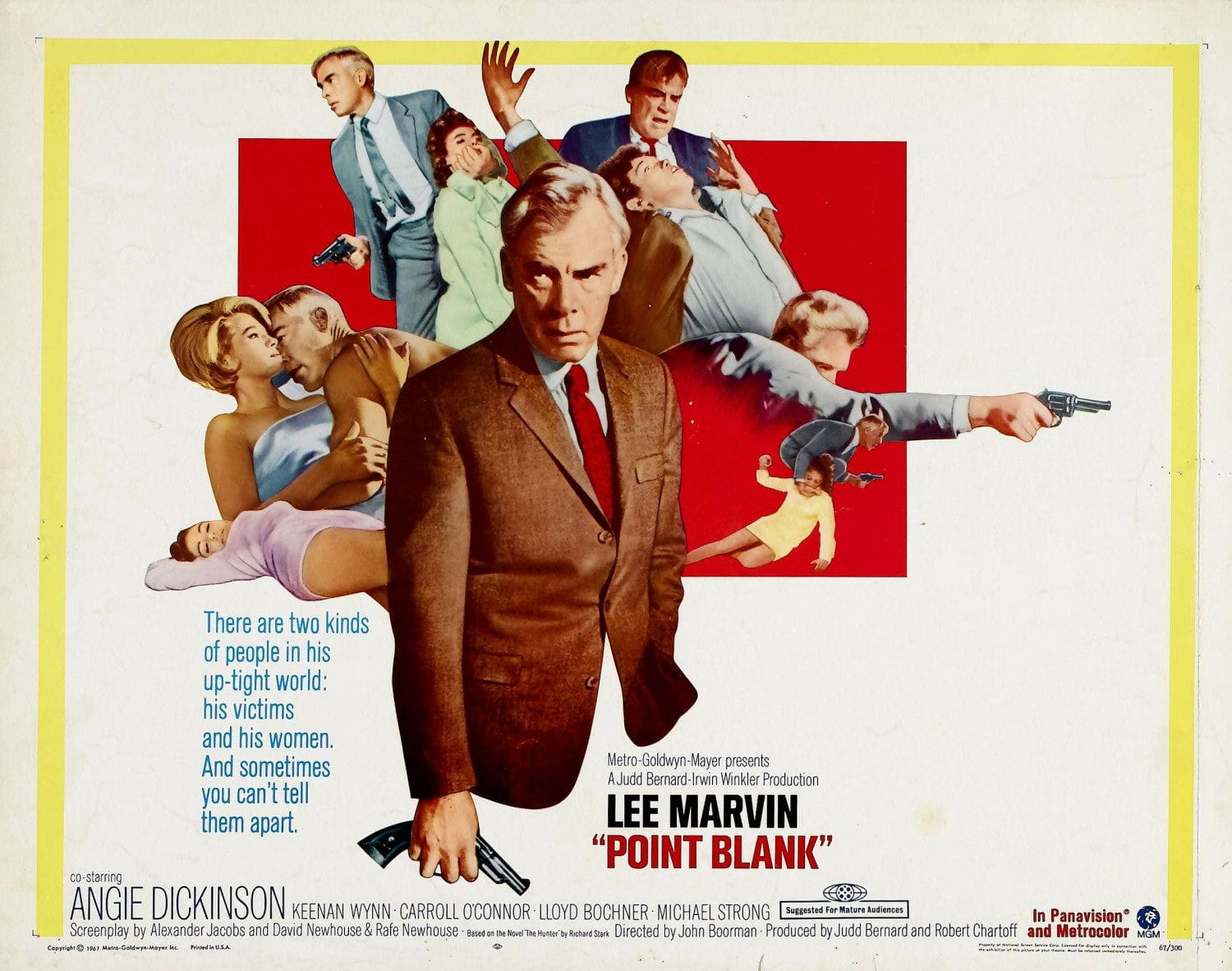
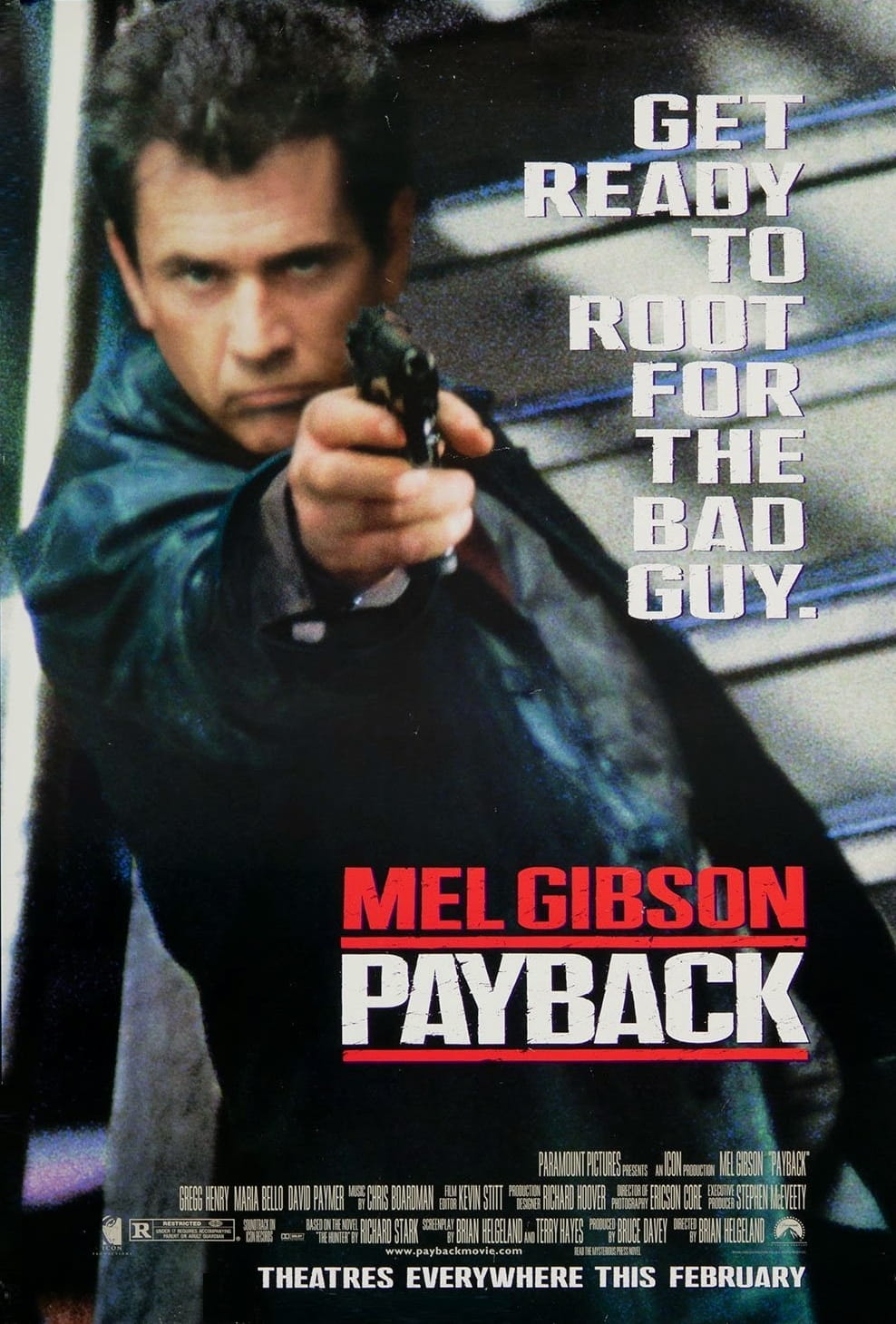
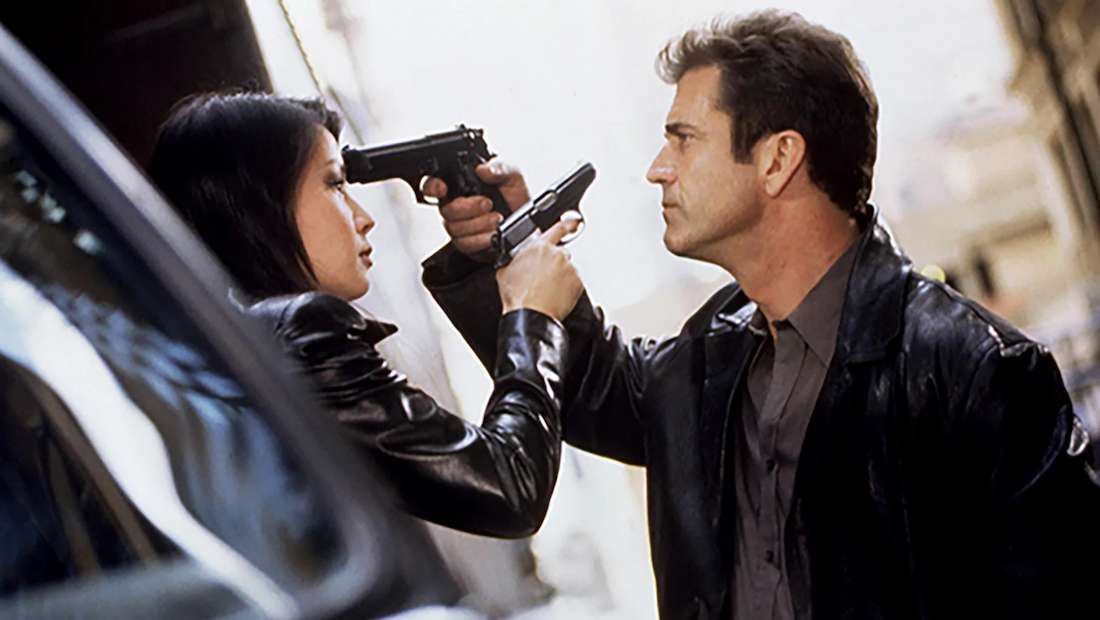
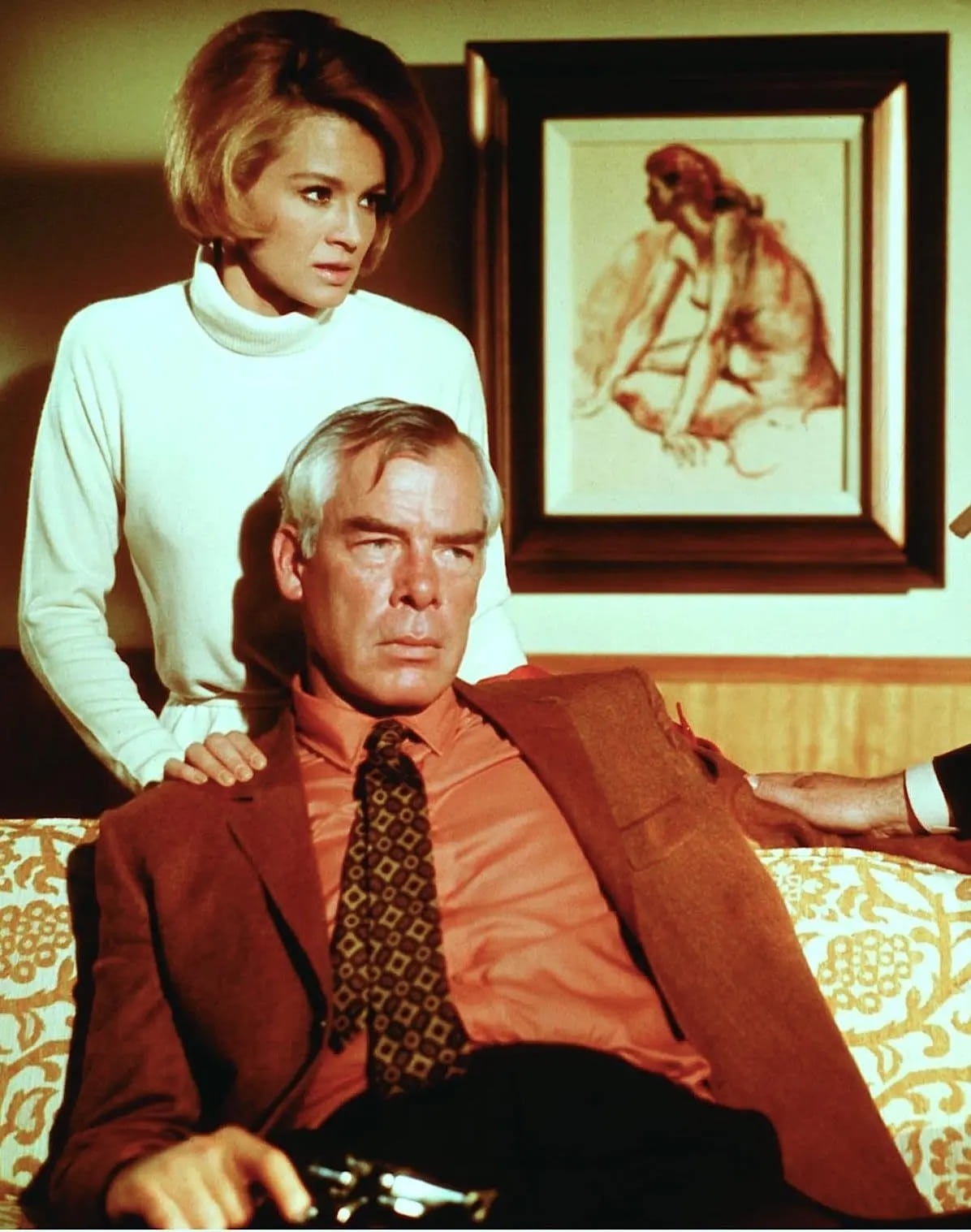
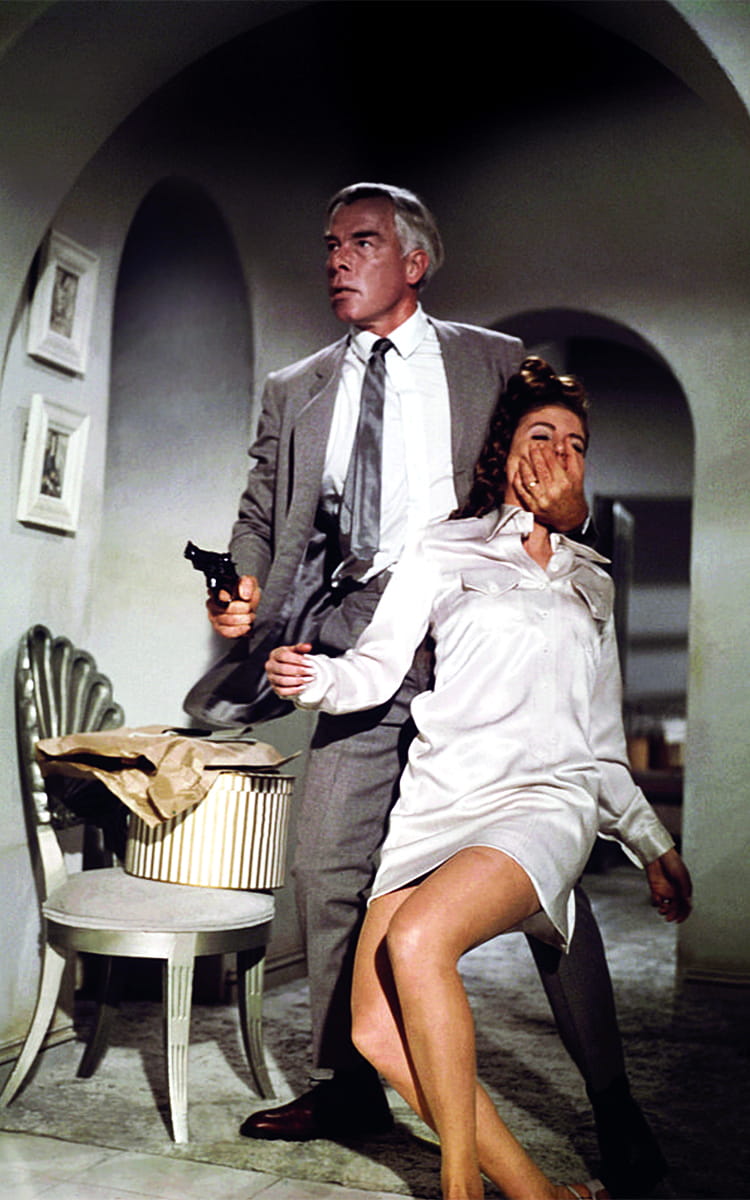
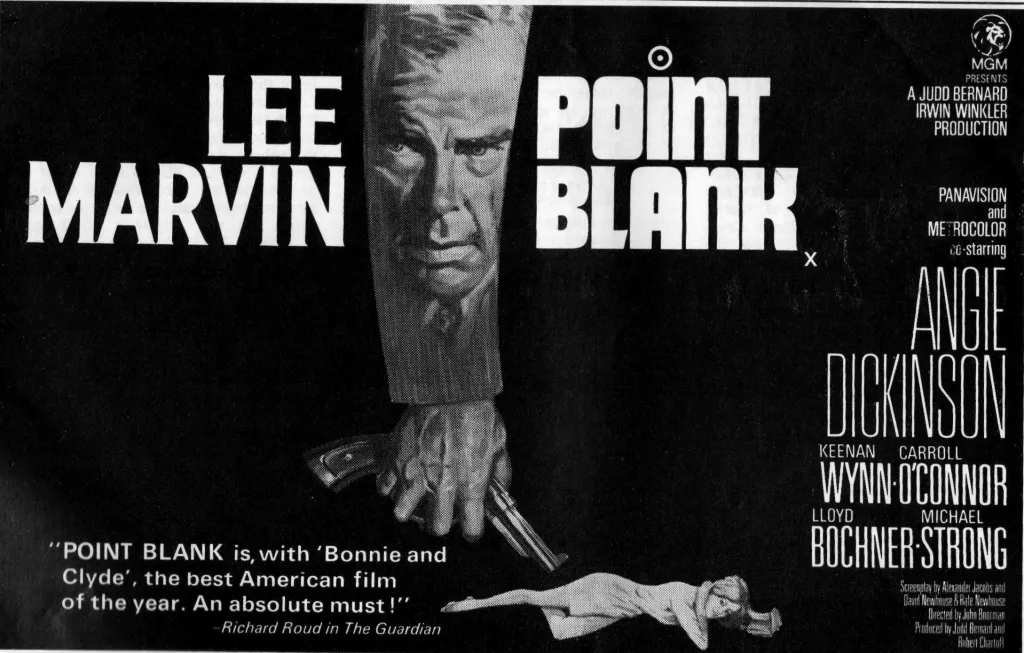
The literary version of Parker is at least somewhat recognizable as the lead character in Mel Gibson’s Payback (1999), directed by Brian Helgeland, and Lee Marvin’s Point Blank (1967), directed by John Boorman. Both attempted to adapt Parker’s 1962 debut novel, The Hunter.
Lee Marvin conveys much of Parker’s attitude and personality (or lack thereof) in Point Blank. The story ranges a bit far from its source material; it’s hard to imagine Point Blank and Payback both sprang from the same story. But Marvin might have given us the most accurate portrayal of Parker on film.
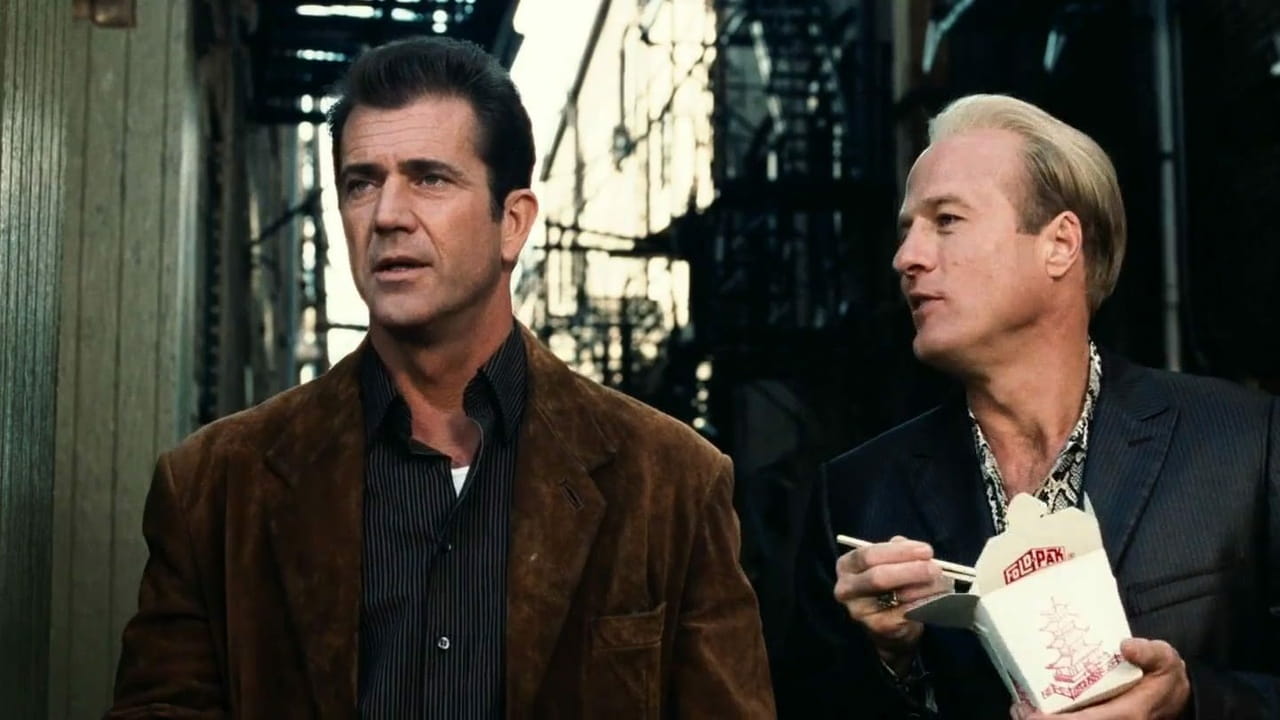
Arguably the most entertaining Parker adaptation is Mel Gibson’s Payback. It’s a very fun movie, and does some interesting things with the time frame it presents for us. A 1999 film, it was shot in a sort of washed out grayscale tone, and anachronistic items like rotary phones pop up here and there, giving it something of a timeless feel.
Gibson conveys Parker’s confidence and professionalism, but gives him a quirky, humorous, world-weary persona that doesn’t fit at all. It’s fun to watch, but – again – it’s not our Parker.
One thing the Gibson movie nails is Parker (or, in this case, “Porter”) insisting on being repaid just the $70,000 his former ally turned antagonist, Mal, took from him. Even when he forces himself into an advantageous position against Mal’s high-powered bosses in the Outfit (the Mob), Parker/Porter limits his demand to that same $70,000. The bosses think he’s nuts to be going through so much trouble and pain for (to them) such a small amount of money. But that’s a very Parker thing to do: Only demand the money he’s owed, and nothing more. It’s not a “code,” it’s not him being “nice” — it’s him being a professional.
The filming of Payback was famously taken over by Mel Gibson and the studio, partway through, when they decided they wanted a more fun, action-packed ending than the original script provided. Everything involving the bomb under the bed, the interrogation-with-a-hammer of Parker/Porter (and his feet), and Kris Kristofferson’s son getting kidnapped – all that was brought in out of left field by Gibson to jazz up the ending.
And it does make for a fun movie, there’s no question about it. It just veers us a long way away from genuine Parker territory.
Fortunately, a few years later, we were given the chance to see what it would’ve been like if they’d stuck with the original script.
Helgeland’s Payback: Straight Up: The Director’s Cut was released on video in 2007. It adheres much more closely to The Hunter novel. It’s not quite as fun in the final act, but it does give us a more accurate portrayal of the main character and the story from which the movie came.
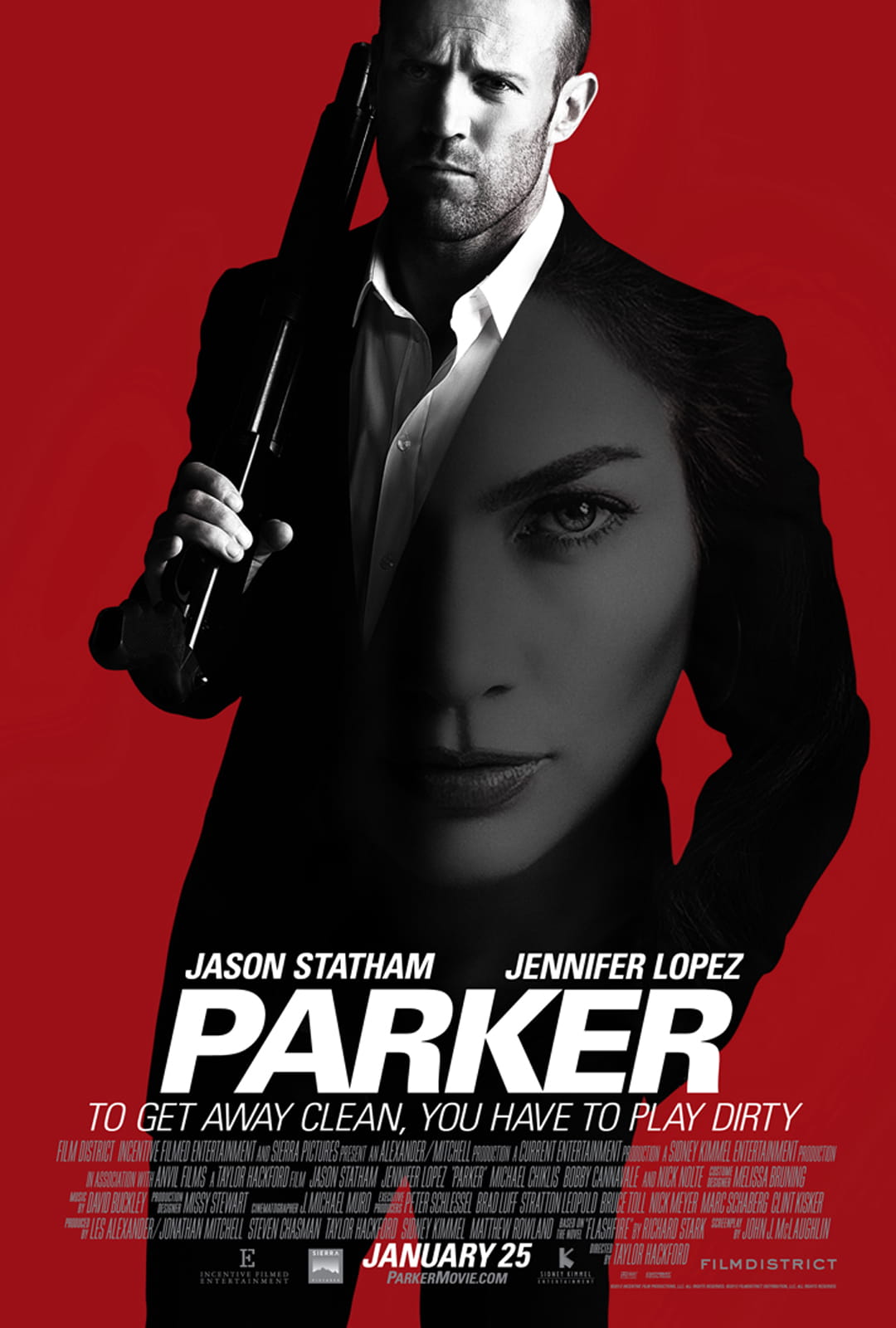
Parker is nowhere to be found, however, in Jason Statham’s Parker (2013), adapting the 2000 novel Flashfire. And that’s unfortunate, because it was the first film to secure the rights from the Westlake estate to use the actual name “Parker” for the main character. And it was directed by Taylor Hackford, an Academy Award-winner who famously directed An Officer and a Gentleman and Ray.
But Jason Statham has almost nothing in common with Parker. It’s like casting Jack Black as James Bond.
Hackford has Statham’s Parker explain a couple of times that he has a “code” he lives by, like a modern-day Robin Hood or something. “I only steal from those that can afford it,” etc etc blah blah blah.
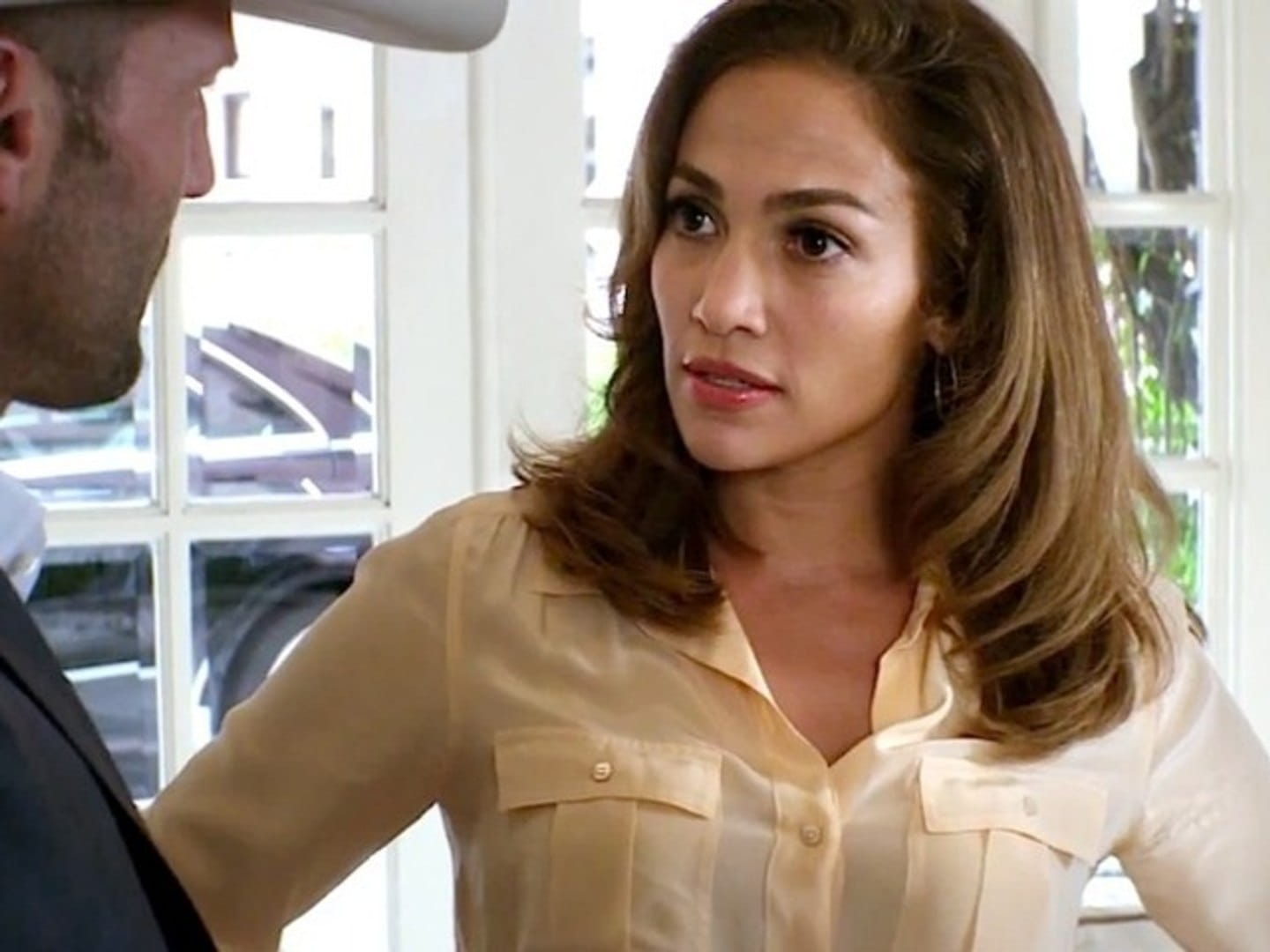
This is supposed to explain, among other things, why Parker lets Jennifer Lopez’s character live, and why he shares the money from the heist with her.
No! The only reason he lets her live and sends her some cash is because she was effectively part of his “string” for that job, she held up her end of the deal, and therefore she earned it.
The only “code” Parker has is to respect a co-worker and see to it that they get their share. That’s it. Time and again in the books, Parker makes certain that every member of the string who contributes to the job gets their share of the loot. He does this because they earned it, and he respects that. And it maintains his reputation, so good heisters will work with him again in the future.
There have been a few other movies over the years to attempt to adapt Parker, but those are the three biggest and best-known ones. And all of them, to one degree or another, failed.
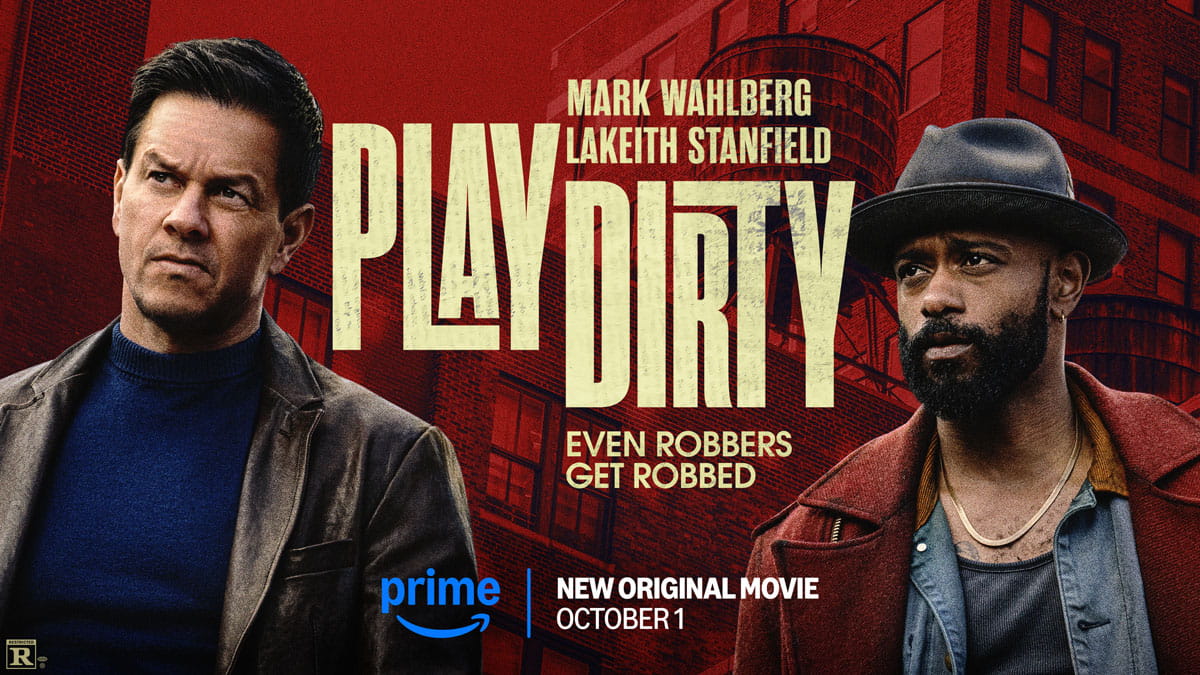
In 2025, Amazon Prime released Shane Black’s attempt at an original Parker story cobbled together from pieces of several of the novels. Play Dirty stars Mark Walhberg, in a part originally intended for Black’s old pal, Robert Downey, Jr., if you can imagine such a thing. It also gives us our first on-screen appearance of Parker’s occasional partner, Alan Grofield, here played by LaKeith Stanfield. Unfortunately, the less said about this turkey, the better. Not only is it terrible Parker — it’s not even a good generic crime movie.
But all hope is not lost. Great adaptations of Parker’s books into another medium do exist. And that is thanks entirely to the late Darwyn Cooke.
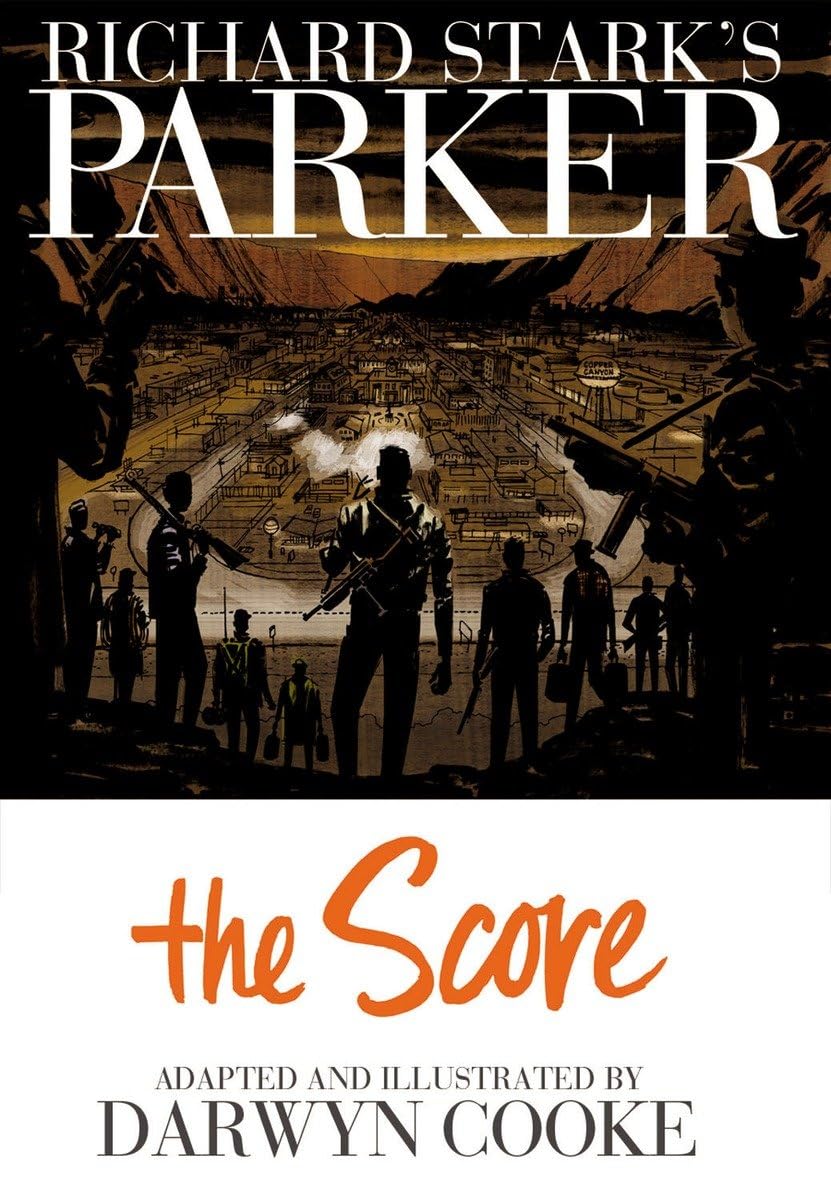
By far the best adaptations of Parker’s stories can be found in Cooke’s graphic novels, published by IDW beginning in 2009.
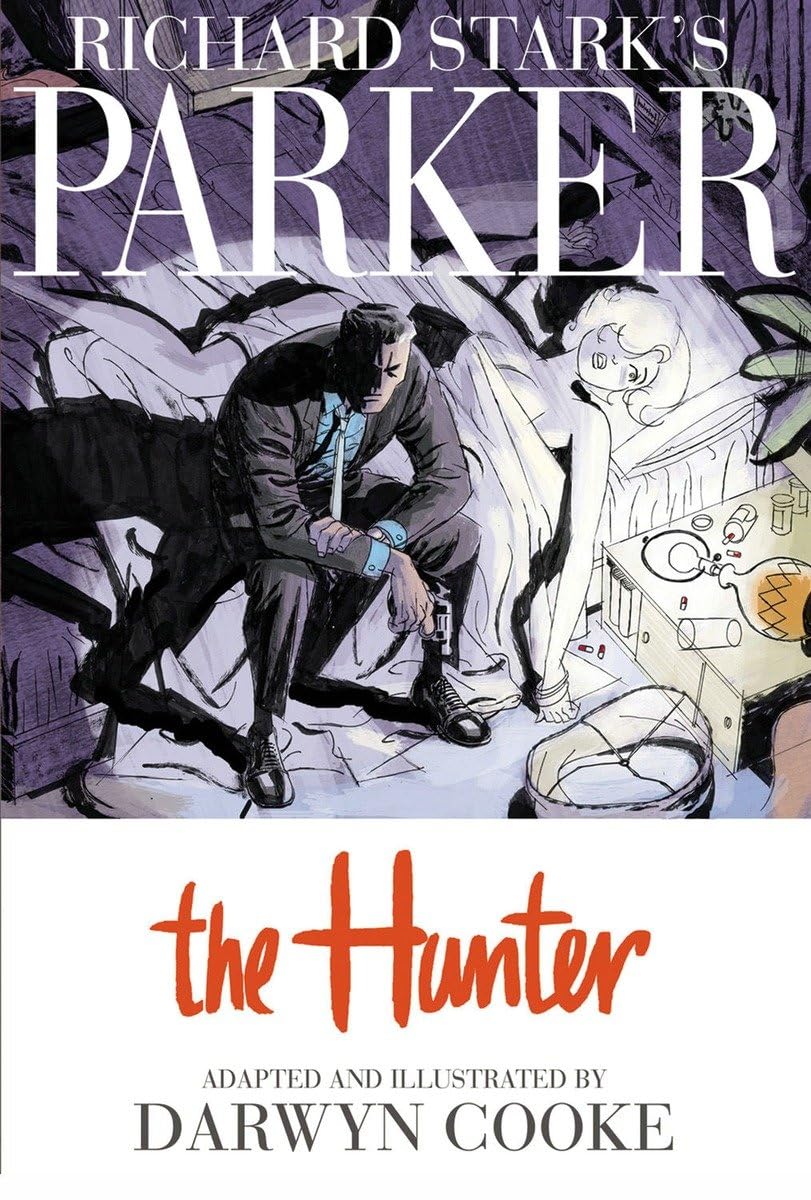
Cooke gets Parker. He understands the character perfectly. His art style fits Parker and his world to perfection. He doesn’t try to alter the character or the stories to be more “acceptable” to a broad audience. No “code of honor,” no sense of humor for Parker. In the graphic novels, Parker is Parker. He’s grim and determined and deadly. And it is glorious.
As Cooke himself said:
The movies…all run counter to the nature of the stories. I had to resist all the story training I got (working) at Warner’s, which is to amp it up, to stage it bigger, to make more of everything. In this case, to keep it down where it was.
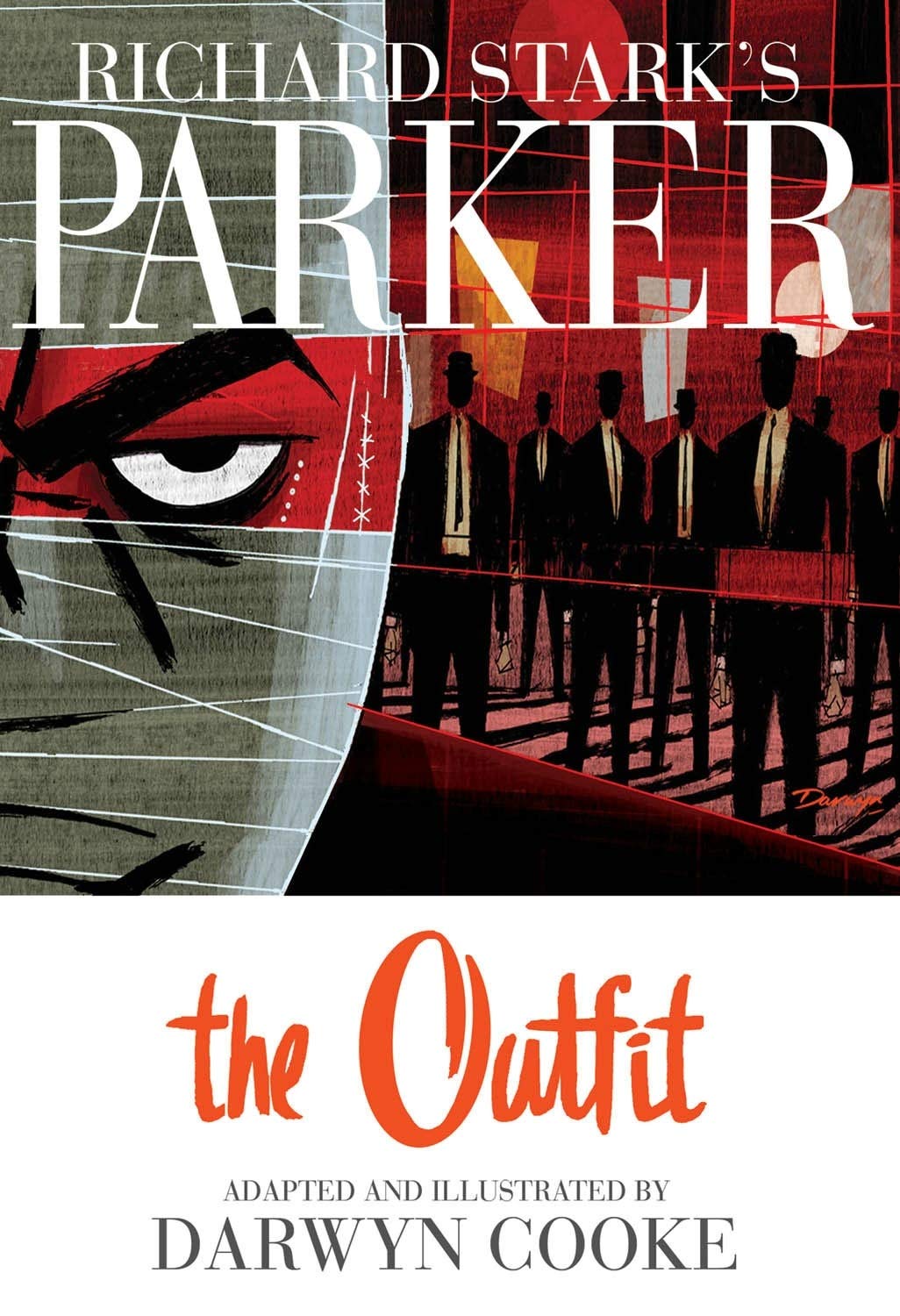
With regard to how he went about adapting Parker, Cooke later added:
I tried to strip out a lot of the things you would see in my more mainstream work. A lot of the details, the line work. I tried to break it down more into shapes and blocks of color. It allows you to get that film noir feeling from the images, but you have enough color there to give them some depth, sparkle, and life that it wouldn’t have otherwise. I really tried to create it in the spirit it was written.
We are so fortunate that Cooke was able to adapt, to one degree or another, six of the twenty-four books into the illustrated format.
And we are so unlucky that Cooke passed away in 2016, before he could adapt any more of them.
Next time we’ll look at the first novel in the series and the source of two of those movies, The Hunter.
In the meantime, go check out Cooke’s graphic novels from IDW. Better yet, read the books, starting with The Hunter. In 2008, the University of Chicago Press acquired the rights to the entire 24-book series and put them all in print together for the very first time; an accomplishment that should earn sainthood – and a share of the loot – for editor Levi Stahl.
But be warned: Once you’ve started with this series, it’s very difficult to stop.
Just like Parker.
Bonus: Just after the U of Chicago Press acquired the rights to publish the entire Parker series, I sat down for a conversation with editor Levi Stahl, who made it happen. He also compiled and edited The Getaway Car, a fine collection of Westlake bits and pieces mostly never before published.
Van Allen Plexico is a multi-award-winning author, member of the SFWA, and a Pulp Grandmaster. Among his many novels are the Harper & Salsa crime series, set in the Sixties and carrying something of the flavor of the Parker books, beginning with the 2018 Pulp Factory Award-Winning Best Novel of the Year, VEGAS HEIST. See all of his work at www.plexico.net.
I remember somewhere seeing Westlake say that the actor who looked most like the way he pictured Parker was Jack Palance.
Point Blank is a superb movie (Criterion just put out a very nice edition of it) and Lee Marvin gets reasonably close to the character, but I think someone could get closer, and the story is only vaguely connected to Westlake’s. The movie’s virtues are its own and don’t owe that much to the source character or story.
And it is indeed a huge loss that Darwyn Cooke didn’t do all of the books. His Catwoman story, Selina’s Big Score, has a very Parker-like character in it (the story is Parkeresque, too) and is very much worth seeking out.
You recall correctly. He liked Palance for the role. I personally never visualized Parker looking that rough and old. So my visualization has always leaned closer to Jon Hamm. I think Cooke’s version is somewhere between the two.
What John Boorman did in POINT BLANK has very little to do with the Westlake source material, though it’s a great film.
But Lee Marvin *was* Parker in the sense that the character is the ultimate blunt instrument, just physically bigger and tougher than anyone around him, and an unstoppable killing machine if you get on his wrong side. Marvin captured that — *was* near to be being something like that in real life —
https://en.wikipedia.org/wiki/Lee_Marvin#Military_service
Of course, the other thing about Parker is that he’s a blunt instrument with brains, and there was less of that quality in Marvin.
Ultimately, though, besides the fact that Hollywood films have heroes and Parker isn’t a hero, a serious problem with making a credible Parker film is that normal actors are too small and too pretty to play him. With a little thought, I could sort of see why you might think Jon Hamm could do it because I’ve seen Hamm in bad guy parts. But Hamm would need to look bigger onscreen, and even then he doesn’t really have that blunt instrument aspect.
I just watched Point Blank recently, possibly for the first time, and really enjoyed it. I had no idea it was based on a Westlake Parker book, however loosely.
I actually not that big fan of Cooke’s Parker. Well, I certainly believe he got Parker’s character right, but in the second volume I thought the art turned to cartoony for Parker (though I think it would have worked for Dortmunder, Westlake’s other thief.) That said I wonder what Cooke would’ve gone onto if he had lived. (I certainly enjoyed the New Frontier series for DC.)
Point Blank if I remember right had a messy plot unlike the original novel. Again, though it mostly got Parker’s character.
I guess like Conan, Parker is hard for other writers to get.
I want to say Cooke was planning to adapt Butcher’s Moon.
It’s not my favorite of the books, and it really is just a (much) longer version of The Outfit.
But it does bring back a bunch of the accomplices from the earlier books, so it surely would’ve been fun in his hands.
I’ll cover that novel later in this series, obviously.
Now this is interesting–and I forgot all about it until I saw my old FB post about it, just now:
A couple of years ago I rewatched Clint Eastwood’s “Escape from Alcatraz.”
At the time, I noted that his character, “Frank Morris,” might have been the closest thing to literary Parker we’ve ever gotten on the big screen.
Presumably I meant because of his cold, calculating persona as a criminal. His deliberate, level-headed way of going about his business.
Thoughts??
I watched Escape from Alcatraz for the first time in several years just about a year ago, and by God, you’re right – Eastwood’s Frank Morris is an almost perfect Parker!
This is an interesting thought. The character that Eastwood’s “Frank Morris” reminded me of was Patrick McGoohan’s “the Prisoner”—a resemblance that may have been intentional, given that McGoohan plays the Warden in the film.
The funny thing about McGoohan is that even when he played good guys, they were always still total A-holes!!
I’m a big enough fan of “Point Blank” to own both editions on Blu-ray but have never gotten around to the book although it’s still on my radar. Having never red Westlake I’m wondering if this is the book I should start with or if there’s another title you’d recommend. I think I’d like to approach his work without comparing it to a film that I love but is significantly different.
I’d love to read your thoughts on “The Hot Rock” film and book. I like the film a lot and have likewise been circling the novel.
*The Hot Rock* (novel version) is what made me a Westlake fan. The movie is good, too, but the book is better, as they trimmed some of the best material from the script. Redford was somewhat miscast as the not-quite-hapless Dortmunder, too. But the movie is so much fun it’s hard to carp at it.
Dortmunder is the anti-Parker. Dortmunder is almost completely human, whereas Parker is the reverse. Both experience mishaps in the course of doing the work, but they’re comic in the Dortmunderverse, tragic or brutal in the Parkerverse. Parker is a fictional character in the Dortmunderverse: a crew-member gets an idea for the caper in *Jimmy the Kid* by reading a never-written Parker novel called *Child-Heist*. The two series share some other DNA: Alan Greenwood in the Dortmunderverse is clearly the same character of Alan Grofield in the Parkerverse, etc etc.
It’s not a terrible idea, IMO, to skip THE HUNTER (at least temporarily) and go to book 2, THE MAN WITH THE GETAWAY FACE.
The Parker in THE HUNTER was intended to die at the end, except that the editor liked him enough to ask Westlake to change the ending and keep it going. (My review of that novel is coming soon!)
So the Parker in that first book is more brutal and less human (if that’s even possible!) than the Parker in the rest of the series.
And GETAWAY FACE is a very fun Parker story, building up to the climax of the opening trilogy in THE OUTFIT.
There was a movie based on “The Outfit”, but it made the same old mistake you mention about humanizing Parker. Robert Duvall played the Parker guy (here renamed Macklin). Duvall could have delivered a chilling Parker onscreen, but instead they tried to make him into a likable rascal… which is not the role Robert Duvall was born to play. An okay but unmemorable crime movie.
Parker strikes me sometimes as the evil twin of Hammett’s Continental Op. Both are ruthless, almost nameless, and primarily interested in getting the job done. It’s possible that people in the decision-making chain in Hollywood are out of touch with this kind of working-class hero, which is why there’s never been a good screen version of Parker or the Op, although their stories seem eminently filmable.
I was ready to argue with you over Payback as to that they at least got the character of Parker right, but that was before I read your article, now I agree wholeheartedly.
Cooke did to the best adaption hands-down and I’ve only read his Parker comics via digital format.
I never watched the Parker/Stratham movie. I started to, but just knowing Jennifer Lopaz was in it, was not a selling point for me. I couldn’t believe a movie about Parker would be a serious attempt with Lopaz.
I didn’t know about Play Dirty but apparently I’m not missing anything.
There’s also a few others, but I hadn’t watched any of them. I knew of The Outfit(73) and Slayground (83) and Google showed me another one, The Split (68). Maybe it’s old man syndrome, but I would expect movies from those era would’ve done a better job.
Honestly Jennifer Lopez is the best thing about that Parker movie, and she’s very close to the character in Stark’s FLASHFIRE book. The other notable thing about that movie is it’s the only one so far that included Claire, however briefly.