Another Classic Sword & Sorcery Anthology: The Barbarian Swordsmen, edited by Sean Richards (AKA Peter Haining)
 |
 |
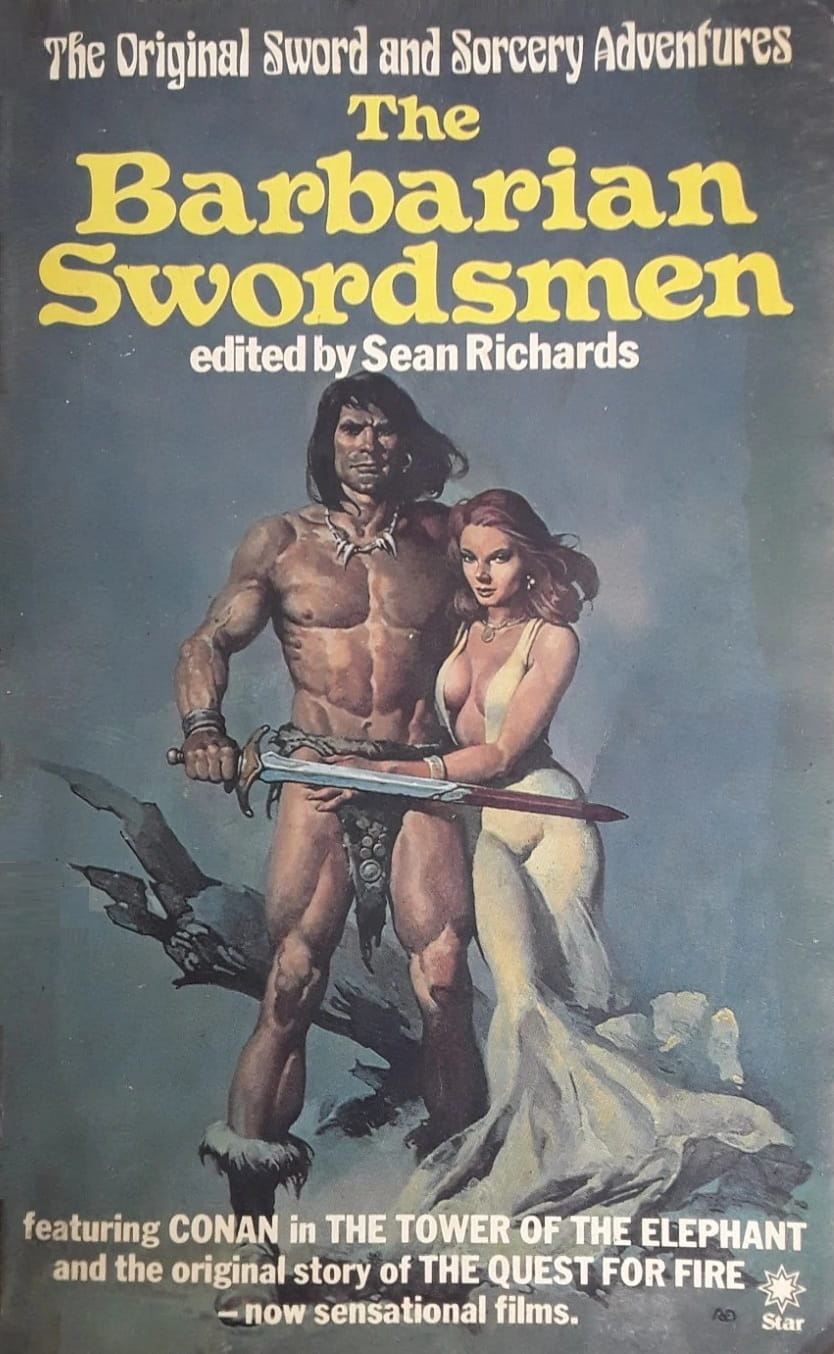
The Barbarian Swordsmen (Star, 1981). Cover by Gino D’Achille
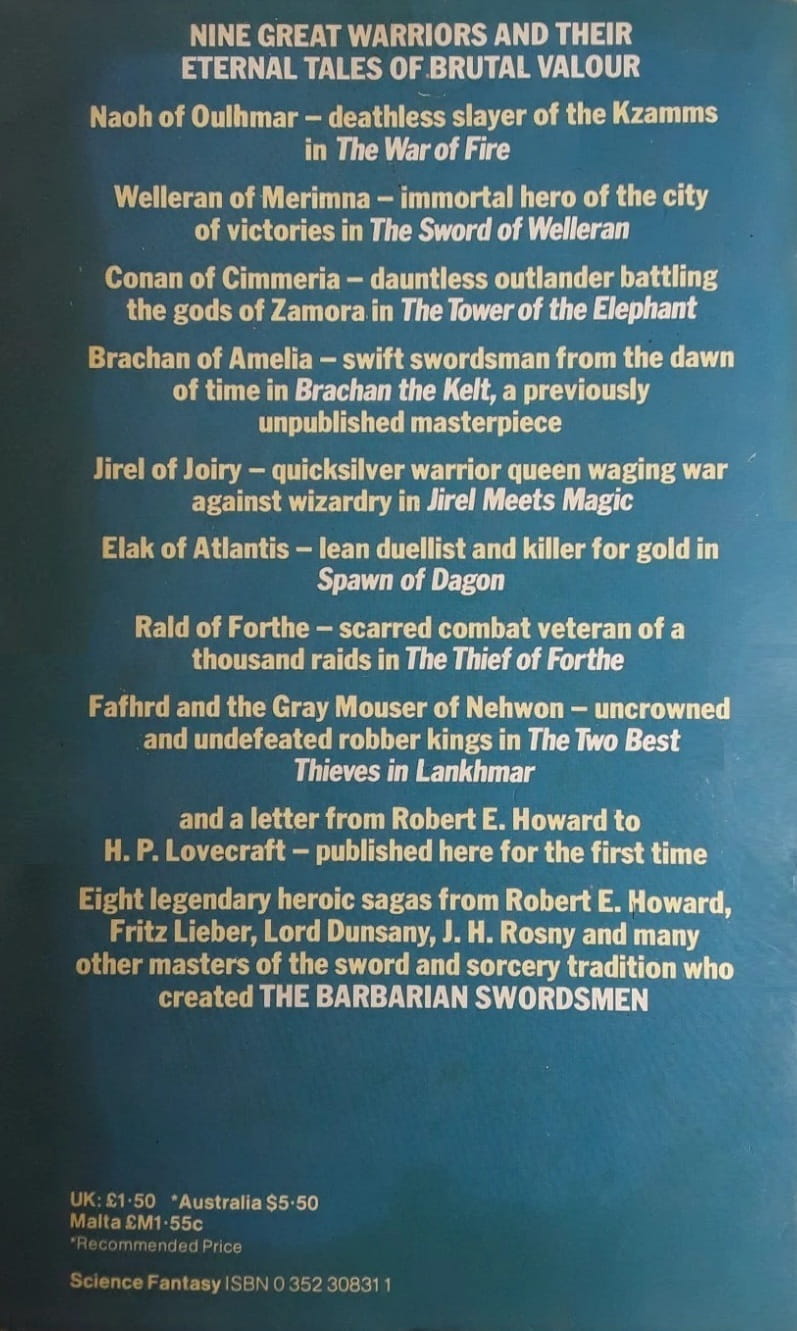
The Barbarian Swordsmen, edited by Sean Richards, Star publishers, a British press, 1981, cool cover by Gino D’Achille. A collection of Sword & Sorcery (S&S) tales that likely wouldn’t exist except for Robert E. Howard.
I couldn’t find out much about Mr. Richards but Toby Hooper revealed to me that Richards has been reported as a pseudonym for Peter Haining and that appears to be true. His intro here doesn’t reveal anything.
The stories are:
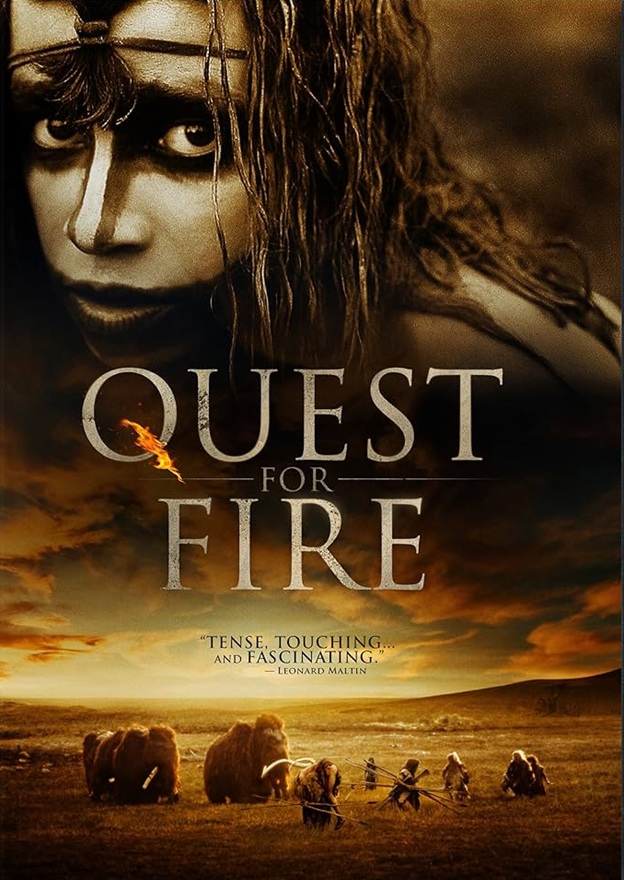
“The War of Fire,” by J. H. Rosny. An exciting excerpt from The Quest for Fire, which was also made into a fine movie. J. H. Rosny was a pseudonym, often used by two brothers, Joseph Henri Boex, and Justin Boex. From what I understand, though, Quest for Fire was written solely by Joseph, the elder. The movie does a good job distilling the book but the writing is still enjoyable. We have a primitive cave man named Naoh, what we’d call a Cro-magnon, whose tribe loses its fire. Since they can’t make fire, only maintain it, they have to seek out fire from another tribe, and Naoh and his companions have many adventures doing so, including a battle with Neanderthals. That’s the piece featured in this book.
“The Sword of Welleran,” by Lord Dunsany. Lord Dunsany, an Irishman, is well known to fans of S&S. His fantasy work certainly skated the edge of that genre and he helped develop some of the tropes that later became important. He is said to have influenced Tolkien. His work is rather slowly paced and turgid for modern readers but I find it enjoyable. “The Sword of Welleran” is one of his most approachable tales.
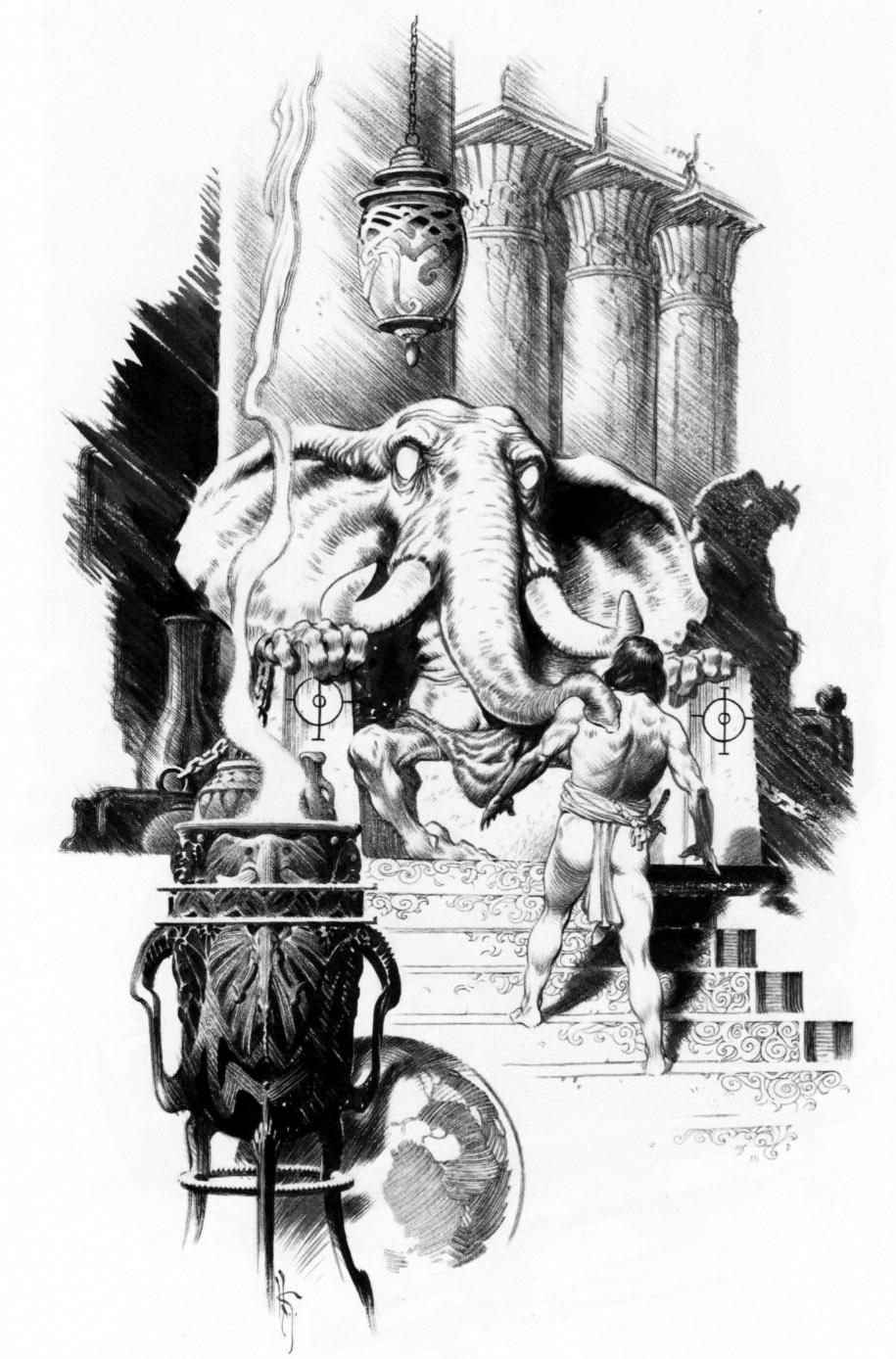
“The Tower of the Elephant,” by Robert E. Howard. I consider this the strangest of the Conan stories. It certainly breaks ranks with most of the other Cimmerian tales in that there’s a strong SF element. I was much taken with it when I first read it, years ago.
“Brachan the Kelt,” by Robert E. Howard. Howard wrote a number of stories involving reincarnation, and several featured the character James Allison, a modern man capable of remembering his past lives. This is a short piece and definitely not fully developed, but it shows the power of Howard’s prose. Allison recalls being a wandering warrior from a time before history was recorded, when the first white-skinned tribes were entering Europe. As Brachan, he must defeat a beast that makes one think of the yeti.
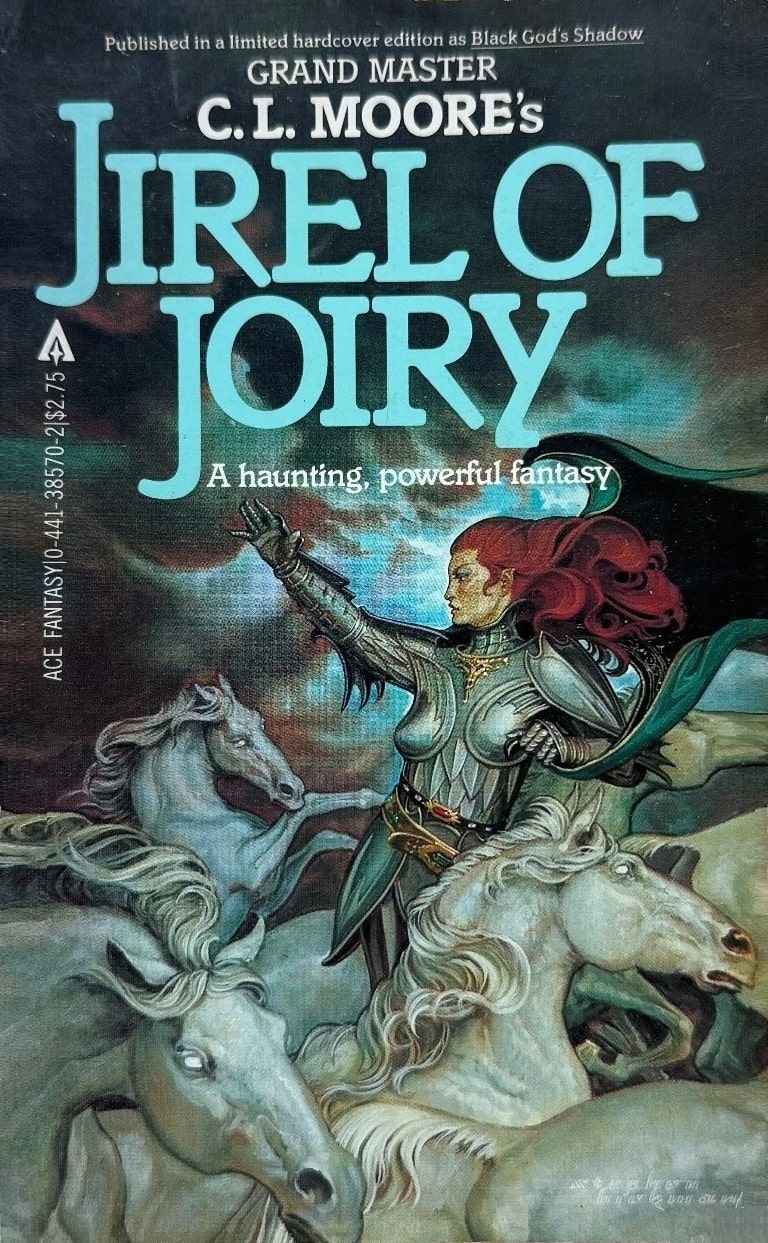
“Jirel Meets Magic,” by C. L. Moore. Catherine Moore was just a superb writer and her stories of Jirel of Joiry are outstanding S&S tales. Beautifully written and emotionally charged. Jirel is one of the very first fire-tressed female warriors of fantasy fiction. This is not my favorite of the Jirel stories but it’s close. Moore was influenced by Howard, though most of the influence was in subject matter rather than story effects.
“Spawn of Dagon,” by Henry Kuttner. Kuttner married C. L. Moore and after that they mostly wrote as a team. I think Moore was the better writer but Kuttner was more prolific and very professional. Kuttner alone wrote a series of tales about Elak, a prince of Atlantis, and this is one of the best of those. Elak was certainly influenced by Conan but is his own character.
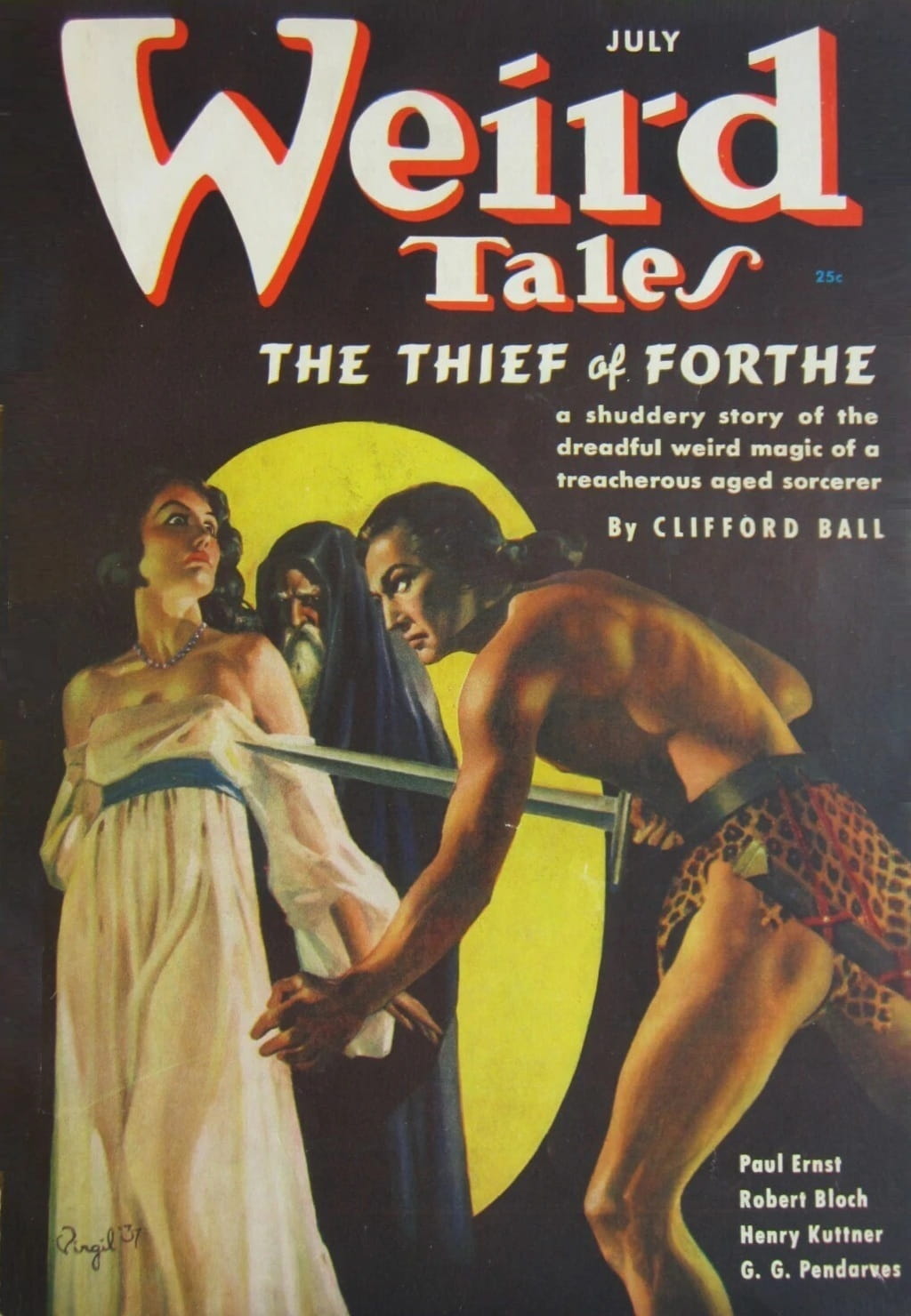
“The Thief of Forthe,” by Clifford Ball. Ball was another writer strongly influenced by REH, which is clearly seen in this tale. It was still well written and enjoyable. Apparently, Ball created an earlier character who was essentially a pastiche Conan, but “Rald,” the “Thief of Forthe” shows some originality. I haven’t read much of Ball’s work but will seek out more.
“The Two Best Thieves in Lankhmar” by Fritz Leiber. Leiber is another writer who was influenced by Howard as to subject matter, but who in no way appears to be an REH clone. His characters and settings are unique and there is a lot more humor in Leiber’s tales than in the Conan stories. Leiber’s characters are Fafhrd, a giant of a man, a barbarian warrior, and the Gray Mouser, a dark and slender thief. They are unlikely friends but friends they are. All these stories are enjoyable.
Appendix is: The Man Who Influenced Robert E. Howard. This is an excerpt from a letter written from Robert Howard to H. P. Lovecraft in which Howard indicates his admiration for the poetry of Alfred Noyes.
Charles Gramlich administers The Swords & Planet League group on Facebook, where this post first appeared. His last article for us was a look at The Mighty Sword & Sorcery Anthologies of Hans Stefan Santesson. See all of his recent posts for Black Gate here.
Thanks for introducing me to an S&S anthology I never saw before…who knew the UK was also into the genre?!
Glad you enjoyed. there’s been a lot of cross pollination between the UK and the US.
This is one I also hadn’t seen previously — I’m guessing not many copies made their way across the Atlantic, and none were on the shelves at Uncle Hugo’s or Dreamhaven when I was browsing there, because it looks like exactly the sort of thing I would’ve taken home with me.
DMR Books did recently publish a collection of all of Clifford Ball’s fiction, and it was reasonably entertaining.
I saw that offering by DMR but haven’t picked it up. I’ve been spending way too much money on books lately. I don’t remember where I found this one at, probably at an SF conference
Thanks for the article, Charles. This is certainly a book I would have picked up with a number of stories I haven’t read and a cover showing a barbarian and a damsel who looks like she just got out of an ABBA concert (or something similarly 70s-ish). Interesting about Richards as a pseudonym for Peter Haining who I know as the author of several Dr. Who non-fiction titles. Thanks again for digging into your voluminous library and pulling out another never seen (by me) title.
Glad you enjoyed. Thanks for letting me know you got something out of it.
Quite frankly, turgid is one of the last words I’d use to describe Dunsany’s writing. Slow of pace, maybe, at times, though usually when that’s appropriate. And “The Sword of Welleran” is one of his most traditionally shaped stories, especially in the S&S genre. And it’s very good.
(I am quite enjoying this journey through old S&F anthologies, mind you!)
I completely agree. Dunsany deserves to be better remembered. “Idle Days on the Yann” might not be the greatest fantasy short story ever written (because what would that even mean?), but I can say with complete authority that it is my favorite fantasy short story ever.
as I said to Rich, I like Dunsany and I did say that in my comments here. Assigning qualifiers to older prose styles is difficult but I still think most modern readers, meaning generally those 20 to 30 years younger than I am at 67, would think his style overly complicated. His “Two bottles of relish” is a personal favorite tale of mine, and very hard hitting.
Well, I’ll be 67 very soon myself! And huge swathes of my reading are Victorian novels (I just finished a reread of Jane Eyre and am in the middle of Phineas Redux.) So I certainly have an appreciation for an older style of prose. But honestly I don’t think it takes long to get used to that, and the rewards are profound. (And, to be sure, Bronte, Trollope, and Dunsany are three VERY different writers with quite different styles.)
I really only read Fantasy from that era. A little bit of Dickens and Twain for older styles.
I like Dunsany. His “Two bottles of Relish” is one of the hardest hitting and most memorable horror stories I’ve ever read. But I do think his language would be judged as a bit pompous by many modern readers, particularly those younger than us. It fitted his stories and was of its time as well, and it creates a memorable style. I suppose I’ll have to do a survey at some point to see what some modern readers say, though I doubt many of them would know the meaning of turgid or grandiloquent.