Carving out a Genre of His Own: A Conversation with Zig Zag Claybourne
Tambour: From time to time on social media you’ve spoken about being a Black author. Your fiction is unabashedly you. And few authors of any gender write women characters the way you do. Most of all, specifically, Black women. Your women aren’t artificially magnificent to fill a marketing niche as all those sword-wielding bikini’d white generic heroines are. Would you care to add a few words on your experience with creating “true” worlds in your fiction?
Claybourne: Gets to a point for any so-called “marginalized” author — and I never put myself on the margins, my landscape is dead center of the page — that we will do one last “diversity” panel and then no more. I hit that point a while ago. One reason I don’t talk a lot about my work as, specifically, a Black writer, is a lot of people aren’t knowledgeable enough beyond the tip of their noses for the answer. They want to know “Why should I allow you in?” — a heinous question in itself — when the actual question to put to them is “What are you so afraid of?”
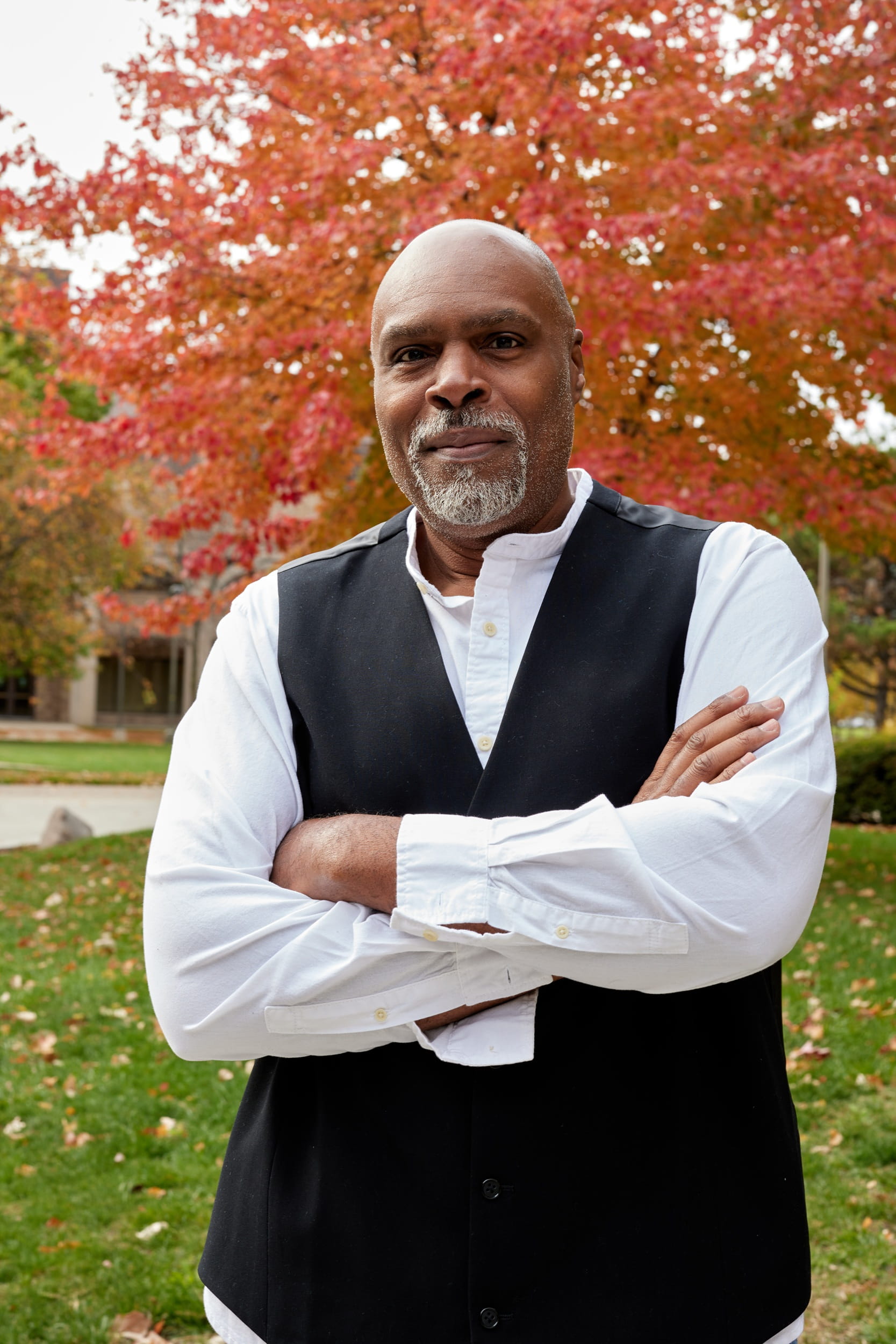
And that’s not a question I have any interest answering for them. Unacknowledged Black labor is a helluva drug. Every diversity panel, every think piece on Race in Publishing, is a failure of inward looking. As a Black author, I’ve written across more genres and with more soul than an entire university syllabus. Every word flows from the wellspring of community, family, love, devotion, joy, curiosity, confusion, and pain that smiles into my eyes from a mirror. I’ve faced every microaggression in publishing; I’ve endured OWFs (old white farts) belittling the talents of others as “identity politics.” I’ve been advised “make it universal,” “does this have to be,” “it’s not quite the direction.” White editors should know there’s not a deflection Black authors aren’t familiar with.
With me being Black and also indie, I don’t get the trade reviews or the immediate mentions in traditional publishing spaces. But that indie part is where I prefer to cocoon and grow. I get to write my Black witch fantasies where the witch isn’t hot for the hunk, my adventuring scifi all-women universe-altering romps, or even a testosterone-fueled epic featuring oversexed angels and Black men saving the world one last damn time. I get to do this because it’s the world I inhabited growing up. My father, my mother, my aunts and uncles, they lived a million adventures every day. They woke up as “the One against the evil empire” every morning. My oldest brother was Luke Skywalker before Luke Skywalker was Luke Skywalker, and my sister would have had Leia shaking in her boots.
Yeah, I had Kirk and Spock, but I also had Putt (the neighborhood PTSD vet who taught me checkers) and my aunties (four of the funniest women to ever gather for a card game). So imagining worlds with Black people as Black people is a joy and a service. I had a white reader comment on book one of this trilogy that they’d never encountered a fantasy where the main characters started out on “god” mode — reader was used to characters having to do the “chosen one struggle” to upgrade to a high, worthy position. What a pernicious lie of life. It’s a betrayal of character and imagination.
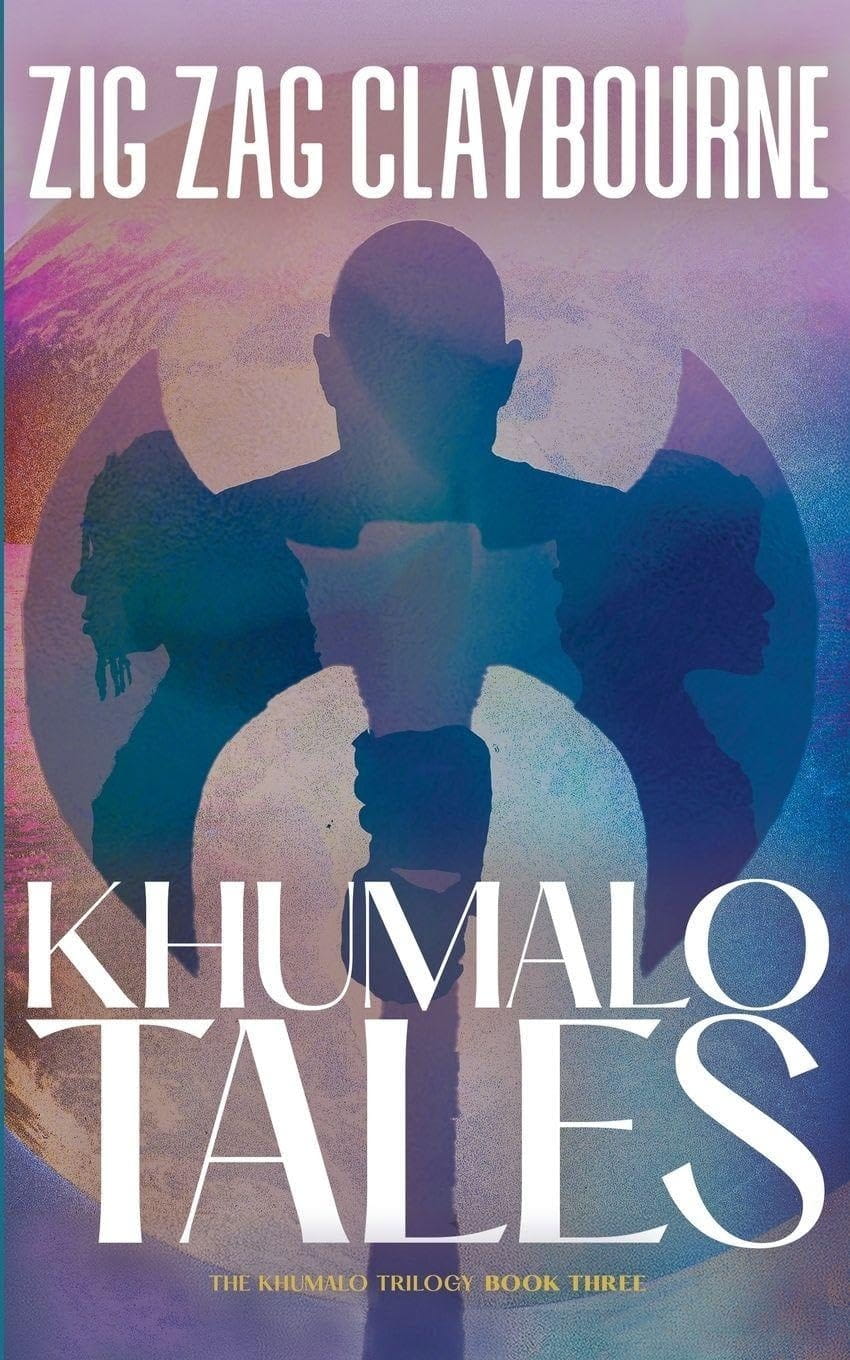
My witches are fully in their power and fully who they are. They aren’t destined to be chosen ones, they’ve chosen themselves. Mother Khumalo’s biggest mission is making sure the world her daughter inhabits is a good, intriguing one. Bog the Unsmiling’s biggest mission is being there for his loved ones. Their power isn’t about what they can do, it’s about who they are.
And they know who they are, which comes off as “god mode” to some, but is everyday to me. My work is more inclusive of the essential humanity within than entire canons of genre, but I’m still considered the “alien” one. Publishing can search its feelings at leisure.
You have carved out a genre of your own, one that is pretty out there, considering how unprudish. fun, and brave it is: An adventure without a punch thrown. What do you have against a hero being a hero because of being able to bash the shit out of anyone? And even more so when they’re heroines. Are you scared of violent women?
I’m definitely scared of violent people. Violent people think the ability to do harm equals power. Violent people are ragingly dim. I grew up same as everybody with comic book characters who solved things primarily with their fists, but it wasn’t the fights that drew me or kept me. It was Peter Parker worrying about somebody, or the Hulk – the ultimate manifestation of physical prowess – simply wanting to live in peace.
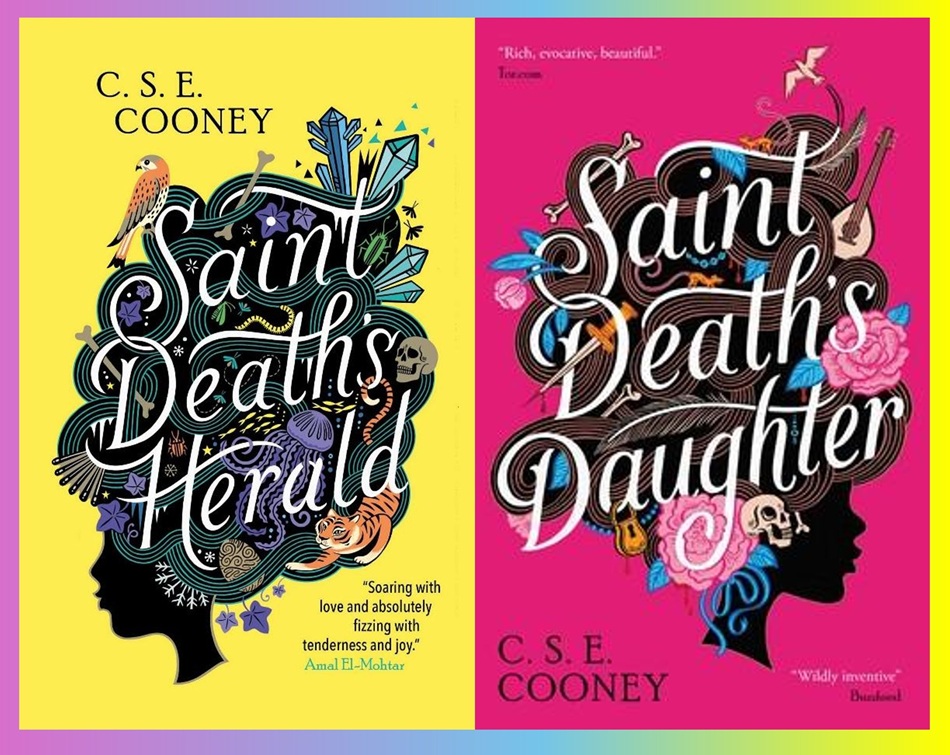
Then comics got violent to where the point was blood, broken bones, and gore. I got bored. Stopped reading them. I need the stuff that goes inside my brain to present people. I don’t want anything I write being 75% filler for inevitable fight scenes. I’m not alone in that. C.S.E. Cooney’s Saint Death series is about a heroine with a literal severe allergy to committing violence. Nghi Vo’s Singing Hills books, as epic and danger-filled as they feel, leave the violence in the margins.
Violent women? The women I’ve known? If pushed to violence they could give Conan lessons. That was a fact that didn’t get tested often. My characters can commit violence, but they generally let people know there are 3 choices folks have for engaging them: use your brain, walk away, or lose the ability to walk away. I get more of a mental workout when my characters prefer people use the 1st choice.
Your people are so alive, and they don’t just exist. How do you meet them?
I like to write people I’d like to observe. At cons, I’m the one in the background till it’s time for karaoke. I’m loving wisps of conversation, I’m fascinated by someone’s humor, I’m falling in universal love for the umpteenth time. Interesting characters sit in a story way better than a forced quirk or affectation. Life comes from thinking about how they’d root out the most interesting aspects of whatever situation they’re in. That’s when I get to say hello, which is one of my favorite bits about writing. Helps me avoid having ciphers on the page.
You write your first drafts longhand with a number of fountain pens (and different inks?). Your desk is often your knees in the bath. How did you light on this formula for literary alchemy, and does it extend to paper, notebooks, inks, colors?
I’m extremely tactile and full of woo woo. Words just feel better flowing down my head, through my arm, straight to the scribbling hand than the more brittle crack of typing. Longhand has always slowed my thoughts enough to pool in a pen’s ink. Growing up, tub-writing came about kind of out of necessity. I had a big family. There were always people around. Except for in the bathroom. So bathtime became sanctuary time for me, something I carried over into adulthood. I could read and have a bit of peace.
When I started seriously writing, same benefits. It’s a perfect atmosphere. I’m not overly picky when it comes to paper or notebooks – except the paper can’t be flimsy, the notebook needs to be college-ruled, ink has to let me ice skate, and colors are generally black or blue until it’s time for red. I fell into the love of fountainpens late in the game, but any good pen, sturdy pad, and warm tub can become a proper writing desk. Tub’s where I do a lot of my reading, too. Takes me out of the stream of fastness. Nothing beats a good amniotic, meditative lull.
Your dialogue has had me inadvertently bite my cheek, it’s so alive, and so not trying to sound like people talking to one another. It’s everything that can make eavesdropping so delicious. Are you eavesdropping?
I’m eavesdropping every step of the way! Some people say dialogue has to be linear and clear. Never confuse a reader, never have them wondering. To that, I say “Hold my beer.”
Our characters live in a much more interesting world than we do, so their conversations need to fizz and flow. If I think of dialogue as being part of a play – which gives us a bit of poetic leeway — instead of a script, there’s more room for the characters to improvise and explore certain dynamics. My characters step on stage not necessarily knowing what someone else always means but they’re smart enough to keep the scene going.
Every word has its place but each utterance has to be relevant, too. I try to avoid pat dialogue as much as imaginatively possible. Revealing character, theme, and plot with turns of phrases and intriguing interactions is an absolute joy.
Do you have a minds’ eye working away or do you get your scenes free in dreams?
The mind. The mind is constantly going. If it’s dreams it’s never sleeping dreams. Waking dreams. Sometimes the focus feels trancelike until I get the scene to feel just right, sometimes it comes as precise and technical as a cheap watch keeping good time. I like to avoid including rote bits there to do nothing but say “Plot!” I think if there’s any one overriding maxim I hold dear, it’s that writers don’t have to make anything super original or innovative, but it’d damn well better be interesting in some useful way.
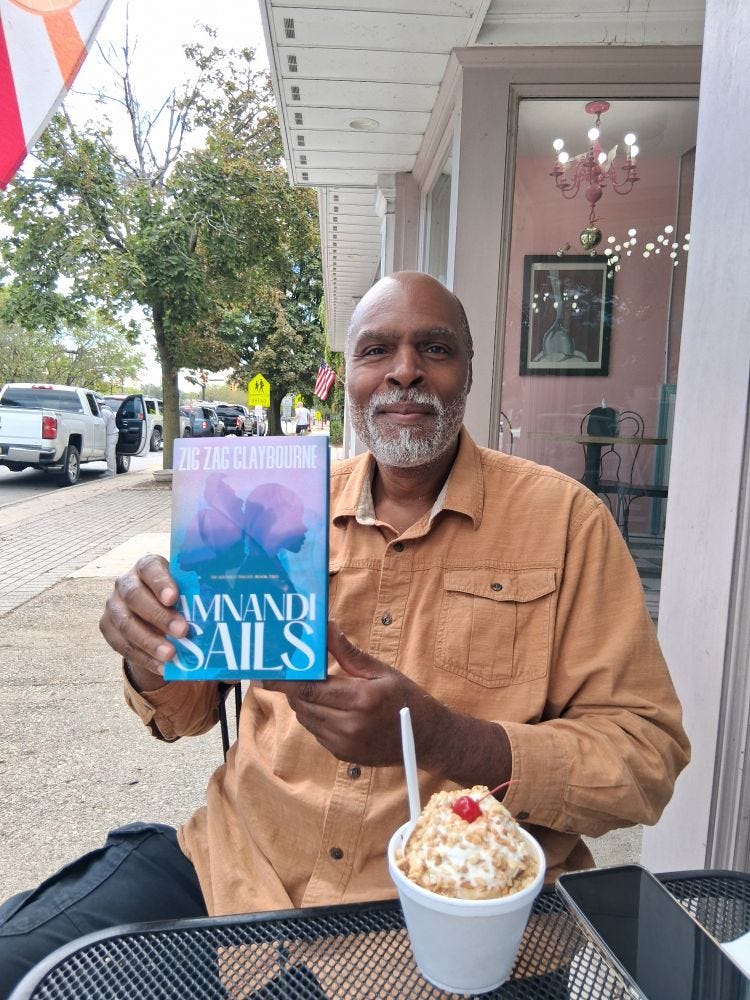
For anyone new to your writing, what should they (a) expect, and (b) run from?
Expect a huge heaping respect for your intelligence. Run like hell if you prefer to have everything spelled out.
You’re not reticent about the importance of joy to you, even though yours seems a thoroughly worked and well-rounded sense of it than most ascribe to the notion. Joy doesn’t mean perpetual bubbles and happiness to you, does it? Would you care to talk about that? What’s one thing that made you extremely happy about each book in the trilogy?
Joy is intentionality. Know how you can be in the hot sun all day? If you’re doing a job you can’t stand, it’s interminable. If you’re gardening in hopes of a teeny crop of tomatoes, you end feeling joyful. “What am I putting my heart into?” That’s how we achieve joy. The putting might be hot, it might be sweaty, sometimes painful and frustrating, but it never once becomes something you do not want to do.
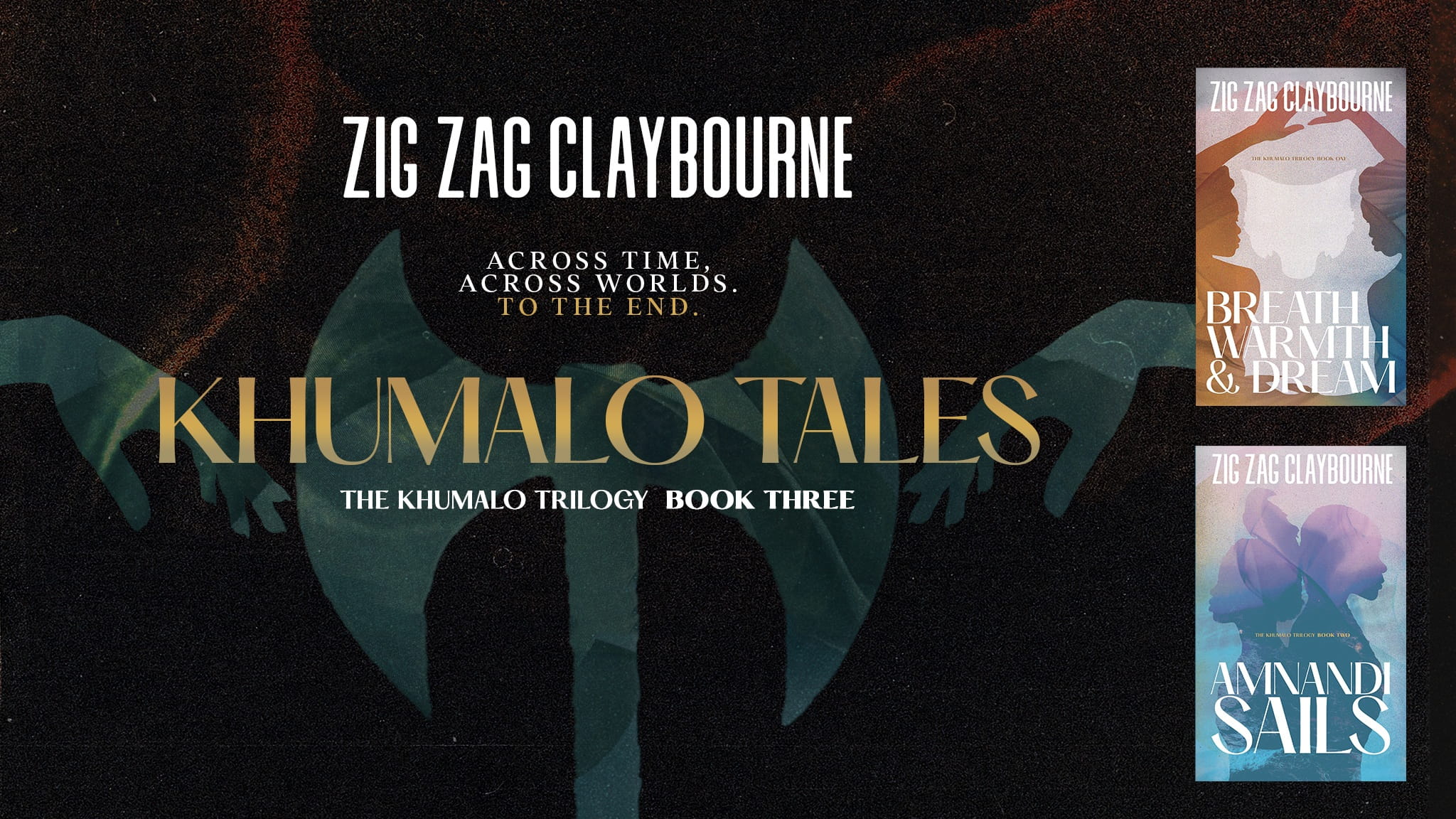
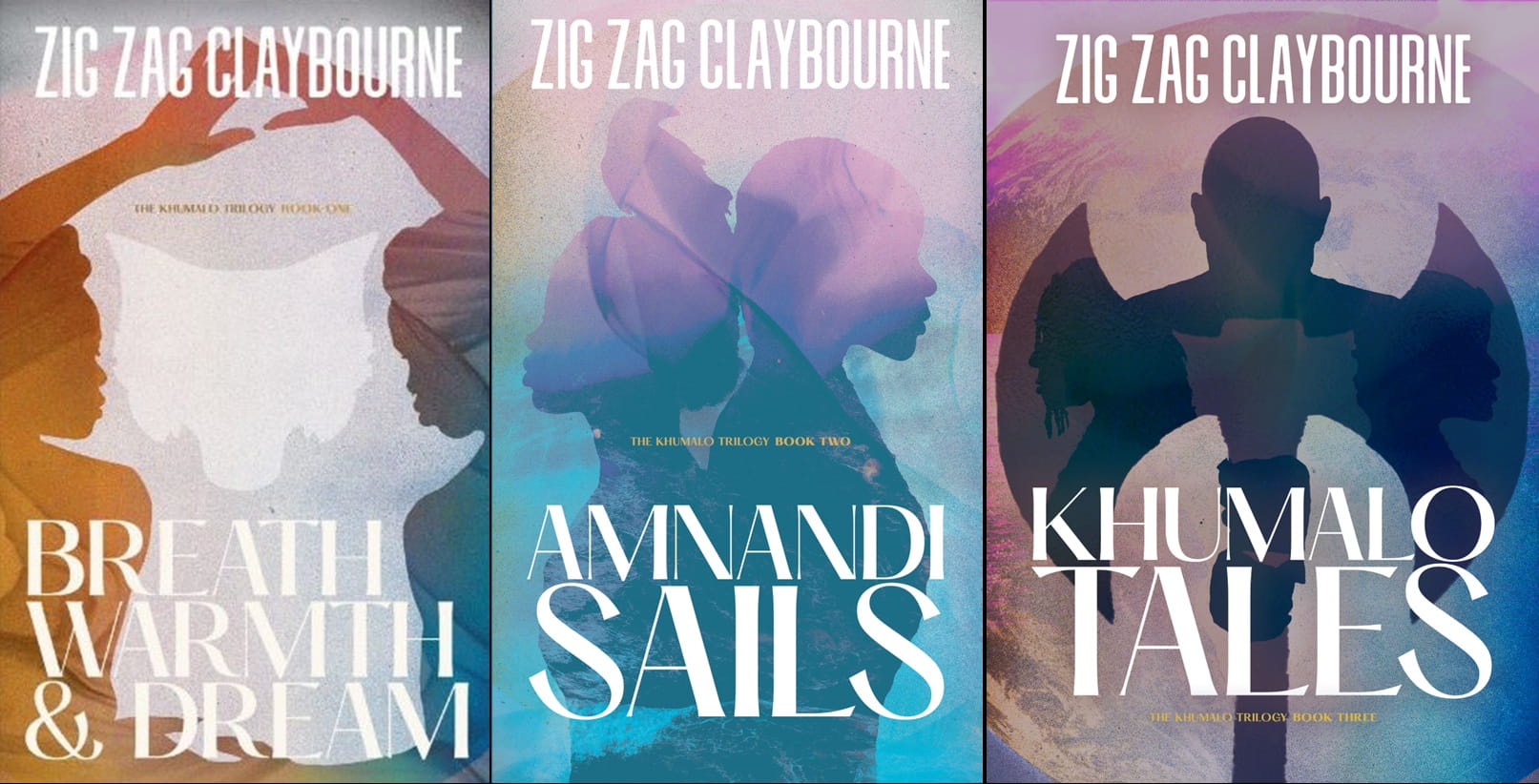
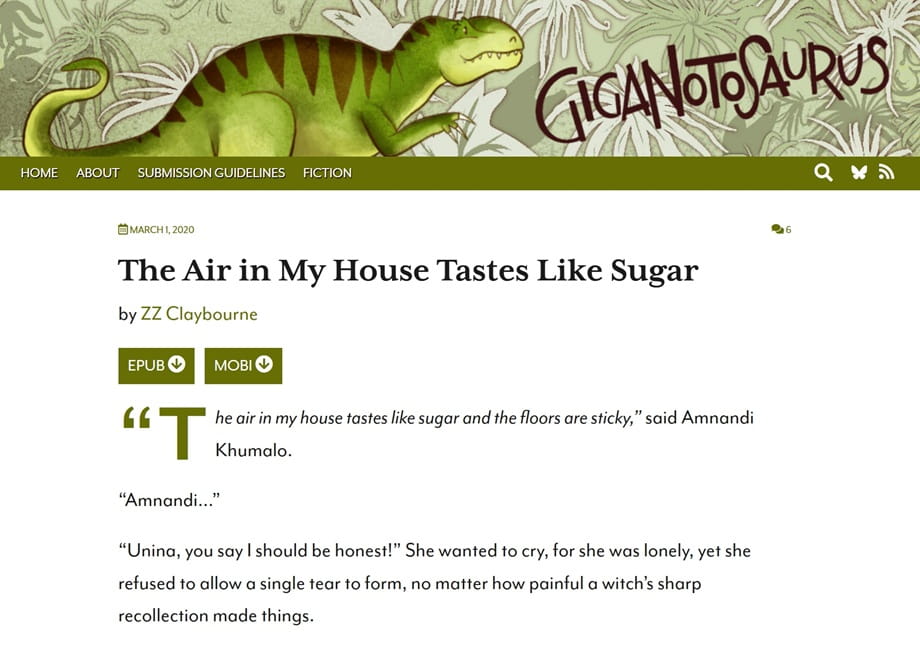
And that’s how I approach writing. There’s immense joy in making stuff up. Gods do it. Why not us? Why not surprise and delight ourselves with what we do? When I did The Brothers Jetstream: Leviathan, I had no idea it’d have a sister novel, Afro Puffs Are the Antennae of the Universe, but one joy sprang from another. With the Khumalos, what started as a short story at GigaNotosaurus Magazine made me so happy that the characters kept celebrating backstage, and before I knew it, Breath Warmth & Dream said hello, and I immediately knew that its expanded story of the lives of Ayanda and Amnandi Khumalo would bring friends. Precisely two.
This is the first time I’ve ever poured so much joy into a project that I knew it would be a trilogy, each book reflecting the joy of its creation. Capturing the mother/daughter relation in the first book made me extremely happy. The love there is unbreakable. With the second, I love that Amnandi let me grow her up into who she was, not who I wanted her to be. There’s a difference. If I’d gone the standard plot route, she’d have been a teen in a love triangle solving a mystery as she came into her independence. She let me know that was way more pressure than she’d put herself through. The joy in Khumalo Tales was a fresh, simple one: reflection. Which shouldn’t come at the end of a life, but during it. To decide to be consciously better as a person is a wonderful joy.
That last line presents a good question: Are you aware of a theme running through your books, particularly when you’re actively writing them as opposed to stumbling upon it after the fact?
Very much aware. “To decide to be consciously better.” Every book, that’s what the characters are doing. And they always succeed at it.
Now, that might speak volumes about what I think of my own inner landscape — I’ll be the first to say I could use a good groundskeeper — but that’s where any possibility of change comes from, and art — fiction, in my case — not only can but should change us. The same as falling in love should change us, or eating a helluva delicious cookie on a slow rainy Sunday should change something in us. We evolved from amoeba and slugs. We kinda owe it to them to keep the changes going. They put a lot of work into sliding through primordial muck for us.
 |
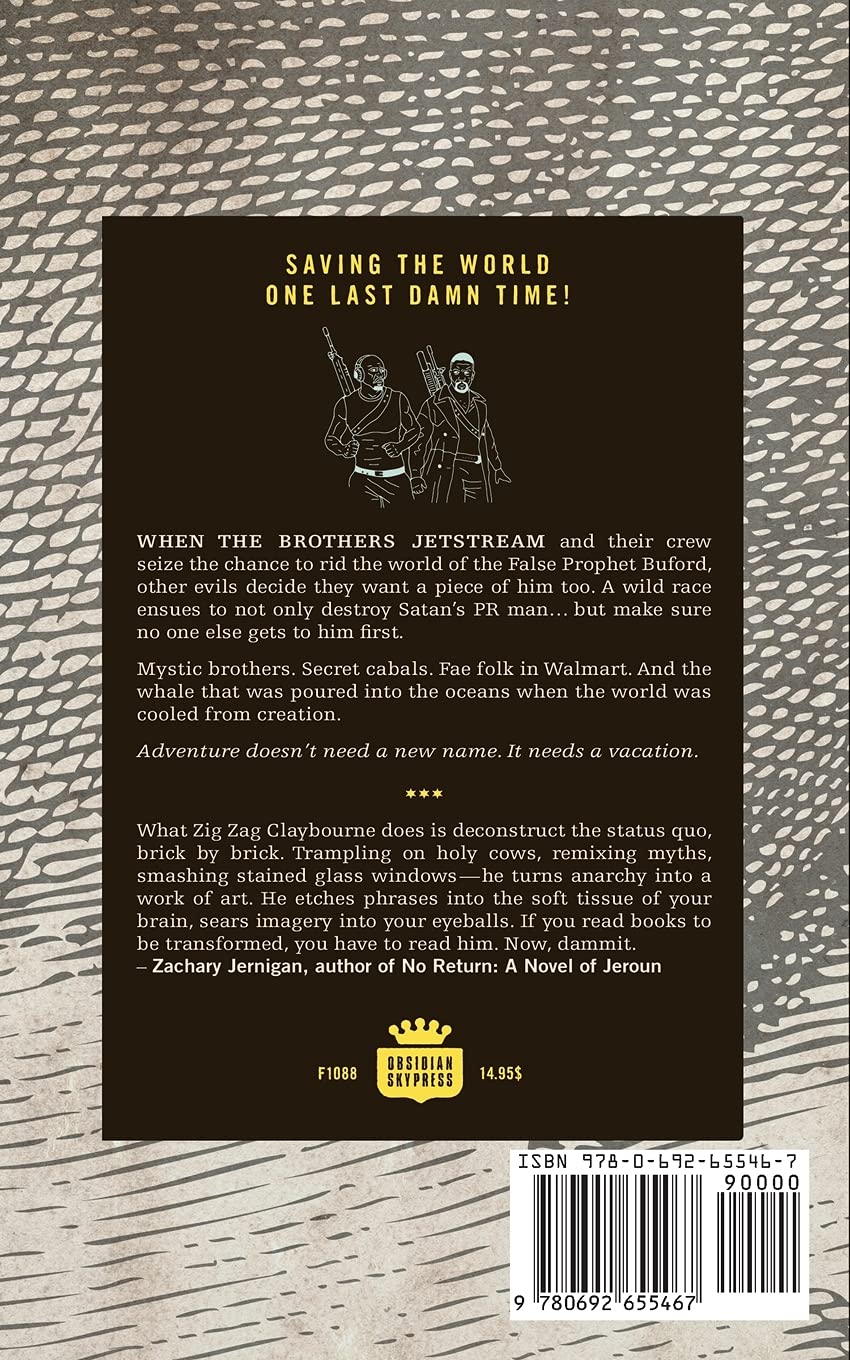 |
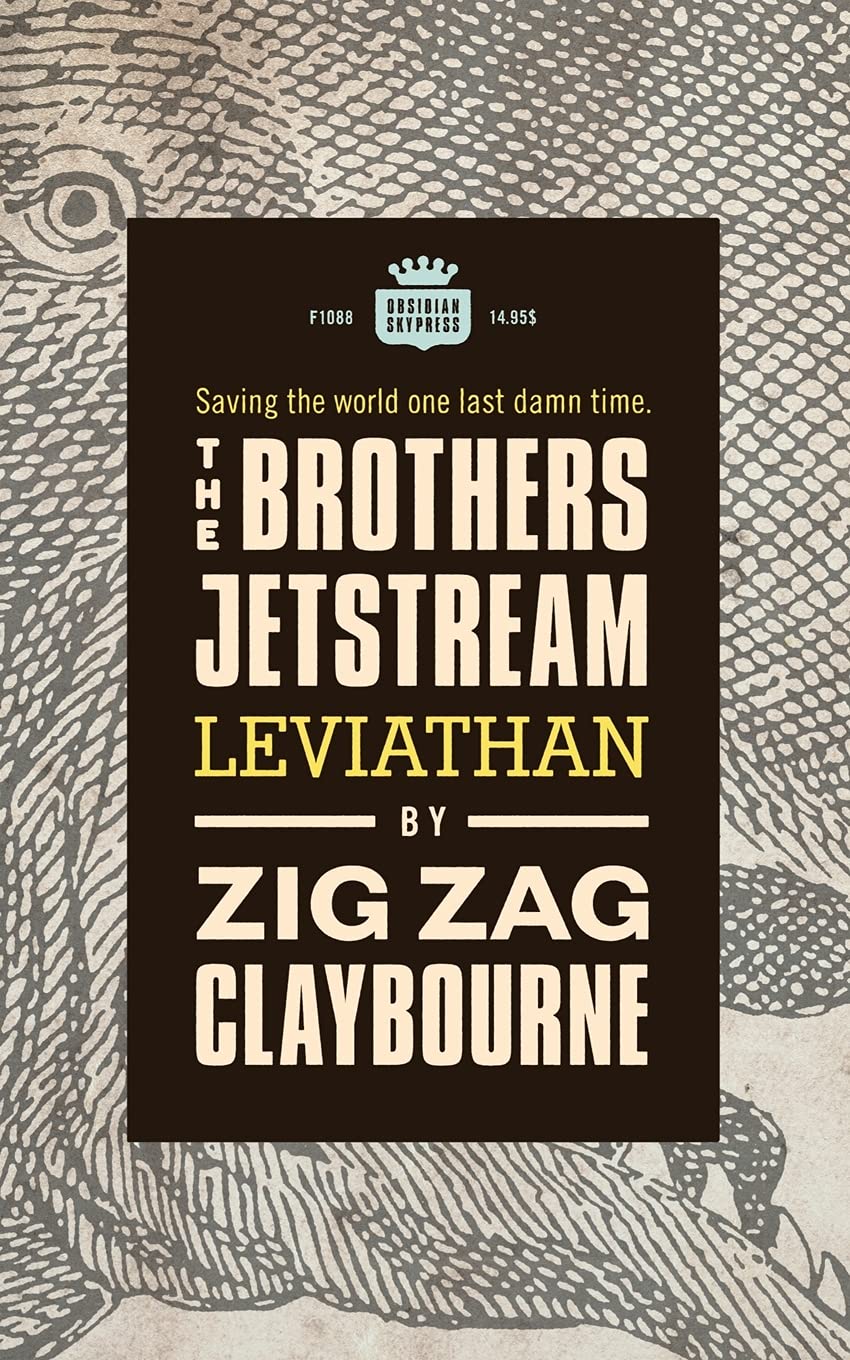
The Brothers Jetstream by Zig Zag Claybourne (Obsidian Sky Books, February 29, 2016)
I’m an unabashedly thematic writer. Got no bashes. The Brothers Jetstream: world is shit; we will unshit it. Afro Puffs: we are capable of so much more than this. Breath Warmth & Dream: “I have a child; I have a lot to explain” was a lyric in a Prince song. Amnandi Sails: no one else’s sickness is strong enough to consume us.
Hell, even Neon Lights, my goofy urban satire — which, incidentally, introduced not 2 but 4 of the main characters in The Brothers Jetstream — I suppose I’ve got an interconnected movie universe like Marvel; ZCU — was all about 2 women defying circumstances that tried to define them. My theme is “You fucking rock. Now own that.” That might never get me a Hugo, but it helps me sleep.
What makes Khumalo Tales worth reading?
I won’t be precious and say damned if I know. I know hugely. If you like how words can play with each other, how fantasy can enhance reality, how brevity is epic and how what’s epic is always small, time in the Khumalos’ lives will be well spent. Also? There are puns throughout. Shameless ones.
The story’s not quite what the industry would consider a cozy fantasy or romantasy, even though there’s love all over the place, but author Robyn Bennis, one of my beta readers, said Khumalo Tales is “a long, warm hug transmuted into book form.” Robyn is an utter genius, so believe her.
Love plays a dominant role in your fiction, but, as stated, your novels are neither cozy nor romances as such. That’s confusing for shelving. Don’t you think it’s time you made a commitment and turned to the dark side?
Non-serious answer: I like to joke that all my books are non-fiction. As Chuck Tingle is fond of saying, love is real. Meaning I have to write it that way. No spritzes, artificial sweeteners, or filters. Deeper still: The dimmer side won’t have me. I bring in knickknacks and candles.
Visit Zig Zag Claybourne on the web at zzclaybourne.com, and support his latest Kickstarter here.
Anna Tambour is the author of the World Fantasy nominated novel Crandolin (2012), Spotted Lily (2005), and the collection Monterra’s Deliciosa & Other Tales (2003). Visit her online at medlarcomfits.blogspot.com.