Forgotten Authors: Neil R. Jones

Neil R. Jones was born on May 29, 1909 in Fulton, New York, the youngest for four children. He has stated that the first science fiction novel he read, in 1918. Was Will N. Harben’s The Land of the Changing Sun, a lost world novel, which led him to the writings of Edgar Rice Burroughs.
His first published story, “Vengeance of the Ages” was published in his high school yearbook in 1926, with a second story, “The Meteor of Fate” appearing the following year.
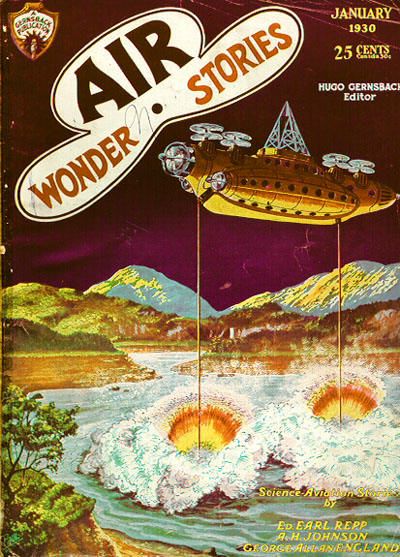
“The Death Head Meteor,” was his first professional publication, published in the January 1930 issue of Air Wonder Stories and is believed to contain the first appearance of the word “astronaut.” He had previously sold the story “The Electrical Man,” but it didn’t appear until May of that year in Scientific Detective Monthly, earning him his first cover.
One of the stories he had submitted to Gernsback was “The Jameson Satellite,” which kicked off a series of stories about Professor Jameson. When his payment for “The Electrical Man” was less than expected because Gernsback declared he had charged Jones for editorial preparation, Jones decided to submit the revised story to T. Conor Sloane at Amazing Stories. The story introduced the cyborg Zoromes, who featured in subsequent Jones stories about Professor Jameson.
Another innovation Jones introduced was the idea of a planned out, reasonably coherent future history, focusing on the cult of Durna Rangue from the 24th through the 25th centuries and which also tie in to the stories about Professor Jameson, although those are set in the extremely far future. The Jameson story “Time’s Mausoleum,” however, includes time travel to the period of Durna Rangue and refers to events there and was published prior to most of those stories’ publication.
Between 1930 and 1942, Jones published 38 stories and a two part serial, with only about eight stories published after 1942. On May 2, 1942, Jones was drafted into the army as part of the war effort, becoming Corporal Neil R. Jones. He was deployed to North Africa, serving in Morocco and Algeria before participating in the invasion of Sicily. He was also part of the D-Day invasion.
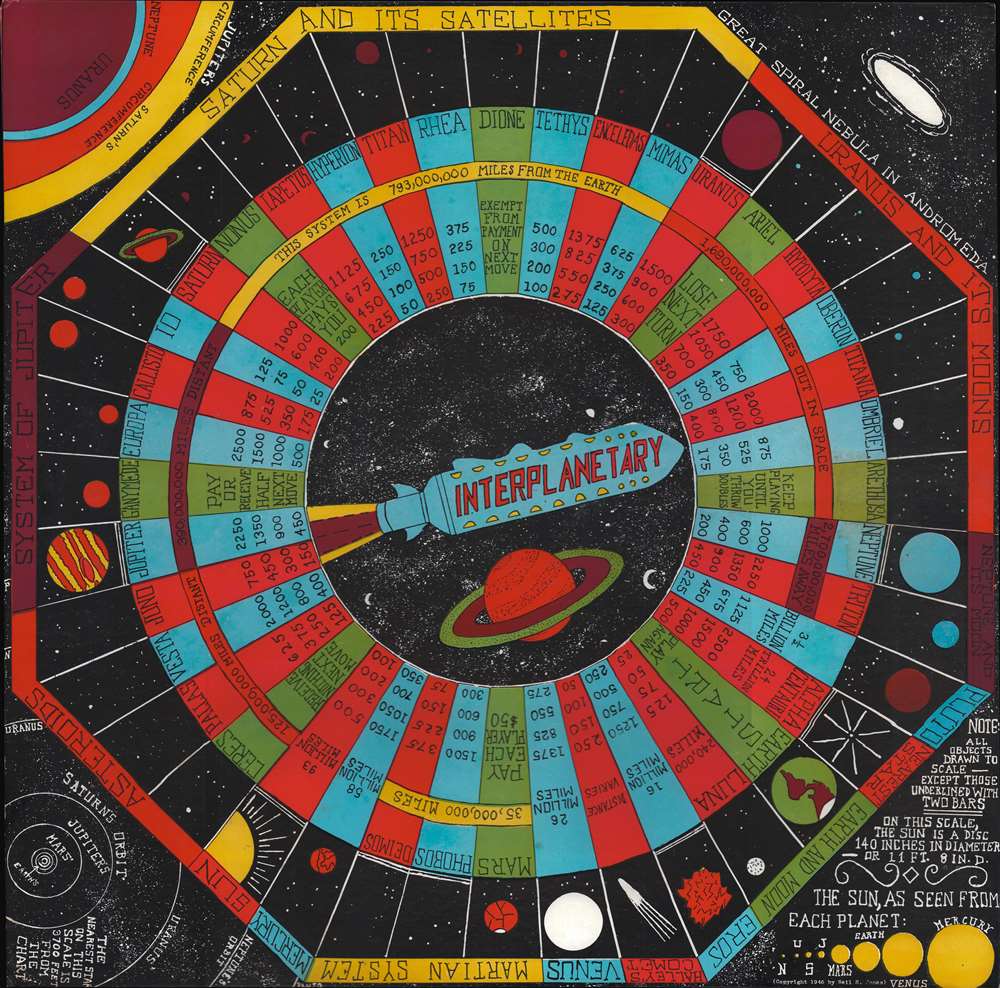
While in England during the war, Jones married Rita Rees on June 19, 1945 in London. The couple returned to the U.S. in the fall of that year and Jones was mustered out of the army in October. Having a wife to support now, he apparently found more traditional jobs working for the New York unemployment office and possibly other book keeping positions. IN 1946, he also invented a board game called Interplanetary during this period, which he may have sold privately. Apparently only four copies are known to exist.
On September 29, 1964, Rita was found by a neighbor with her throat cut. She died in the hospital and an investigation declared it was self-inflicted wound and that she had been suffering health issues. Although some of Jones’s stories were reprinted, he had few new stories published after this point. He retired from the New York unemployment office in 1973. Sometime in the late 1970s, he remarried, to Leona Tice, who survived him.
Jones died on February 15, 1988 and is buried in Mount Adnah Cemetery in Fulton, New York.
 Steven H Silver is a twenty-one-time Hugo Award nominee and was the publisher of the Hugo-nominated fanzine Argentus as well as the editor and publisher of ISFiC Press for eight years. He has also edited books for DAW, NESFA Press, and ZNB. His most recent anthology is Alternate Peace and his novel After Hastings was published in 2020. Steven has chaired the first Midwest Construction, Windycon three times, and the SFWA Nebula Conference numerous times. He was programming chair for Chicon 2000 and Vice Chair of Chicon 7.
When I reported on the Professor Jameson stories several years ago here at Black Gate, I found them to be ridiculous but oddly charming: https://www.blackgate.com/2015/01/17/the-shock-of-the-old/