The Translators Enriching SFF
If there is one group of people that deserve more praise in the literary community, it’s translators. Recent years have shown us just how vital they are to our bookshelves and TBR lists. Its them we have to thank for every Roadside Picnic and Eternaut that dares to tantalize English speakers the world over.
Make no mistake, theirs is a challenging, sometimes even thankless job. The difficulty of translating an entire novel into another language should not be underestimated. Finding the right expression, the correct syntax, ensuring the lyricism of a work is properly communicated are just a few of the challenges translators face. Calling it an art of its own would be no exaggeration. And as a result of that art, we as readers, have been gifted a Smaug’s hoard of titles. Think entire subgenres, fresh visions of tomorrow, and treasure troves of inspiration. Our beloved speculative genre is so much richer thanks to the riotous rogues and deadly dames translated works have introduced us to.
Here are seven translators who have had a massive impact on the SFF community over the past two decades.
Megan McDowell
 |
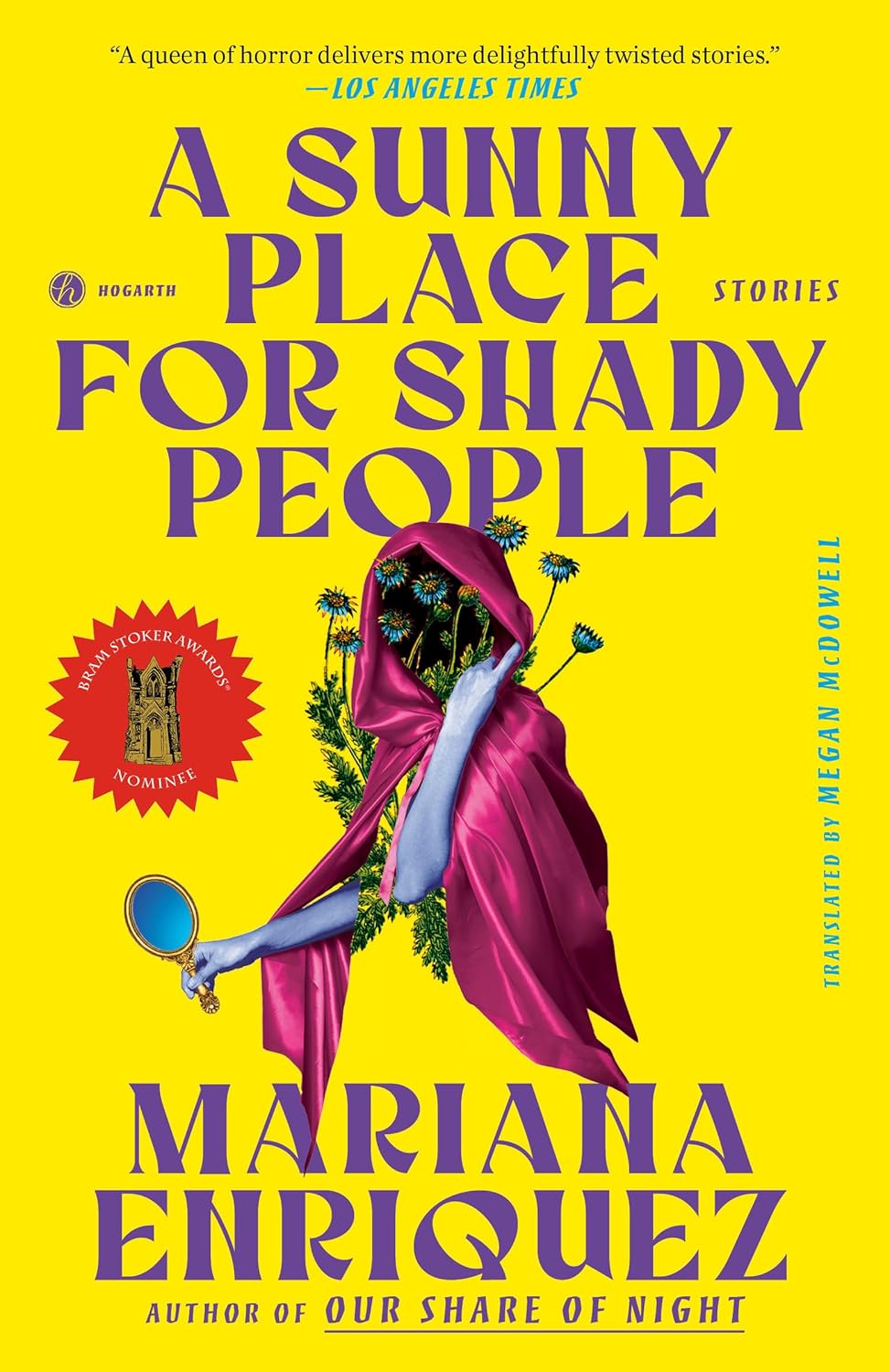 |
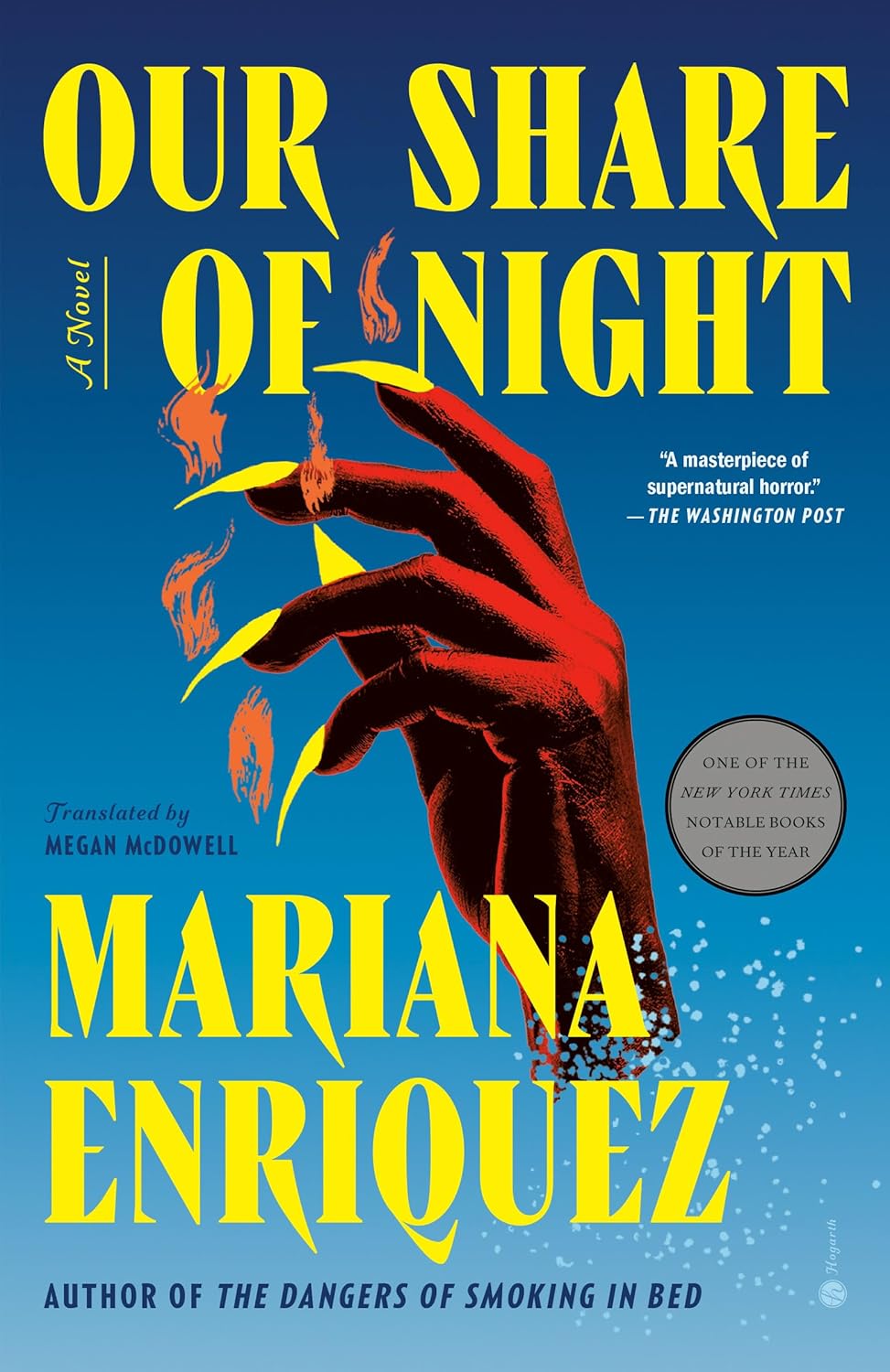
Mariana Enriquez’s work translated by Megan McDowell: the novel Our Share of Night (Hogarth,
February 7, 2023), and collection A Sunny Place for Shady People (Hogarth, September 17, 2024)
Richmond, Kentucky might seem impossibly far from the summit of Latin America’s literary world. But that’s exactly where one of the past decades most prolific translators of South American literature hails from.
Megan McDowell’s translations include long-standing collaborations with writers like Mariana Enriquez and Samanta Schweblin. It’s her work with the former where she has translated some truly remarkable speculative pieces of fiction including Our Share of Night and A Sunny Place for Shady People, which won a World Fantasy Award in 2025.
David French
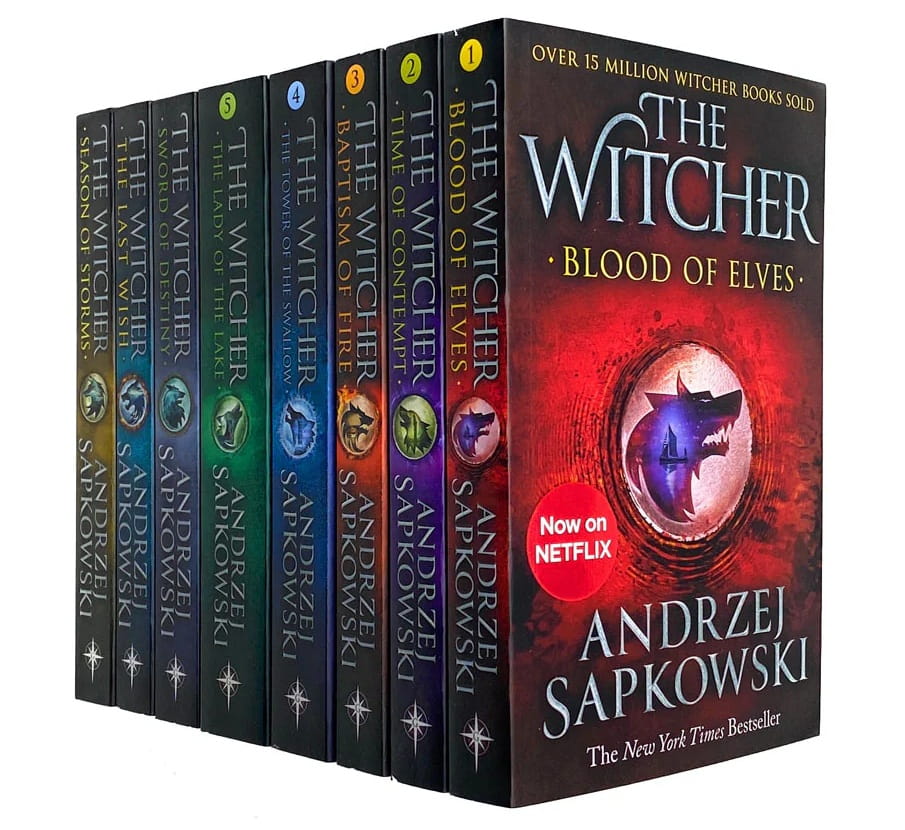
Few franchises of the modern era have had the staying power of The Witcher. Andrzej Sapkowski’s magnum opus has captured the imagination of millions through his much-loved books and the many games based on them. If you have read Sapkowski in English chances are you’ve seen some of David French’s work.
What has turned into a massive translation effort originally began with a young Englishman that made the fateful choice to venture beyond the Iron Curtain. That man was none other than David French. His motivation? As explained in multiple interviews, he began teaching in Poland in 1988 to learn Polish so that he could speak to his paternal aunt Marline in her native tongue.
Years of mastering the Polish language led to opportunities to work as a translator. When Witcher author Sapkowski began looking for a new translator in 2011, French leaped at the chance. He hasn’t looked back since.
To date, French has translated all but two of Sapkowski’s Witcher novels (The Last Wish and Blood of Elves being translated by the wonderful Danusia Stok) as well as the highly underrated Hussite trilogy. It is no exaggeration to say that millions of readers would not know Geralt, Sapkowski’s black humor, or the grim worlds his characters inhabit without the hard work of one man that just wanted to get closer to a loved one.
Lucia Graves
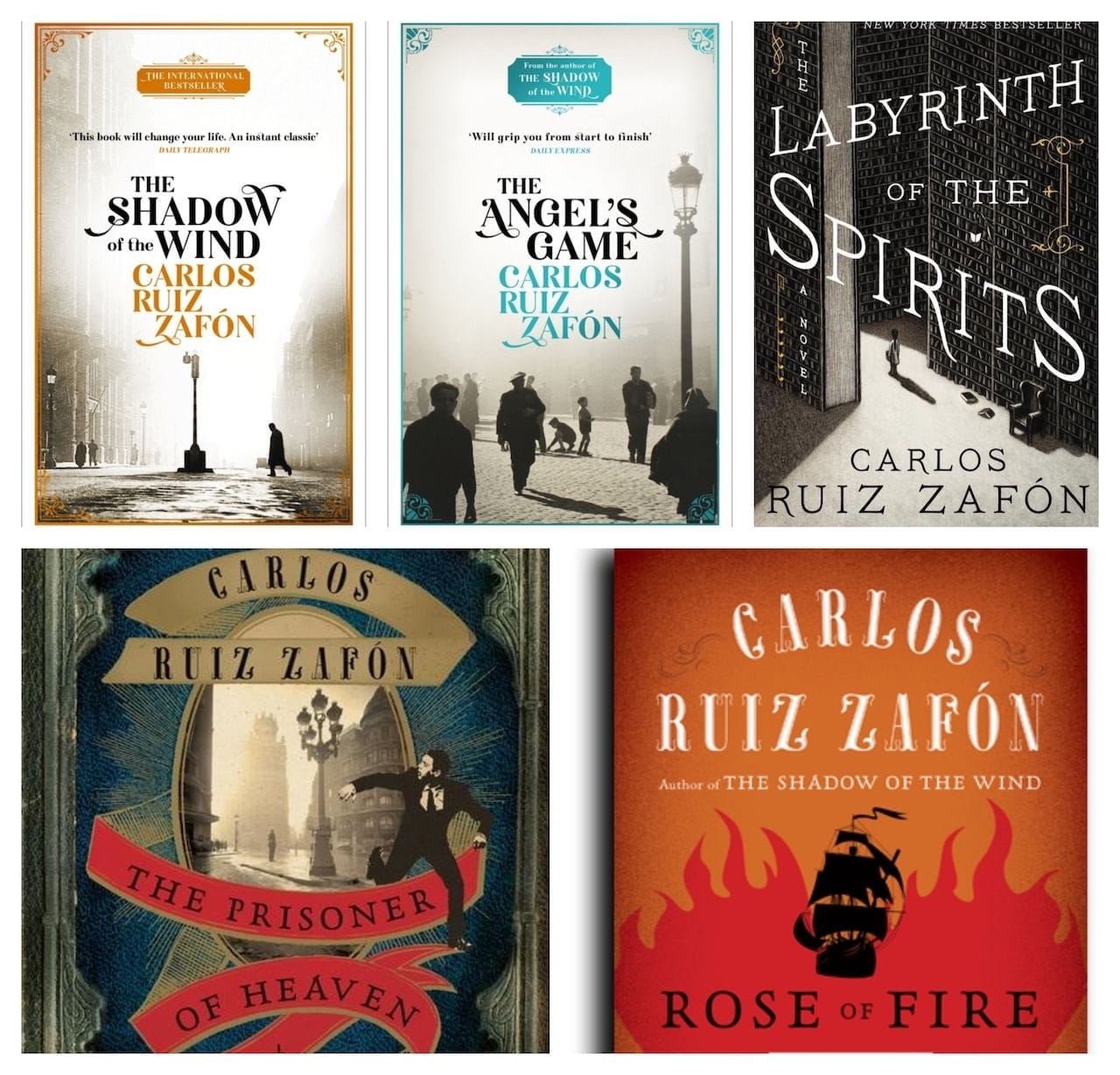
To understand just what makes Lucia Graves such an important translator, you first have to appreciate just how influential the late Carlos Ruiz Zafon was. Despite dying in 2020 at the age of 55, every one of the four books published during his lifetime were celebrated like special events. And every single one was translated into English by Graves.
Graves grew up in Mallorca, Spain, the daughter of legendary British author Robert Graves. According to a 1999 interview with The Independent, the younger Graves was brought up speaking English, Spanish, and Catalan. She would initially make a name for herself translating her father’s books into Spanish. While she has written many books herself, including A Woman Unknown, it is as a translator for Zafon that she is most principally known.
In 2012 she was nominated for a Science Fiction and Fantasy Translation award for her work on Midnight Palace. Since then, she also translated most of the stories in Zafon’s posthumously published book The City of Mist.
Elisabeth Jaquette
 |
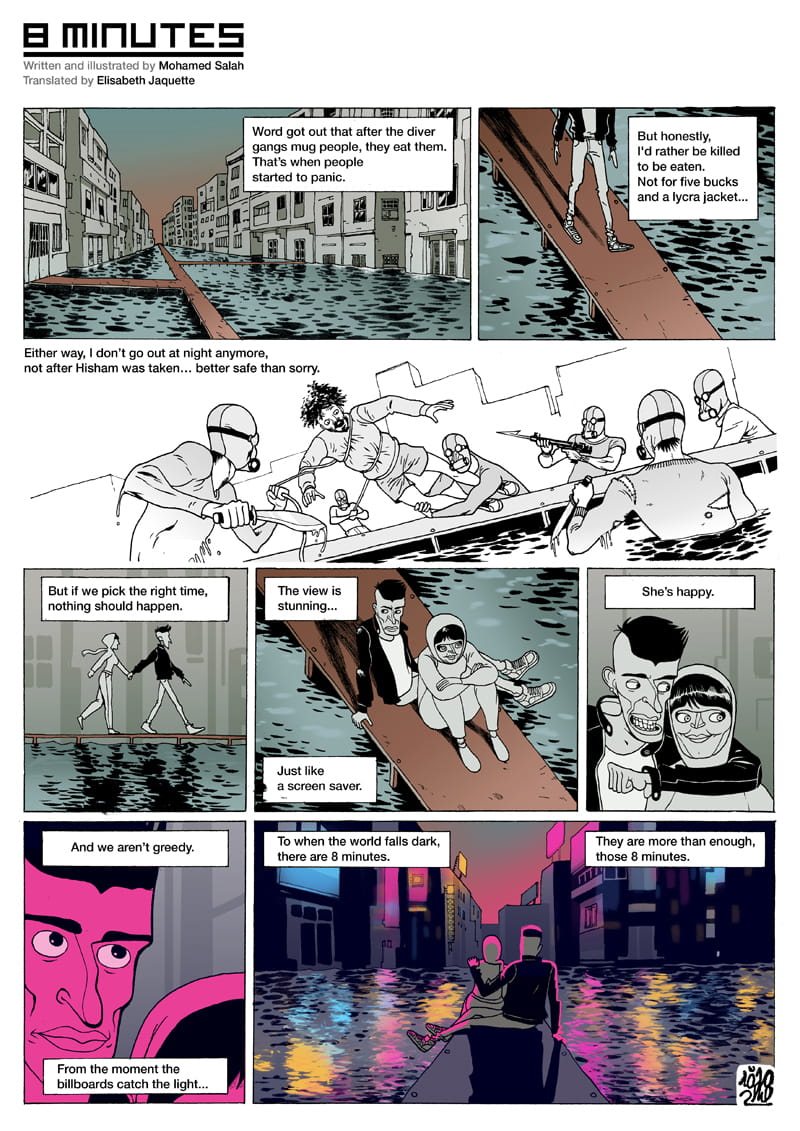 |
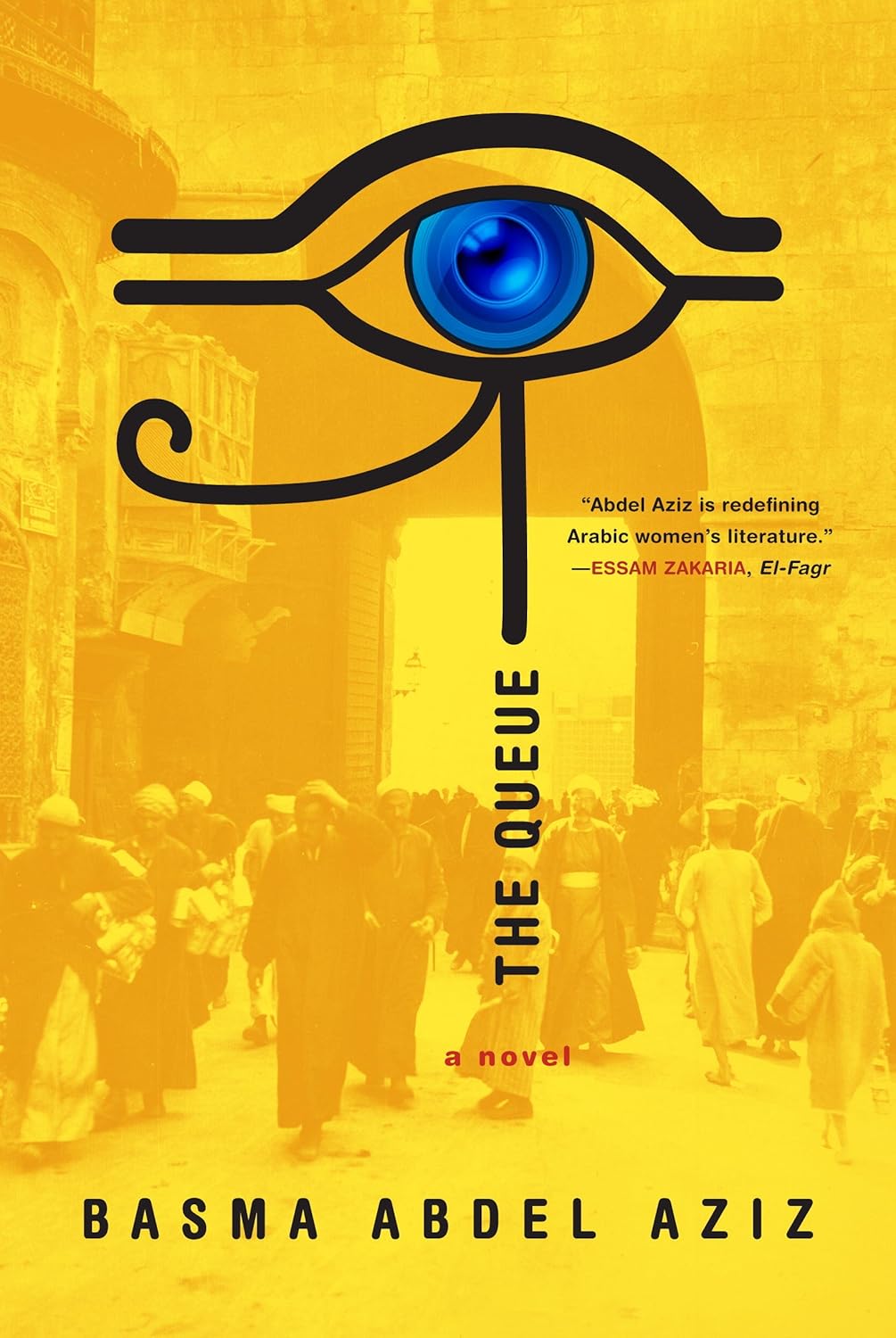
Works by Basma Abdel Aziz translated by Elisabeth Jaquette: The Queue
(Melville House, May 24, 2016, cover by Archie Ferguson), and 8 Minutes
The diversity of Elisabeth Jaquette’s oeuvre is impressive. Her Arabic to English translations span multiple genres from sci-fi to nonfiction to political thrillers. Many of her translations offer a window into the post-Arab Spring Middle East. Geographically, they have helped expose readers to authors from North Africa to Yemen.
In 2016, her translation of Basma Abdel Aziz’s dystopian novel The Queue received the English PEN Translates award. Another translation of an Abdel Aziz story was featured in The Apex Book of World Sci-Fi Vol.5. Other speculative works Jaquette has translated include the graphic comic 8 Minutes by Mohamed Salah.
Giuseppe di Martino
 |
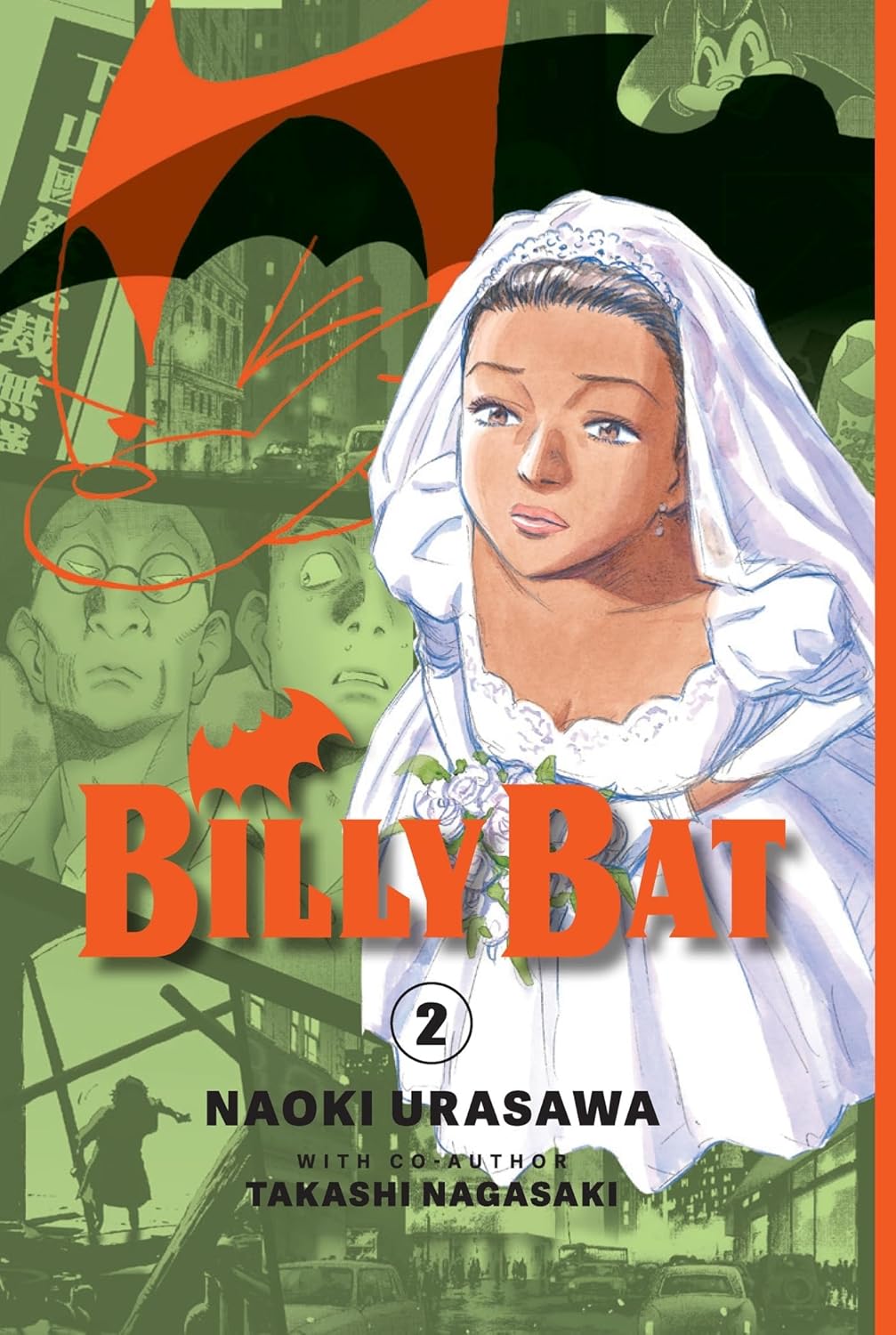 |
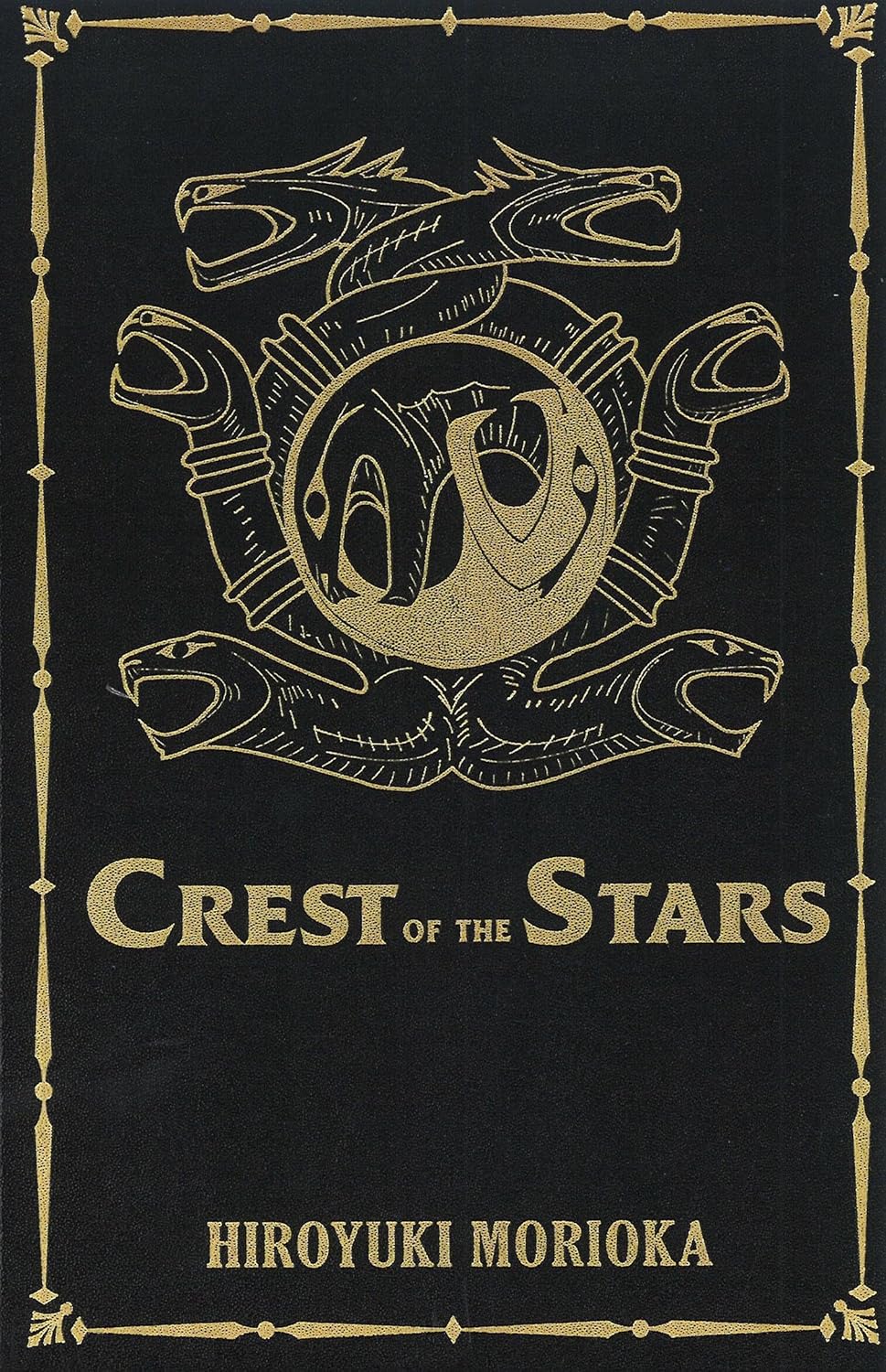
Japanese-English translations by Giuseppe di Martino: Hiroyuki Morioka’s
Crest of the Stars Volumes 1-3 Collector’s Edition (JNC, March 3, 2020), and
Naoki Urasawa and Takashi Nagasaki’s Billy Bat, Volume 2 (Kana, September 1, 2026)
The number of great Japanese-English translators of fiction is so vast, we could spend hours talking about the individuals feeding the world’s hunger for light-novels, short stories, and manga. You have folks like Yuki Tejima (translator of Mizuki Tsujimura’s Lost Souls series), Ajani Oloye (The Deer King by Nahoko Uehashi), Alexander O. Smith (All You Need Is Kill by Hiroshi Sakurazaka) and so many others.
But in terms of speculative novels, Giuseppe di Martino is definitely among the best. He’s translated several of Hiroyuki Morioka’s space operas, such as Crest of the Stars, as well as numerous light-novels. For the more manga-inclined, di Martino is the translator of one of the year’s most hotly anticipated titles, namely volumes two and three of Naoki Urasawa’s Billy Bat.
Anton Hur
 |
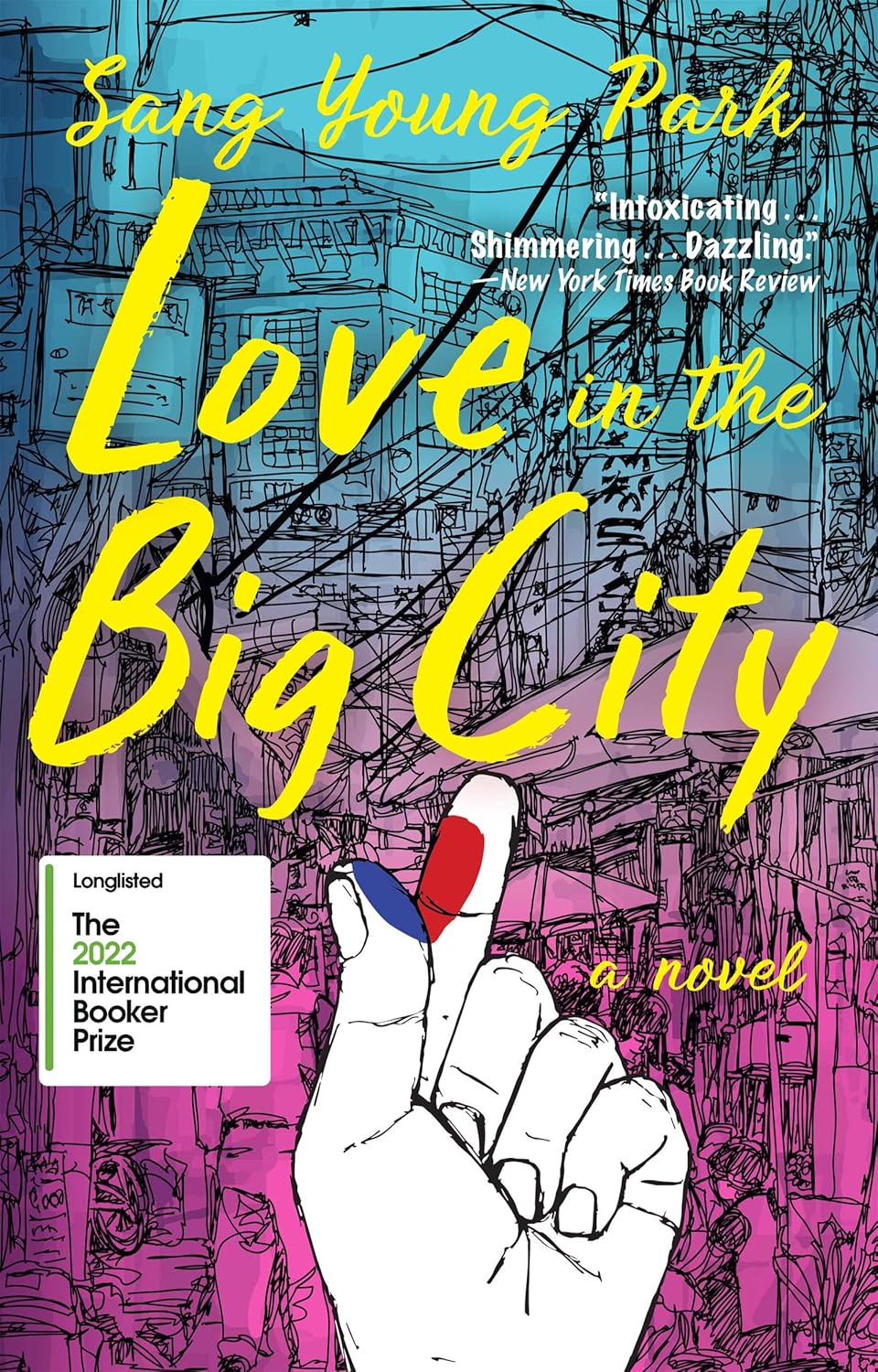 |
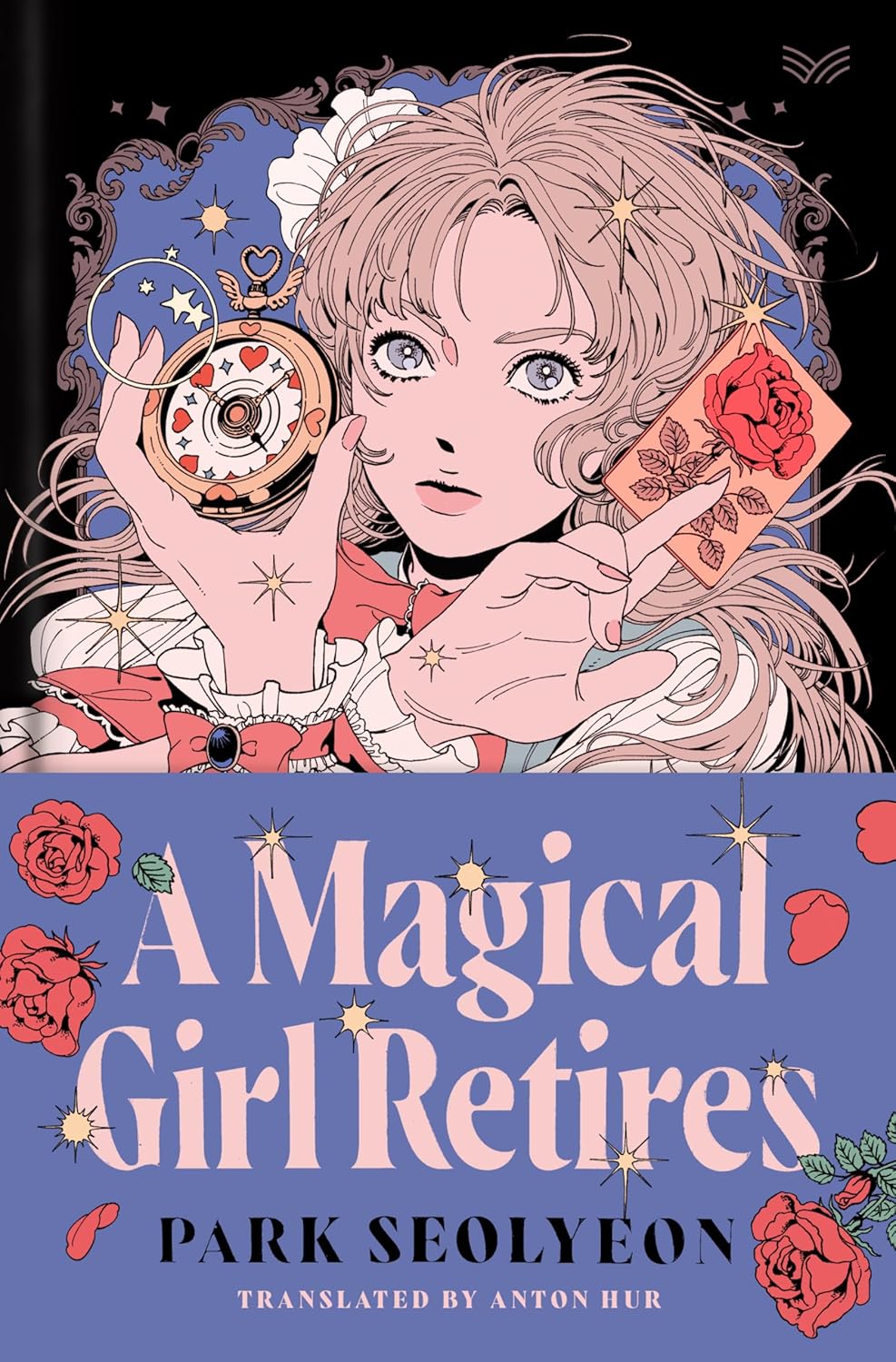
Translations by Anton Hur: Park Seolyeon’s A Magical Girl Retires (HarperVia, April 30,
2024), and Sang Young Park’s Love in the Big City (Grove Press, November 16, 2021)
South Korea has long been a heavyweight in the world of literature and when it comes to the speculative genre, Anton Hur has had a hand in translating some of the nation’s best into English. The Stockholm-born author’s CV reads almost like a ‘Who’s Who’ of South Korea’s most acclaimed works including major prize darlings like Bora Chung’s Cursed Bunny, Park Seolyeon’s A Magical Girl Retires, and Sang Young Park’s Love in the Big City.
This year we’ll have a chance to read perhaps his most ambitious translation yet when The Bird That Drinks Tears is released on June 2. As the first of four books in one of Korea’s wildly popular The Heart of the Nhaga series, don’t be surprised if the novel and Hur enjoy Witcher-levels of success.
Ken Liu
The author of The Grace of Kings wears many hats. His work to bring greater attention to contemporary Chinese sci-fi has been tremendous, include editing the massive anthologies Broken Stars and Invisible Planets. But most importantly for this list are the large number of translations he has done.
Fiction translated by Liu has appeared in Clarkesworld, The Best Science Fiction of the Year series, SQ Mag, Lightspeed, and Galaxy’s Edge. Some of the finest science fiction authors in China have trusted them with their work, a longlist that includes Chen Qiufan, Xia Jia, and Bao Shu.
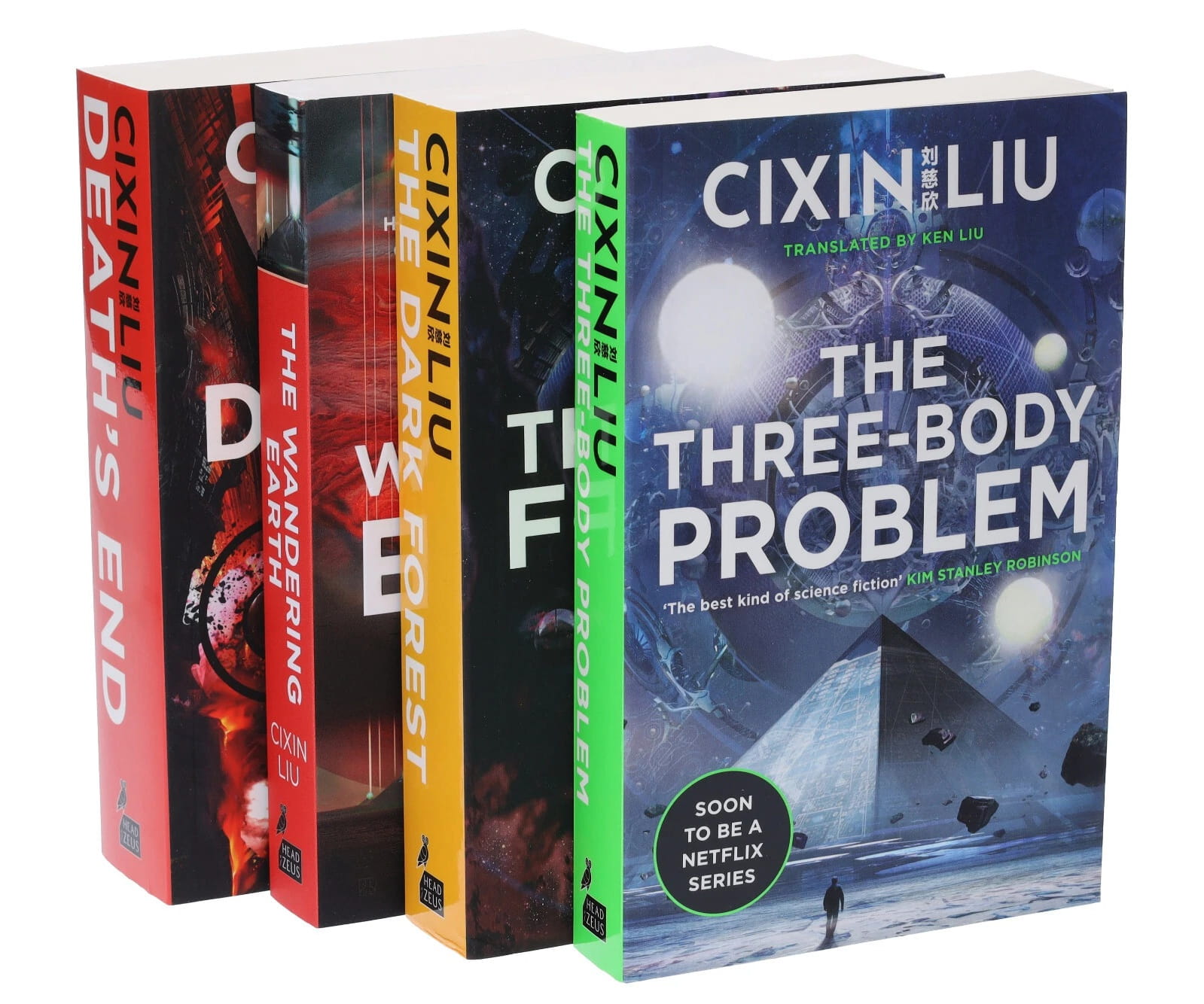
It is as the translator of Cixin Liu’s work, however, that Ken Liu is best known. He translated the first, third, and fourth books in the best-selling Three-Body Problem series. Other efforts to bring Cixin Liu’s work to English-speaking audiences include translations of short stories such as The Weight of Memories.
What’s your favorite translated sci-fi work? Let us know in the comments below!
Ismail D. Soldan’s last article for Black Gate was Sci-Fi Dystopias We Should Learn From. He is an author, journalist, and poet. His work has previously appeared in Illustrated Worlds, LatineLit, and The Acentos Review among other publications. A proud explorer of both real and imagined worlds, some of his latest published work include The Right Kind of Royalty (on swordsandsorcerymagazine.com) and Heavenfall (in JR Handley Presents: Contested Landing Volume 2).
I am happy that we are getting more translated books and stories from around the world; I wish we could see more SFF translations from France, Germany and Italy–I keep hearing about great authors in those countries that we never get to see translated here.
I heard Mr. Ken Liu at Readercon discuss translation challenges. For example, if the text makes an allusion to a famous Chinese military figure, do you use the original name and add a footnote, or do you switch the allusion to someone recognizable by American readers like ‘George Washington’? Either choice can be made.
And I agree that the Hussite Trilogy is terribly overlooked. It is my favorite historical fantasy series. And blessings on Mr. French for handling the translation so adroitly as not to lose me in the complications of religious heresies, political ambitions, and Central European geography and geopolitics.