Sudden Joyous Turns: Pilgrimage: The Book of the People by Zenna Henderson
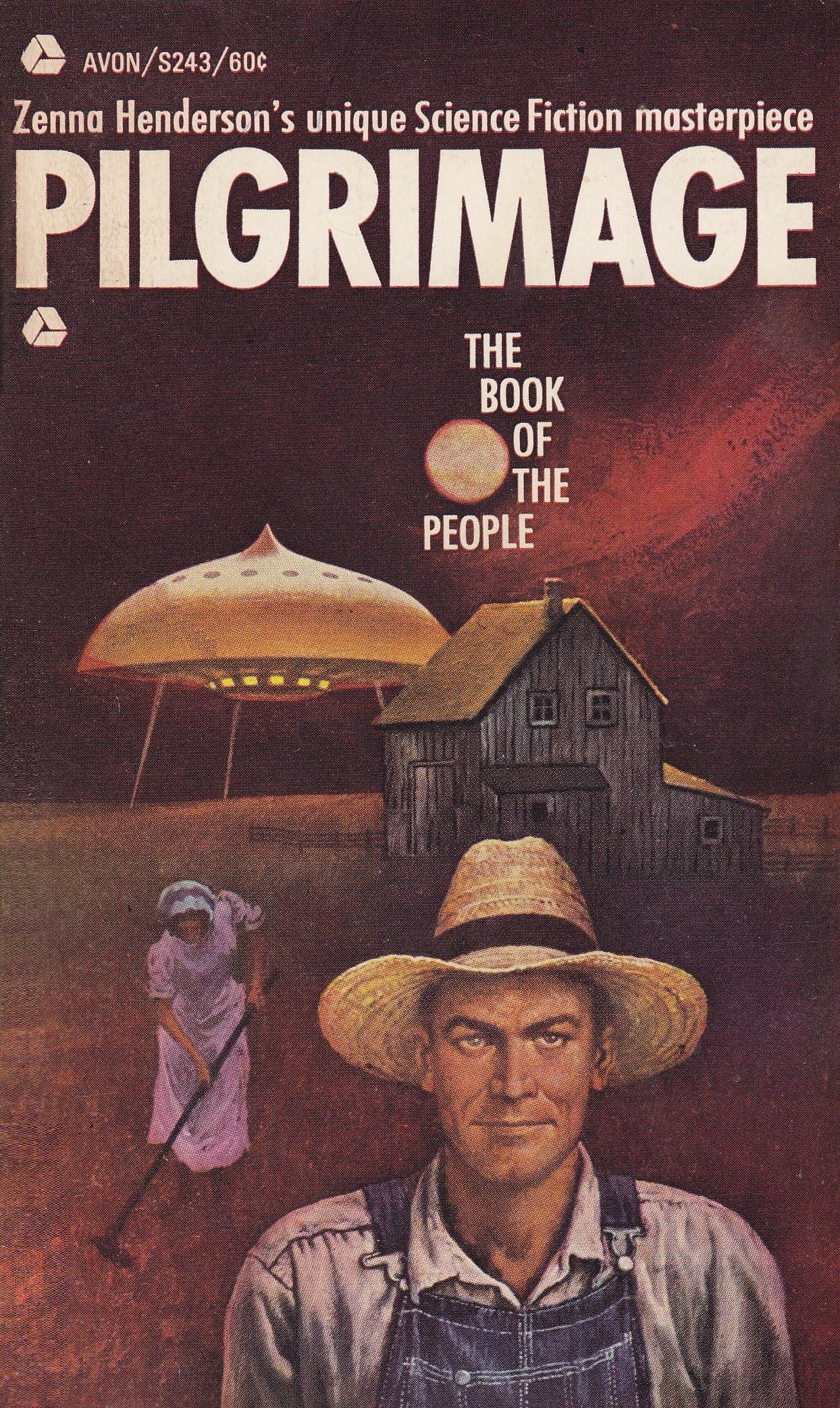
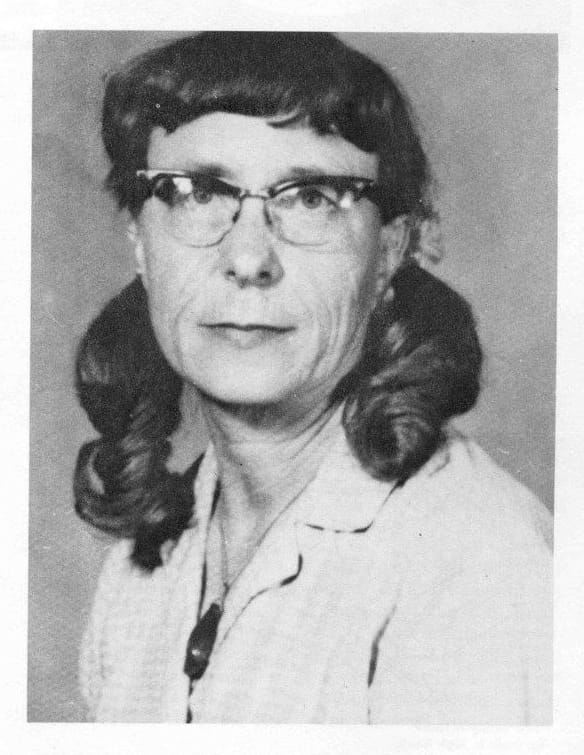
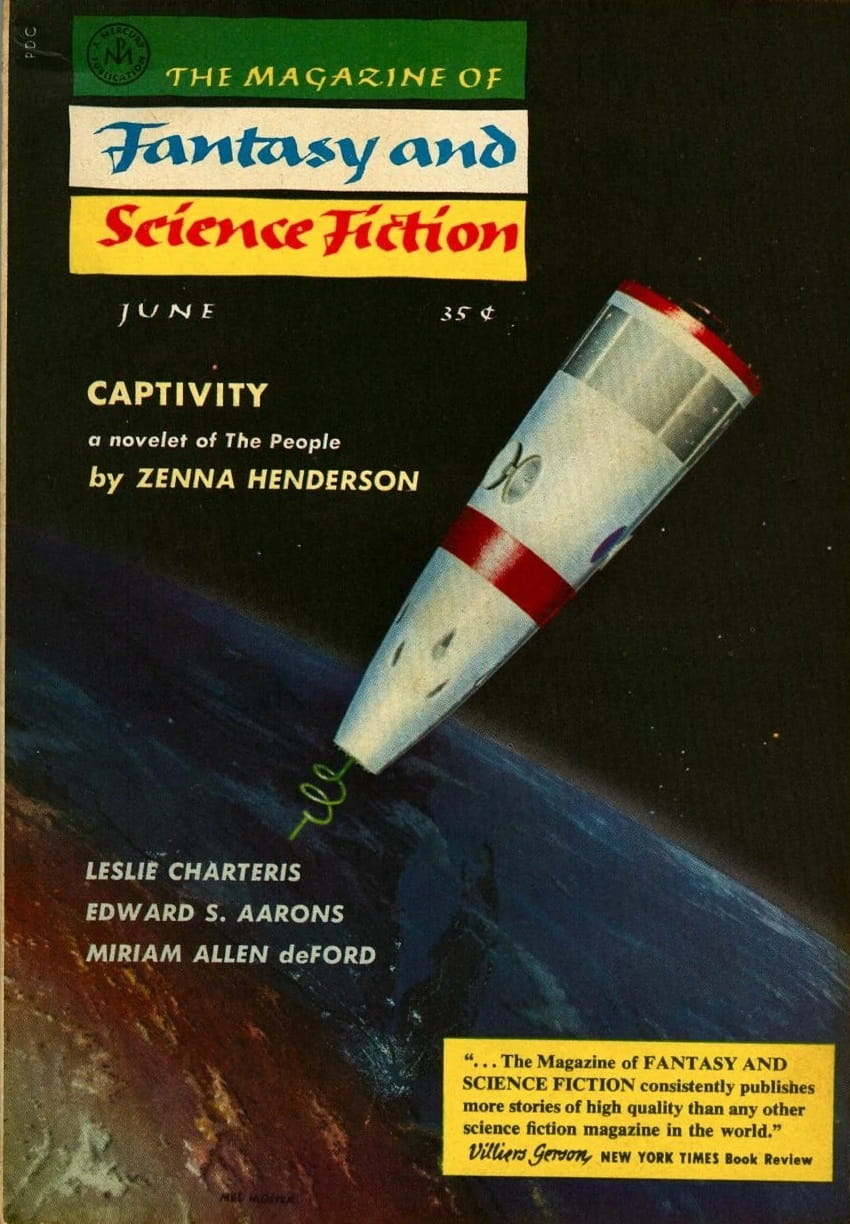
Zenna Henderson was one of the better known woman science fiction writers of the 1950s and 1960s. One of her early stories, “Ararat,” published 1952 in The Magazine of Fantasy and Science Fiction, became the start of perhaps her best known work, the stories of the People.
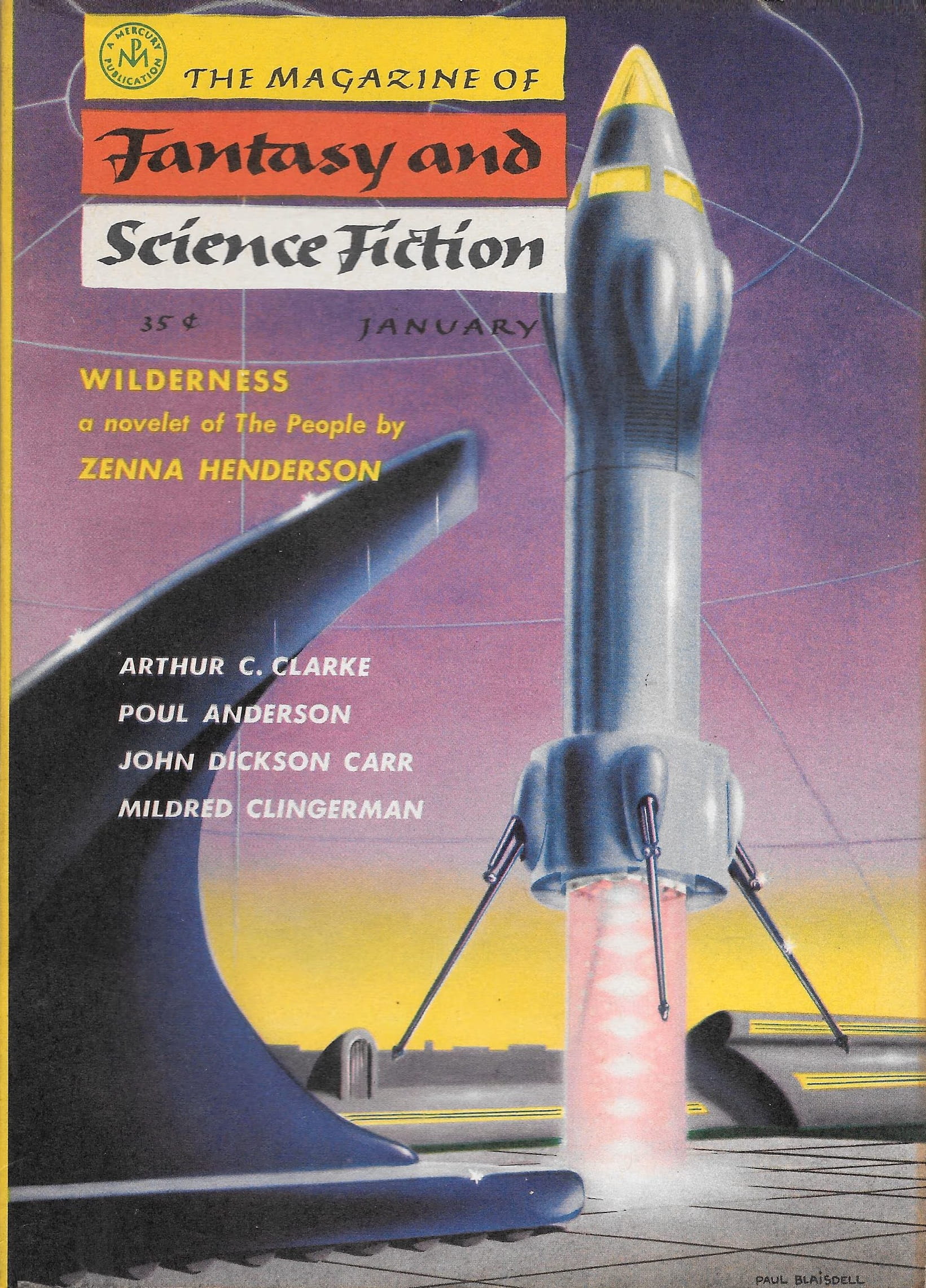
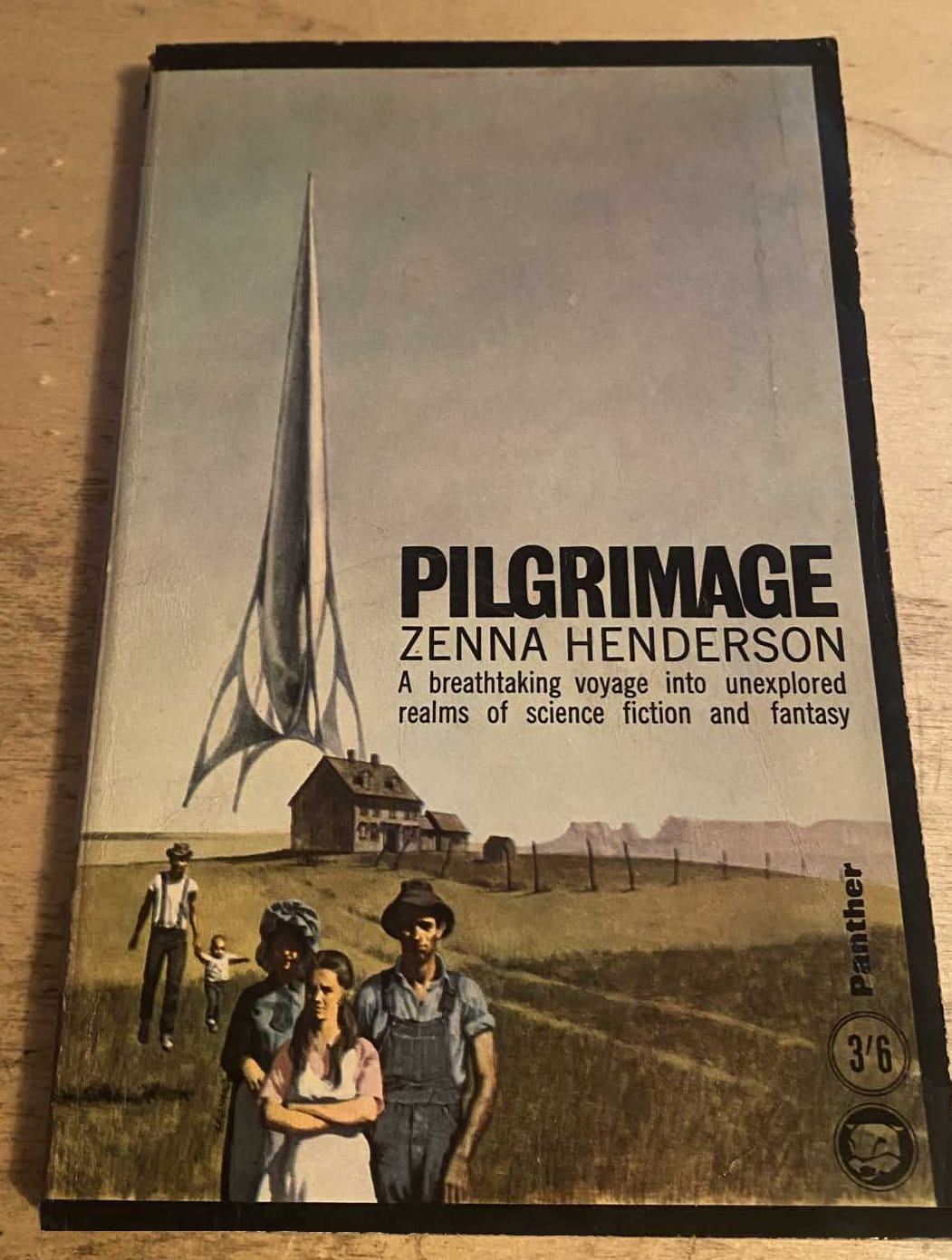
The first six of them, all dating to the 1950s, were brought together in 1961 as Pilgrimage. This is a fix-up, tied together with a framing narrative about a young woman whose intended suicide is interrupted by one of the People, and who then witnesses the telling of incidents from the People’s history. But there’s more continuity than the framing narrative; the later stories refer back to the earlier and reintroduce some of their characters.
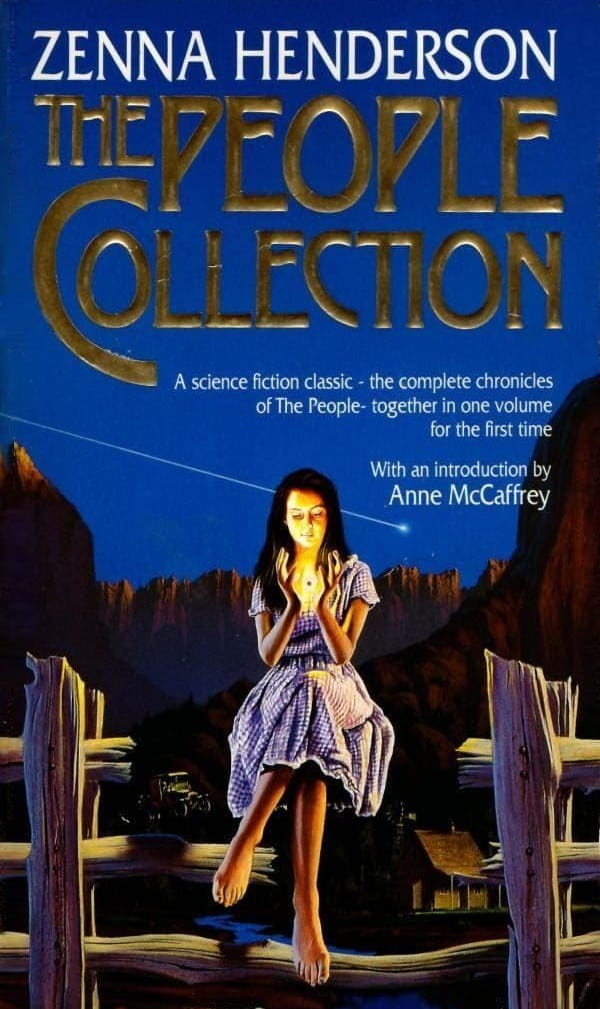
[Click the images for People-sized versions.]
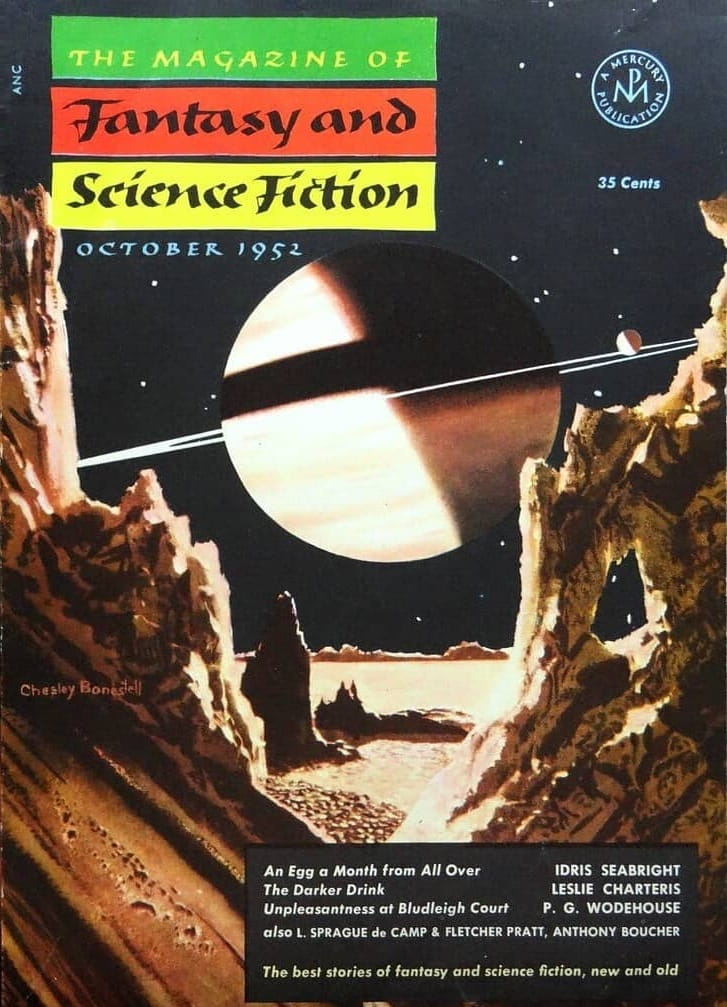
What kind of fiction is this? The People have strange powers, which are sometimes called “magic,” and which often look like the “psionics” that authors in Astounding Science Fiction wrote about (one of the enthusiasms of its editor, John W. Campbell); their own name for them is Designs and Persuasions, which doesn’t commit her to a specific genre.
We’re told that the People arrived on Earth from another planet that had been destroyed, some fifty years earlier; the final story in this volume, “Jordan,” explicitly refers to a starship, which strongly suggests science fiction. Most of the People’s capabilities appear to be based on their own special powers, rather than on engineering, a concept that might have appealed to Campbell had these stories been offered to Astounding.
However, it’s vital that the People also have a sense of the presence of God — and this appears to be, not merely an independently evolved myth, but the perception of a universal reality; the People recognize the Christian scriptures as an expression of their own beliefs, and the titles of Henderson’s stories all allude to them. The People themselves are not an alien species — there are children of mixed parentage — and this may be easier to accept in a theistic cosmology where both People and “outsiders” (meaning us) were created in God’s image.
Following on from this, one of the persistent themes of these stories is alienness: not fitting in with other people. In these stories, that’s largely tied up with heightened sensibility, extended to a form of telepathy, but also to artistic and musical talent. In effect, these are stories about not fitting in, a theme that resonated with a lot of young science fiction readers. (Henderson began reading science fiction in 1929, at 12, and perhaps she was such a young reader herself.)
Half a dozen characters in several of the stories go through such an experience, and have inner selves that they keep masked from the world around them. This sensibility is a lot like that of romantic poetry, such as Wordsworth’s “Intimations of Immortality” or the poems in Blake’s Songs of Innocence.
But the alienness also includes some impressive powers; the People may not wear capes and spandex, but they can do things on a superheroic scale. To start with, all of them seem to have the ability to fly (or “lift”), a superheroic commonplace. But we also see them performing feats such as causing a cloudburst to put out a fire, or opening up a dangerous mine that has started to cave in.
 |
 |
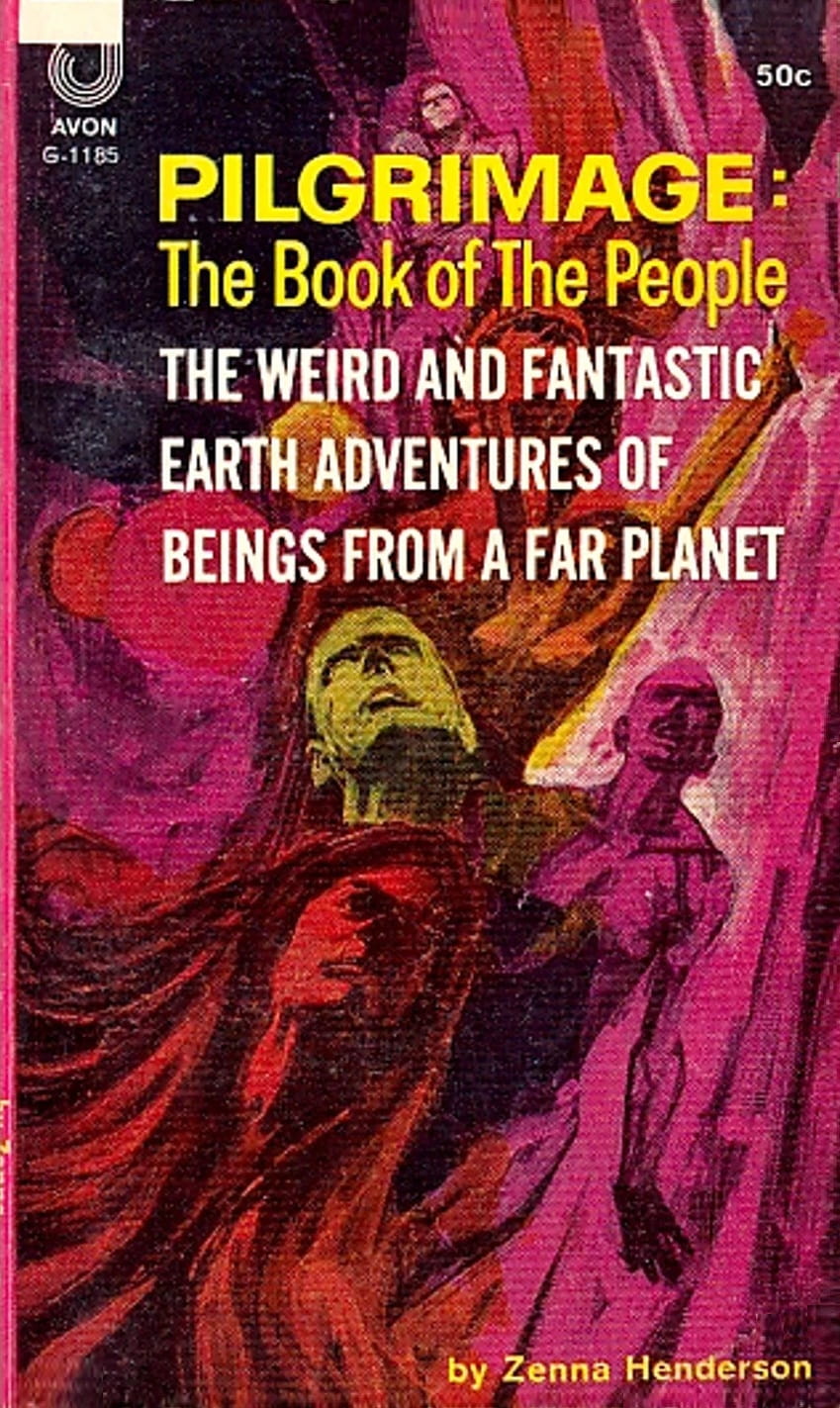
Pilgrimage by Zenna Henderson (Avon Books, 1961)
A lot of these feats seem to be done by somehow capturing various forms of natural light in their hands and directing them, an original image that’s not typical of either “magic” or “psionics” as usually portrayed.
And then lightning leaped from finger to finger of her lifted hands. And lightning answered in the clouds above her. With a toss of her hands she threw the cold, the lightning, the sullen shifting smoke upward, and the roar of the racing fire was drowned in a hissing roar of down-drenching rain.
However, part of the backstory of the People is that their powers frightened the American frontier people among whom they landed. (A second collection, The People: No Different Flesh, tells stories set in this era.) They were in danger of being judged as monsters or witches, and sometimes killed.
 |
 |
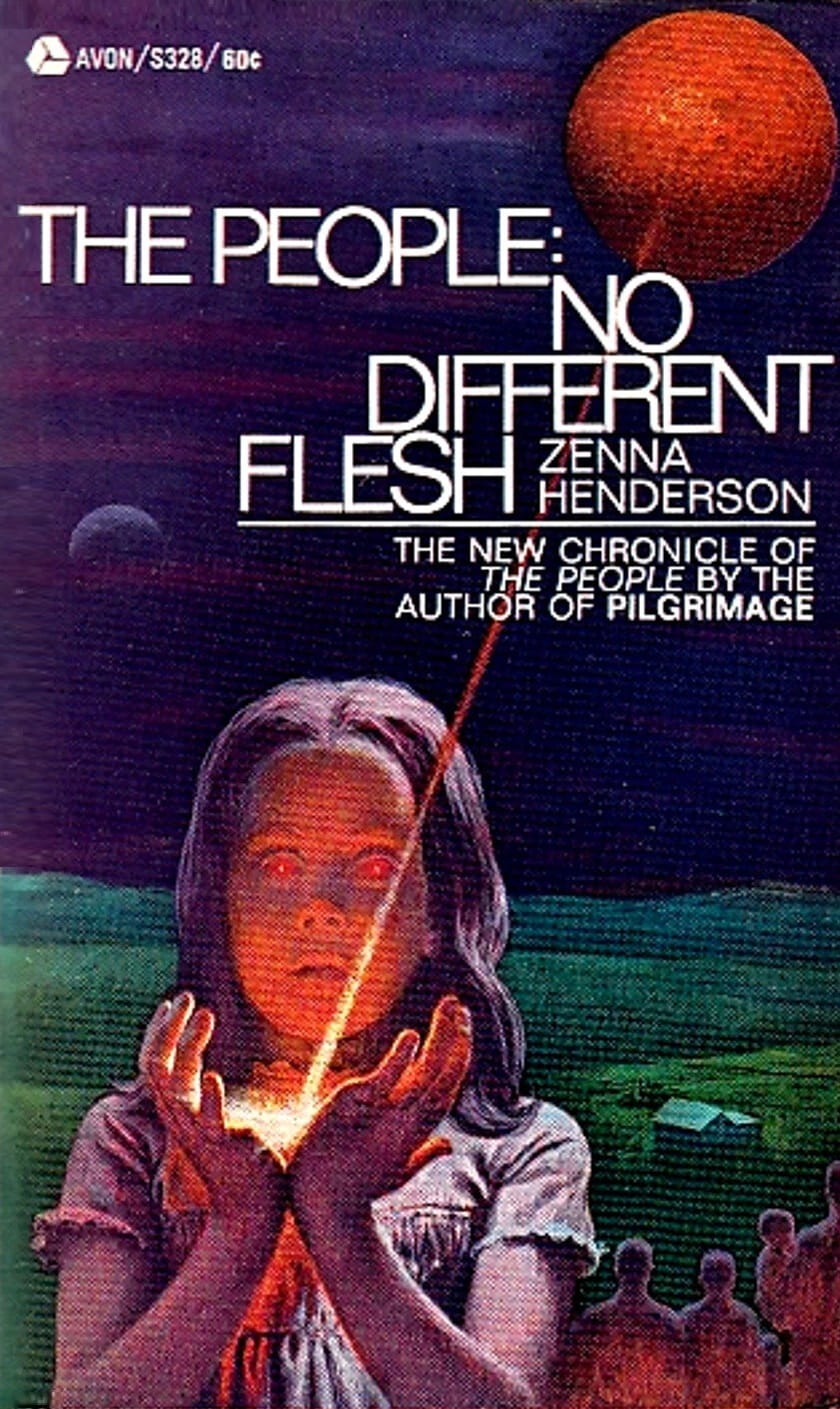
The People: No Different Flesh by Zenna Henderson (Avon Books, 1968)
So they make a point of hiding their unusual abilities. One story shows an entire community still so scarred, two generations later, that its people are trying not merely to conceal but to suppress their gifts entirely; its title, “Pottage,” is a pointed allusion to a story of selling one’s birthright.
Many of these stories focus on teachers, like Henderson herself, often as their narrators. They play a variety of roles: as witnesses to nascent powers that children haven’t fully learned to conceal; as healers for cultural trauma; as moral advisors for young people at odds with an intolerant society — and also, sometimes, as having their own secrets. Henderson often shows teachers in small communities with just enough children to justify a one-room schoolhouse.
The implied goal of a lot of these stories seems to be, on one hand, assimilation, enabling the People to fit into the world of “outsiders,” as a lot of immigrants from less remote places had to, and were taught to by generations of schoolteachers. But on the other hand, Henderson says that the People’s special qualities are worth preserving. And in the final story, “Jordan,” when contact with a starship from another branch of the People, established on a world with no native race to struggle with, the central conflict arises from the choice of whether to leave Earth for the “new Home,” or stay on Earth.
On one hand, Earth is a world of danger and struggle; on the other, the new Home seems a little too self-satisfied, an elaborately manicured garden rather than a wilderness. It’s quite credible when Salla, a young woman from there, finds the freedom and spontaneity of Earth attractive. The end of “Jordan” seems to leave Bram attracted to both Salla and his closest Earth friend, Obla.
This question is all the more acute for characters who aren’t entirely of the People. The In-Gathered were separated from the other People, and grew up as orphans hiding their powers. The Blends are children of mixed marriages, and there are suggestions that others might occur. The attraction between Clement Francher, an In-Gathered boy with musical gifts, and Twyla, a girl who defends him against an intolerant community, is never resolved, but seems as if it might persist.
A more striking case is Low, an orphaned young man, who meets Perdita, a young woman teacher of purely terrestrial ancestry who has developed exotic powers of her own, suggesting that such gifts aren’t exclusive to the People; the two of them seem firmly attached by the end of the book. All this indicates a prospect of the People becoming part of earthly humanity. So do several characters with purely human abilities who become friends and allies of the People. In the long run, Henderson suggests, there some hope both for Earth and for the People who stay there.
One scene in “Jordan” might be taken as a symbol for this: Bram, a young man of the People born on Earth, is showing Salla around his community. They go into a small cave that’s the source of a spring, and when Salla wishes to see it better, Bram takes out a dime and, using a Persuasion he was taught by Perdita, makes it glow, at first blindingly bright and then at a more comfortable level — and they leave it in the cave, a perpetual source of light in a hidden fountainhead.
The framing story seems to fit in with this theme. Lea, the suicidal young woman intercepted by Karen, the narrator of the first story and a recurring character in later stories, is looked after by Karen and taken to hear all of the stories. And during her stay, she becomes aware that there’s more than despair, and begins both struggling to resume her life and trying to find faith.

At the end, there’s a suggestion that she may be falling in love with a man of the People, and he with her — another of Henderson’s mixed couples. There are also marriages within the People, and the birth of a child to one of these is part of the framing story. The end of “Jordan” seems to leave Bram attracted to both Salla and his closest Earth friend, Obla, who themselves are becoming close friends — which I think is dramatic suspense rather than a hint at polyamory!
On one hand, all this is very much a story of its time, with its affirmation both of the necessity of fitting in and of the value of what is, ultimately, another culture. On the other, Henderson can provide both dramatic moments of what Tolkien called “eucatastrophe,” a sudden joyous turn, and a sense that there’s more than despair in life.
Tolkien made eucatastrophe the essence of fantasy, but Henderson has achieved a kind of eucatastrophic science fiction, which has its own rewards.
William H. Stoddard is a professional copy editor specializing in scholarly and scientific publications. As a secondary career, he has written more than two dozen books for Steve Jackson Games, starting in 2000 with GURPS Steampunk. He lives in Lawrence, Kansas with his wife and a hundred shelf feet of books, including large amounts of science fiction, fantasy, and graphic novels.