Talking Out of School About Dark Academia: Katabasis by R. F. Kuang and We Love You, Bunny by Mona Awad
 |
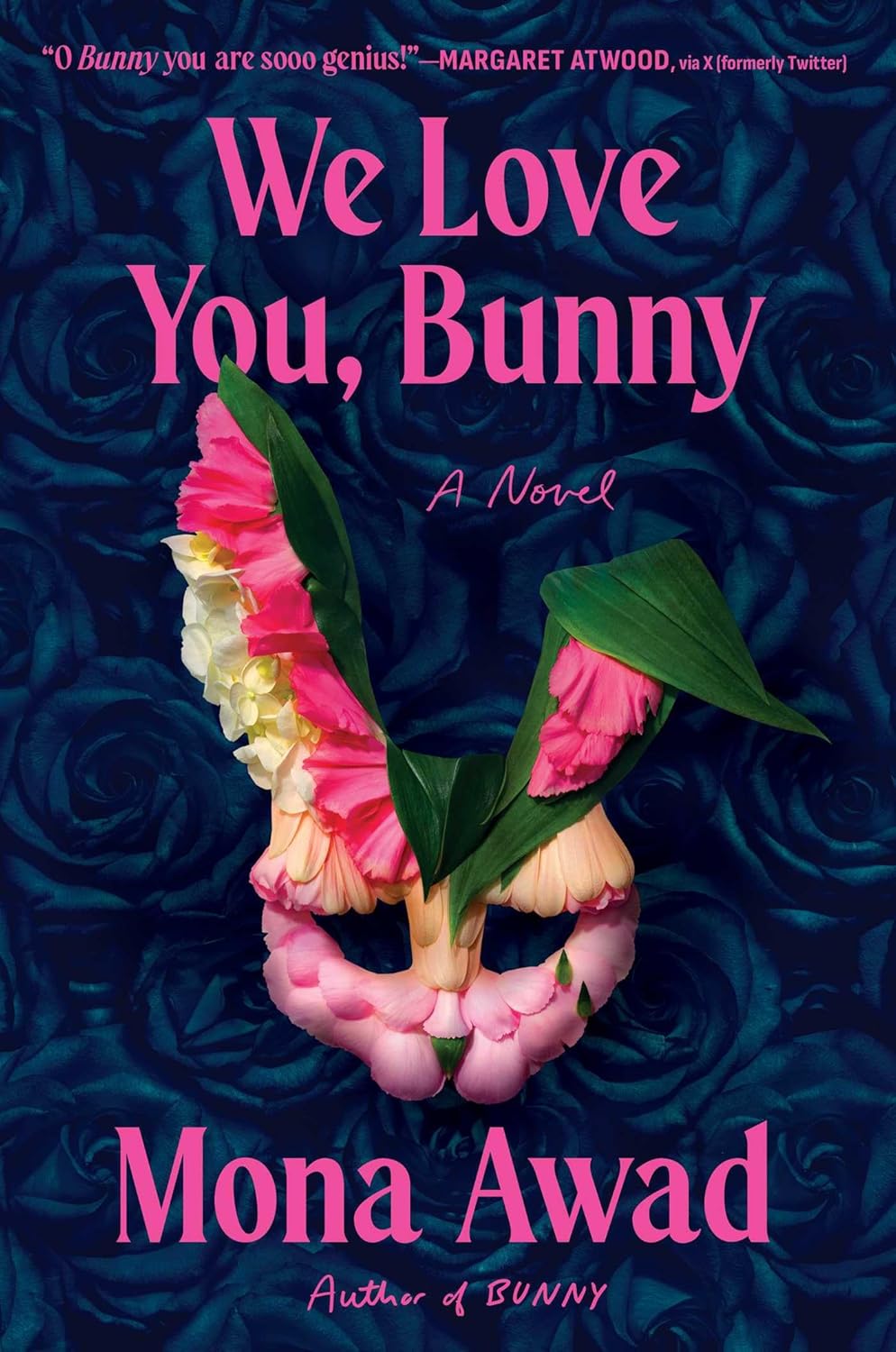 |
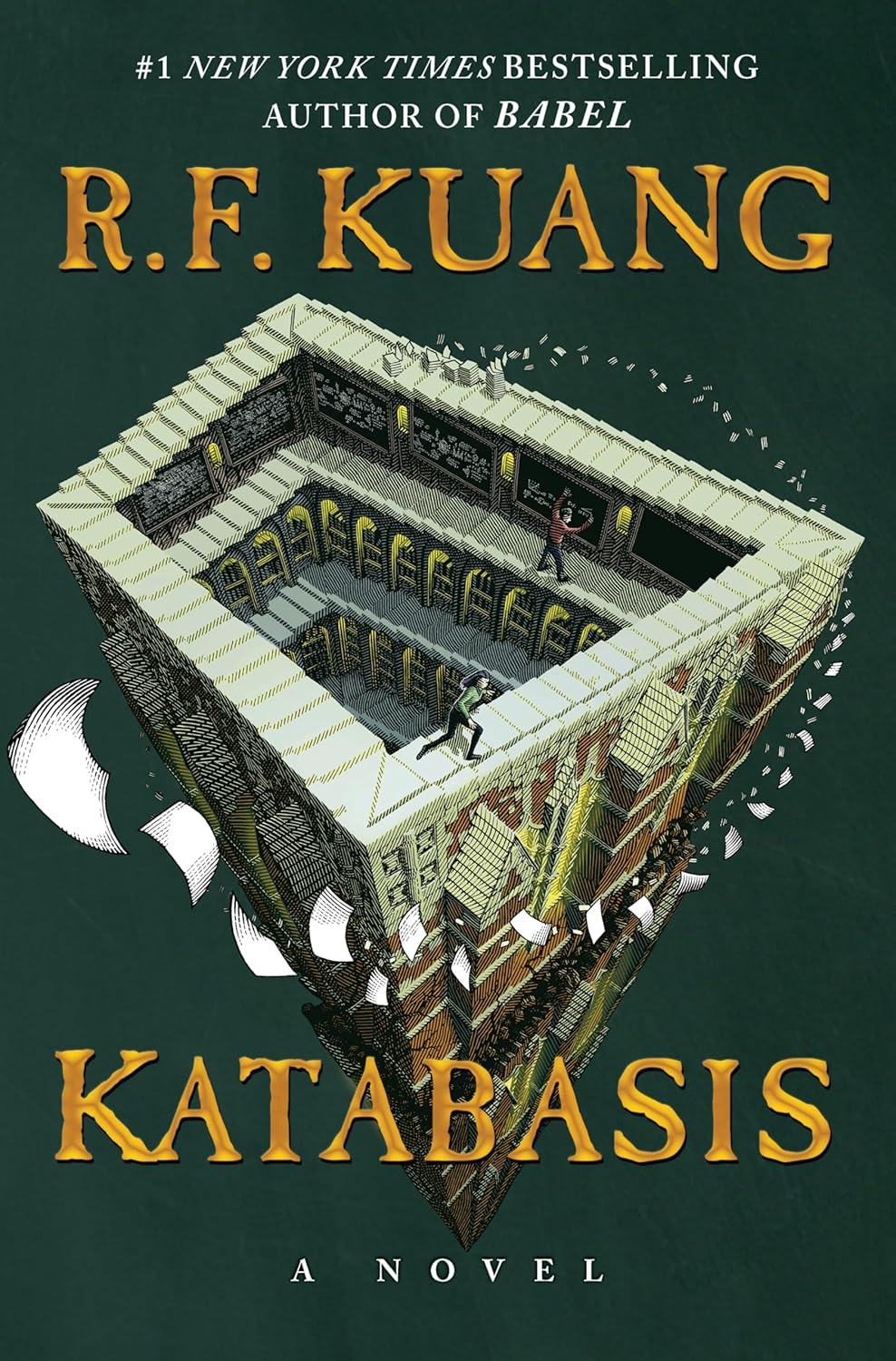
Katabasis by R. F. Kuang (Harper Voyager, August 26, 2025) and We Love You, Bunny by
Mona Awad (S&S/Marysue Rucci Books, September 23, 2025). Covers: Patrick Arrasmith, uncredited
The New York Times traces the inception of the “dark academia” genre to Donna Tart’s The Secret History, a Gothic murder mystery involving Classics students at a liberal arts college. The novel was published in the early 1990s, at about the time an entire generation was getting weaned on Harry Potter and Hogwarts, leading perhaps to an audience primed for settings of shadowy collegiate intrigue.
Perhaps not coincidentally, many dark academia authors hold graduate degrees and professorships at the very elite institutions whose campus culture and academic politics they mock. Which might seem like biting the hand that feeds you. Case in point are two recent novels, Katabasis by R.F. Kuang and We Love You, Bunny by Mona Awad.
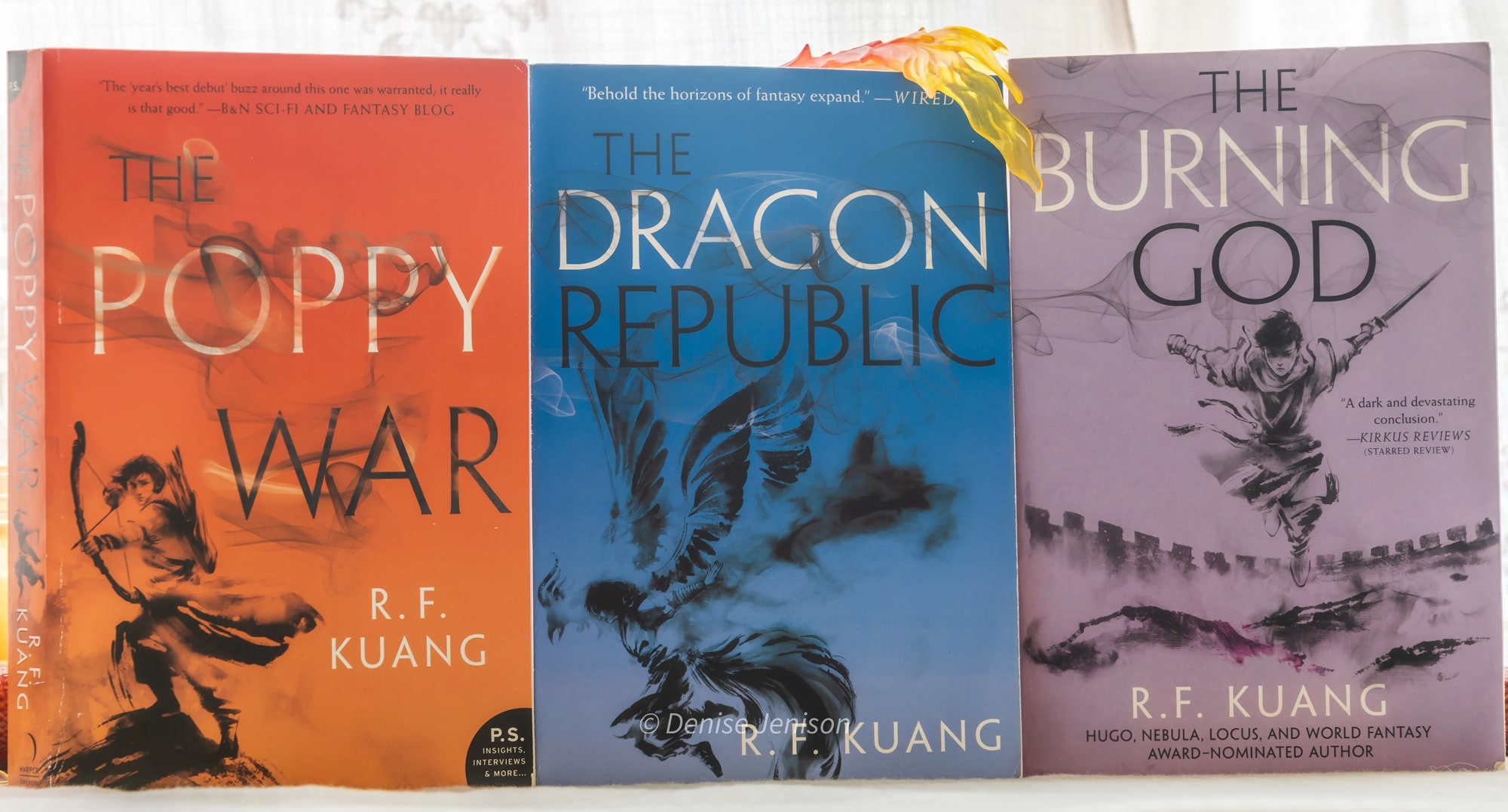
Ph.D. candidate Kuang holds multiple post-graduate degrees (while somehow also managing to write a best-selling fantasy trilogy, a publishing industry satire, and a previous dark academia work, Babel). Which makes you wonder how close to the bone is the underlying plot point in Katabasis of the toxic relationship among a highly regarded but difficult academic advisor, Professor Jacob Grimes, and his two rival graduate student charges, Alice Law and Peter Murdoch. Or whether any of Kuang’s professional associates ever think, “Is she talking about me here?”
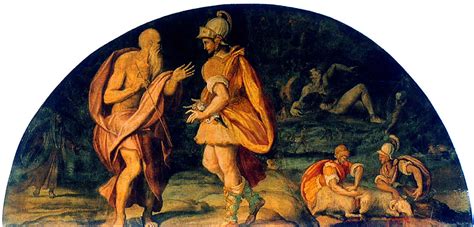
A mishap in setting up a magical experiment, possibly caused by Alice, sends Grimes to Hell. Worried that loss of a Grimes recommendation imperils her future professional career, not to mention guilt over possibly causing his demise, Alice performs an incantation to travel to Hell to retrieve him and bring him back to life. (Katabasis is Greek for a journey to the underworld, c.f., the Greek myth of Orpheus and Eurydice.) Upon discovering Alice’s intentions, Peter jumps in with her, for reasons not as obvious as they first appear.
Given the early hints of jealous attraction between two dissimilar personalities, some readers a few chapters in might dismiss this as less dark academia and more the highly trendy “romantasy.” If that isn’t your cup of tea, for whatever reasons, do read on. There’s a lot more dark unfolding (though, sorry, there’s also the romantasy)¹.
Hell is a lot more complicated place than a horned guy with a pitchfork presiding over an oven of tortured souls. Katabasis is rooted in classical notions of the underworld as well as Eastern concepts of karmic rebirth. There are Dante-like distinct regions of Hell, genre connected by the Lethe river and its memory wiping waters of oblivion, to traverse to attain an audience with King Yama, the Buddhist and Hindu god of death and justice, to plead the release of Professor Grimes. Along the way are archetypal philosophical puzzles to solve, as well as frequent gibes about academics who for one reason or another landed in Hell and haven’t crossed over into a presumably better existence, and frequent flashbacks to reveal character motivations.
The big question here is why Alice and Peter are willing to go through Hell and suffer considerable penalties all for a mentor who isn’t much of one. Perhaps this is an analogy of the typical graduate school grind. Or the growing pains of late adolescence and early adulthood in “finding oneself” (and cue the romantasy). At 29, Kuang herself is not that much removed from this hellish state.
 |
 |
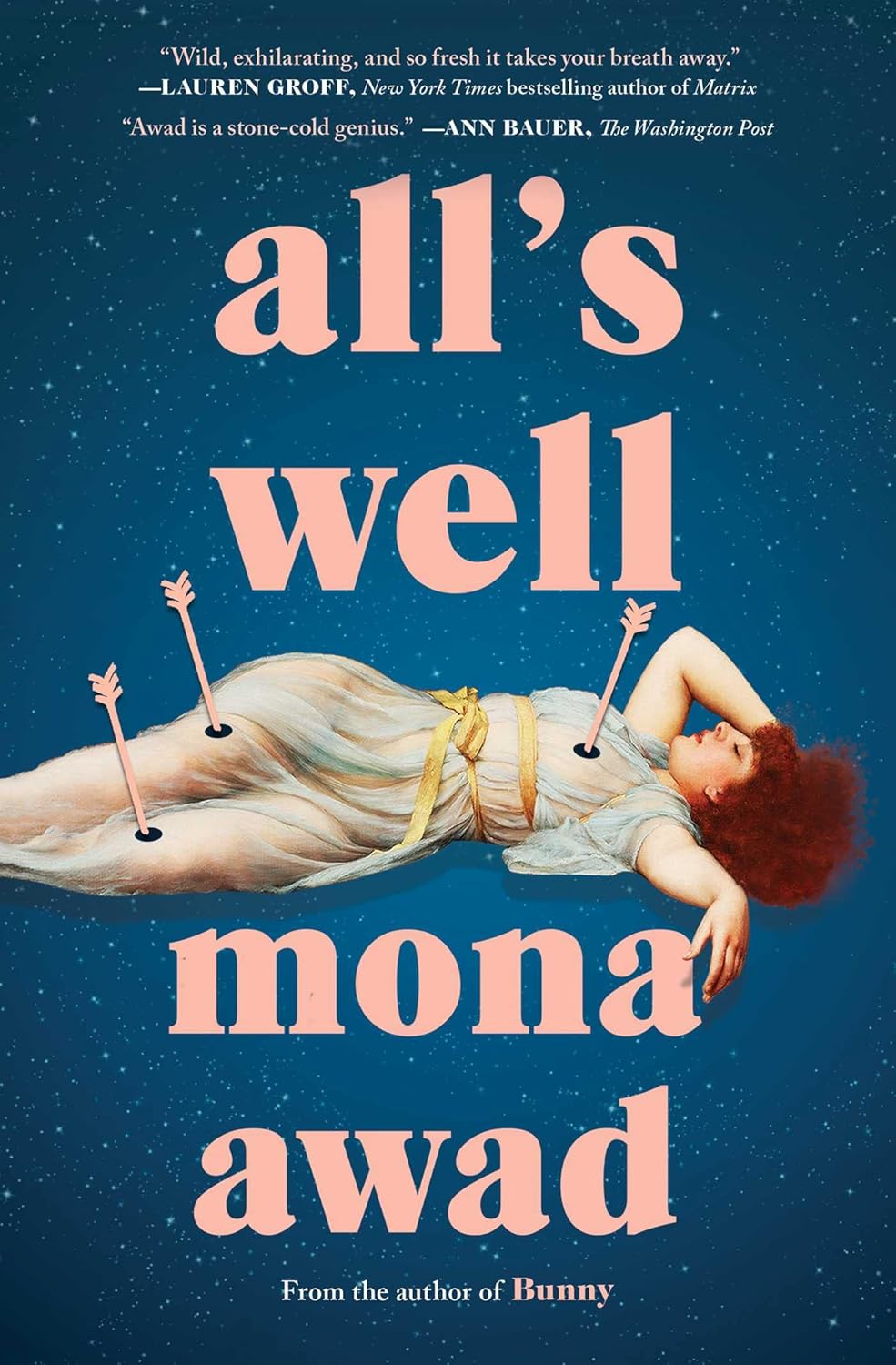 |
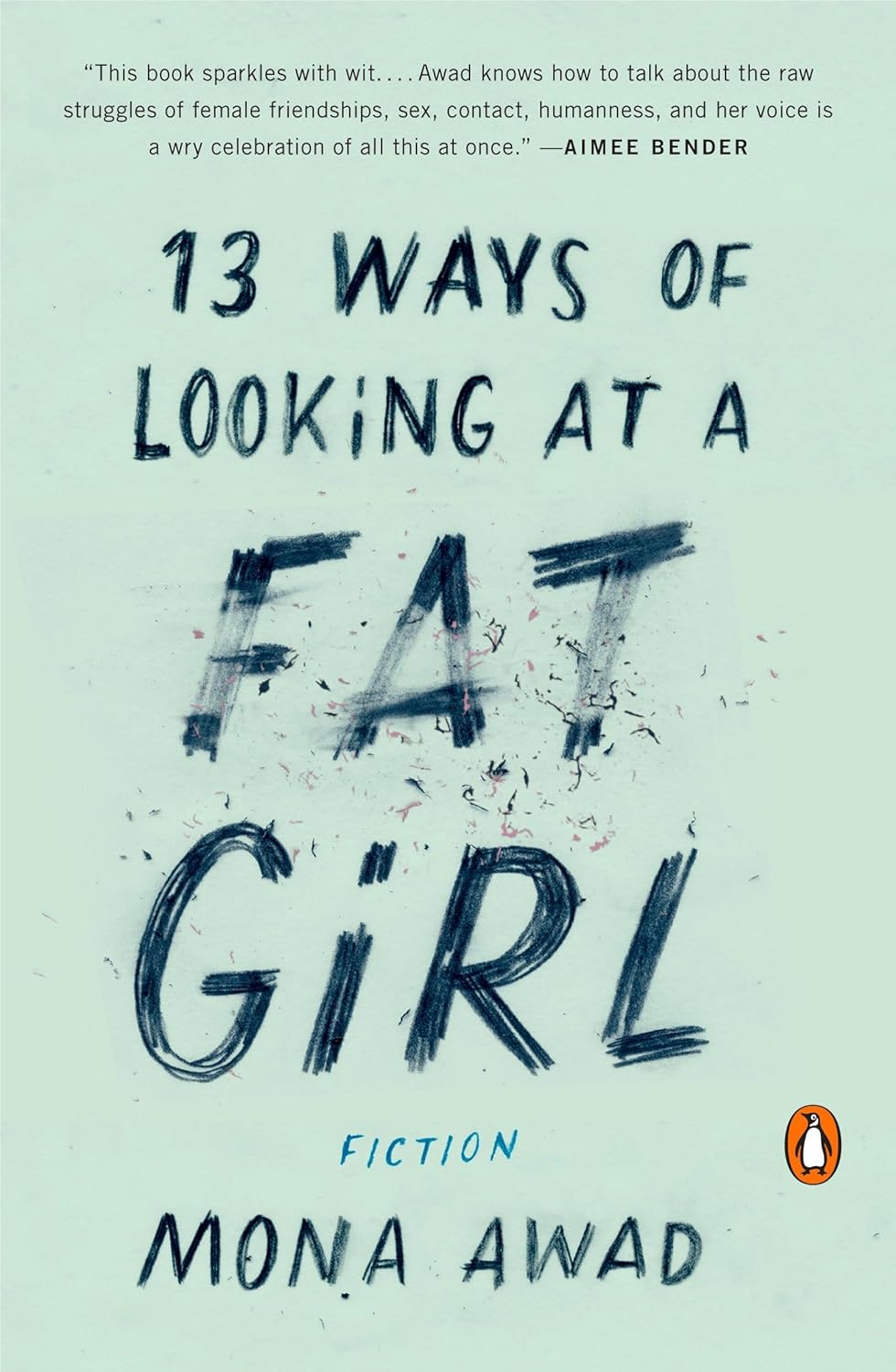
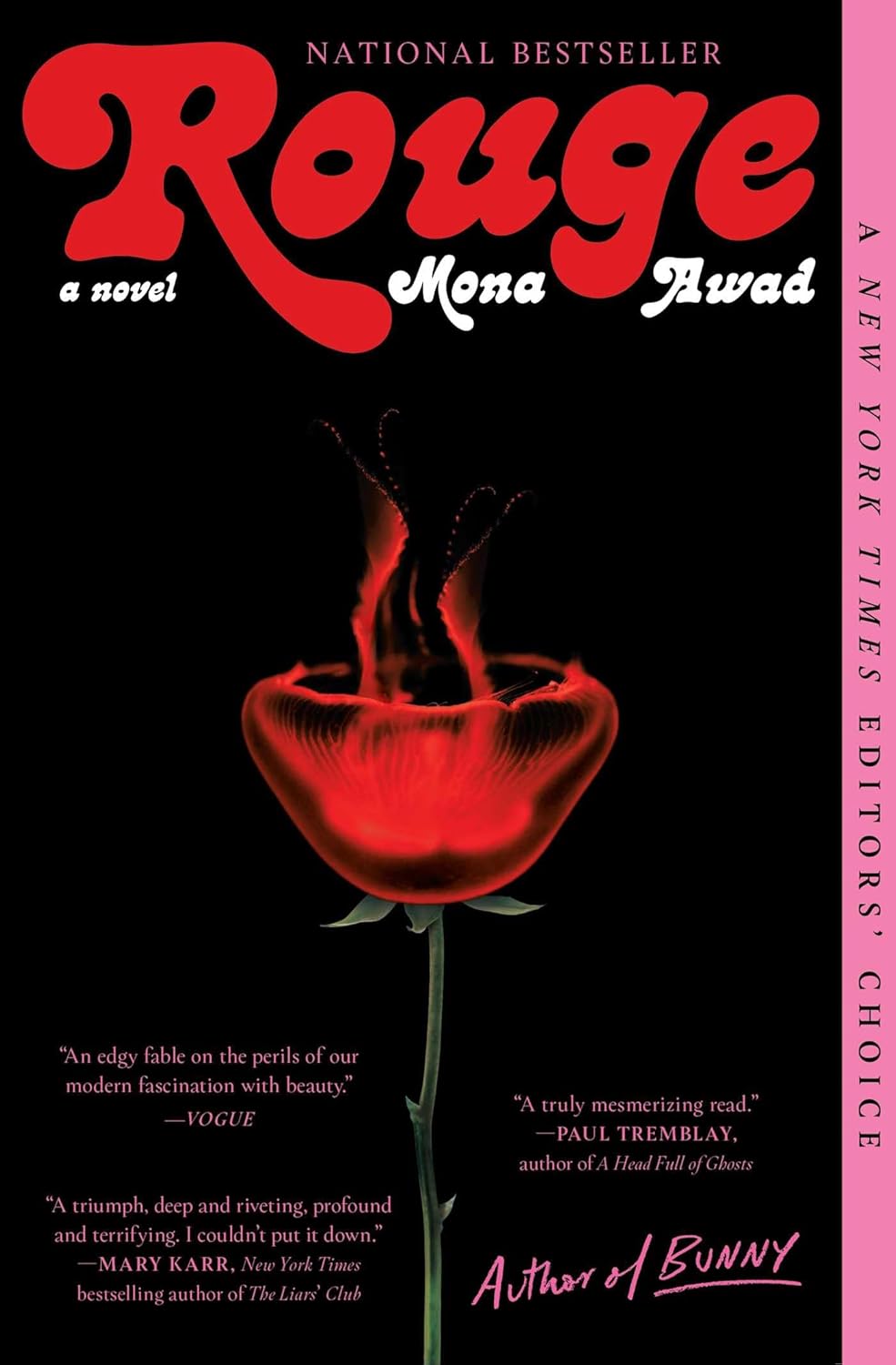
13 Ways of Looking at a Fat Girl (Penguin Books, February 23, 2016), Rouge (S&S/
Marysue Rucci Books, May 7, 2024), and All’s Well (S&S/ Marysue Rucci Books, August 2, 2022)
Mona Awad is older and funnier. Her satiric novels encompass the topics of women’s body image issues (13 Ways of Looking at a Fat Girl) and beauty obsession (Rouge), as well as a Shakespearian inspired tale of female pain and rivalry set in the theater department of a small New England College (All’s Well, a reference to one of the Bard’s so-called problem plays in which complicated issues do not reach a completely satisfying, realistic resolution).
In her latest, Awad revisits the characters in Bunny, a depiction of female cliques taken to an absurdist magical extreme (including, yes, actual bunnies) again in a fictional New England college setting. We Love You, Bunny is simultaneously prequel and sequel. It’s probably best to have read Bunny, though I suppose the uninitiated could muddle through.
 |
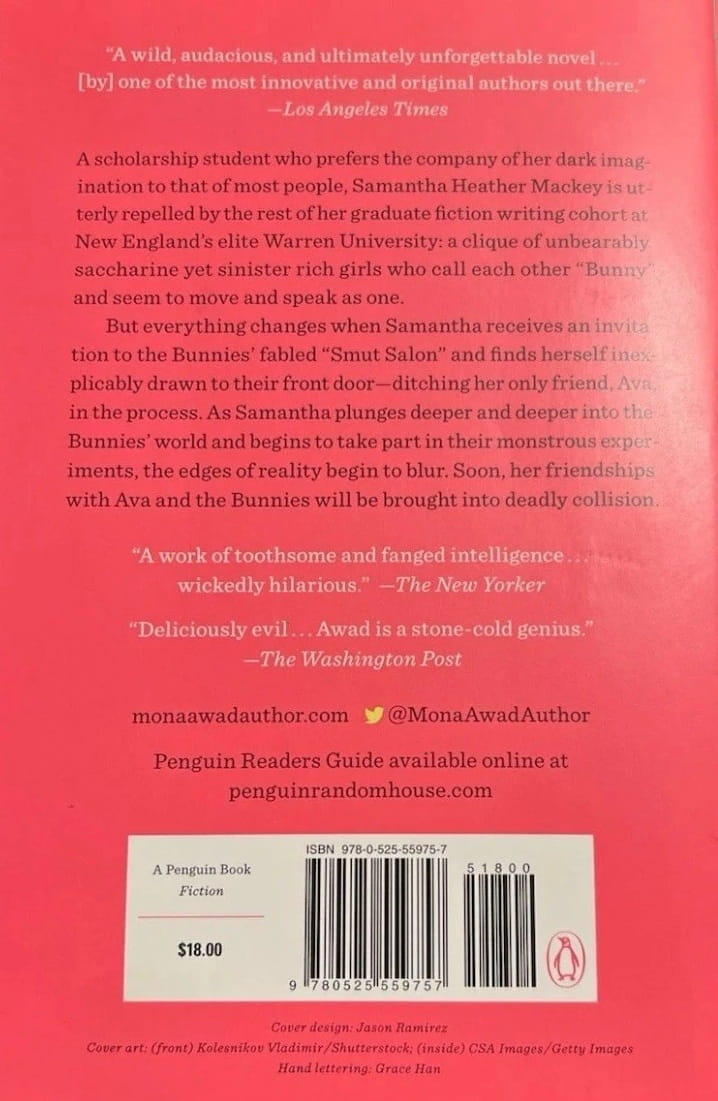 |
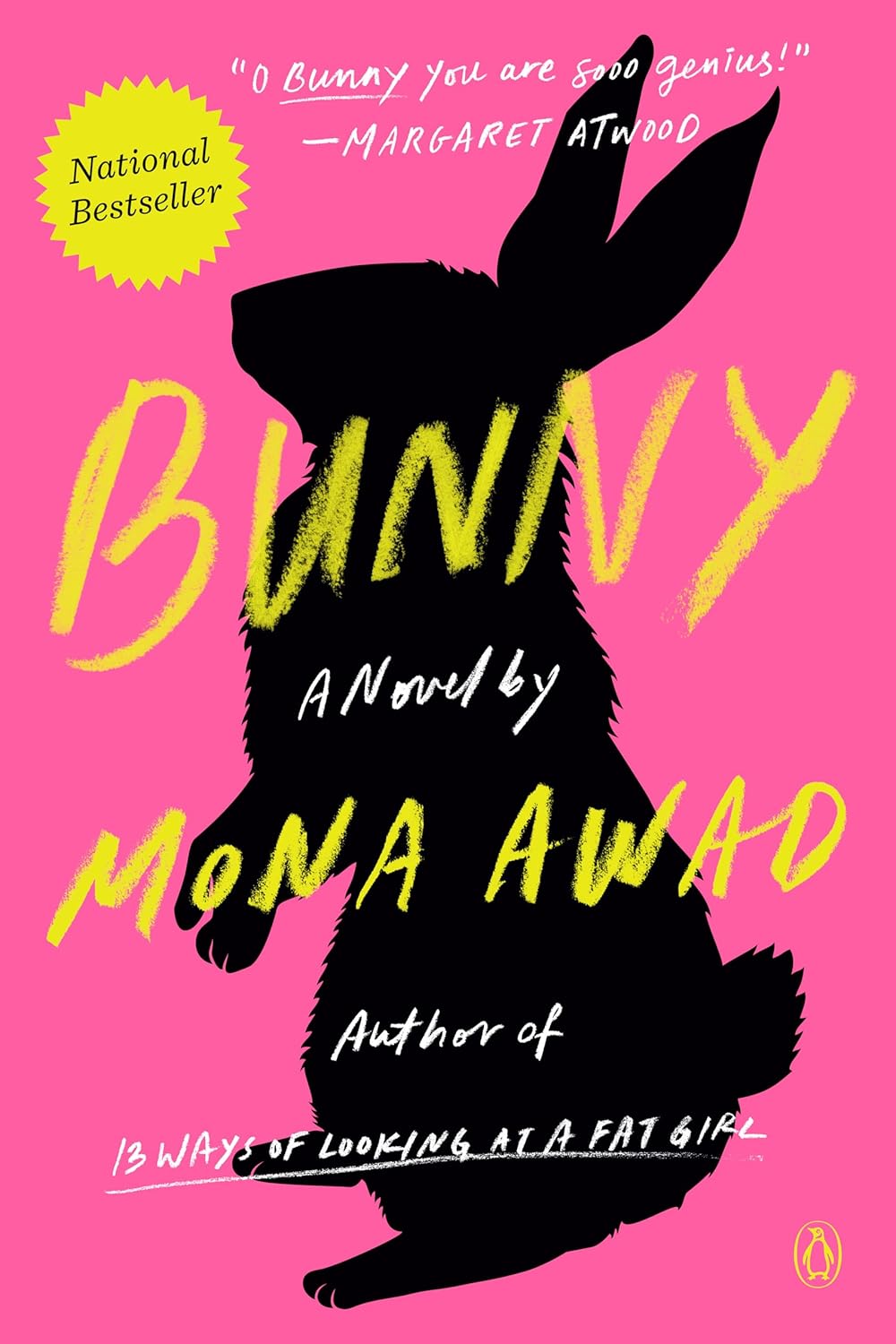
Bunny by Mona Awad (Penguin Books, June 9, 2020)
But perhaps a better reason to read Bunny first is that, as with many a prequel/sequel, it doesn’t always hold up as well as the original. Bunny aims considerable venom in depicting bitchy students (think Heathers) in an MFA program at the fictional Warren University (note that a warren is an underground rabbit colony).
Samantha Mackey can’t stand the privileged clique of fellow women writing students who refer to each other cloyingly as “Bunny.” Until that is, she is invited to join their “Slut Salon.” Which turns out to involve a creative process that rather than making up Frankenstein-like monster stories, actually involves making Frankenstein monsters. Out of, you might guess, bunnies.
Both Samantha and the highly self-centered Bunnies resort to pretentious and questionably meaningless lit-crit jargon such as “intertextual” and “performance-based” to excuse the lack of actual writing work. Which in We Love You, Bunny extends to the attempt by a has-been writing instructor to reclaim her fame by passing off as her own work a memoir written by one of the first Bunny Frankenstein-like creations, complete with abandonment issues and homicidal tendencies, named Aerius, after an actual brand of antihistamine.
This brings us to a problem for a near 500-page book. Too much of the novel comprises the written recollections (with an annoying habit of capitalizing nouns) by Aerius. The caustic descriptions of his Bunny creators the compulsion to kill a Warren instructor and horror writer (with whom Samantha may have had some of kind of extracurricular relationship) start to wear thin and, despite the many funny lines, drag on.
Framing all this is the kidnapping of Samantha by the Bunny cabal, who are outraged by the mischaracterizations of her novel. We’re getting metafictional here as Samantha’s novel is Awad’s novel, Bunny. So here we have the MFA-graduate being tortured by the subjects of her roman à clef for depicting her classmates unfairly. And the novelist who teaches creative writing at Syracuse making considerable fun of aspiring, frustrated, and perhaps not very talented writers, as well as those professors who seem too busy with their own projects to do much of anything to help them. Talk about dark academia!
Oddly, the Barnes and Noble edition of We Love You, Bunny offers what is advertised as an exclusive chapter that adds quite a twist to the initial ending. It sufficiently repurposes everything you’ve just read that I’d recommend searching out this last chapter. The resolution of Samantha’s ultimate fate with the Bunnies isn’t academic. But it is pretty dark.
[1] Not that there’s anything wrong with a love story, though arguably those considered “literary” tend to bad endings, c.f. Romeo and Juliet. Presumably the animosity in some quarters towards romantasy stems from its roots in the romance genre, long considered a sub-literary category of badly written “bodice rippers” aimed at a romantically unfulfilled readership. See, for example, Willow Heath’s rant that “romantasy girlies are not the brightest sparks,” though she later retracted it and apologized. Not to mention its combination with the equally historically maligned fantasy category. So it is particularly curious that some romantasy critics are from fantasy fandom, seemingly forgetful of its own literary belittling. The simple response here is a variation of Louis Armstrong’s famous dictum, there are only two kinds of fiction, good and bad. Though to further complicate matters, what is considered bad is often just a matter of personal taste.
David Soyka is one of the founding bloggers at Black Gate. He’s written over 200 articles for us since 2008. See them all here.
No comment on the novels you discuss, neither of which I am all that likely to read (I thought The Poppy War rather a mess, and Babel an interesting novel that didn’t quite work), and while Awad looks possibly good, her work will probably fail the “Too Many Books Too Little Time” barrier for me.
I just thought I’d mention another recent Dark Academia book that I just started today. This is Emily Tesh’s The Incandescent, set in an English “public” boarding school with a magic department. Pretty fun so far. (It crossed the “Too Many Books Too Little Time” barrier because I figure I’ll read all the Hugo nominees this year and the best predictor of a nominee is if the author is a previous winner (particularly a recent one). I’ll note that I have already read Robert Jackson Bennett’s A Drop of Corruption — and that based on 1) previous recent winner status, and 2) good reviews, I suspect both the Test and Bennett novels are likely nominees.)
As for “Romantasy”, it’s absolutely true that “romance” novels get a bad name — and as a happy reader of not just the likes of Austen and Trollope, both of whom routinely featured romance plots with basically happy endings, but also a writer like Georgette Heyer, I strongly agree that they can be very good and are often unfairly disparaged. That said, when one of the most prominent writers in the “Romantasy” boom writes like Rebecca Yarros, well, some disparagement is going to result. (Likewise, some disparagement of conspiracy oriented thrillers might result when the most prominent recent writer of such writes like Dan Brown.)
I almost wish you hadn’t mentioned the Tesh, as while it sounds possibly of interest, my own Too Many Books Too Little Time needs realistic attention. I do have the Bennet on my TBR list. I’m currently reading The Library at Hellebore, which is really, really dark.
[…] My dual review of R.F. Kuang’s latest, Katabasis, and Mona Awad’s We Love You, Bunny is available at Black Gate. […]