Portrait of an Artist: A Chat With Nghi Vo
 |
 |
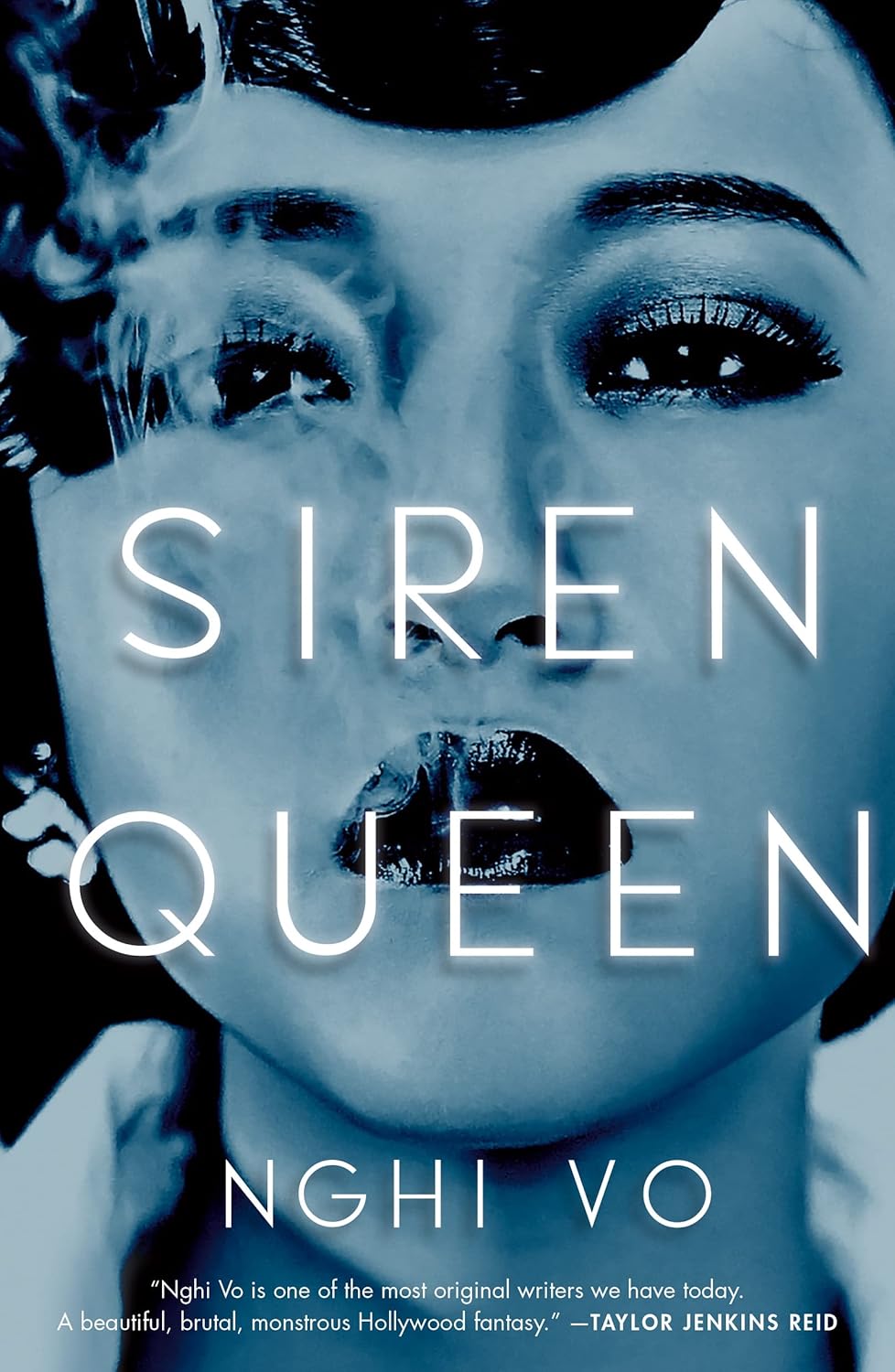
Siren Queen (Tor.com, May 2022). Cover design by Julianna Lee
Nghi Vo isn’t your typical award-winning writer of speculative fiction. Don’t take my word for it. Flip threw her oeuvre and select a story around at random: your bound to wind up reading something that will leave you spellbound. That’s exactly what happened to me when I first read Siren Queen over a year ago and most recently with the short story “Stitched To Skin Like Family Is” (which can be read for free on Uncanny Magazine‘s website).
Her rise has been steady, some might even say as subtle as the plots and characters that have attracted readers to Vo over the years. I had the privilege of interviewing the author about her career, craft, and so much more.
First things first, where did your journey as a writer start?
My journey as a writer basically started when I was a kid and my teacher showed me my very first dictionary. It was like one of those old, enormous blocks of paper and she told me that every word in English was in there and everyone that came out used words from that dictionary. I was tiny and thought, “that’s all a book is, I just need to get the words in the right order and that is all the material I need.”
It’s not entirely right but it’s kind of right. It was the discovery that words are very modular and the joy of writing was the fact that there was no buy in, no equipment. Its literally just pen, paper, and the words that you have.
It was a very cheap craft to get into! That was part of it. I wish I could give you something more romantic but that’s where it started.
You have writing credits that go back to 2005. I believe you have short stories that came out back then. What was the process like going from a writer trying to get short stories published to an author with their first book deal?
It was less of a journey and sort of like stumbling through the world and falling flat on my face a few times. I actually don’t have any training in writing. When I was in school, I was in school for for media studies and political science. I briefly flirted with law school then realized I would have to spend my whole life surrounded by lawyers and maybe I didn’t want to do that. I didn’t have the endurance for that!
I got out of college and was working tech support. The thing about tech support is there’s a lot of free time and I went back to the fact that you don’t need money to write a story. You know I had my ancient laptop and I saw a call for submissions and I’m like, “I can do this, I have time, I can write 2,000, 3,000, 4,000 words. So, I started writing and submitting, honestly because it was fun, because I thought it was interesting.
If you look at my bibliography, you’ll notice at the time it wasn’t consistent at all. It wasn’t like I was trying to do a certain number of stories a year. I was just trying to write between keeping my job, making sure my family’s taken care of, hanging out with my friends, all the stuff you’re doing in the early aughts.
Then I saw a call for submissions from Angry Robot Publishers. This would have been about 2016 or so. It was a contest for a novel and it was unagented. So I wrote Siren Queen, they passed on it but sent me this lovely rejection which said, “Usually we’d give you critique here but you mostly know what you’re doing.” I’m like, “that’s not true,” but I started doing the agent rounds, sending it off to agents to see where it would go.
While I was submitting to agents Tor.com, who is my current publisher who I owe a lot to, they put out a submissions call for unagented novellas. I said, “I don’t have an agent, I can probably write 20,000 words.” And so in about six weeks I wrote The Empress of Salt and Fortune, I sent it to them, and then I didn’t think about it very much. I was trying to pay a lot of rent at that time, made a lot of bad housing decisions (laughs). Made some bad romantics decisions (more laughter) too.
Then what happened was within the same week I got two offers of interest from agents and then I got this email from Rouxi Chen who is my editor at Tor.com and it was this long letter. I was like wow, this is the nicest rejections letter I’ve ever gotten! She was saying how passionate she was about it, how much she likes it, and then that she wants to acquire it!
It was a lot of falling on my face, I was doing a lot of writing. I was in tech support, I did freelance writing for a while. It was writing but not fiction. I was more or less writing what people paid me to write, things like cockroach care guides and articles about why you can’t ride bears. That was a real thing I wrote!
It was really funny because when I look back on it, I was really quite bad at all of this. My agent and I have been together for about seven years now. She finally told me a few years on, “did you know that your submission letter was deeply mediocre!” That’s the word she used and she still signed me, so there’s hope for all of us.
I’m flabbergasted because Siren Queen is the first story of yours I read. The thing I really love about it is how, though it’s set in a modern setting, it feels ethereal and magical. It feels enchanting. It’s one of those books where, when I got to the end, I just wanted more!
Thank you so much for telling me that. If you like I can tell you why that book was written.
Please!
What happened was suddenly I realized that the whole system of studios from the time period giving their stars new names and new pasts sounded like fairies kidnapping people, like changelings. I kind of got on this thing when my friend was trying to convince me to have dinner. She’s telling me “Nghi, what do you want to eat” and I keep saying, “there’s so many more parallels! You don’t understand!”
My friends have always been patient when I suddenly have an idea. I have a lot of good ideas and that was just the one that happened to be a novel. I’ve always loved Golden Age Hollywood. Have you heard of The Animaniacs?
Yes.
Have you heard of Slappy Squirrel?
Yes.
That was one of the places Siren Queen comes from!
Wow! Well, if you look at bookshelves right now, a lot of people, myself included, would say we are in a Golden Age. I feel part of that is because, if you go back 20 years ago, the kind of people getting signed and the types of books that came out weren’t anywhere near as diverse. Now the field is so much bigger, so much richer. How does it feel to be able to write and sell stories featuring leads from wherever you want them to be and still get recognized? How does it feel to appeal to readers without needing to navigate the kind of mazes writers back in the day had to?
It feels a lot of different ways. It feels wonderful to have my stories be things that are wanted. It feels wonderful to reach out to people who are in situations a great deal like I was when I grew up. At the same time there is this sort of ocean of grief underneath it because we’ve had a century of modern publishing in the US and you think about how many voices we lost who had amazing stories we will never get to hear. Sometimes that’s very heavy and feels like this responsibility that we have to live up to the people who came before us. It is both true and not true.
We’re working in a business and we’re trying to make a living. But at the same time, we are making art and art has a great deal of responsibility to those that came before us or, one thing I spend a lot of time thinking about, those that should have come before us but weren’t allowed to. For me as a writer its stories all the way down. As I do this job I keep running into readers who have stories, readers who are going to be writers and storytellers, and all I can think is how bright the future is because we’re talking about it, we can see these stories form. At the same time while there is this weight of grief there’s also this sense of hope that we are going into a future where we have more stories than we have ever had before.
 |
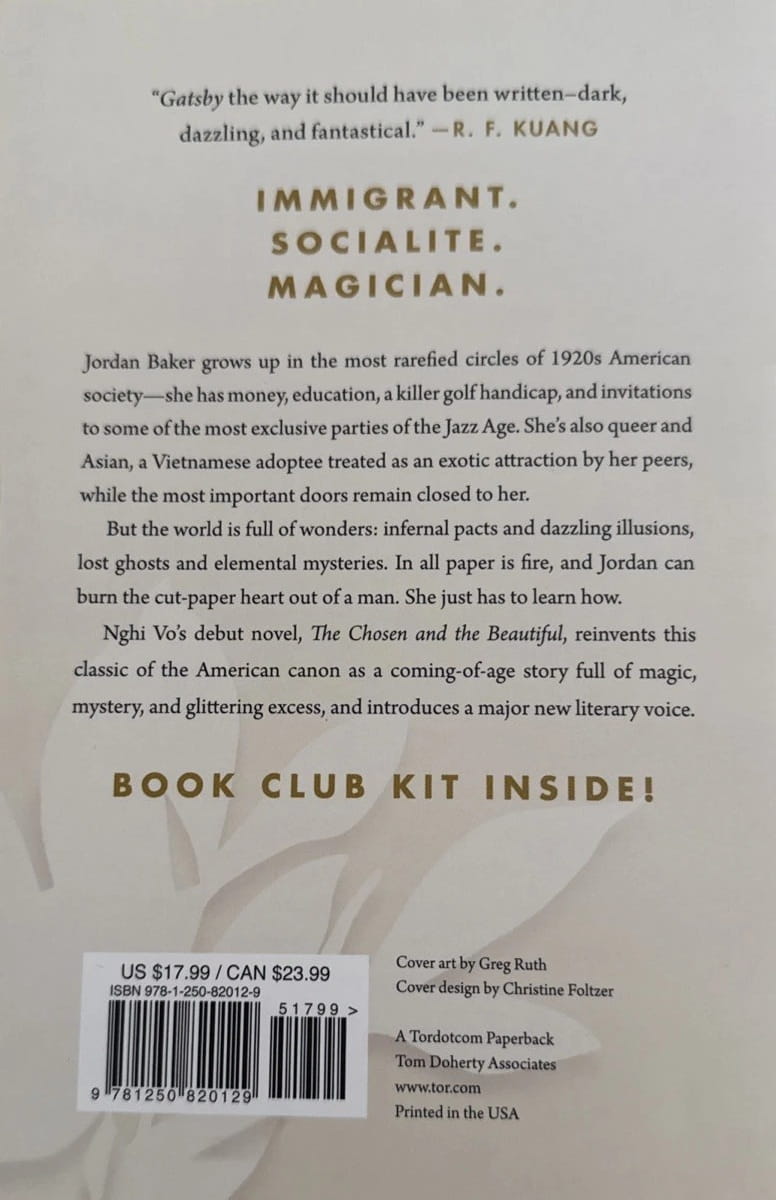 |
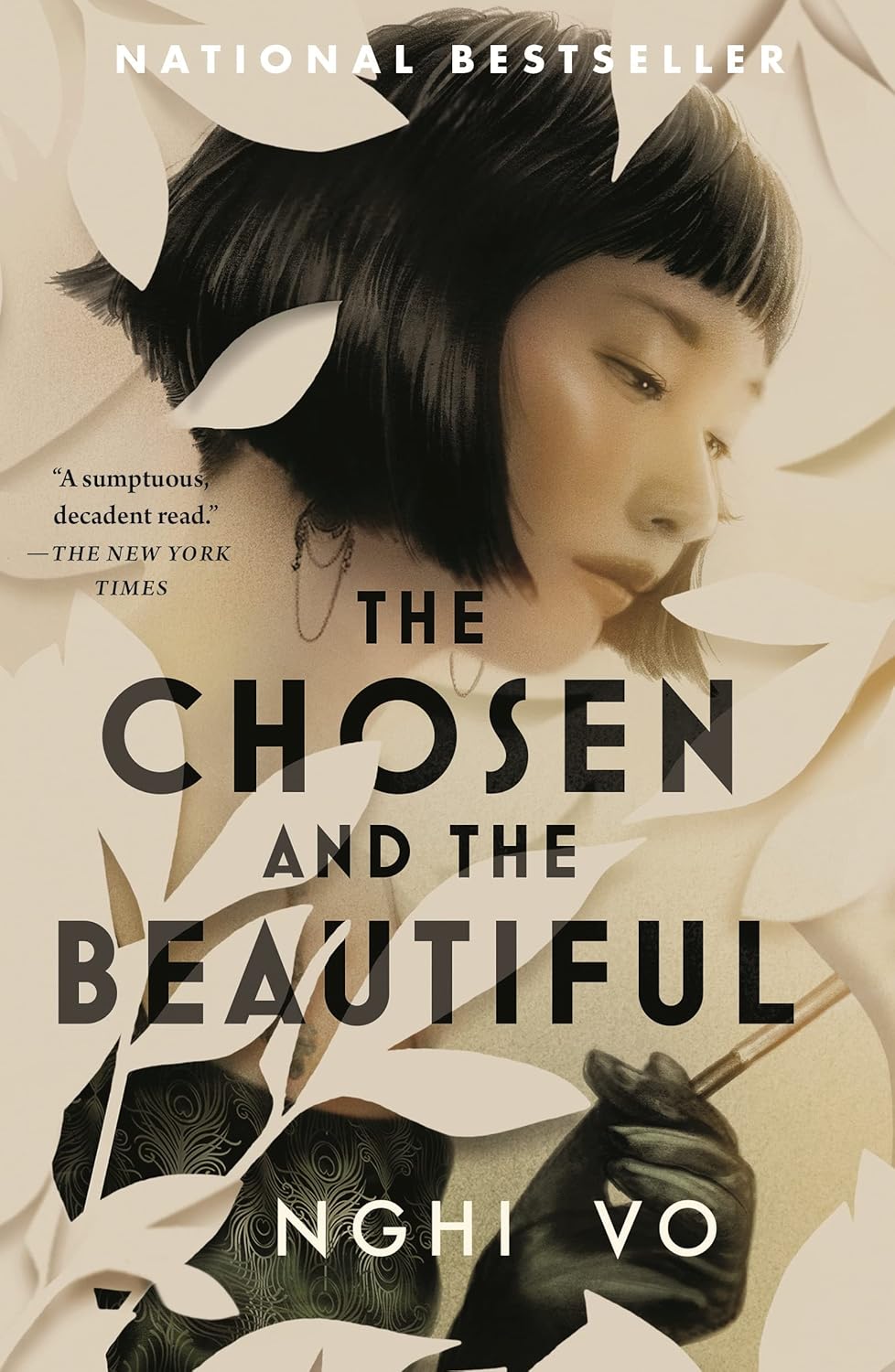
The Chosen and The Beautiful (Tor.com, June 1, 2021). Cover by Greg Ruth
How has the reaction to your success been like? Have you ever had anyone come across as feeling threatened by your work?
Well, my first published novel was The Chosen and The Beautiful which is a sort of take on The Great Gatsby featuring a Jordan Baker who is Asian American, queer, and made of magic. One of the first things anyone told me about it is they called it a joyless cash grab! My first reaction was “No this is an extremely joyful cash grab!” And it is, I’m in this to make money. This is how I pay my rent.
This is the thing. I was asked recently if I felt threatened by AI as an artist. I’m like, look, the minute I start writing I’m throwing myself against every writer that came before. Because I start typing, because I put pen to paper, because I have the nerve to sell my stuff, I have always been putting myself against competition. So, I don’t see why it’s any different.
In terms of being intimidated, they should be! How about that?
Well said! Now, I wanted to ask a bit about your background. Has it had any impact on your work and if so how?
Vietnamese is one of the many things I am. I have given up on the idea of having any sort of unified selfhood when it comes to identity. I am Asian-American, I am Vietnamese-Chinese, I am queer… it’s a long list of things. It is something that as an adult I’ve had to corral and accept. While there is the hope of some sort of unified picture, I don’t know if that is a thing that is possible. It is important to me to offer both respect and acknowledgement of the various things that I am and to enjoy the privilege that I do have of being open about it.
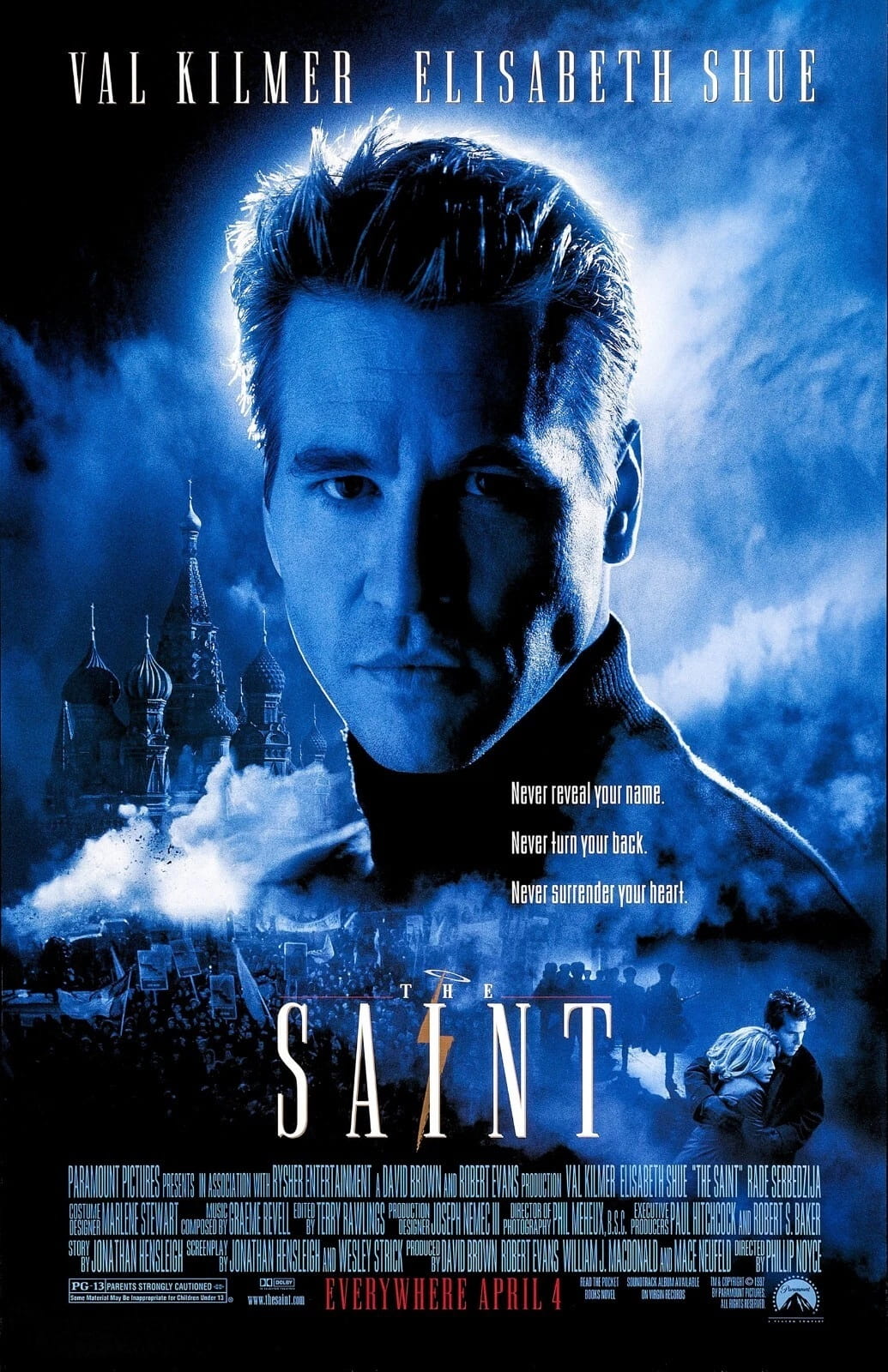
Way back in the 60s or 70s, there was a spy series called The Saint, there was a Val Kilmer movie about it, it was a huge series. I didn’t realize for a longtime that the author was half Asian. It was not in any of the biographies or anything like that. The idea that I have the intense privilege of being openly who I am, that it is my picture on the books, that there is no question about what pseudonym I have to use… every part of me that I can show I will because so many people before me haven’t been able to do so.
It’s a little dicey sometimes. This is my favorite Margaret Cho quote. Someone once asked her something like, “Aren’t you worried your Asian parents are ashamed of what you’re doing?” Her response was, “Man, I kind of assumed every parent would be ashamed of what I’m doing.” It’s a fine line to walk.
Let’s go back to your books. One thing I love about your bibliography is it is full of short stories, novellas, novels, novelettes, entire series… when you initially get an idea how do you decide if its going to be a short story or something longer?
These days I ask my agent (laughs). Historically what I do is ask myself how much time do I want to spend with an idea, how much work is going to go into expressing it? Sometimes it’s a matter of how much is covered in the story to do it justice. Sometimes it’s a matter of ‘wow, that’s a really cool idea that will only last 2,000 words before someone starts asking questions that I cannot answer.’
There’s a certain reality to how much ground you can cover in a short story compared to a novel. This isn’t to say you can’t cover thousands of years in a short story or have novels that take place in a novel. But it depends on what I want to do with it, what I think is fun. Like Siren Queen which was a huge amount of fun to write. I know you said it’s short but I write short because I get bored quickly. But it was good to spend more time with Luli (main character of Siren Queen). There was “Stitched to Skin like Family Is” is which is about a woman that sort of magically communicates with clothes and that one has historical serial killers in it.
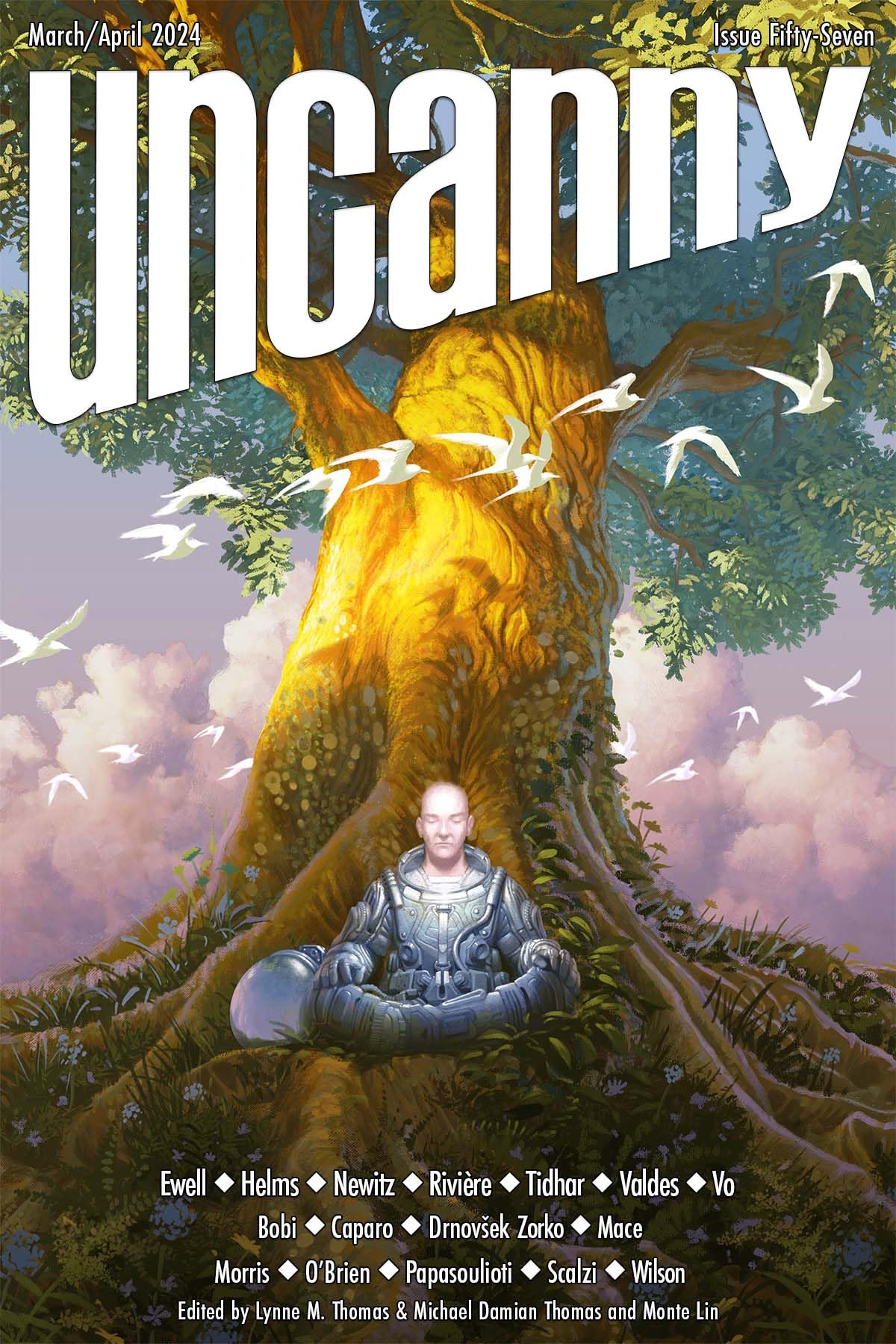
That was published by Uncanny Magazine!
Yeh.
It won a Hugo right?
It won something (laughs). I don’t know.
My next question is about craft. What would you say were the big milestones going from a short story writer sending out those manuscripts to getting your first deal. Were there any moments where you realized ‘I can do this’?
Every day is a new surprise, it really is. The big milestones never show up or hit the way you think it will. The Empress of Salt and Fortune came out during the pandemic. The shutdowns happened and my book came out. I didn’t know what was happening and no one else knew either. No parties, no getting to see my book in the store for some time. But the first fan letter was very cool. (The milestones) just keep coming. One of my books is going to be published in Vietnamese sometime in the next couple of years and that gave me so many moments because that means so many of my relatives can read my book if they want to. That’s if they want to, they don’t have to, it’s okay.
I think this job… and I’ve had quit a few jobs, there’s so much weirdness and so much joy in it that the milestones definitely sneak up on you. They aren’t things that you can really work for. I also realized I published like 10 books in the last five years and my brain might not work well anymore! Sometimes I’m like, this is a thing happening to me again! I may not be the right person to ask.
For me, it seems like the milestones sneak up on me. They’re special and I’ll know immediately that they’re special, but I can’t always predict them
I will say this: some of it was the fact that they don’t really stop me from putting what I want in my acknowledgements. So recently, when I was typing up my acknowledgements, I was telling them about the fact that my agent stopped me from putting a half-man half-stove hybrid in one of the books that is coming out soon. She stopped me from that and I got to talk about that and it was weirdly special.
It was in The Scarlet Ball, which will be out later this year, and the best story I can tell about it is I was writing it very fast, there’s this character that is a duke, and he’s like half-human half-stove. I was trying to make a point about overconsumption and the predatory nature of nobility and the industrialization of England. I thought I was being smart and then one day my agent calls me and says, “Nghi, why the fuck is the duke a stove!” She made me stop and upon further reflection that was the right call to make.
You started sending out manuscripts while in tech support. Any advice to anyone trying to balance working a regular job with their dream of getting their writing published?
That is a very hard question and in some ways it’s a deeply unfair question. Not that its unfair to ask but in the answers I can give. I am sitting where I am because I am profoundly lucky. I had a tech support job that essentially allowed me to make money while making money. I was healthy, most of my school was subsidized through scholarships, I’m mentally healthy, I didn’t have kids to support, I’ve been very lucky with the relationships that I’ve had largely. A lot of it is luck. What I can tell people who are trying to do something similar is if you see an advantage, seize it. If you have a connection, use that connection. If you have someone willing to put you up while you work on your novel, take advantage of that.
I like my job a great deal. It is not always easy, it is not always fair. It is very, very important to remember that it is a job. You can love this job and this job will not love you back. I’m saying this as someone who is surrounded by professionals who care deeply about stories, who I’m genuinely willing to say care about me as a person, but if you go into this job trying to give it everything you are you are going to lose. And when you lose it can be very dark and dramatic. You are the most important person in this equation and that is the thing you can never forget as someone trying to be a working artist.
 |
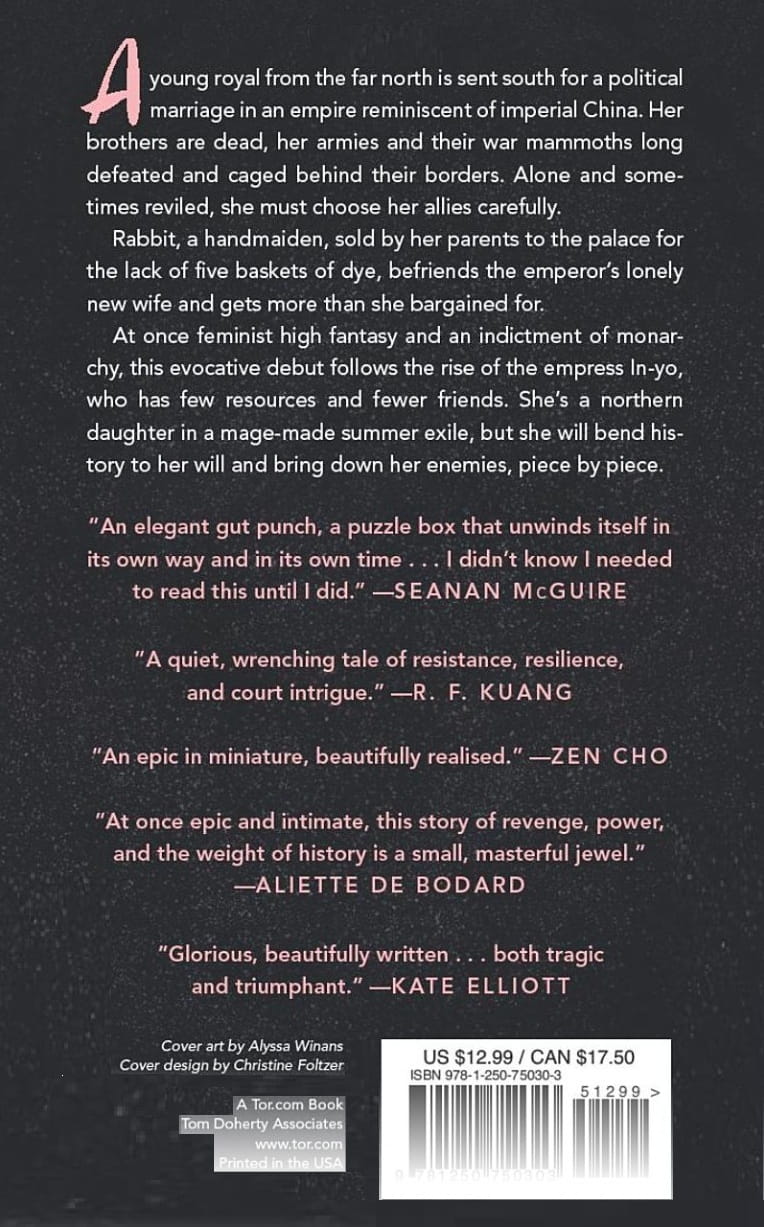 |
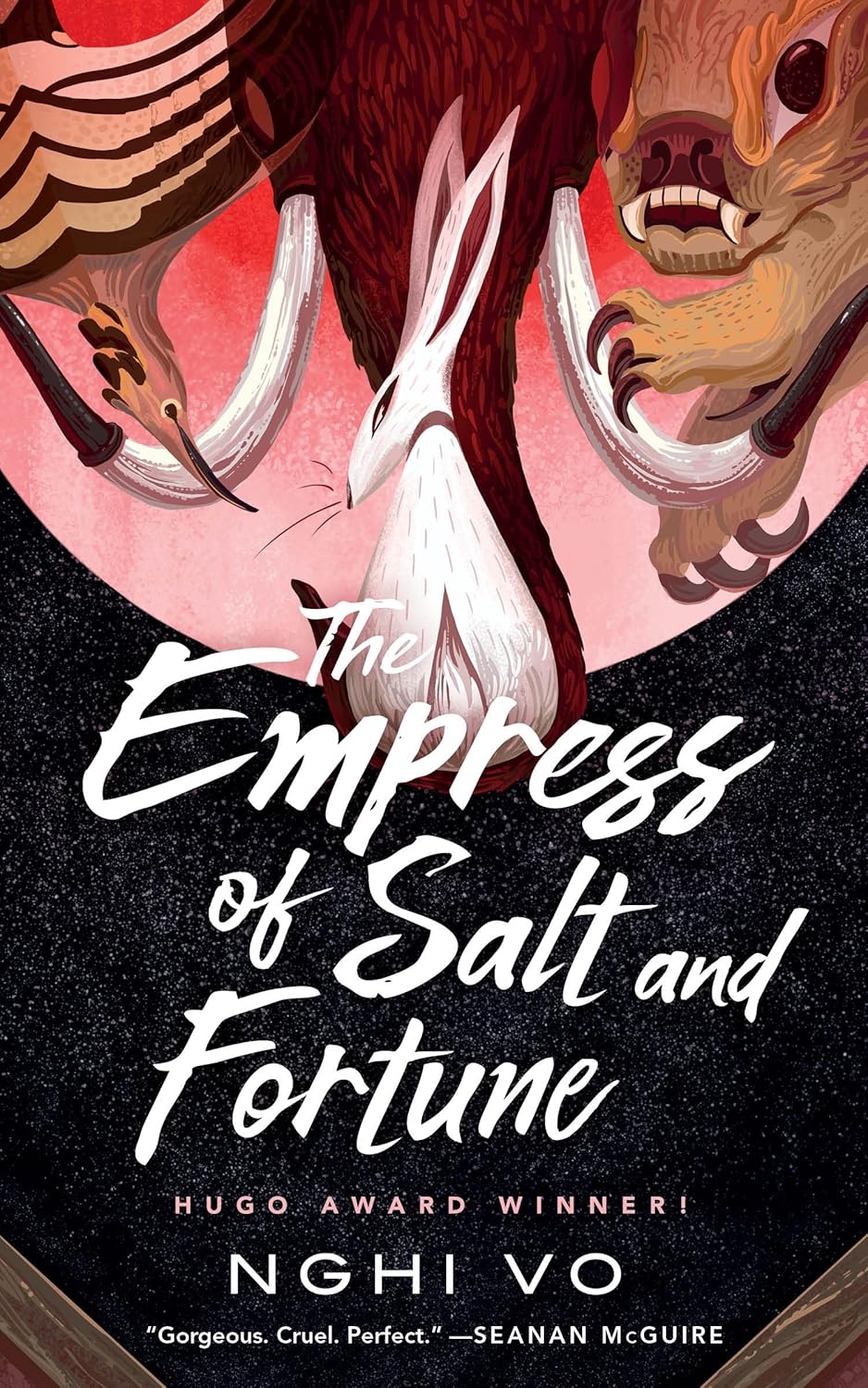
The Empress of Salt and Fortune (Tor.com, March 24, 2020). Cover by Alyssa Winans
Powerfully said! Reminds me of a lot of great authors who despite being super talented, never enjoyed the success they deserved. Charles R. Saunders is a good example. He died penniless, uncelebrated, and while the industry has since recognized his work that doesn’t really do much for him now.
It can be brutally unfair. There’s nothing more important than yourself as an artist and yourself as a person. You must take care of yourself. That’s what I’ve been trying to say for a while, because I’ve been talking to other people about this. We are not a life support system for stories; our stories are a life support system for us. That’s the way it has to go.
My next question kind of ties into self-care. Do you ever deal with writer’s block or anything like it?
This isn’t to brag but I will say that when I was freelance writing I was like the McDonalds of freelancing! I was doing tiny descriptions of vacuum cleaner parts, I was turning over about 6,000 words a day. That is what it took to get my bills paid. I do know what its like to stare at a page and not know what comes next. But you start putting things on the page anyway.
Here’s the thing I’ve learned about writer’s block: what you think of as writer’s block is a lot of the time that is burnout. A lot of the time that’s people pushing themselves too hard or there’s that little voice in there head that says there’s a time limit on how its going to go. That freezes them up, your not going to go anywhere, and that sucks.
When it comes to writer’s block, I know I keep coming back to it but this is how I pay my rent. I can’t afford it! But I will say this, if you don’t know what comes next a lot of the times the problem isn’t what you’re writing that minute. Go back and try just temporarily removing the last 500 words you wrote. Start from there again. That is one thing that has been helping me when I feel like I don’t know what comes next and gets you things like men that are half-man, half-stove.
Be careful thinking that it is a creative issue when it is just the fact that you have nothing in the tank.
You have novel coming out in May, right? Can you tell us a bit about that book and any other projects we can look forward to?
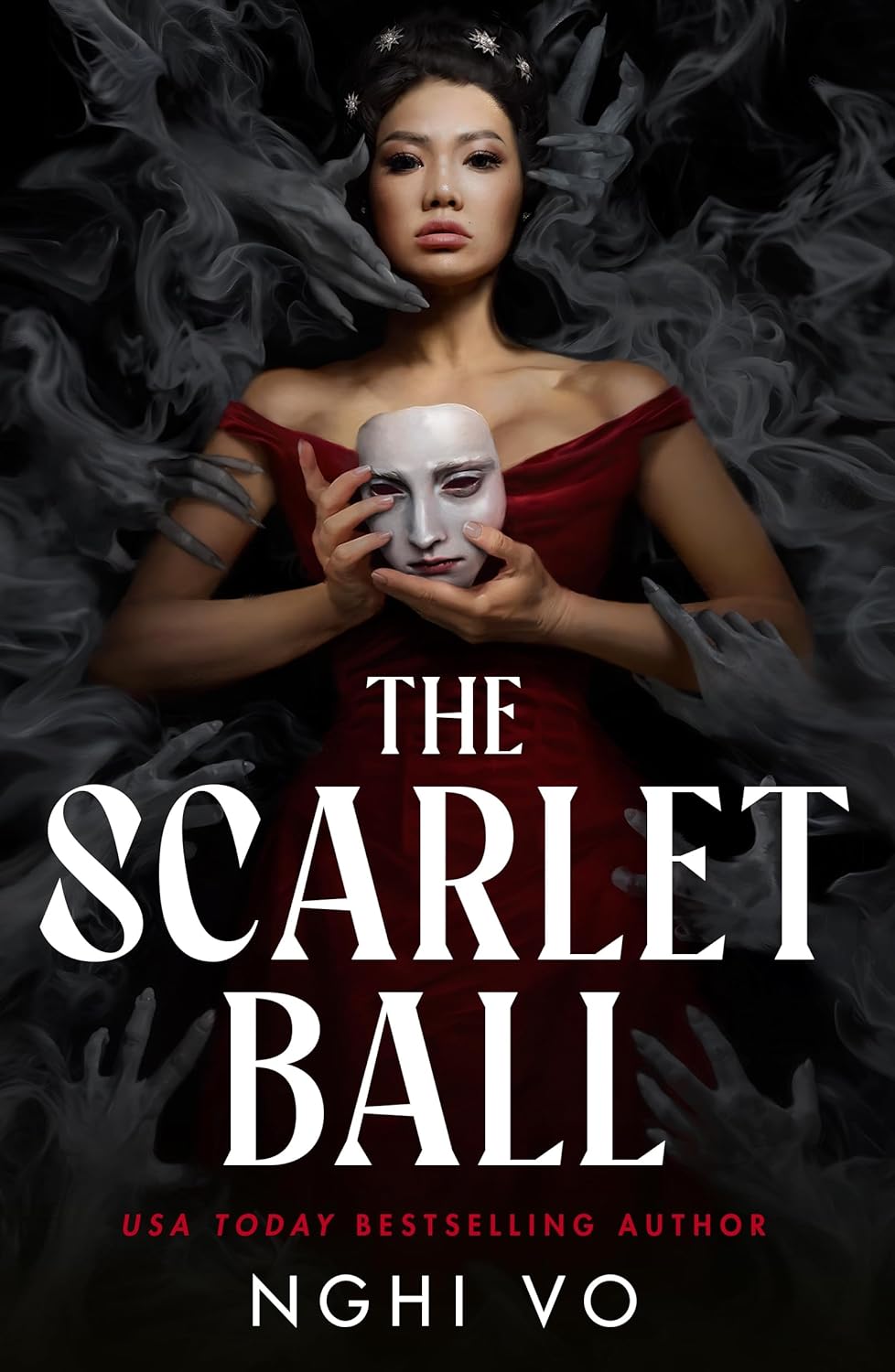
Yeh so we have actually announced that in May we have coming out A Long and Speaking Silence which is the seventh book in The Singing Hills Cycle series. It is hard to say ‘well this one is very important’ when they’re all important stories to me, I wrote them. But I love this one. This is Cleric Chee, our storytelling cleric, with their friend Almost Brilliant the talking bird. This is them at the earliest point in their journey when they are learning to be a storytelling cleric and are quite bad at it. It’s a story about food, veneration, parties, good stuff and bad stuff….I think its hilarious but not everyone is going to agree with me.
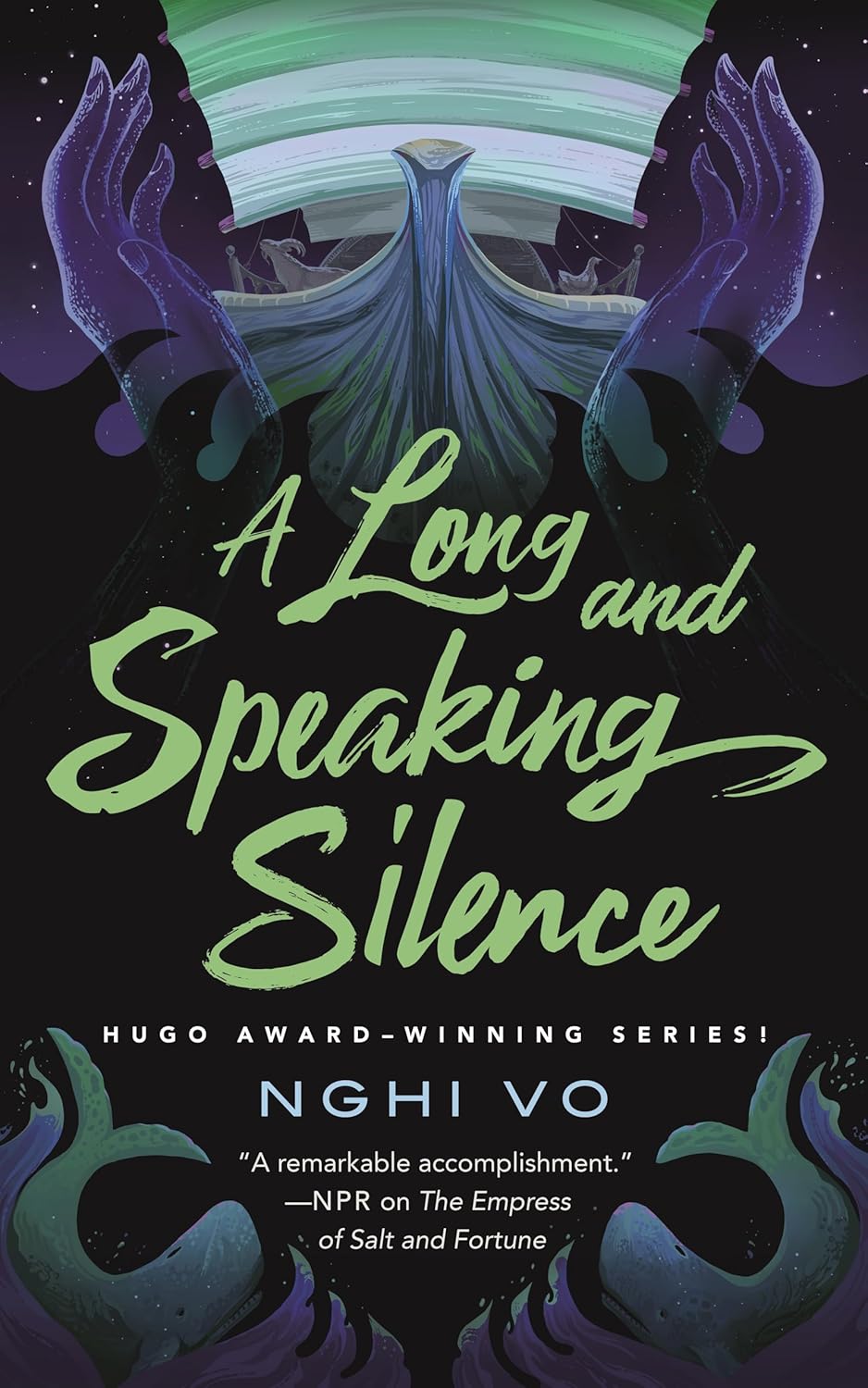
And this October we’re going into The Scarlet Ball, which is the story that no longer has a half-man half-stove, once again I was forced to take that out! But it’s the story of a half-French half-Vietnamese courtesan who comes to the united states on the run who gets a deal from a very rich white woman that is one of the New York 400 in 1890. This woman is missing a grand daughter. If my main character Judith is willing to put on a white girls face and go dance with demons, she can go and marry a storm. I’m looking forward to that one, it was not an easy book to write and I can’t wait for people to see it. Its gory, messed up, I like to think it is kind of sexy and just tons of fun.
It sounds a ton of fun but I want to go back to the A Long and Speaking Silence you mentioned. That is the seventh book in its series. Most series don’t last that long. What sustained it? What is it you love most about that setting.
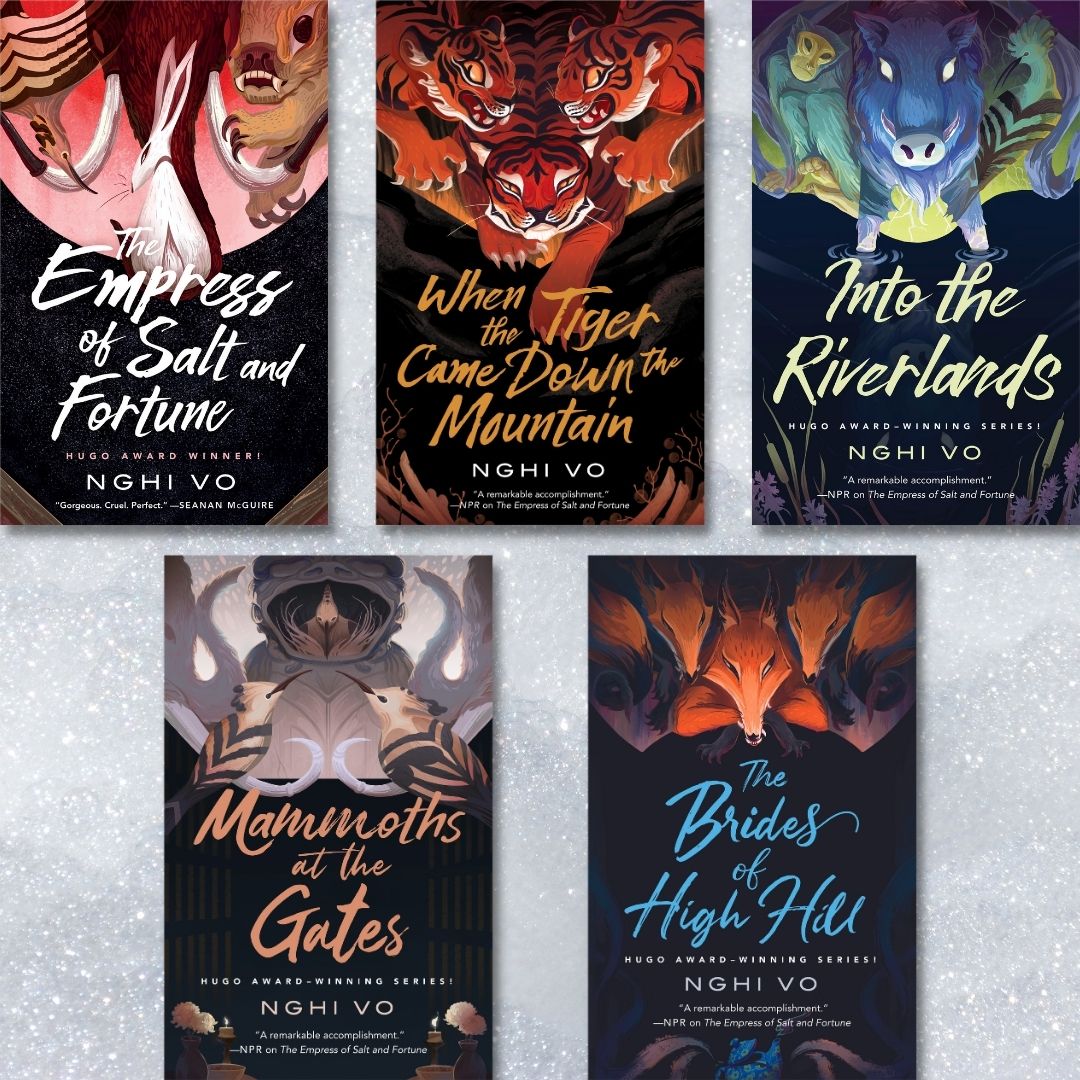
I’m going to tell you how The Singing Hill Cycle Series came about. When I wrote The Empress of Salt and Fortune, I had no idea it was going to be a series. My editor at the time, Rouxi, she comes to me when we are going to pub and she says, can this be a series? Here’s the thing, as a freelancer, you don’t say yes to a project when you’re 100% sure you can do it. You say yes at 90%, at 80%. If you are kind of hungry and have rent that needs to get paid you say yes at 60%. So what I said was yes, this can be a series!
Literally I’m on the phone with her and saying, “Yes it can be a series, each book will be standalone, and they’ll all be stories about stories”. It kind of snuck up on me because this is something I did because I wanted to be a novelist… I wanted this job. I was kind of coming up with it on the fly. Part of it is I didn’t expect to love it as much as I did. I didn’t think that I was going to fall in love with these characters or the world. I got lucky when I made the main character Chih who is kind, who mostly wants to hear and tell stories and I love them. That’s my favorite thing about them, how the love came and how unexpected it was.
Love segues nicely into my last question. Our readers at Black Gate magazine love speculative fiction as I’m sure you do. But I’ve got to ask: why do you choose to write speculative works as opposed to any other genre?
The answer is: if I can have a dragon, a mechanical horse, talking birds, entire worlds, demons who love cities, girls who wear other girls’ faces why the hell wouldn’t I? This is the most fun you can have while writing so why wouldn’t I?