Knock, Knock: Or, The Portal Fantasy Revisited
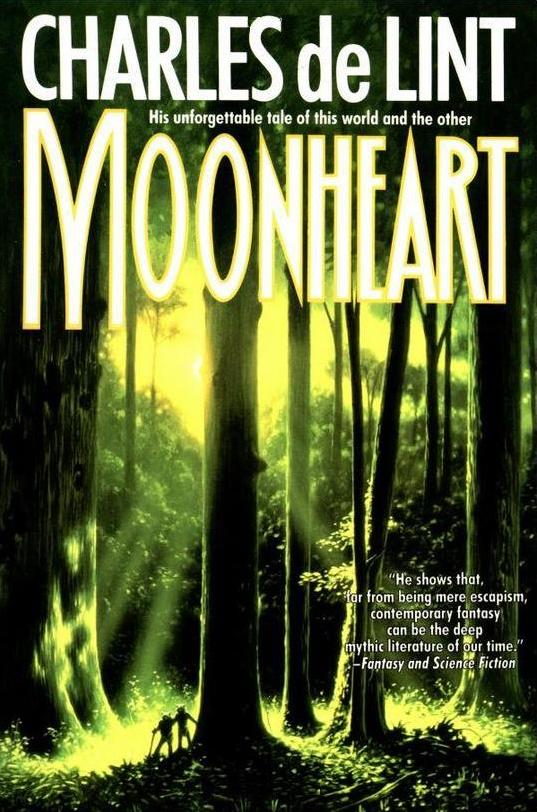 This week I participated in a Mild Meld over on SFSignal on the theme of portal fantasies. I’m not the only person who did, and you can see the whole post here, but, as is so often the case when you’re asked to consider an intriguing idea, I’m still thinking about it. Warning: For the sake of clarity I repeat some of my SFSignal observations, but I don’t overlap much.
Working on that post, and thinking about classic portal fantasies such as the The Wizard of Oz or the The Chronicles of Narnia, or the more recent Chronicles of Thomas Covenant (though even they aren’t particularly “recent,” are they?) got me wondering about the evolution of the portal fantasy over the last 35 years.
Let me review the classic version: Human beings from our world find an entrance to a secondary world where magic works, the supernatural exists, etc., and adventures are undertaken. Often there’s a kind “quest” element involved as well, in that the protagonists have to complete a task in order to be able to return to our world. These are often called “primary world fantasies” even though most or all of the action takes place in the other world.
Again, in the classic version of the portal fantasy, the reader is riding the shoulder of the protagonist, seeing and learning everything about the new world at the same time the protagonist does. CS Lewis even introduced new protagonists, so that he could keep explaining things in later books without seeming repetitious. Of course we all recognize this as a use of the stranger-in-a-strange-land trope (SISL), which is invariably interdependent with the portal trope.